
Start with the activity, not just the price
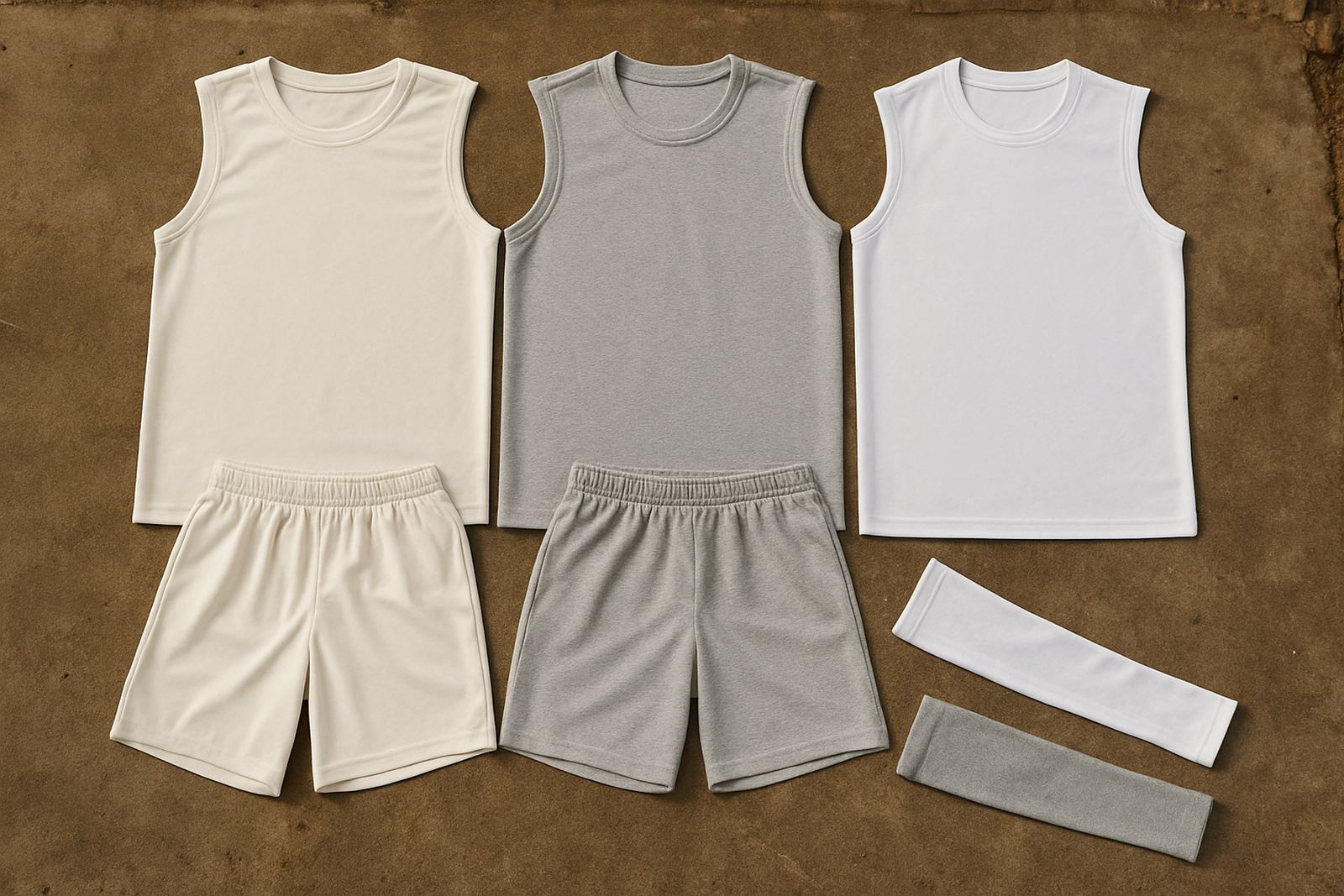
Activewear for a weekend road race is not the same as kit for a netball club or a gym reseller pack. Before you place an order, think about how the garment will be worn, washed and printed. A breathable polyester tee for a fun run needs a different feel to a warmer layer for early morning training in Hillcrest or winter sessions in Pietermaritzburg.
In Durban and the coastal areas, humidity can make heavy fabric feel sticky fast. For that reason many clubs and sellers prefer lightweight polyester, usually in a smooth finish that takes sublimation well. If your customers are buying for events, check that the blank is suitable for repeated washing because race shirts and promo tops often go through a lot more than casual wear.
- Choose the garment by use: running, gym, team kit or promo wear.
- Match the fabric weight to the season and location.
- Confirm that the blank is made for sublimation if that is your print method.
- Ask whether the cut is unisex, ladies, youth or kids before you order.
Check the fabric and fit before you commit
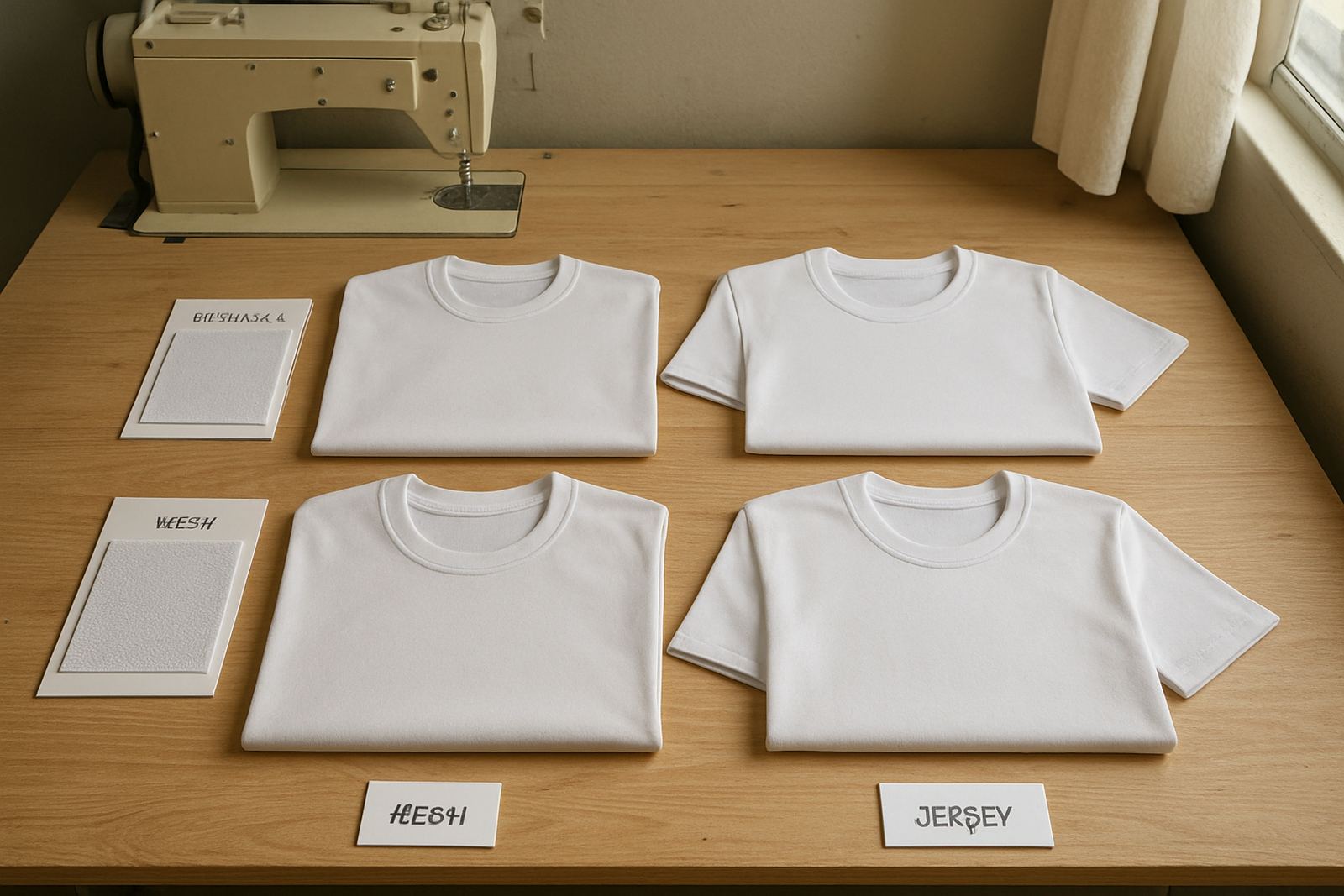
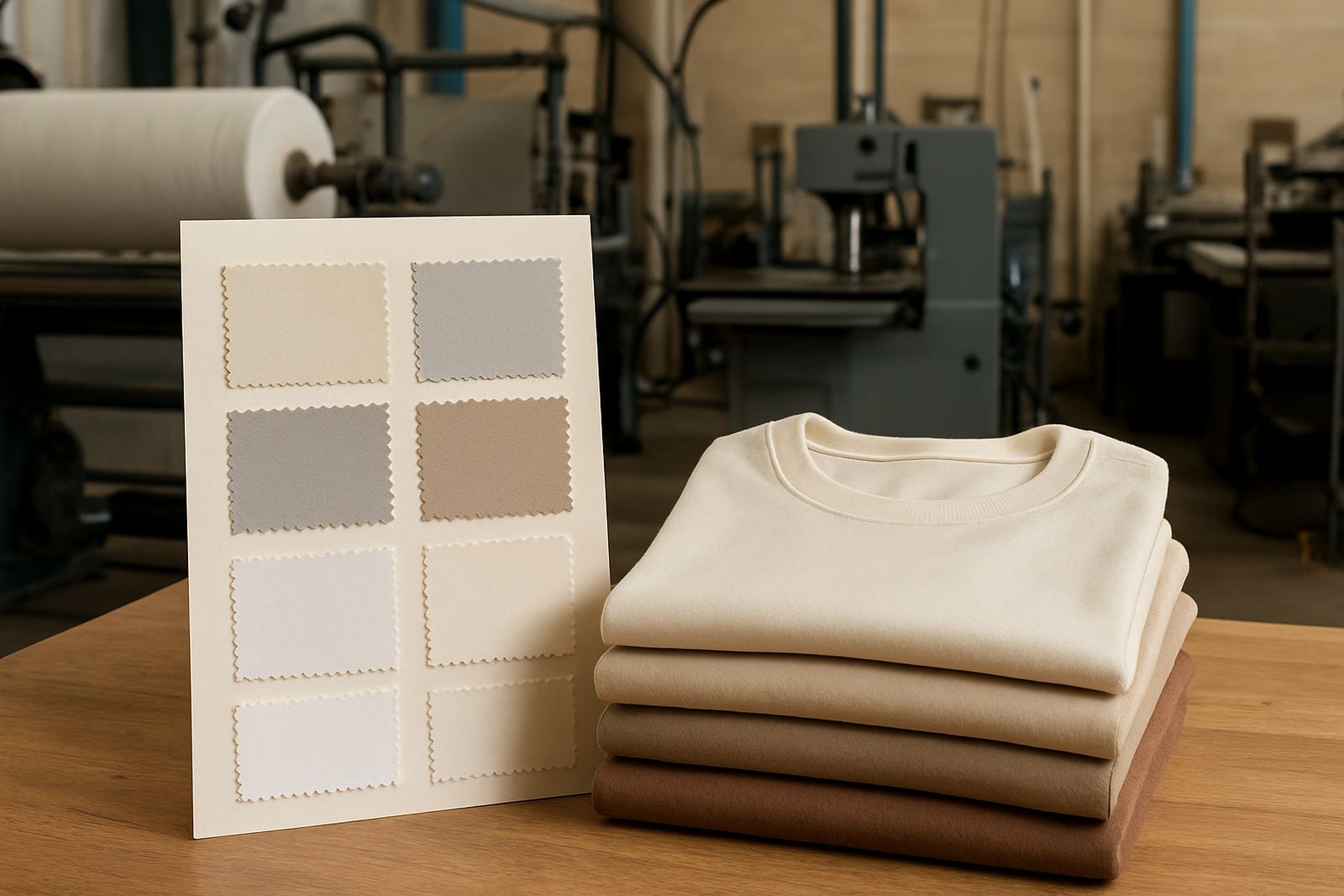
For clean print results, polyester content matters. Sublimation works best on light-coloured polyester and poly blends with a high polyester content. Cotton does not give the same result. If the item is meant for sports use, look for a fabric that dries quickly and keeps its shape after repeated wear. A good sports blank should feel light but not flimsy, and the seams should sit flat enough to avoid rubbing during movement.
Fit is just as important. A club ordering 60 tops for a race day may need sizes from extra small to 5XL, while a fitness seller may need a tighter athletic cut for younger buyers. In many cases it helps to order one sample pack first so you can check neckline height, sleeve length and how the sizing runs. That saves arguments later and yes it saves returns too.
- Look for high polyester content for proper sublimation results.
- Check stretch, drape and seam finish.
- Compare sizing across the full run before a bulk order.
- Request sample packs for new styles or first time buyers.
Plan your quantities for clubs, races and resale
Ordering the right number of blanks is a balancing act. Too little stock means delays, while too much ties up cash. For clubs and event organisers, a size breakdown pack works well because it gives you a clearer mix for adults and youth. For resellers, it helps to track what actually moves in your area. A small brand selling in Pinetown might need more medium and large sizes, while a school sports fundraiser could need a broader spread.
We recommend planning in three groups: confirmed orders, expected extras and hold stock. That approach is useful for events, especially when last minute registrations come in. If you are running a promo campaign in Amanzimtoti or Umhlanga, allow for a few spare units in common sizes so you are not caught short on collection day.
- Separate firm orders from estimated extras.
- Use size breakdown packs for team and event work.
- Keep spare stock in the most popular sizes.
- Review sell through after each event or season.
Prepare for printing, packing and delivery
Good blanks still need careful handling. Before printing, check each garment for loose threads, marks or sizing errors. After printing, keep items flat and dry before packing. This matters in Durban where coastal moisture can affect storage if stock is left in open areas. If you are collecting from Pinetown or arranging nationwide dispatch, keep your jobs clearly labelled by customer, size and colour so nothing gets mixed up.
Load shedding can disrupt production schedules, so it is wise to batch your work. Group similar orders together, print in one run and pack immediately. That cuts down on mistakes and helps with courier cut-off times. If you run events in Westville, Phoenix or Amanzimtoti, schedule collections earlier in the week where possible so there is room for any last minute correction.
- Inspect garments before printing and again before packing.
- Label by order, size and colour.
- Allow extra time for courier collection during busy weeks.
- Store packed stock in a dry area away from humidity.
Use the right support services for smoother orders
Clubs, resellers and promotional teams often need more than a box of tops. Services like bulk order picking, size breakdown packs and event order kitting make bigger jobs much easier to manage. If you are supplying a race day, you may also need sample pack assembly for approval, seasonal stock planning for winter layers, or promo bundle supply for a launch campaign.
Returns checking is worth attention too. When garments come back, they should be checked properly before being restocked or written off. That keeps your count accurate and reduces surprises. For businesses operating from Pinetown, Hillcrest or Umhlanga, collection scheduling can also help if you want to pick up stock instead of waiting on a delivery window.
- Bulk order picking for larger club or retail jobs.
- Event order kitting for race packs and tournament packs.
- Reseller restocks to keep popular sizes available.
- Returns checking to protect stock accuracy.
A simple ordering checklist for sportswear blanks
Before you send through an order, run through a short checklist. This will help you avoid missing sizes, colour choices or delivery details. It also makes it easier for the warehouse team to pick correctly and for your own staff to confirm the order with the end customer. Small errors can slow everything down, especially when a launch or event date is fixed.
For activewear blanks, clarity is everything. State the garment type, size split, quantity per size, delivery town and whether you need collection or dispatch. If the order is for a club or school, confirm the naming format in advance. That saves back and forth later and keeps your production moving. A clear order is usually a faster order, as simple as that.
- Garment type and colour.
- Size range and quantity per size.
- Print method and any approval notes.
- Delivery address or collection point.
- Required date, with buffer for courier or picking delays.