
What GSM Means In Plain Terms
GSM stands for grams per square metre. It is a simple way to measure fabric weight, so a 150 GSM t-shirt has less material in each square metre than a 200 GSM shirt. In practical terms, lower GSM fabrics usually feel lighter and cooler, while higher GSM fabrics feel fuller, a bit warmer, and often more durable for hard wear.
For sublimation work, GSM matters because the fabric must suit both the print and the purpose. A light promotional tee for a summer event in Durban will not need the same weight as a hoodie for winter use in Pietermaritzburg or cold early mornings in the Midlands. The best choice depends on how the garment will be worn, washed and sold.
At Sublimation Blanks Apparel, we supply polyester apparel blanks for businesses and crafters across South Africa, so it helps to know what you are asking for before you order. That way, you can match the cloth to the job instead of choosing by eye only.
How Fabric Weight Changes Comfort And Wear
Comfort is often the first thing customers notice. A lighter GSM shirt can feel airy and easy to wear in hot weather, especially for outdoor promotions, sports days and staff uniforms in coastal areas like Pinetown, Westville and Umhlanga where humidity is a factor. Heavier fabric can feel more substantial on the body and may suit cooler months or garments that need a stronger hand feel.
Durability also changes with weight, but GSM is not the only factor. Stitching, yarn quality and cut all matter too. Still, a higher GSM garment is often better for repeated wear and frequent washing, especially for resale or corporate orders where clothing must keep its shape. If you are planning bulk supply, it is worth thinking beyond the first wear and asking how the item will look after ten washes, not just one.
For many buyers, the best point is a middle weight. It gives enough body for print presentation without making the garment too hot. That balance is often where customer satisfaction sits.
Matching GSM To The Job
The right GSM depends on who will wear the garment and how. A school fundraiser tee, a branded work shirt and a winter hoodie all need different weight levels. If you are ordering for an event, think about the setting, season and duration. If you are reselling, think about price point and what your customer expects when they feel the fabric in store.
- Lightweight options: Best for giveaways, summer events, running clubs and large volume promo orders.
- Midweight options: Good for retail resale, everyday branded wear and general custom apparel.
- Heavier options: Suitable for hoodies, cooler weather, workwear and garments that need more structure.
In coastal KwaZulu-Natal, many buyers prefer a fabric that does not feel too thick during the day but still holds up well in the evening. inland orders often lean the other way. There is no single correct answer, only the best fit for the use case.
A Simple Checklist Before You Order
Before you place an order, check the basics carefully. GSM gives you a useful starting point, but it should sit alongside the garment type, size run and printing method. If you are planning a bulk order, a small mistake in weight or fit can leave you with stock that is harder to move.
- Check whether the item is a t-shirt, hoodie or accessory.
- Confirm the GSM against the season and intended use.
- Ask how the fabric feels and falls on the body.
- Match the weight to your print method and artwork style.
- Review size breakdowns so you do not overbuy one size.
- Plan for your market, whether retail, events or re-selling.
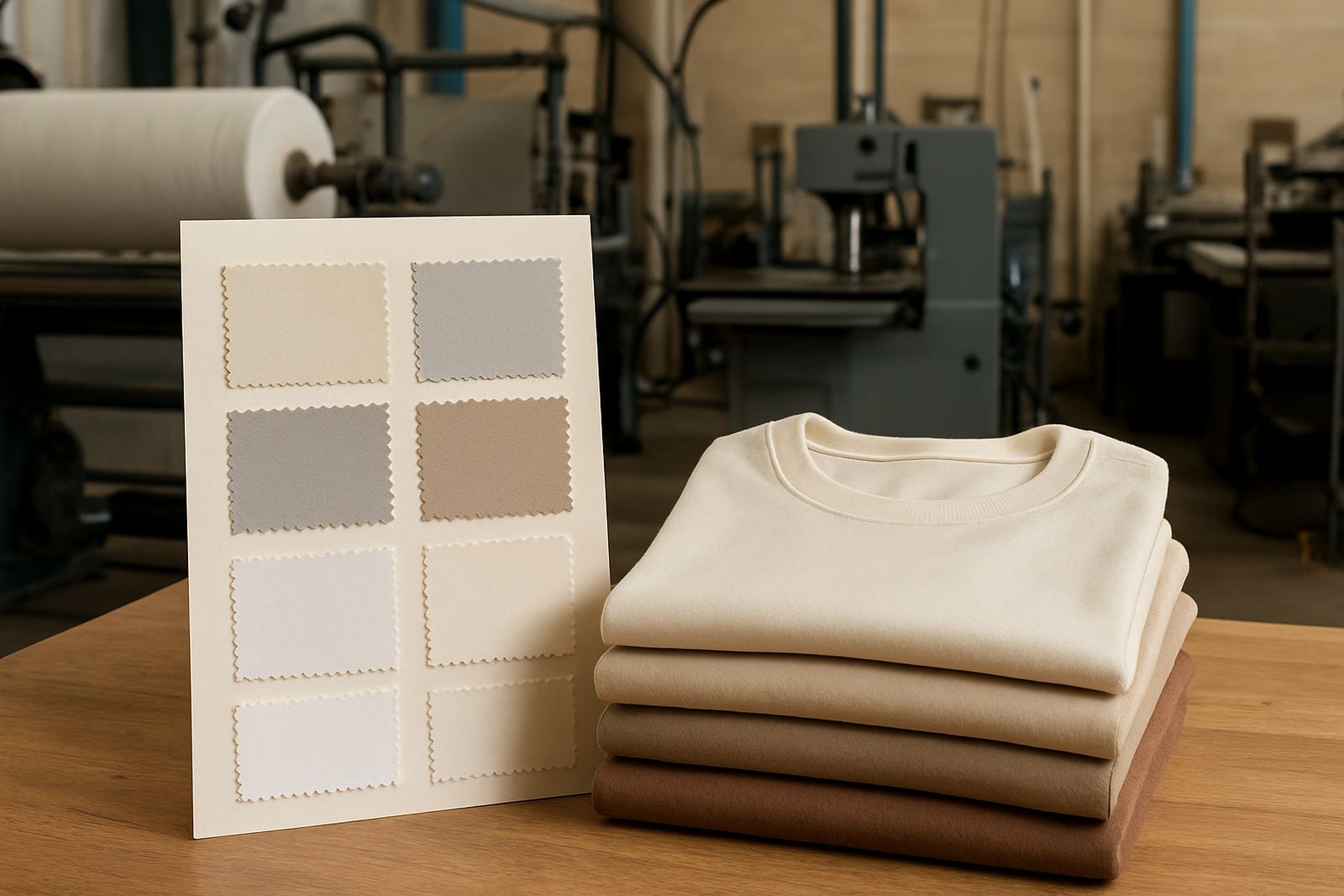
If you are unsure, request a sample pack. It is easier to compare fabric in your hands than guess from a screen. A simple sample can save you from a costly error, especially when you are buying for a launch, market day or monthly restock.
Why GSM Matters For Sublimation Printing
Sublimation works best on polyester surfaces designed for clean ink transfer. GSM affects how the garment feels after printing and how the print sits on the fabric. Too light and the item may feel thin for some customers, too heavy and it may be warmer than needed. The aim is a clear print on a garment that still wears comfortably.
Colour brightness also depends on fabric quality, not only weight. A well-made polyester blank with the right GSM can give strong colour and good hand feel at the same time. That is why quality control matters. If you are buying for a promotional company in Phoenix or an online store in Hillcrest, consistency across the order is just as important as the number on the spec sheet.
When stock is mixed or inconsistent, print results can vary. That leads to more returns, more questions and more time spent sorting out issues that should have been avoided from the start.
Choosing The Right Weight For South African Conditions
South African buyers often need garments that cope with heat, load-shedding, transport delays and varied climate conditions. In Durban and the surrounding areas, lightweight to midweight garments often move well for summer promotions and everyday wear. For winter orders, especially hoodies and layered items, customers usually expect a fuller feel.
Think about local use too. A market seller in Amanzimtoti may want lighter stock that is comfortable in the humidity, while a sports club in Hillcrest may want something a bit heavier for cooler mornings. If your customers are resellers, the feel of the fabric can be a selling point, not just a technical detail.
Practical planning helps here. Keep notes on what sold best last season, which sizes moved fastest and which weights got the fewest complaints. Over time, that record becomes more useful than guessing. And if a product feels right in your hands, it is usuallly easier to sell.
When To Ask For Advice Or A Sample
If you are ordering for a new range, a trade client or a large event, it is wise to ask for guidance before you commit. Different garments suit different end uses, and a little planning can help you avoid dead stock. A sample pack also helps you compare hand feel, thickness and fit across options.
Use this final check before ordering:
- Who is the garment for, and how often will it be worn?
- Will the item be sold, gifted or used internally?
- Does the weight suit the season and location?
- Do you need a lighter feel or more structure?
- Have you tested one piece before placing a bulk order?
For orders in Pinetown, Westville, Umhlanga, Phoenix and beyond, the right GSM choice can make a real difference to comfort and repeat sales. A good blank should support the print and the person wearing it.