
Why polyester is used for sublimation blanks
Sublimation printing works best on polyester because the ink bonds with the fibres rather than sitting on top of the fabric. That means the print becomes part of the garment, which helps with wash durability and colour clarity. For t-shirts, hoodies and accessories, polyester gives a cleaner result than cotton when the artwork needs strong colour and fine detail.
In Durban and other coastal areas, the fabric choice also matters because humidity can affect storage and handling. Polyester is less likely to absorb moisture in the same way as natural fibres, so it is often easier to keep in workable condition if stock is stored properly. Keep packs sealed, off the floor, and away from open windows in hot, damp rooms.
How to read fabric content and weight
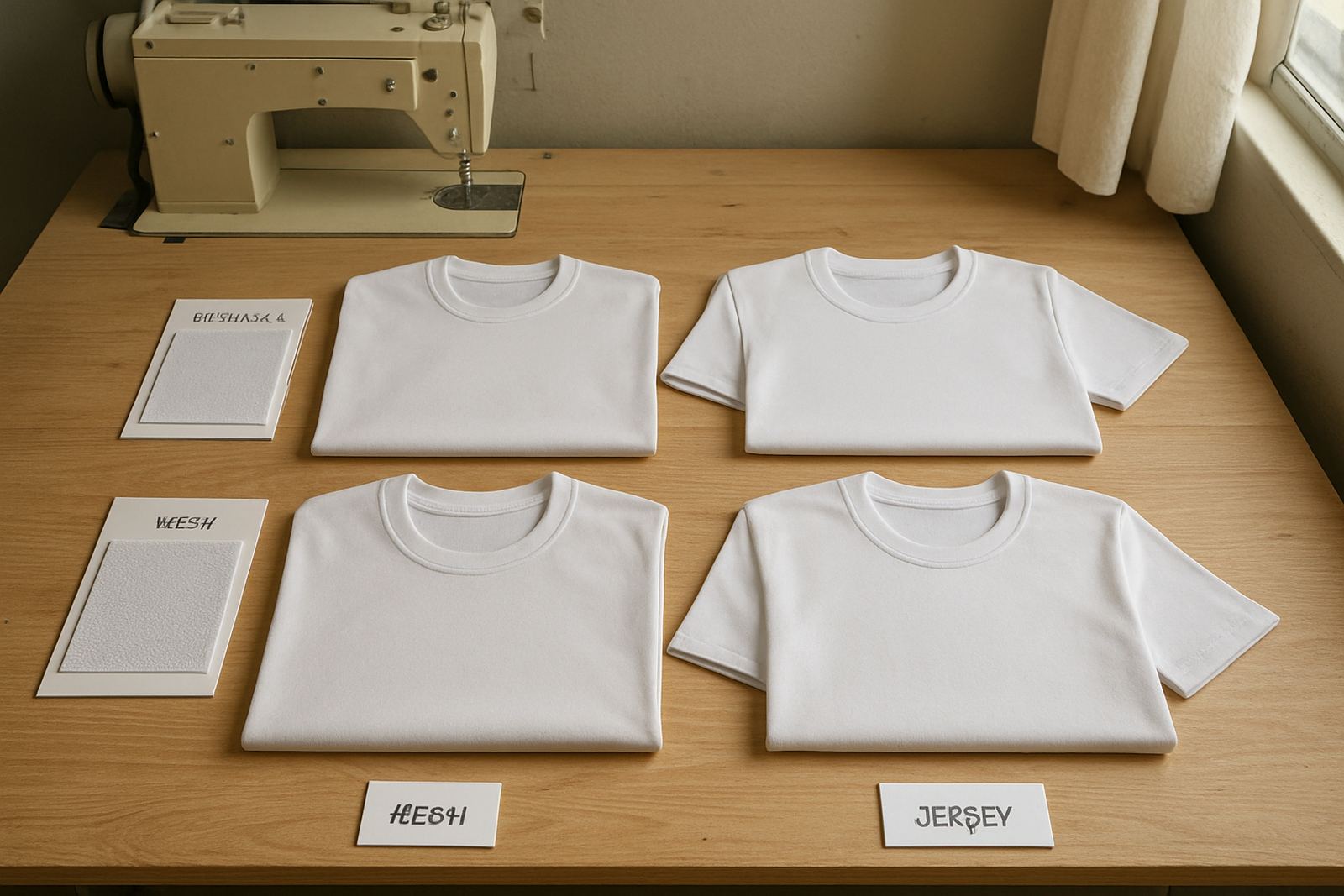
When checking a blank, start with the composition label. For sublimation, the higher the polyester content, the better the transfer usually is. A 100 percent polyester garment is the simplest choice for strong colour, while blends need careful checking before printing.
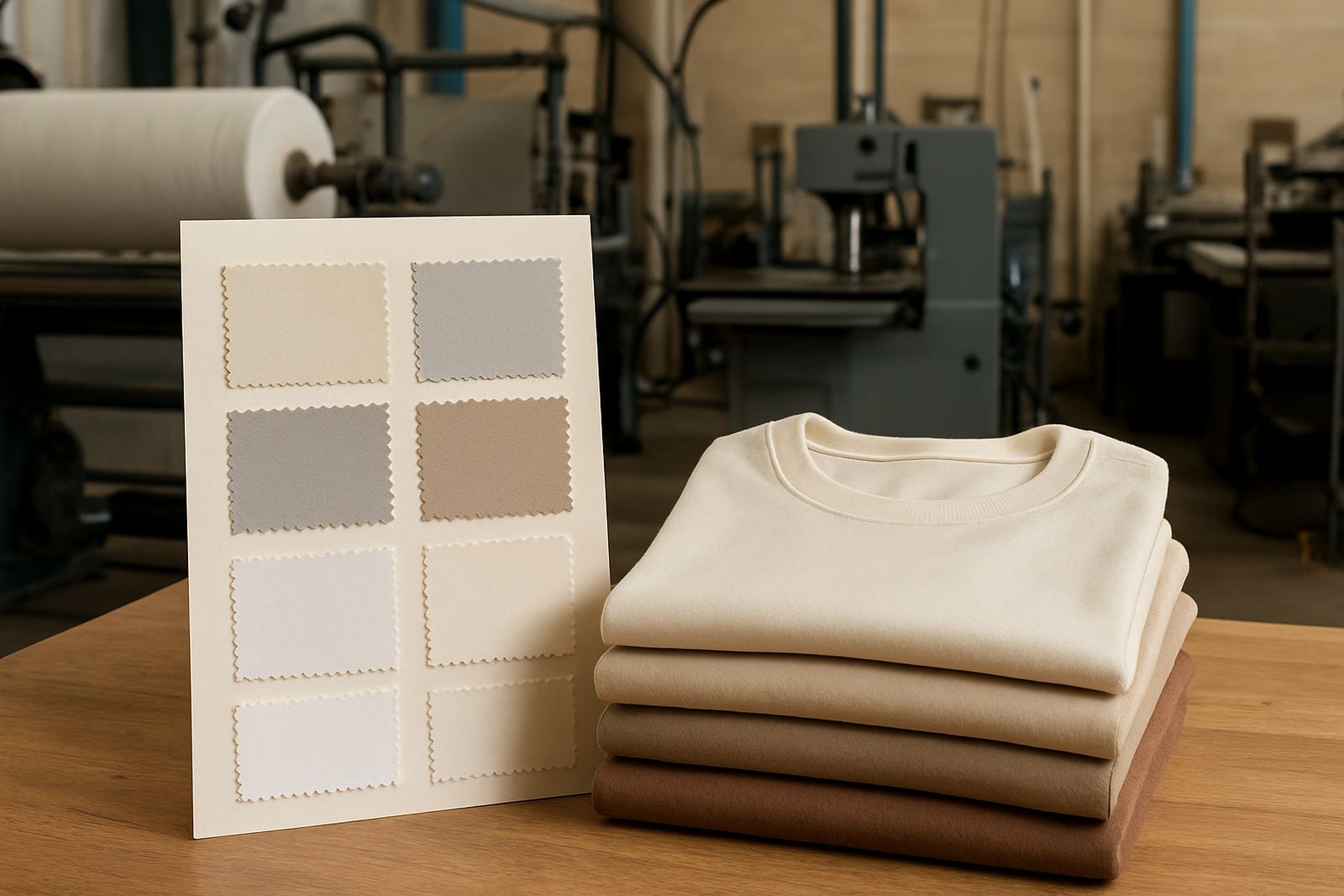
Fabric weight is just as important. Lighter garments can feel cooler for promotions and event wear, while heavier items suit winter orders and workwear. A garment that is too thin may show through, and one that is too heavy may not suit full colour graphics as well. If you are buying for a reseller pack or bulk run, ask for the weight in grams per square metre so you can compare like for like.
- Check the fibre content first
- Ask for fabric weight in gsm
- Confirm whether the finish is matte or slightly shiny
- Request a sample pack if the order will be repeated
Choosing the right blank for the job
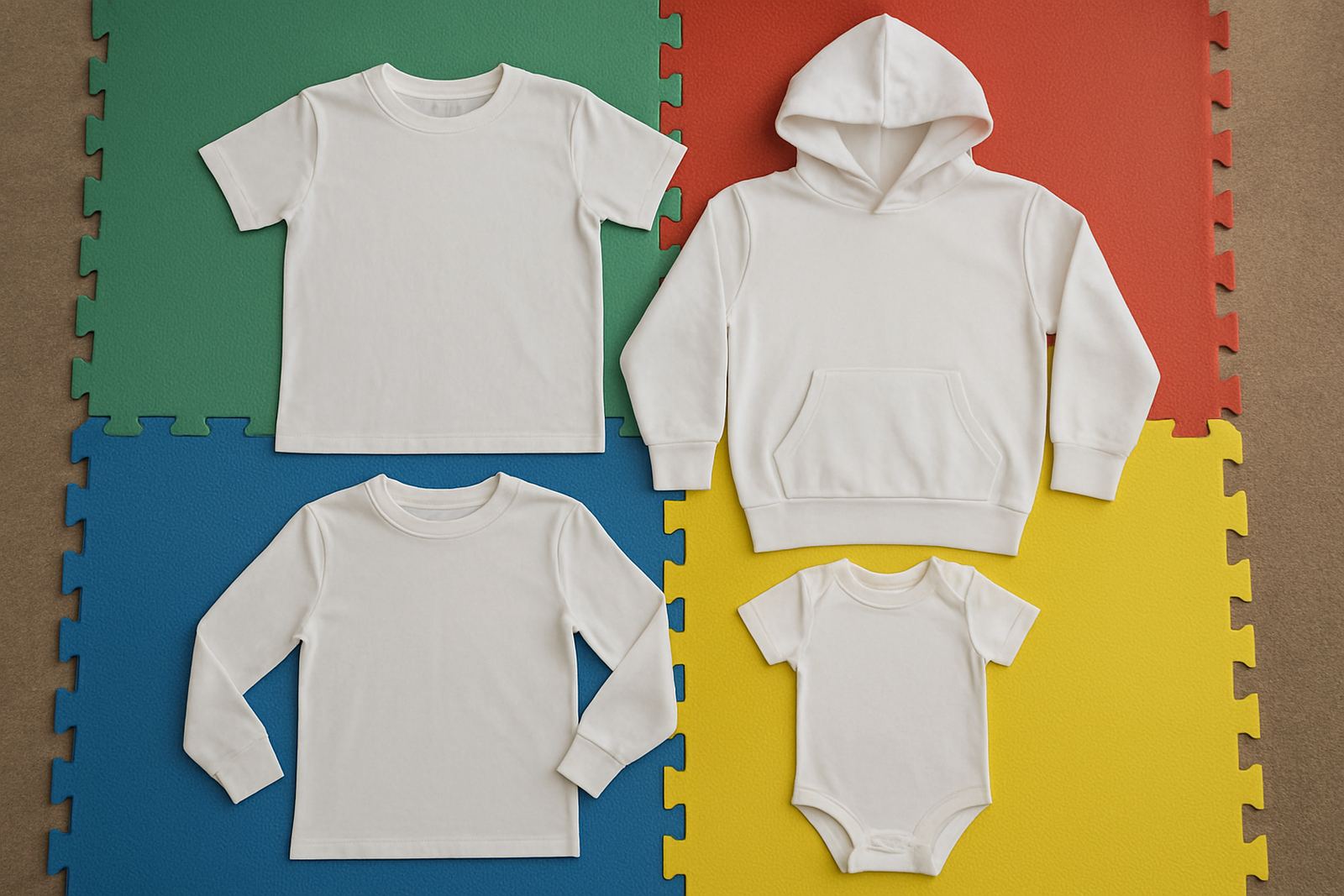
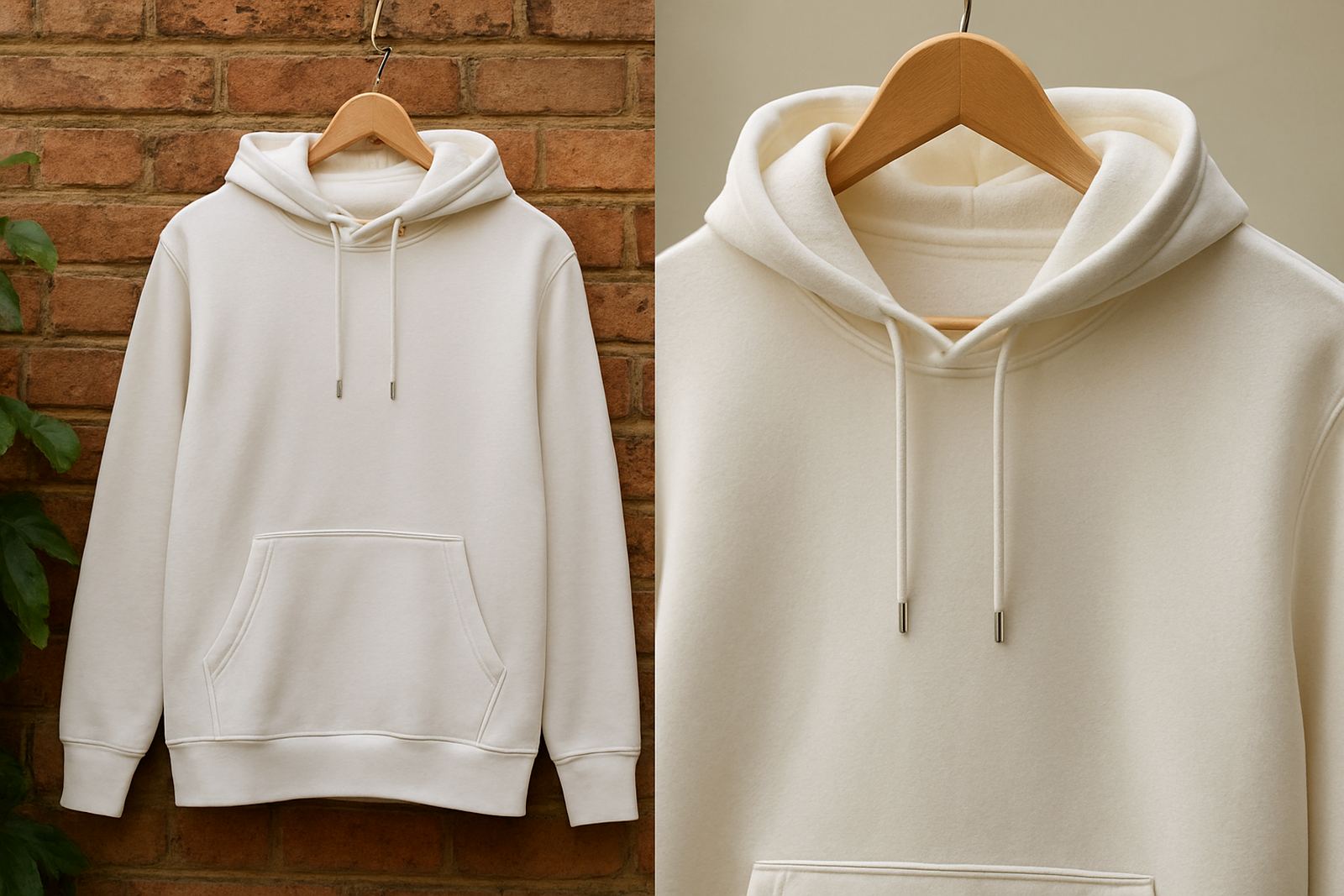
Different jobs call for different polyester basics. A clean everyday tee works well for clubs, schools and branded events. Hoodies are better for cooler months in inland areas, while lightweight accessories suit campaigns and promotional kits. Think about where the item will be worn, how often it will be washed, and whether the customer wants a soft feel or a more technical finish.
For crafters and small brands, size consistency is just as important as print quality. If you are ordering a range from small to 5XL, check that the fit is consistent across sizes and not only on the sample. For businesses that need repeat stock, make sure the blanks can be reordered with the same colour and cut. A little variation can cause problems with restocking, especially when clients want a steady look across multiple drops.
Before printing: the basic prep checklist
Good prep saves time and reduces rejects. Polyester blanks should be clean, flat and free from lint before pressing. Even when the fabric looks neat, a quick check helps spot loose threads, marks or uneven seams. In busy production runs, build a simple check into the packing stage so damaged units are caught before printing starts.
- Open the pack and inspect each item
- Check seams, neck labels and hems
- Make sure the size and colour match the order
- Store blanks flat or folded neatly to avoid creasing
- Keep transfer paper and garments away from moisture
If you are working in Pinetown, Westville or nearby areas, plan around load-shedding by batching prep work when power is available. For larger orders, keep a clear schedule for pressing, cooling and packing so the team can move steadily without mix ups.
Care tips that help prints last longer
Even the best print can be damaged by poor care. Polyester garments should be washed inside out where possible, with mild detergent and no harsh bleach. Avoid very hot washing unless the care label allows it, and do not iron directly on the printed area. These small steps help keep colour bright and the fabric looking presentable for longer.
For coastal deliveries to places like Umhlanga, Amanzimtoti and Durban south, remind customers to dry garments properly before storing them. Damp storage can lead to odours and can affect the look of packed stock. If garments are going into resale bundles, include a simple care card so end users know how to handle them. That is a small detail, but it saves complaints later.
Buying in bulk and planning stock
Bulk buying polyester basics works best when you plan for size demand, season and turnaround time. Summer orders often favour lighter tees and promo items, while winter stock leans towards hoodies and layered pieces. If you supply schools, clubs or corporate clients, use past order patterns to decide how much small, medium, large and extra large stock to hold.
At our Pinetown base, stock planning usually starts with the next dispatch schedule and the intended use of the blanks. That might be reseller restocks, sample packs, event order kitting or nationwide dispatch. A clear plan reduces overbuying and helps keep the right sizes on hand for urgent calls.
- Review past sales by size and style
- Allow extra stock for repeat orders
- Keep sample units aside for approval
- Track which colours move fastest
- Plan for courier cut-off times and weekend demand
Simple decision guide for first-time buyers
If you are new to sublimation blanks, start with one proven polyester style before adding more lines. Choose a basic tee or hoodie, test the feel, check the print result, then expand into accessories or mixed packs. This keeps mistakes small and gives you a clear standard for future orders. It also helps when you need to explain the product to your own customers.
A practical order usually includes the following: the fabric content, the gsm, the size run, the quantity per size, and the delivery area. If anything is unclear, ask before checkout rather than after dispatch. That way your stock arrives ready for pressing, packing or resale, and your team can keep moving without delays.