Start With the Measurement Method, Not the Label
Every size chart is only useful if you know what was measured. Some charts are based on a garment laid flat, while others use body measurements. Before you place an order, check whether the figures show chest width, body chest, garment length or sleeve length. A medium on one chart can fit very differently from a medium on another, so the number on the label should never be the only guide.
For apparel blanks, especially polyester t-shirts and hoodies used for sublimation, the finish of the fabric and the cut can also affect fit. A relaxed unisex cut may feel roomier than a fitted style, even when the size name is the same. If you are ordering for resale in Durban, Pinetown, Westville or further afield, keep one rule in mind: measure first, then compare. It saves time, returns and awkward explainations later.
How to Measure Garments Correctly
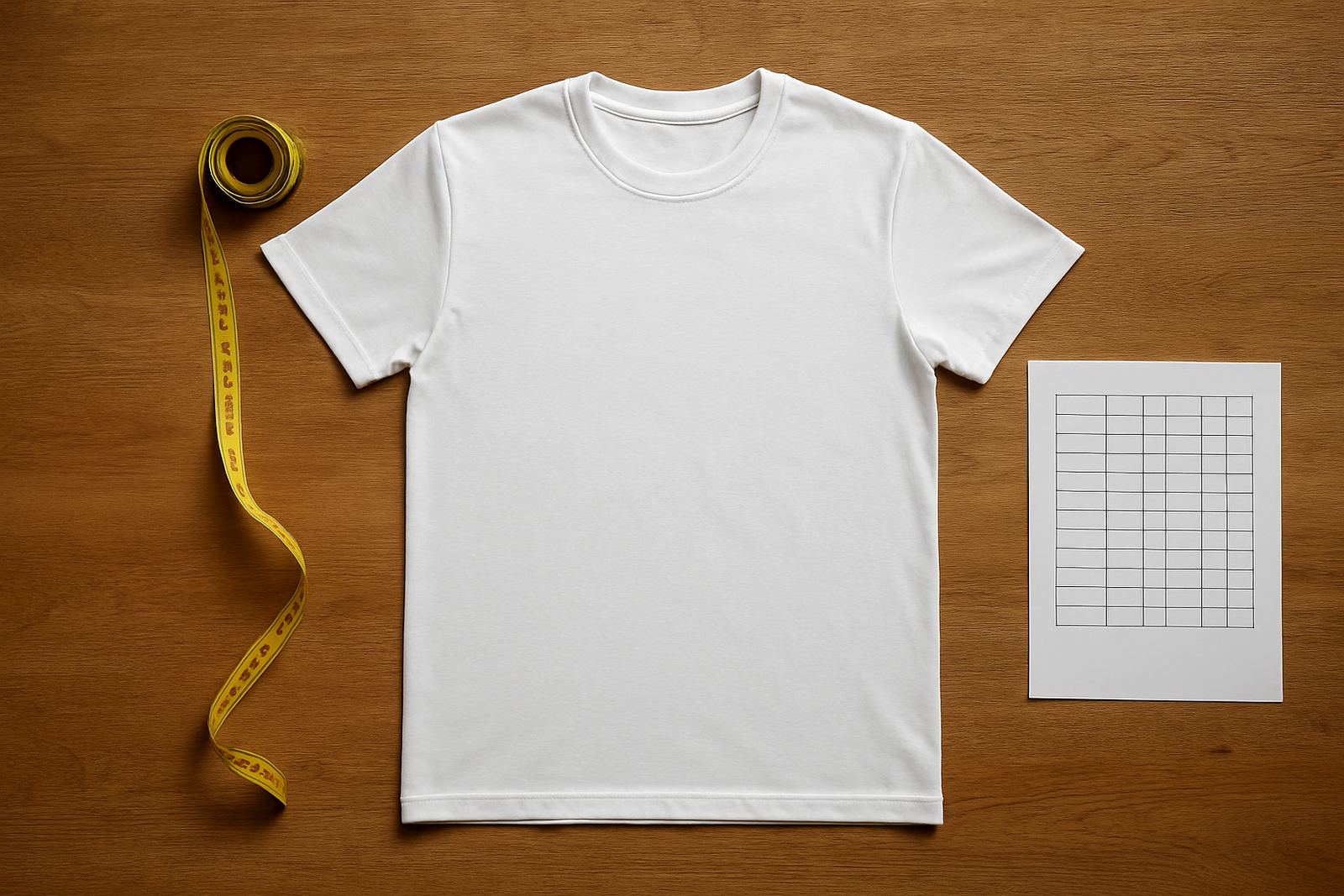
When you compare a chart to a sample garment, lay the item on a flat surface and smooth it out without stretching. Use a tape measure and take each measurement in the same place every time. A small difference of 1 to 2 cm is normal, especially on knitted or cut and sewn items.
- Measure chest width from underarm to underarm.
- Measure body length from the highest shoulder point to the hem.
- Measure sleeve length from the shoulder seam to the cuff.
- Check shoulder width if the chart provides it.
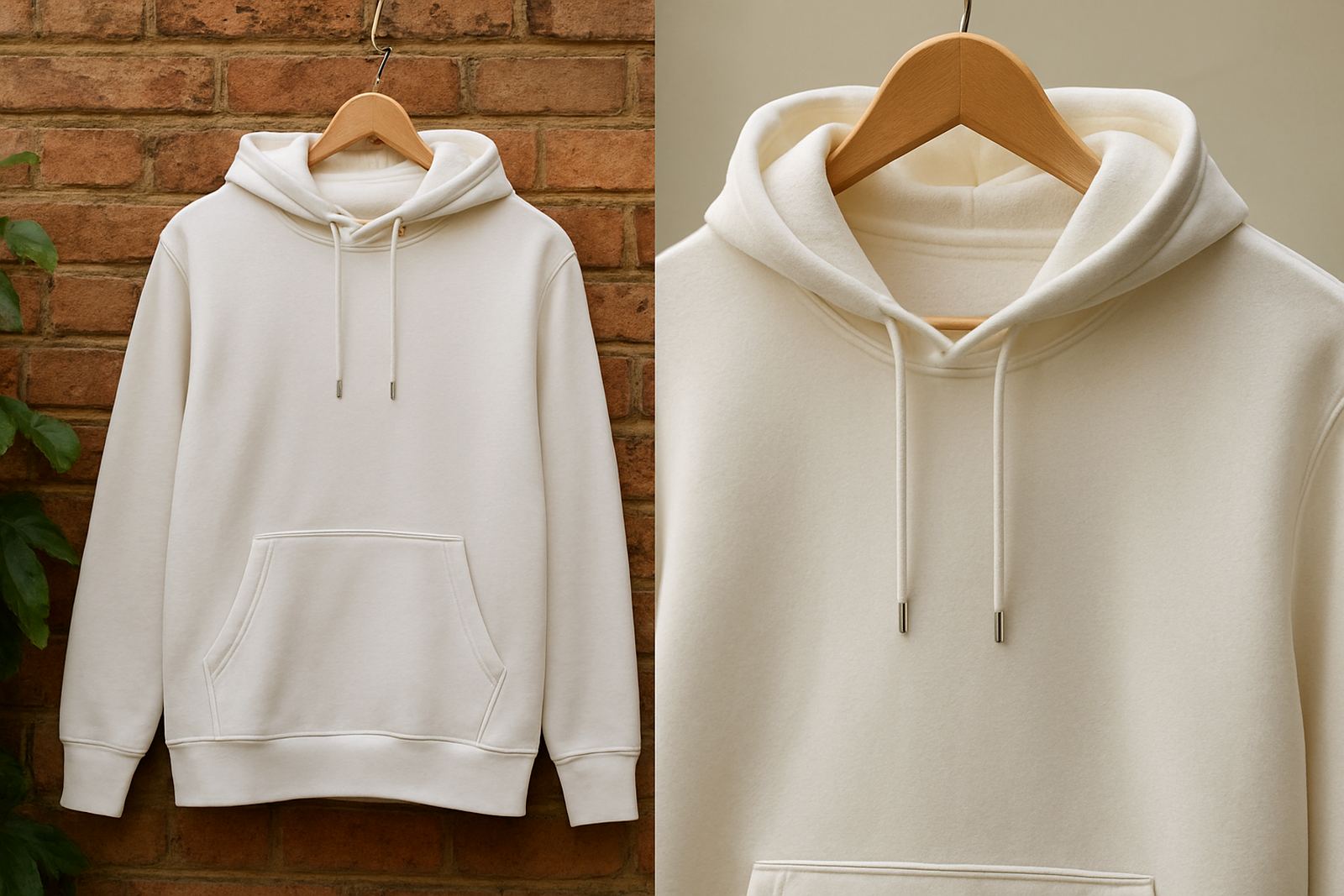
- For hoodies, confirm the hood and cuff finish as well as body length.
If you are measuring a blank for a sample pack or a customer approval piece, repeat the measurement once more before you record it. In busy season planning, that second check can prevent a wrong size from being carried through an entire run.
Read the Fit Notes Before You Break Down the Order
Size charts often include notes such as regular fit, loose fit, slim fit or unisex fit. These notes matter just as much as the measurements. A slim fit t-shirt may feel shorter and narrower through the body, while a loose fit style may suit event wear, school groups or staff uniforms better. For promotional work, clients often want a neater fit for front-facing branding, but for comfort and movement a slightly fuller cut can work better.
Before choosing your breakdown pack, ask who will wear the garments and how they will be used. A crew ordering for an outdoor event in summer may want a different fit to a clothing brand selling online. If the end user is unsure, go one size up for a more forgiving fit. This is especially helpful where sizes need to suit a mixed group, or where washing and drying habits vary between households.
Use a Simple Pre-Order Checklist
A good size chart check takes only a few minutes, but it must be done before payment and dispatch. Use a short checklist so your order is accurate the first time.
- Confirm whether the chart is garment measurement or body measurement.
- Check the size range available for the item you want.
- Match the chart to the same style, not a similar looking one.
- Confirm the colour and fabric weight if your job depends on print appearance.
- Ask whether size breakdown packs can be made to your mix.
- Allow for small measurement variation between batches.
If you are ordering for a reseller restock or a promo bundle, send your preferred size split early. That makes picking faster and reduces the chance of the wrong ratio being packed. For example, a run for offices in Umhlanga may need more medium and large, while a sports club order may need more small and extra large. There is no single correct split, only the one that suits your customer base.
Match the Chart to Real-World South African Use
South African buyers often order for mixed conditions. Inland heat, coastal humidity, air-conditioned offices and winter layering all change how people like their clothing to fit. A sublimation blank that feels ideal in summer may feel tight once it is worn over another layer in cooler months. That matters for hoodies, track tops and thicker polyester garments.
If you supply to schools, sports clubs, tour groups or community events, consider the wearer's age and the local climate. In places like Hillcrest or Amanzimtoti, people may prefer a slightly different fit depending on the season. Also remember that municipal and event rules sometimes require modesty or uniform consistency, so a chart that helps you standardise sizes is useful for compliance as well as comfort.
When to Order Samples, Packs and Rechecks
Do not rely on guesswork for a new style, new fabric or a new customer group. A sample pack or one-piece test order is the safest way to confirm sizing before you place a larger run. This is especially important when you are buying for a brand launch, staff uniforms or a seasonal promotion where returns can slow things down.
If you already know your market, use sample packs to compare two close sizes side by side. This helps when deciding whether the fit runs small, true to size or slightly generous. For repeat orders, keep your notes on the chart used, the final split and any customer feedback. Over time, those notes become a reliable size reference for future stock planning, and they help avoid repeat mistakes.
- Test one size from the middle of the range.
- Compare it to a garment you already know fits well.
- Record the chart version used for that order.
- Note any feedback from the wearer after washing.
- Use the same method for future restocks.
Keep Your Ordering Notes Organised
Good size control is part measurement and part record keeping. Keep a simple file for each customer or product line with the chart, size split, quantity and any special notes. Include collection scheduling, dispatch details and returns checking outcomes if they apply to your order. That makes it easier to repeat a good result and faster to fix a problem if one size sells better than expected.
For businesses working across Pinetown, Phoenix, Westville and nationwide, a clear record also helps when stock moves between teams. Sales, production and logistics can all work from the same information, which reduces confusion and supports cleaner packing. A tidy chart note takes less than a minute to store, but it can save hours later.