
Start with the end use before you choose a blank
Before you place an order, decide where the printed item will be used, how often it will be washed, and whether it is for retail, gifting or event décor. A cushion cover for a lounge display needs a different fabric weight from a tea towel for kitchen use, and a table textile for a function must handle spills, folding and regular handling.
For sublimation printing, polyester content matters most. Higher polyester content usually gives stronger colour and a cleaner finish, while blends can suit certain soft-touch applications but may show a softer print. In humid areas like Durban, Pinetown and the coast, stock that is packed and stored correctly also matters, because moisture can affect handling and finishing. A wrinkled blank costs time later, specially when you are working to a deadline.
- Check the polyester percentage.
- Confirm the size in metres or centimetres.
- Ask how the blanks are folded and packed.
- Plan for washing, ironing and repeat use.
Cushion blanks for décor that needs colour and shape
Cushion covers are one of the easiest home décor blanks to print because they are compact, popular and easy to style. They work well for family photos, seasonal ranges, event décor and retail gift sets. A good cushion blank should sit flat enough for printing, yet still feel soft enough for home use.
When comparing cushion blanks, look at seam strength, zip quality and whether the fabric is smooth enough for even transfer results. A square cushion of 40 cm x 40 cm is common, but some ranges also use 45 cm x 45 cm or lumbar shapes. For businesses selling décor sets, keeping one standard size can reduce confusion and speed up production.
- Choose a size that suits your filling stock.
- Check if the cover is removable for washing.
- Inspect the stitching around corners and zip areas.
- Confirm if the print area is full front or front and back.
Tea towel blanks that work for gifts, kitchens and promo runs
Tea towel blanks are practical because they are affordable, easy to store and quick to print in batches. They suit souvenir shops, kitchen décor ranges, promotional gifts and fundraising items. The print should be bright but the fabric still needs to absorb well enough for daily kitchen use.
For décor printing, tea towels are often used with patterns, recipe themes, town names and seasonal artwork. A neat edge finish is important here because buyers notice the hem straight away. If you are doing a bulk run, always check that the towels are cut evenly. Even a small difference in size can cause problems when packing gift packs.
- Measure the finished towel size before artwork is set.
- Test colour on a sample before approving the batch.
- Check hem width and corner finish.
- Pack by design, not just by count, to avoid mix-ups.
For resellers in Westville, Umhlanga and Phoenix, tea towels also move well in mixed homeware bundles. They are easy to add to existing ranges without taking up much shelf space.
Table textiles for functions, dining rooms and seasonal décor
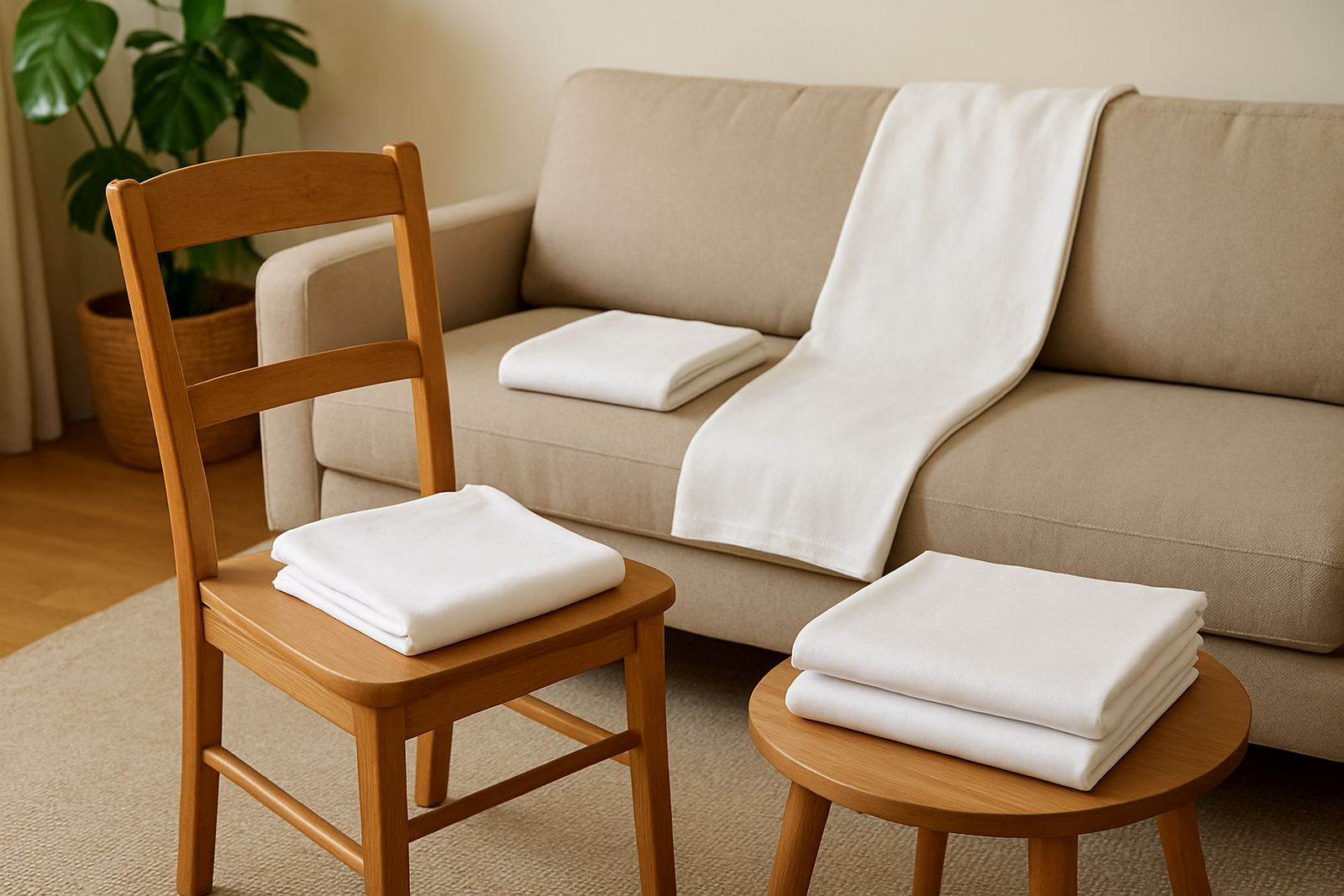
Table textile blanks cover runners, cloths and smaller table pieces used for dining, hospitality and event styling. These items need better drape and more careful sizing than many other blanks because they must sit neatly over the table. A good table textile should hang evenly, fold well and accept print without looking stretched at the edges.
For functions and promotional work, confirm the exact table size before ordering. A table runner that is too short or too narrow can spoil the finish of the display. In municipal venues and halls, clean presentation matters, and a well printed table cloth helps a brand or event stand out without extra decoration. It also helps when load-shedding forces last minute set-up, because a simple printed textile can do a lot of work on its own.
- Match the blank to the table length and overhang you need.
- Ask whether the fabric is suitable for repeated folding.
- Check if seams will land in the printed area.
- Keep spare stock for urgent event replacements.
A simple comparison checklist for choosing the right blank
If you are deciding between cushion, tea towel and table textile blanks, use the same checklist every time. That makes quoting easier and helps prevent returns. It also helps small brands and print shops avoid holding slow stock that does not suit their customer base.
Start by matching the product to the final use. Then compare fabric feel, print area, care requirements and selling price. Cushion covers usually offer the best value for home décor sets, tea towels work well for gift-led sales, and table textiles are strongest for functions and hospitality. There is no single best option, only the one that fits the job.
- Use case: home décor, kitchen, gifting or event use.
- Fabric: smoothness, weight and polyester content.
- Size: finished dimensions and print area.
- Care: washing, ironing and drying instructions.
- Pack size: single units, size breakdown packs or bulk order picking.
Bulk ordering, stock control and packing for South African sellers
When you order home textile blanks in bulk, planning matters as much as the product itself. A reseller selling nationwide needs size breakdown packs, steady restocks and proper picking so orders can move without delays. If you are supplying crafters or promotional companies, sample packs are useful before committing to a larger run. It saves time and lowers the risk of printing the wrong line for the wrong customer.
At our Pinetown base, we work with businesses across Durban and nationwide, from collections in the local area to dispatches heading inland or to the coast. Clear labelling, checked quantities and careful packing are important, especially when a customer is ordering mixed décor items for a campaign or season launch. Seasonal stock planning also helps you avoid shortfalls before holidays, events or retail peaks.
- Use sample packs before large print runs.
- Separate mixed orders by item type and size.
- Check returns quickly for print or stitching issues.
- Book dispatch early for time-sensitive jobs.
Final checks before print or resale
Once the blanks arrive, inspect them before they go to print or onto the shelf. Check the seams, fold lines, measurements and any visible marks. A small fault can affect a whole batch if it is not picked up early. Keep one approved sample from each item type so future reorders can be matched to the same standard.
For décor printing, the best results come from consistent stock, clear sizing and a supplier who understands both production and resale. Whether you are building a home range in Hillcrest or supplying promo bundles in Amanzimtoti, the right blank should save time, hold colour and present well. If the item looks good before printing, it usually behaves better after too.