
Start With the Fibre Content
For sublimation, the fabric content is the first thing to check. The safest choice is a high polyester blend, usually 100% polyester or a very high poly mix, because sublimation bonds with polyester fibres. If the fibre count is too low, the print can look flat, wash out faster, or come out with a dull cast that no one wants on a paid order.
When you are buying hoodies for schools, sports clubs, brands or promo work, ask for the exact composition by percentage. A hoodie labelled as polyester blend should not be left to guesswork. In Durban and the coastal belt, this matters even more because fabric can be affected by humidity during storage and handling. A clear spec sheet saves time and avoids returns.
- Check the fibre content on the pack or product sheet.
- Look for high polyester content for better transfer results.
- Avoid cotton rich blends if the hoodie needs full colour sublimation.
- Ask for consistency across the full batch, especially for bulk orders.
Choose the Right Surface for Sharp Prints
The surface of the hoodie changes how the final print looks. A smooth knit usually gives cleaner lines and more even colour than a rough fleece with a heavy texture. If the fabric has a soft brushed face, it can still work well, but the print may need tighter heat control and a cleaner press setup. For logos, wording and fine detail, smoother is better.
Also check whether the hoodie is light or dark in base colour. Sublimation works best on white or very pale garments. If you are supplying to a client in Pinetown, Westville or Hillcrest, make that point clear before the order is placed. A pale polyester hoodie gives you better colour accuracy, while darker garments often need a different decoration method altogether.
- Pick a smooth face for sharper artwork.
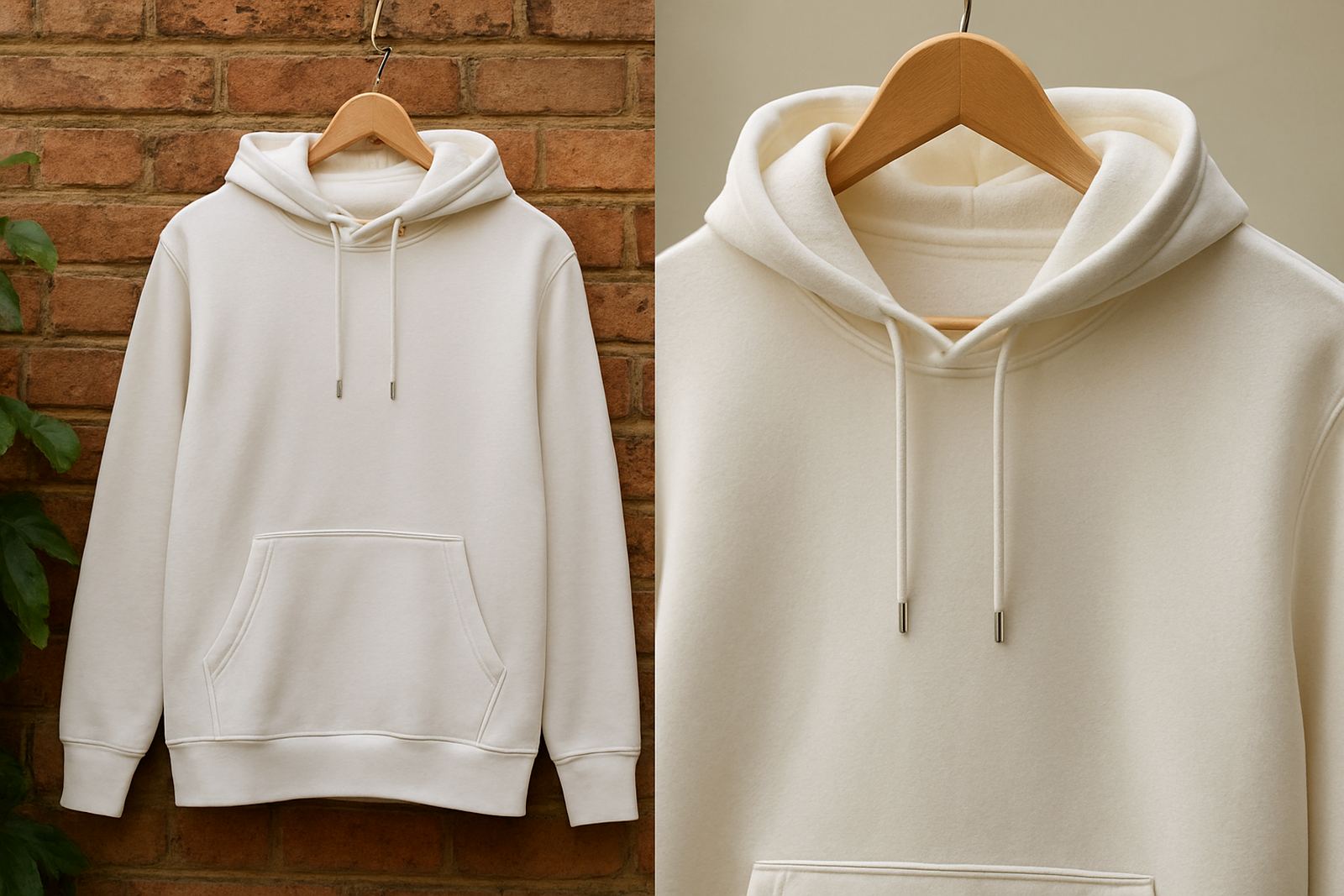
- Use white or very light colours for true sublimation results.
- Print one hoodie sample before booking a full polyester run.
- Hold the hoodie up to light to check for uneven weave or thin spots.
Check Weight, Warmth and Wearability
Hoodie weight affects how it feels, how it hangs and how comfortable it is in different parts of South Africa. A heavier hoodie can be ideal for winter in the Highveld or for evening events in Durban, but it may feel too warm for year-round promo use along the coast. Lighter hoodies are easier to wear at sport days, market stalls and corporate activations.
Think about the job before choosing the fabric weight. If the hoodies are for staff uniforms, a medium weight with decent shape retention is often the best middle ground. If they are for resale, your customer may want a softer hand feel and less bulk. It helps to hold a sample in hand and check whether the hood drapes properly, the cuffs spring back, and the hem sits straight after a few wears. Small details like that matter more than people think.
Look Closely at Finishes That Affect Printing
Finishes can help or hurt sublimation. A good hoodie should have a stable surface, neat stitching and trims that can handle heat without distortion. If the fabric has a coating, check whether it is suitable for sublimation and whether it was designed for consistent transfer. Cheap finishes may look fine on the rail but show press marks, uneven colour or slight shine after heat application.
Some finishes also affect the way the garment feels after pressing. For example, a very slick outer surface can sometimes give a crisp print but less comfort. A soft brushed finish can feel nicer in cold weather, but you need to watch for fibres lifting during transfer. We suggest checking the following before you commit:
- Seams that lie flat and do not twist after pressing.
- Rib cuffs and hems that return to shape.
- Hood lining and drawcord areas that will not scorch easily.
- Zip and pocket placement if the hoodie has extra construction details.
- Colour consistency between sizes in the same range.
Order Planning for Bulk and Repeat Work
If you are buying hoodies for resale, events or a repeat client, do not only think about one print sample. You need enough stock in matching sizes, with the same fabric run and the same finish. This is where size breakdown packs and careful kitting save time. It also helps when you are working with clients in Phoenix, Amanzimtoti or further inland, because replacements after launch can be difficult if the batch is inconsistent.
Before you place the order, work through this quick checklist:
- Confirm the size range and the number per size.
- Ask whether the batch is from one production lot.
- Check lead time for reorders, because stock can move quickly in peak season.
- Plan for sample packs if the client wants to feel the fabric first.
- Allow for a few extras if there are print spoilage risks or size swaps.
Good planning also helps when load-shedding disrupts production schedules. If you know what stock must be picked, packed and sent out first, the order can still move on time.
What to Ask Before You Buy
A good supplier should be able to answer direct questions without any confusion. If they cannot tell you the fibre content, fabric weight, finish or care instructions, that is a warning sign. The right hoodie fabric guide is not about fancy wording. It is about giving you enough facts to place the order with confidence and avoid expensive mistakes.
Use these questions when you enquire:
- What is the exact polyester content?
- Is the fabric suitable for sublimation printing?
- What weight is the hoodie, in gsm if available?
- Does the finish stay stable under heat pressing?
- Are sample packs available before bulk buying?
- Can the order be split by size and packed for resale or events?
If you are shipping nationwide, ask about dispatch cut-off times and collection options too. In South Africa, a clear pack list and proper labelling can save a lot of trouble once the goods leave Pinetown.
Care, Storage and Finish After Printing
Once the hoodie is printed, the fabric still needs proper care. Tell your customers to wash cold, avoid harsh bleach and keep tumble drying to a minimum if they want the print to last. Even the best sublimation result can be let down by rough handling after purchase. For resellers and promo companies, it is worth including simple care notes with every order.
Storage matters too, especially near the coast where moisture and heat can affect packed stock. Keep hoodies off the floor, away from direct sun and in a dry storeroom. If you are running returns checking or seasonal stock planning, make sure any folded garments are inspected for marks, snagging or damp smell before they are sent back into circulation. A little control at this stage protects the full order.
For best results, store like sizes together, keep printed and unprinted stock separate, and rotate older batches before newer ones. That kind of discipline helps keep stock accurate, clean and easier to issue.