
Start with the fibre content before anything else
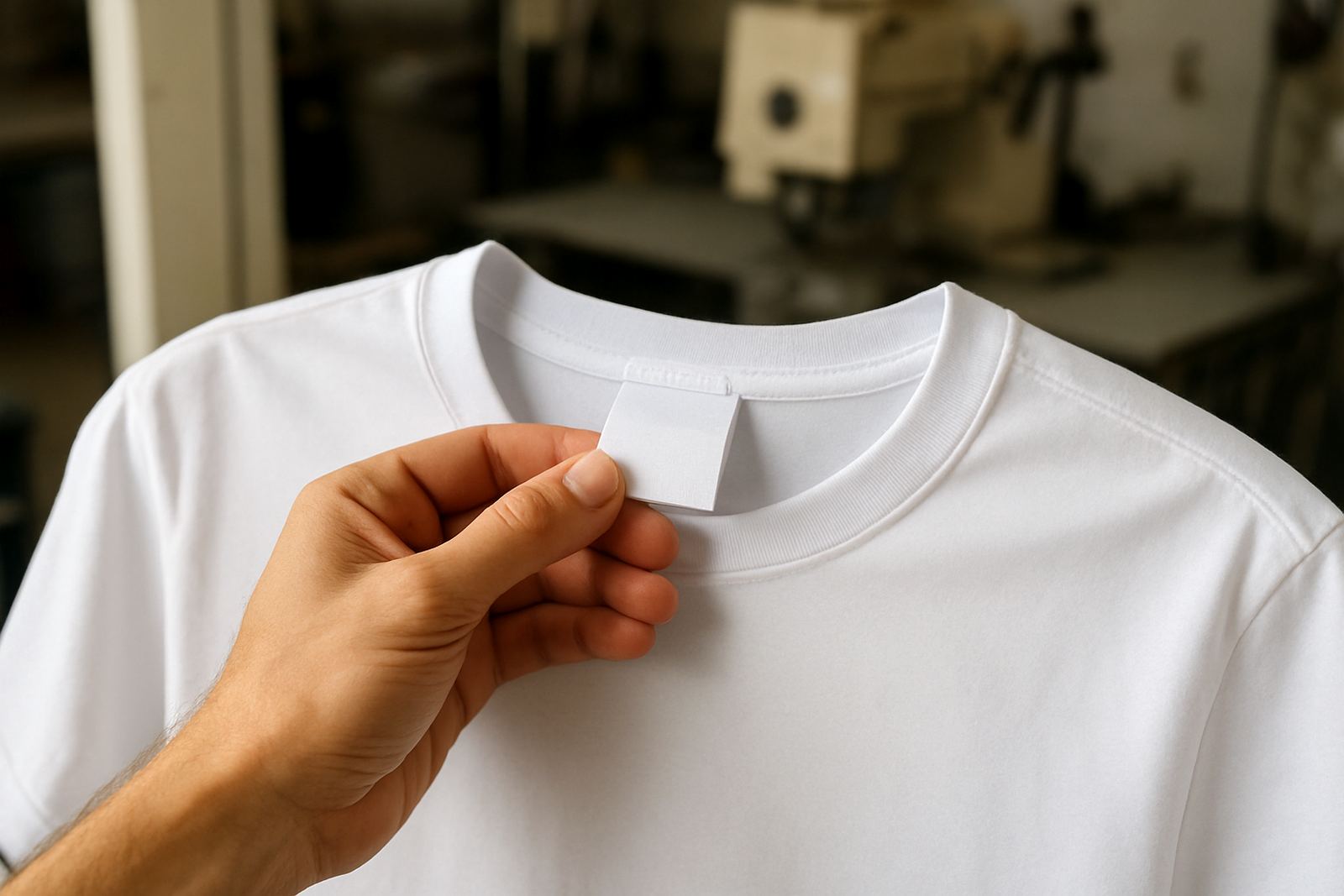
The first thing to read on a care label is the fibre content. For sublimation work, polyester content matters most because it affects colour release, print sharpness and how the garment holds up after washing. A blend can still work, but the higher the polyester content, the better the print result is likely to be.
Check whether the garment is 100% polyester, a polyester blend, or a mixed fabric with cotton. If you are buying for resale in Pinetown, Durban or sending stock nationwide, this one detail helps you sort items into print-ready, sample-only or non-sublimation stock. It also helps when you are planning bulk order picking or size breakdown packs.
- Look for 100% polyester where full sublimation is needed
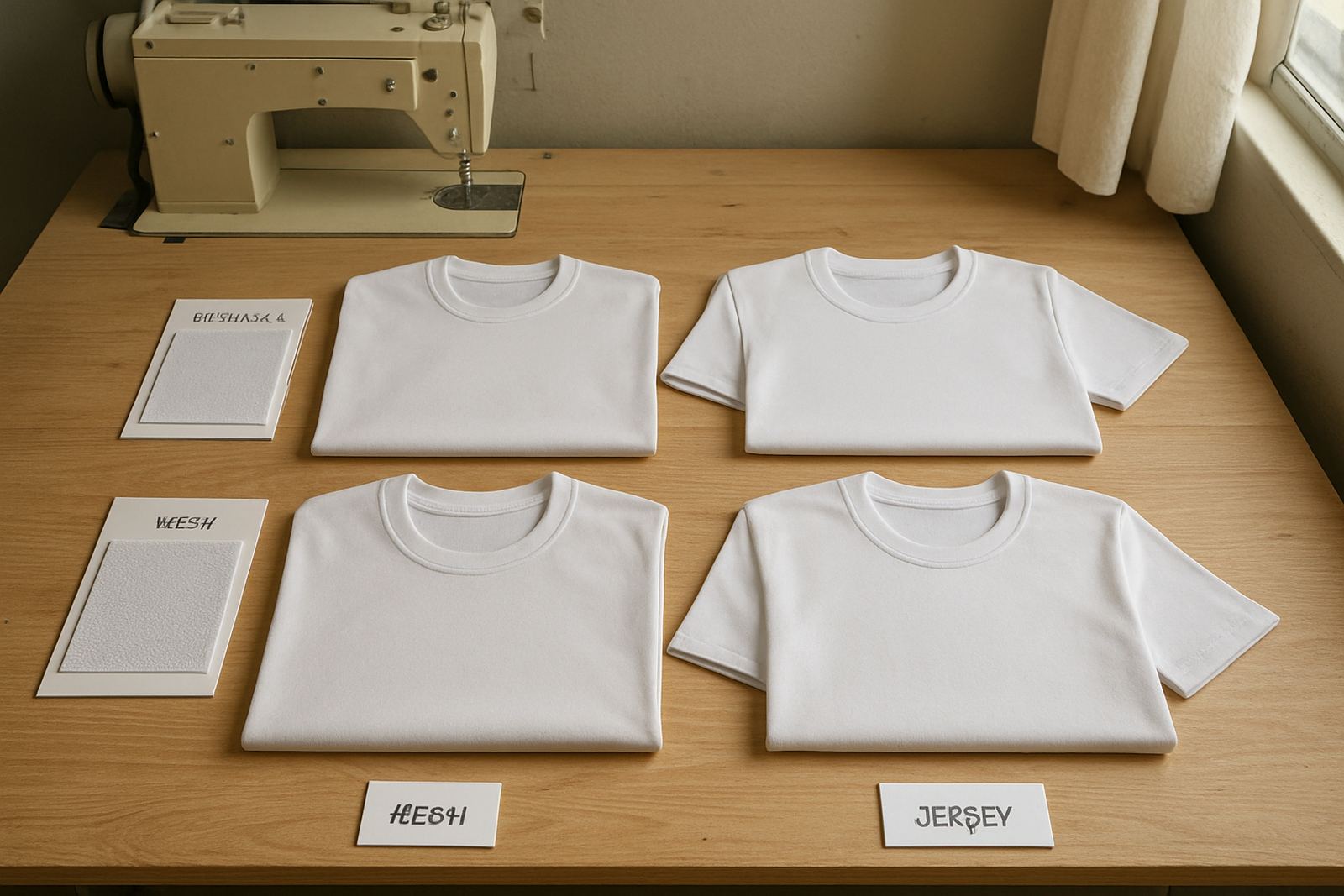
- Check for brushed, fleece or textured finishes that may affect transfer quality
- Separate blends from pure polyester before production starts
- Keep a note of fibre content on cartons or bags for faster stock control
Read washing symbols that affect print life
Care symbols are not just for the end user. They tell you how much heat, agitation and drying the fabric should handle. If a label says gentle wash, low tumble dry or no ironing, that is a sign to treat the garment carefully during production and after sale.
When a customer in Umhlanga or Amanzimtoti buys a blank hoodie for branding, they want the print to last through regular wear, coastal humidity and repeated washing. If the label instructions are harsh or unclear, be cautious. The wrong wash cycle can cause shrinkage, fading or damage to labels and trims.
- Check washing temperature, usually 30°C or 40°C on apparel blanks
- Look for tumble-dry guidance if you are selling to busy households or events teams
- Note any no-iron symbols so you can brief resellers properly
- Watch for special care instructions on zips, ribbing and accessories
Inspect heat tolerance before printing or pressing
If you press labels, transfers or sublimation prints, the garment must tolerate heat without distortion. Even when the care label looks fine, the fabric can react badly if it is too light, too stretchy or finished with sensitive trims. This is where a sample pack helps, especially if you are testing a new hoodie or tee style.
Use the care label to guide your press settings and cooling routine. If a blank is meant for sublimation, it should hold shape under normal production heat. If it curls, shines or shrinks too much, move it to a separate test pile and check it before running a full batch. A rushed press can waste stock and cost time, especially during load-shedding windows.
Keep a simple production checklist for each new item:
- Fabric content confirmed
- Care label present and legible
- Heat tolerance tested on one sample
- Colour and size checked after pressing
- Packaging checked before dispatch
Check label placement before storing stock
Where the care label is placed matters almost as much as what it says. A label sewn into a side seam or neck area should not cause discomfort, show through thin fabric or interfere with branding. If you are reselling to crafters and small brands, practical comfort can make a big difference to repeat orders.
Before you store stock in your Pinetown warehouse or send cartons to Westville, Hillcrest or Phoenix, check that labels are secure and easy to read. Loose labels, missing size markers or faded print can create sorting errors later. It is better to catch that before the cartons go onto the shelf.
- Make sure labels are stitched firmly, not hanging loose
- Check that size info matches the packing list
- Confirm labels are readable in low light storage areas
- Separate damaged or incomplete items for returns checking
Use the care label to plan resale and customer handover
When you are supplying promo teams, resellers or event organisers, the care label becomes part of the handover. A clear label helps the next person wash, store and wear the item properly. That reduces complaints and makes your stock easier to move.
It also helps when you are assembling seasonal stock or promo bundles. If a garment needs cooler washing or no high heat drying, include that in the packing note. A simple line on the invoice or bundle sheet can prevent avoidable damage later. That sort of practical detail matters when orders are going out nationwide and collection schedules are tight.
For each order, ask these questions before dispatch:
- Does the label match the item and size packed?
- Is the fabric suitable for the intended print method?
- Have care notes been added for the customer or reseller?
- Are there enough extras for sample pack assembly or top-up orders?
Quick label check before you print, store or resell
Use this final check before stock leaves the floor. It takes a minute and can save a full batch from problems later. If your team in Durban, Pinetown or anywhere else is handling high volumes, a simple routine keeps standards consistent.
Final care label check: fibre content, wash temperature, drying note, ironing note, label condition, size match and heat tolerance. If any one of those is missing or unclear, pause and verify it before printing or resale. That small habit helps protect both the stock and your name.
For blanks that will be printed, packed or redistributed, the care label should answer one basic question: will this item still look right after normal use? If the answer is yes, it is ready to move. If not, set it aside and test it properly first. Better to spend five minutes now than sort out a complaint later.