Choose the Right Headwear Blank for the Job
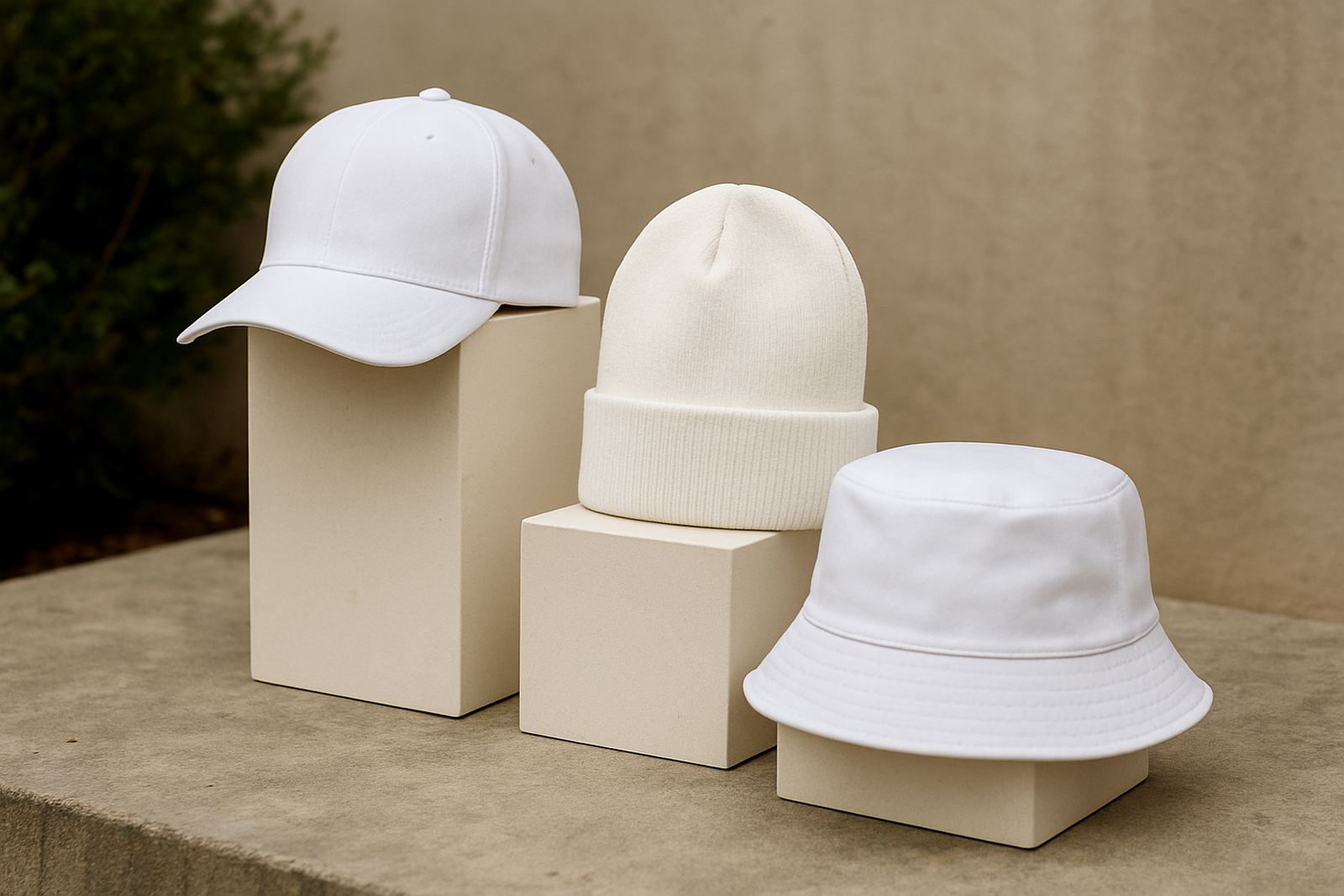
Start with the end use. A golf cap or structured cap is usually best for retail and company giveaways, while beanies work well for winter promotions, sports clubs and colder inland towns. Bucket hats are popular for events, youth campaigns and outdoor use because they give more all-round shade and have a relaxed fit.
For sublimation, polyester content matters. The higher the polyester content, the better the print hold and colour detail. Cotton-rich caps and wool blends can be used for other decoration methods, but they are not the first choice when the goal is bright, long-lasting sublimation results.
If you are ordering for a client, think about where the item will be worn. Durban humidity, coastal air and heat can affect comfort, while inland teams may want warmer materials for winter packs. A good blank should suit the climate, the brand image and the intended budget.
Points to Confirm Before You Order Chef Bandanas
Before you commit to a bulk order, check the basics carefully. This saves time on returns and helps you match stock across different sizes and colours. A neat size breakdown also helps when you are supplying staff gifts or resale packs.
- Fabric content: confirm the polyester percentage for the print method.
- Panel style: structured caps, 5 panel or 6 panel, each give a different print area.
- Closure type: snapback, Velcro, elastic, or fitted.
- Colour consistency: order enough from the same batch where possible.
- Fit and depth: make sure the crown suits your target wearer.
- Seams and finish: check stitching, lining, and sweatband quality.
For promo work, small differences matter. A cap that sits too shallow can look fine on the shelf but feels wrong once worn. Beanies should stretch without going loose, and bucket hats need enough brim shape to keep their form in transit.
Sublimation Print Planning for Caps, Beanies and Bucket Hats
Sublimation works best on white or very light polyester blanks, so plan your artwork around that. Dark bases can change the final look and reduce clarity, especially on fine detail or pale backgrounds. If your brand has strict colours, ask for a sample pack before approving the full run.
Keep artwork bold and tidy. Thin lines, tiny text and crowded logos can blur on curved surfaces. Caps need special care around seams and front panels, while beanies and bucket hats may need artwork placed where the surface stays flat enough for clean transfer. That small step can save a lot of rework later.
Heat and timing should be consistent across batches. Even with the same blank, results can shift if pressing pressure or temperature changes. In summer, and especially in busy production rooms, it pays to keep your process controlled from the first sample to the final carton.
Order by Use Case: Retail, Events or Corporate Promo
The way you pack headwear should match how it will be sold or handed out. Retail customers often want a mixed range of colours and sizes. Corporate buyers usually prefer a clean, consistent look with the same finish across every piece. Event organisers need quick kitting and clear counts so distribution runs on time.
- Retail restocks: keep colour ranges simple and repeat fast sellers.
- Event packs: separate by size, team, or sponsor requirement.
- Corporate gifts: keep branding uniform and check artwork approval early.
- Seasonal stock: plan beanies ahead of winter, not after the first cold spell.
For national supply, think about lead times and transport. Orders going to Gauteng, the Cape or smaller towns should be packed with enough protection to handle courier movement. A crushed cap or flattened brim creates avoidable admin, and nobody wants that on a tight promo deadline.
Packing, Labelling and Returns Checks That Save Time
Good packing is part of the product. Headwear can lose shape quickly if it is over-compressed, especially bucket hats and structured caps. Separate cartons by type, colour and size so the warehouse can count faster and your customer can unpack without confusion.
At dispatch stage, check the order against the invoice and packing note. If you are doing reseller restocks or multi-site deliveries, clear labelling matters even more. One carton should not hold mixed lines unless the order was planned that way. It sounds basic, but a quick check now avoids back-and-forth later.
Returns should be checked against the same standard. Look for damaged stitching, marked fabric, missing items and wrong size splits. A clean returns process keeps stock control accurate and helps with future reorders, specialy when the same customer comes back every season.
A Simple Buying Checklist for South African Buyers
Whether you are in Pinetown, Westville, Umhlanga, Hillcrest, Phoenix or Amanzimtoti, the buying process should be straightforward. Use a short checklist and keep your team aligned before funds are released or artwork is approved. That is especially useful when you are ordering for a campaign with a fixed handout date.
- Confirm the product type: cap, beanie or bucket hat.
- Check the polyester content for sublimation suitability.
- Approve artwork size and placement.
- Ask for a sample pack if the order is new.
- Confirm size breakdowns and colour splits.
- Set your dispatch date and courier destination upfront.
If you are not sure which blank to choose, start with the print method and the final use. The right headwear blank is the one that fits the budget, holds the print well and arrives ready for the customer to wear straight away.