

Why repeat buyers want fewer surprises in the box
For a reseller, the first sale is only half the job. The next sale depends on whether the blanks arrived looking the same as last time, fitting the same way, and holding up after print and wash. That is why repeat buyers tend to look beyond price alone. They want consistency in fabric weight, sizing, colour tone and pack counts, because every small variation turns into extra admin, returns, or a complaint from a customer in Durban, Bloemfontein, or George.
In practice, that means a reseller will often test a sample pack before placing a bigger order. They check how the garment handles heat, whether seams sit straight after pressing, and whether the sizes make sense across a range. A small brand selling online cannot afford to explain why one medium is suddenly cut smaller than the last batch. When stock stays consistent, the reseller can sell with more confidence and deal with fewer after-hours complaints about fit or finish.
- Consistent sizing across repeats
- Fabric that prints cleanly with vivid colour
- Plain stock that is easy to store, count, and dispatch
- Packaging that protects garments in transit
The traits resellers ask for most often
When a reseller phones in from Pinetown, Phoenix, or Hillcrest, the same needs come up again and again. They want garments that suit sublimation work, orders that can be split by size, and packing that saves time once the courier is booked. The stock must be practical for both small custom runs and larger promo jobs. A t-shirt for a craft seller, for example, may need to move in twos and threes. A promotional company may need 300 units packed by size, with no mixed cartons and no missing pieces.
Good blanks are usually judged on a short list of practical details. Fabric blend matters because it affects print results. Cut matters because it affects comfort and repeat buying. And availability matters because a reseller cannot promise delivery in five days if the supplier only restocks every few weeks. In coastal areas like Durban and Amanzimtoti, buyers also watch how stock stores in warm, humid conditions. If the garment keeps its shape in storage and arrives ready to work with, that saves time on the bench and at the press.
- Polyester content suitable for sublimation printing
- Reliable size runs from smaller youth sizes to adult sizes
- Colour options that stay true from one batch to the next
- Bulk order picking and size breakdown packs
- Fast dispatch for nationwide delivery and collection scheduling
How the right blank helps a reseller make margin
Margin is not only about the buying price, it is about the full cost of doing the job. If a blank garment prints badly, creases badly, or needs sorting by hand, the reseller loses time. That time has value. The same is true when a supplier sends mixed sizes or does not label cartons properly. A few minutes lost on each order soon becomes a full day when the season gets busy.
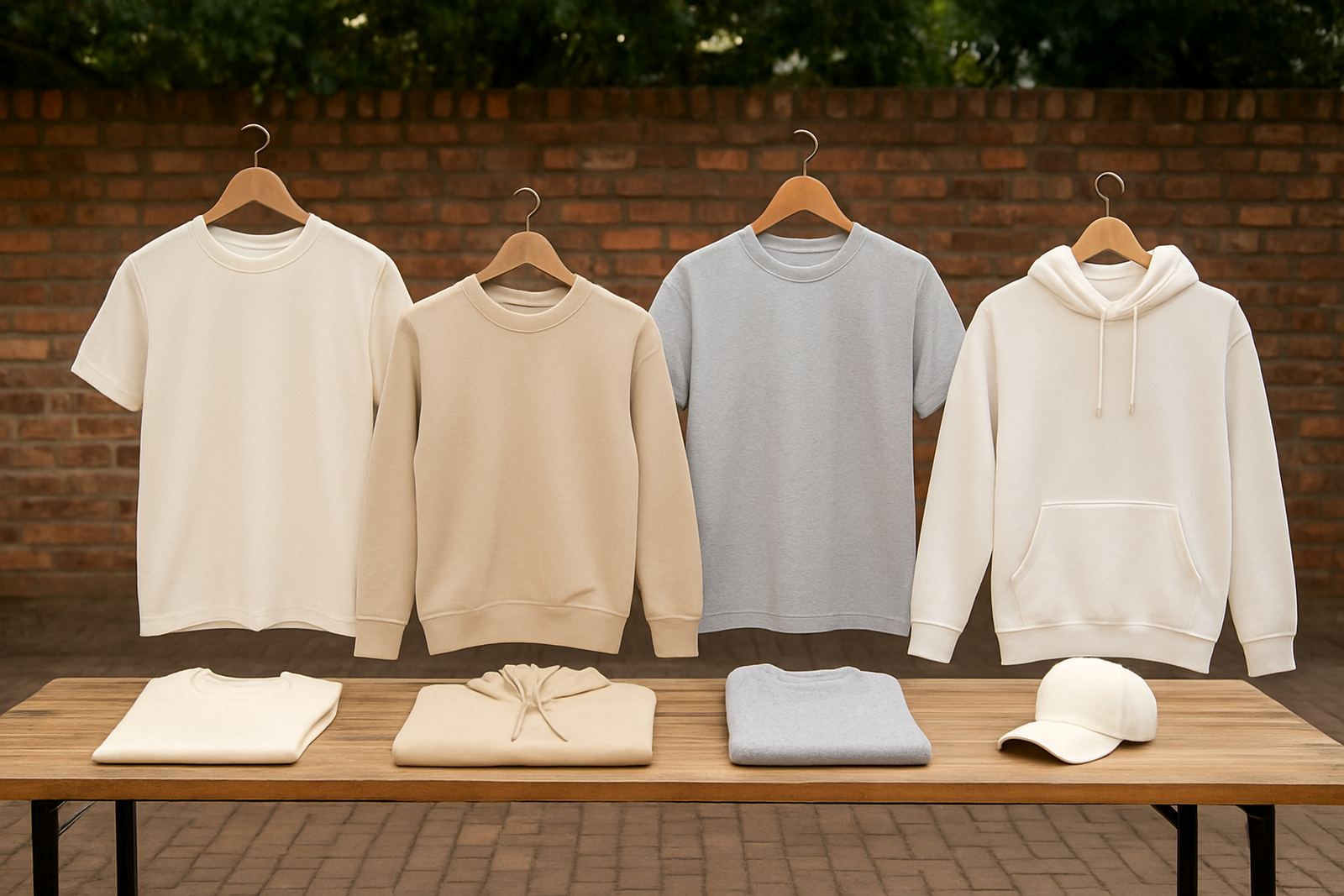
Resellers also need stock that works across more than one customer type. A school fundraiser may want event order kitting. A small brand may want sample pack assembly. A corporate client may need promo bundle supply with caps, tees, and bags matched in one shipment. When the supplier can handle these jobs in Pinetown and dispatch nationwide, the reseller spends less time reworking stock and more time selling. It also helps when returns checking is handled properly, because damaged or incorrect items should be accounted for quickly, not left sitting in a corner for weeks.
Seasonal stock planning matters too. Winter hoodies move differently from summer tees, and year-end promo runs can fill up fast. Resellers who plan ahead usually keep a better grip on cash flow. They do not have money stuck in slow lines, and they do not miss out on orders because a popular size ran out on the morning a quote was accepted.
A Durban example: what happens when the pack is ready to go
Take a small reseller in Westville supplying a local dance studio and a school event in Umhlanga. The first order may be only 40 shirts, but the next one could be 120 hoodies for a team trip. If the blanks arrive in size breakdown packs, the reseller can sort the order quickly, label each carton and hand the job over to print without delay. That matters when load-shedding has already cut into production time and the delivery window is tight.
Now add a simple local reality. Durban humidity can make storage tricky, especially if cartons sit too long in a garage or back room. Stock that is cleanly packed, checked, and ready for dispatch is easier to manage when the weather turns sticky. It is also easier for resellers in places like Phoenix or Amanzimtoti who rely on scheduled collections and need predictable turnaround. A supplier that can pick, pack, and send the right sizes first time helps the reseller look organised, even on busy weeks.
- Use sample packs to confirm fit before listing sizes for sale
- Keep best selling colours in deeper stock
- Separate school, promo, and retail orders before dispatch
- Check cartons on arrival so any issue is caught early
What to ask before you place a repeat order
Before a reseller places another order, it helps to ask a few plain questions. Is the fabric the same as the last batch? Are the size charts still current? Can the supplier split cartons by size or keep full packs intact if needed? These are not fancy questions, but they protect margin and save time. They also make it easier to plan around municipal delivery limits, courier cut-offs, and public holidays when stock movement slows.
Resellers should also ask about restock timing and whether the supplier can hold back items for a future run. A business that sells to schools, sports clubs, and small brands often needs steady replenishment, not just one-off cartons. If the supplier understands that rhythm, the reseller can build a cleaner product range and keep the same fit and finish available across repeat runs. That is what good blank apparel should do: make the resale side simpler, not harder.
At Sublimation Blanks Apparel in Pinetown, the focus is on practical supply for resellers, from sample pack assembly to nationwide dispatch. When the stock is right, the order moves faster, the prints look better, and the customer gets exactly what they expected. That is the standard most repeat buyers are after, and it is the one worth building on.