
Start with the order type before you split the sizes
A size curve for a repeat order is not the same as a first-time launch. If you are restocking a school event, sports club, or reseller line, use the last sales record as your base and adjust for season, area and garment type. A heavier hoodie run for May in Durban will not follow the same mix as summer tees going into Phoenix or Amanzimtoti.
For first launches, begin with a simple commercial split and test it in small batches. Most businesses do better when they avoid overbuying very small or very large sizes on day one. If the garment is for general retail, keep the middle sizes stronger and move the ends down. That keeps cash flow safer and reduces stranded stock.
At Sublimation Blanks Apparel, the practical approach is to think in terms of what will actually move out of the box. A size curve must support the channel, whether it is a craft seller, a promotional company, or a brand doing market stalls in Westville and Hillcrest.
Use local demand patterns to guide the mix
South African buying behaviour is often shaped by school calendars, workwear orders, sporting events and weather. In Durban, humidity makes lighter tees move well for longer in the year, while coastal wind and winter evenings bring more interest in hoodies. Inland resellers may want a slightly different curve because their customers buy heavier layers sooner.
When you are estimating sizes, ask a few direct questions. Who is wearing the item, where will it be worn, and is the order for a known group or open retail? A promo company supplying a fun run in Pinetown will usually need more medium and large sizes than a small brand selling fitted fashion tees. The more specific the use, the better the curve.
- Corporate giveaways often run heavier in medium and large.
- School and club orders usually need a balanced spread with a few extra smalls and larges.
- Retail fashion items may need more small and medium if the fit is slim.
- Utility and workwear pieces often move better in medium to XL.
Build from actual numbers, not gut feel
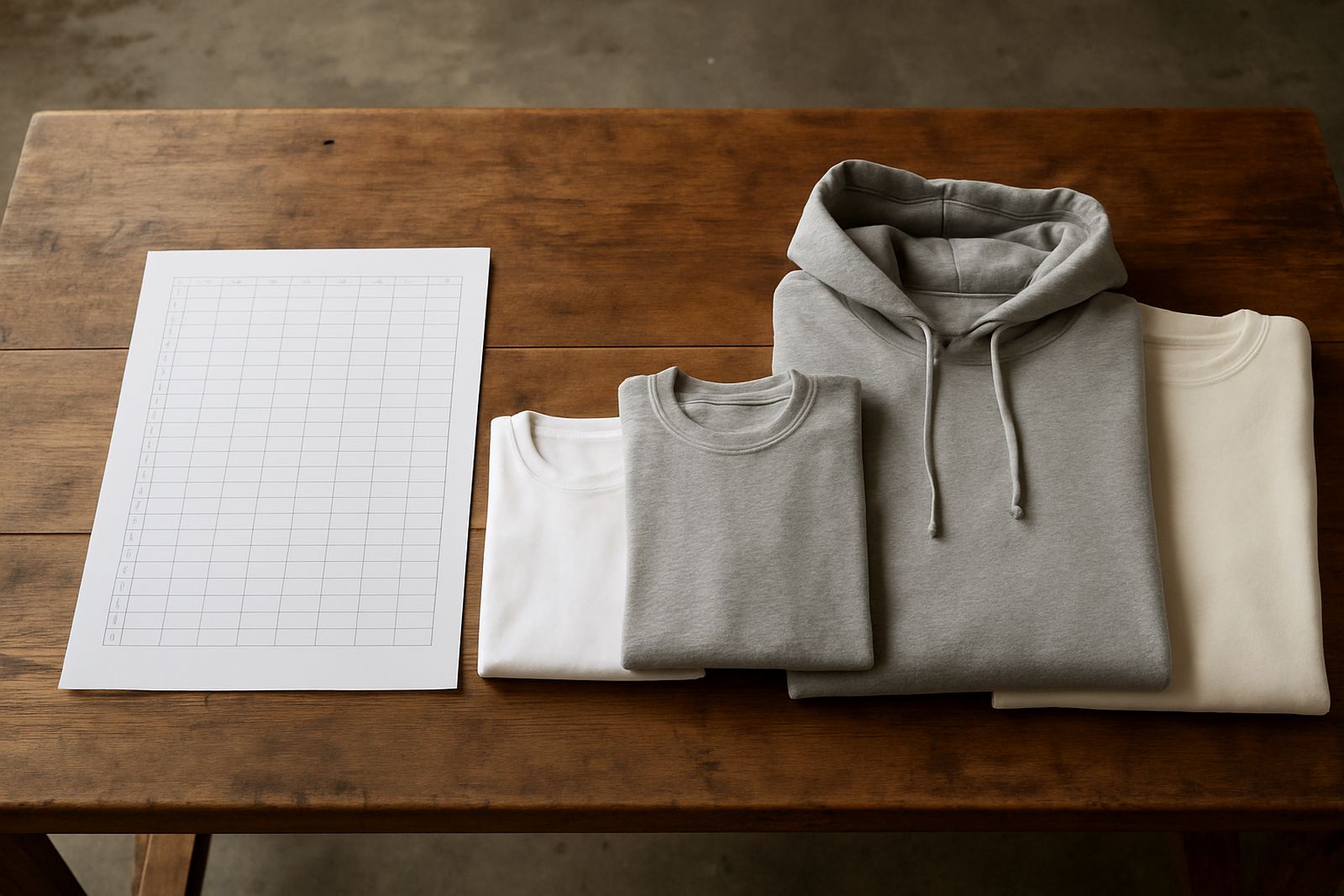
The easiest way to avoid errors is to use a simple percentage split and refine it over time. For a standard adult tee launch, many businesses start with a curve such as 10% small, 40% medium, 30% large, 15% XL and 5% 2XL. That is not a rule, but it is a sensible opening point when you do not yet have local sales history.
For repeat orders, compare the last two or three cycles. If large and XL sold out first, increase them by one or two cartons. If smalls came back on returns or sat in stock, trim them down. The aim is to move from opinion to evidence. Even a modest order of 120 units can teach you enough to tighten the next one.
Keep notes by product, because a hoodie curve is not the same as a tee curve and a unisex item is not the same as a fitted cut. One missing adjustment can leave you with too many odd sizes and a lot of admin later.
First launches need smaller risks and tighter learning loops
When a new design is going out for the first time, do not stretch the curve too wide. Rather sell through a narrower size spread, then reorder using the real pattern. This is especially useful for crafters and small brands testing a new line at flea markets, online stores, or local pop-ups in Umhlanga and Pinetown.
A clean launch plan might look like this:
- Order a modest quantity in the core sizes first.
- Leave room for reorders within 7 to 14 days.
- Track which sizes are asked for at the counter, not only what is sold.
- Ask resellers for feedback after the first two sales weekends.
If you are working with promotional stock, the client may also have a staff list or event guest profile. Use it. A rugby day, a company family event, and a school fundraiser will not need the same size curve. The more closely you match the audience, the less dead stock you carry.
Plan packs and picking around the curve
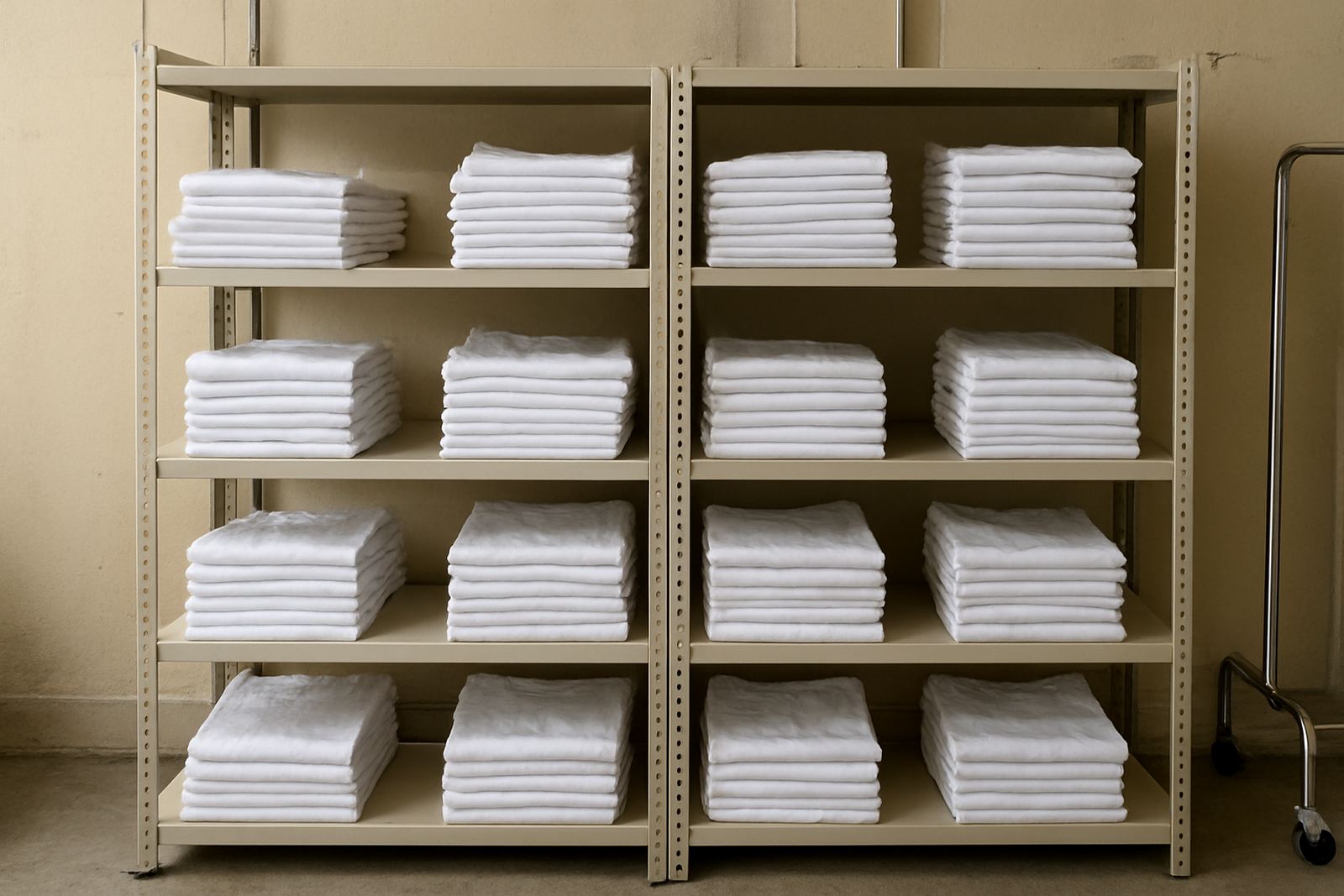
A good size curve is easier to manage when the stock is packed properly. Size breakdown packs help if you are supplying multiple outlets, while bulk order picking works better for one large customer that needs a clean dispatch by size and colour. This reduces counting mistakes and keeps collection scheduling simpler for businesses in Westville, Phoenix, Hillcrest and beyond.
For event work, kitting the sizes in order before dispatch saves time on the day. It also makes it easier to check what came back, if anything did. Returns checking should be tied to the original size curve so you can see where the pattern broke. A few late returns can distort your view if you do not record them properly.
In Durban conditions, packing also helps protect stock from damp storage and handling dust. That matters with polyester apparel, especially when orders are being moved in and out of vehicles during load-shedding or hot afternoons.
Use sample packs to test before you commit
Sample pack assembly is one of the most practical ways to build a better size curve. If a reseller or brand owner can feel the fabric, check the fit and compare the cut before ordering, they are less likely to guess wrong. That is useful for first-time launches, but also for customers who keep changing their buyer profile.
When you send samples, ask for three bits of feedback: which sizes feel safest, which sizes customers ask for most, and whether the fit is tight, regular or loose. Those answers shape the next size mix better than a general comment like “it sold well”.
- Use sample feedback to confirm the core size range.
- Check whether men’s, ladies’ or unisex fit changes the curve.
- Ask whether the same curve works across tees, hoodies and accessories.
- Keep a note of repeat requests by town or branch.
Seasonal planning keeps stock moving all year
Size curves should change with the calendar. Before winter, more hoodies and longer-sleeve items are needed, and the size spread may shift slightly upward because layering affects fit. Before the festive season or a major event cycle, tees and promotional items may need broader medium to XL coverage. If you wait too long, you end up chasing stock instead of planning it.
Seasonal stock planning is especially useful for distributors serving multiple areas from Pinetown to Amanzimtoti. A curve that works in one part of the province may need a small tweak elsewhere. That is why the best operators keep a live record of what sold, what was returned, and what had to be re-ordered.
The right curve is not about perfection. It is about making sensible choices with the information you have, then improving each time. That is how repeat orders become easier, and first launches become far less risky.