
Why white still does the heavy lifting
In sublimation, white remains the safest starting point because the inks sit clearly on a light surface and the final print keeps its brightness. That matters when customers want sharp logos, school event items, team wear or retail pieces that must match a supplied artwork exactly. Light colours such as pastel grey, pale blue and soft pink can also work well, but once the base gets too dark the print loses strength and the garment no longer gives the same result.
For many South African sellers, white is also the easiest colour to move. It suits first-time buyers, repeat corporate orders and small brand runs without forcing a choice on the customer. If you are selling across Durban, Gauteng or the Cape, a white blank can be turned into a wedding favour one week and a staff shirt the next. That kind of flexibility keeps stock turning instead of sitting for months.
The colour range that gives the best print response
Light colourways do more than improve print clarity. They give you room to hold a leaner, smarter stock line while still covering a broad range of customers. Many businesses keep white at the core, then add a small set of light shades for different style preferences and campaign work. This reduces dead stock and keeps reorder decisions simple.
- White for the cleanest print finish and widest use case
- Light grey for neutral retail and club orders
- Pale blue for corporate and school event use
- Soft pink for gifting ranges and boutique products
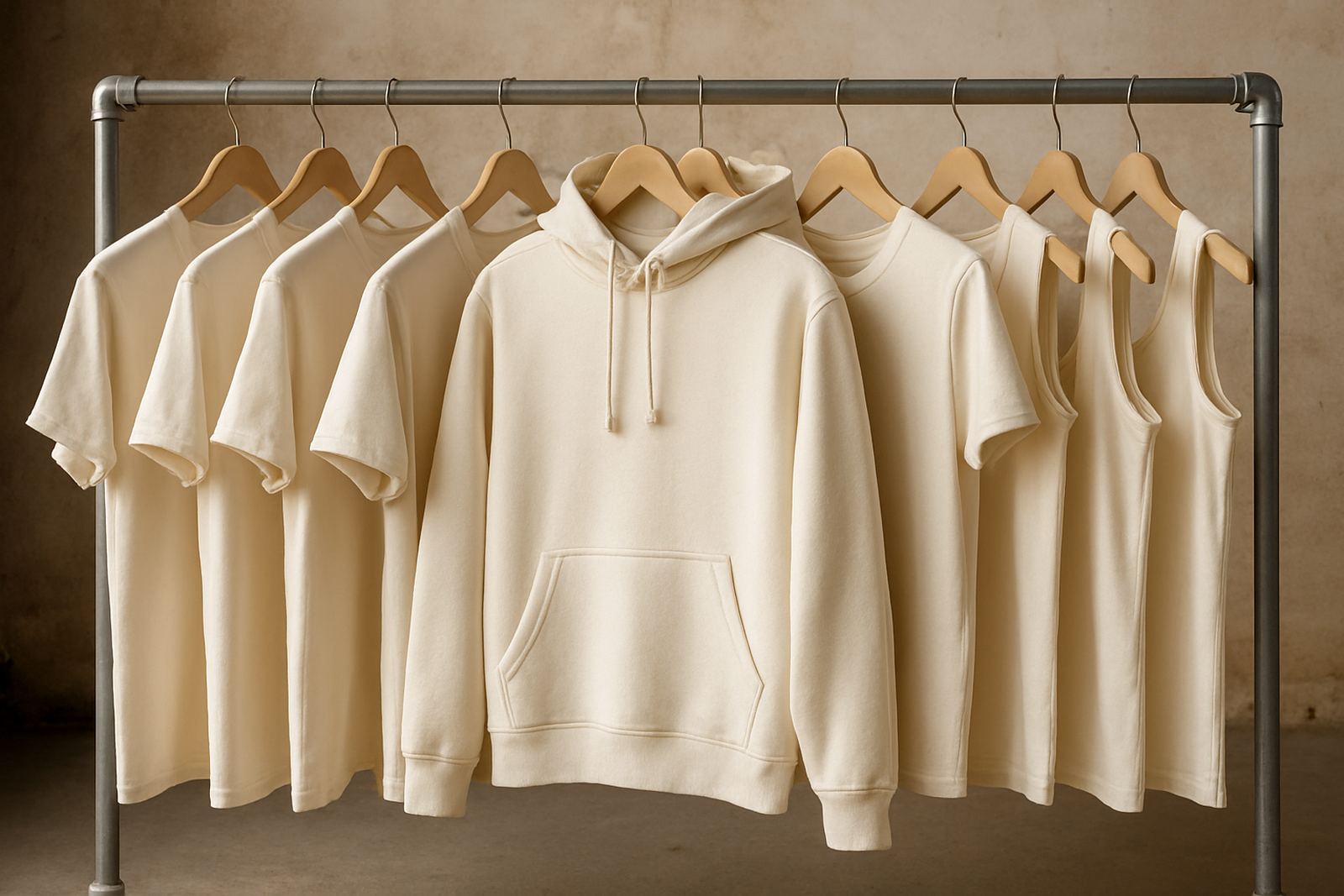
- Natural light tones for certain lifestyle ranges where the artwork supports it
In practice, the best mix depends on your customer base. A promotional company in Umhlanga may favour white tees and light polos for conferences, while a small brand in Hillcrest may need a few softer colours to build a nicer shelf range. The point is not to stock every colour under the sun. It is to hold the shades that can move quickly and print properly.
How basic blanks help you manage cashflow
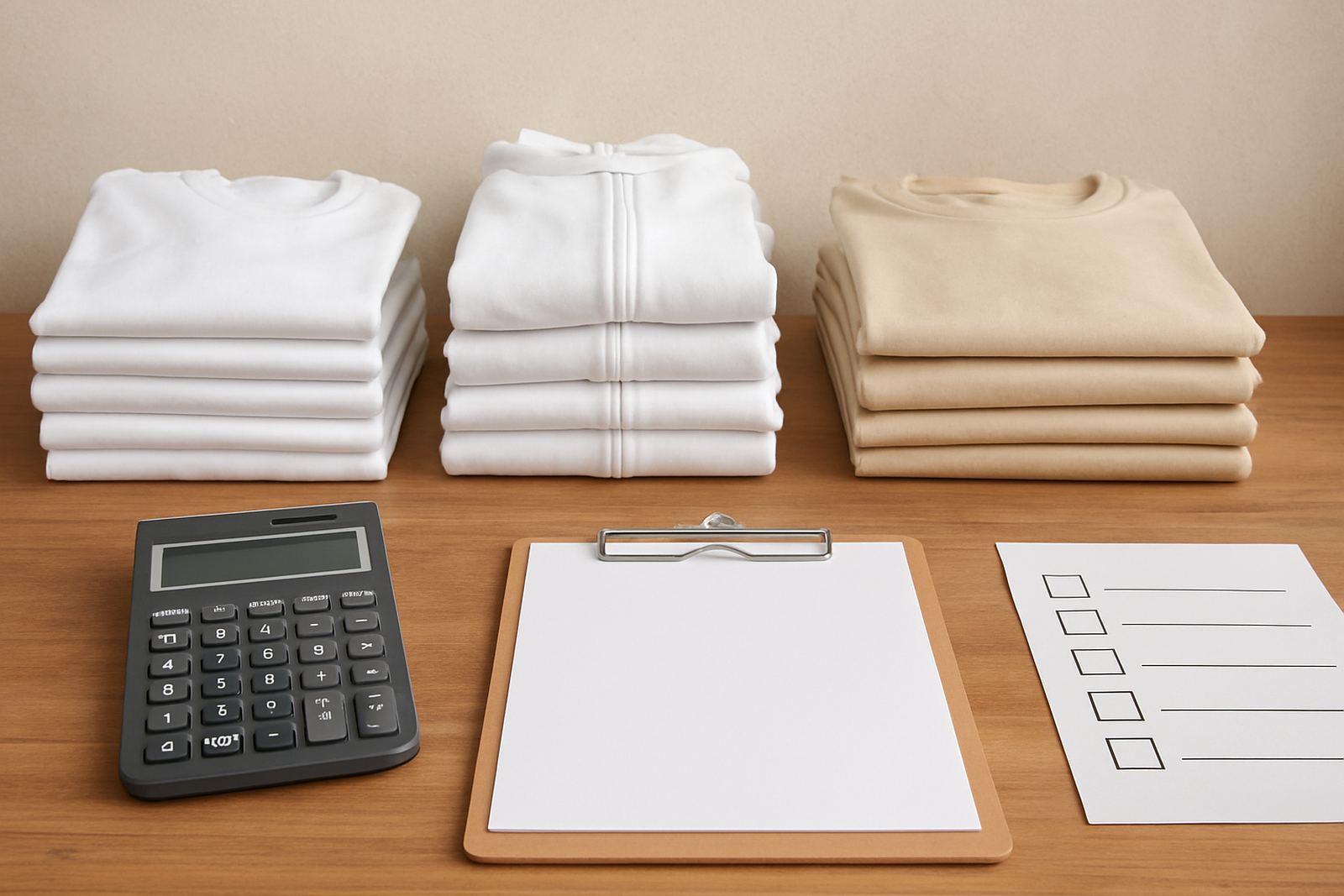
Basic colourways are not just a print choice, they are a stock control choice. White and light blanks are usually easier to forecast because they sit at the centre of most order patterns. If you buy too many dark fashion colours, you can end up with sizes and shades that do not move. With basics, a single style can carry multiple uses and lower the risk of overstretching your working capital.
This is especially useful for smaller print rooms and resellers working around load-shedding and tight production windows. You need stock that can be picked, packed and dispatched quickly when a customer confirms. A Pinetown business supplying clubs in Phoenix and schools in Amanzimtoti cannot afford to wait on slow-moving colour lines. White and light garments give you quicker turns, fewer errors and simpler replacement planning.
- Lower risk of excess stock in unpopular colours
- Faster picking for urgent jobs
- Simple size breakdowns for repeat orders
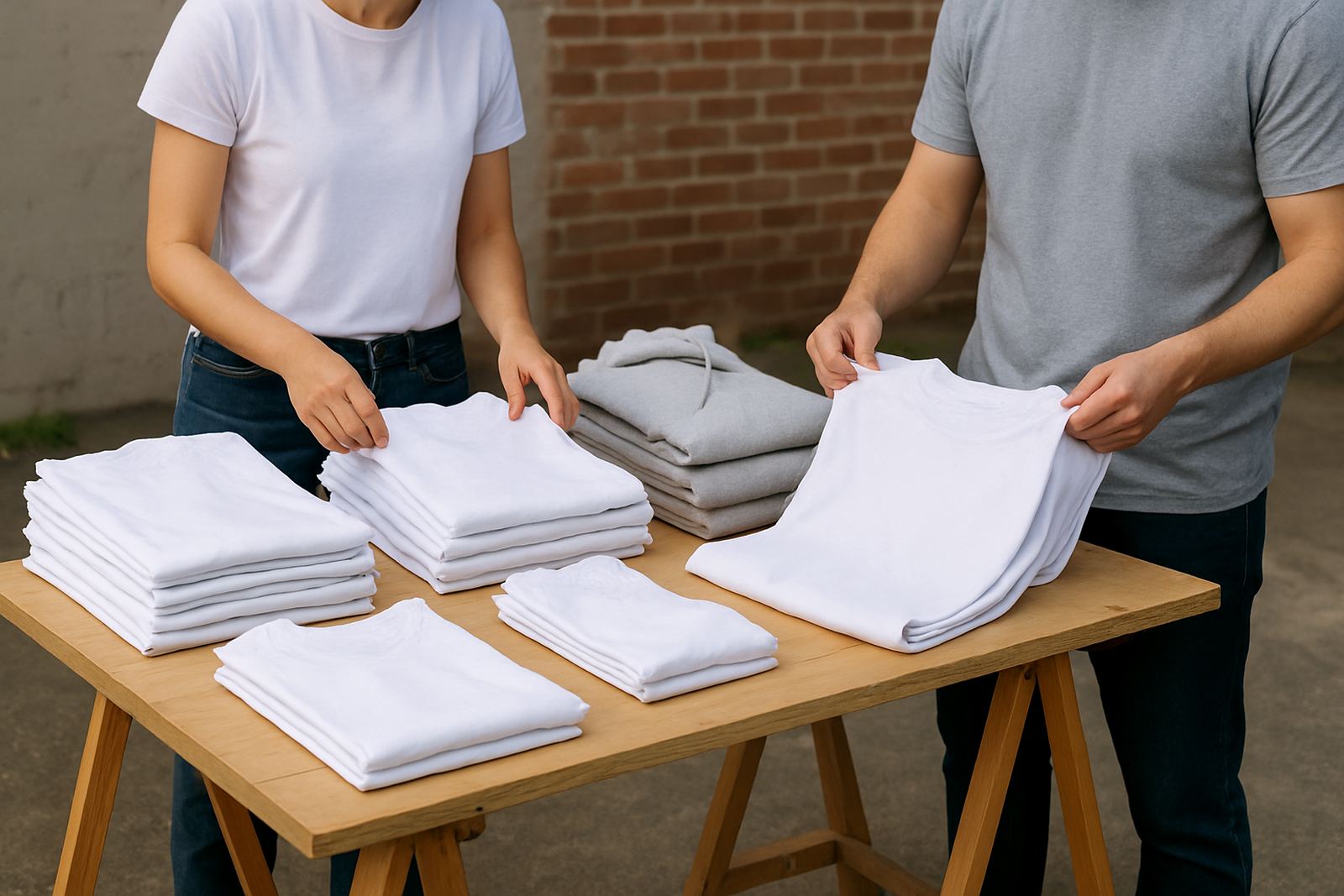
- Less sorting time when packing mixed client batches
Matching blanks to the local market
Durban buyers often think in terms of heat, comfort and event use. In coastal humidity, light polyester apparel makes sense because it is lighter to wear, easier to store and suitable for full-colour branding. That is one reason white tees, vests, hoodies and accessories remain central for many businesses operating from Pinetown, Westville and the surrounding areas.
A practical example is a sports day order for a school in Hillcrest. The organiser may need 120 white tees in mixed sizes, plus a smaller run of light-colour shirts for teachers and volunteers. The same supplier might then receive a follow-up order for branded items for a retail promo in Umhlanga. If the stock room already holds the basics, the business can pack both orders without chasing after colours that may not match the print brief.
Local conditions also matter for storage. Polyester blanks should be kept clean, dry and folded properly so they arrive in good shape. In coastal areas, damp storage can cause packing issues, and once goods are creased or marked it slows down production. Good stock habits matter as much as the fabric itself.
When to expand beyond the core shades
There is a time to widen your colour range, but it should happen for a reason. If your customers keep asking for a certain light tone, or you are winning more retail work that needs a softer finish, then adding that shade makes sense. The mistake is to expand too early and tie up money in items that only move once or twice a season.
Before opening a new colour line, ask three simple questions: will it print well, will it sell more than once, and can you reorder it without disrupting your main stock plan? If the answer is yes, then it may earn its place. If not, keep the range tight and focus on your white and light staples. That discipline is often what separates a busy counter from a cluttered storeroom.
- Test with sample packs before placing larger orders
- Track which colours are requested by repeat customers
- Review seasonal demand before summer and year-end peaks
- Keep core sizes available before adding extra shades
A stocking approach that supports printers and resellers
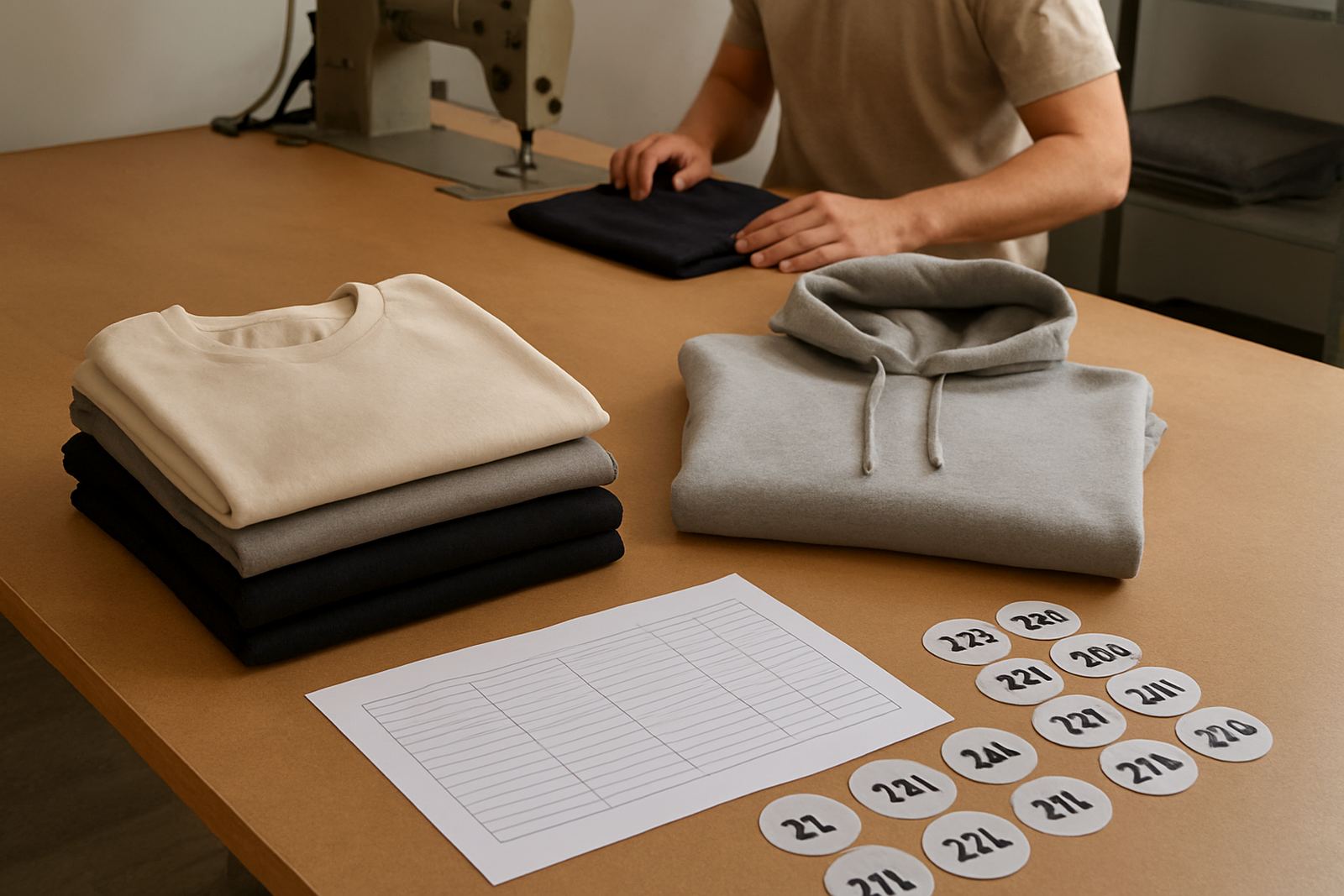
For anyone printing to order, reselling blanks or packing promo kits, the main benefit of basic colourways is control. You can plan around size breakdown packs, bulk order picking and event order kitting without carrying too many variations. That makes dispatch cleaner and lowers the chance of missing a size or mixing a shade that does not fit the brief.
At the Pinetown base, the useful stock is the stock that can be sorted, counted and sent out fast. White and light polyester items do that job best because they support reorders, sample pack assembly and reseller restocks without creating extra handling. When orders come in from Phoenix, Westville or further afield, the same simple colour range keeps the process manageable. In a market where customers want quick turnaround and print-ready goods, the basics still do the most work.
It is not about limiting choice. It is about carrying the choices that earn their space on the shelf, and white with light colourways usually do that better than anything else.