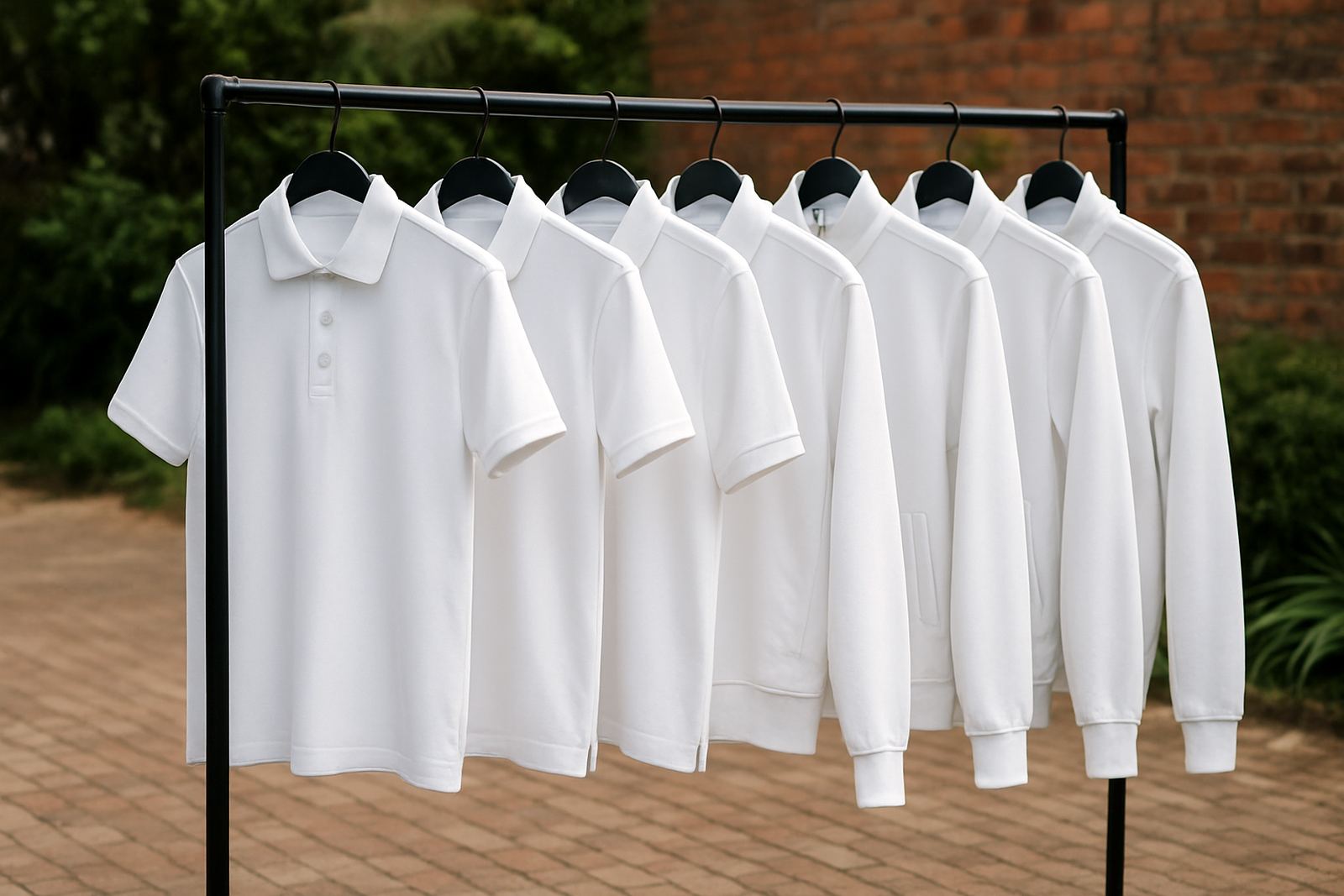

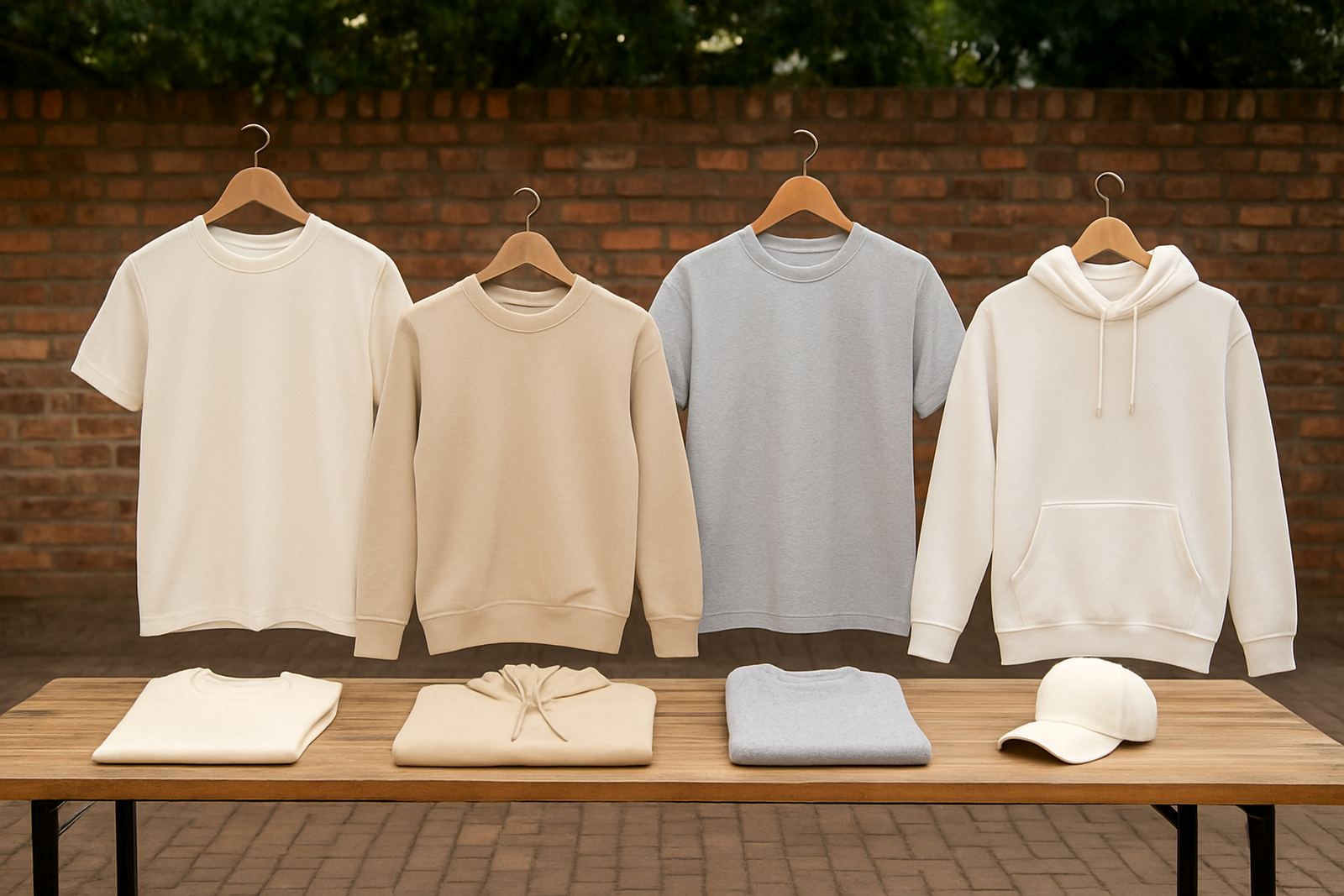
Why seasonal buying matters for blanks
In South Africa, a blank that moves well in February may sit still in June. Customers shop differently when it is hot, cold, rainy or windy, and that changes what they ask for first. If you are selling to crafters, schools, sports clubs or promo teams, the right seasonal mix helps you keep cash moving without overloading the storeroom.
For sublimation work, the product itself matters as much as the design. Polyester tees take everyday custom work, hoodies suit colder months and early morning events, while caps and small textile gifts come into their own when people want practical add-ons. The trick is to keep a balanced range and not buy only what feels current that week.
- Summer stock should lean toward tees, caps and light accessories.
- Winter stock should include hoodies, beanies and gift items that travel well.
- Year-round stock should cover the core sizes and repeat lines you know will move.
Summer stock that sells in Durban heat
Durban summers are humid, warm and busy with school holidays, coastal events and outdoor trade days. That is good news for lighter blanks. Short sleeve polyester tees remain the main seller because they print cleanly and are easy to wear at markets, on staff days and for team orders. Caps also do well because they are practical, affordable and simple to bundle with a tee.
If you are supplying promotional companies, summer is the time to offer quick turnarounds on event packs. Think tee plus cap, or tee plus bottle bag if the order calls for a gift set. In places like Umhlanga, Westville and Pinetown, buyers often need stock that can leave the warehouse quickly for launches, community events and school sports days.
- Keep light colours and standard adult sizes in stronger numbers.
- Hold some extra children sizes for school holidays and youth events.
- Use size breakdown packs so buyers can test demand before placing a bigger order.
Winter picks that keep orders flowing
When the weather cools, hoodies become one of the easiest upgrades for a blank supplier to push. They work for clubs, staff wear, student groups and branded resale. In inland areas, a fleece hoodie can be the item that gets the order across the line because it feels useful, not just decorative. Even in coastal towns, early starts and evening sport create demand.
Winter is also a good time to watch your stock cover closely. If you only hold summer staples, your customers will start looking elsewhere. Keep an eye on deeper sizes, especially for hoodies, and allow for repeat requests once a design proves itself. Morne in the warehouse will tell you that winter shortages usually show up first in the middle sizes, so plan ahead.
- Increase hoodie depth before the first cold front hits.
- Check stitching, hood shape and drawcord finish on bulk packs.
- Keep sample packs ready for resellers who are testing a winter range.
School terms, sports calendars and gifting windows
The South African calendar gives you more than four seasons. Schools, sports clubs, churches and corporates all create buying peaks. Back to school, midyear sport, year-end gifting and expo season can lift demand for different blank items at different times. A supplier who plans for those dates has a much better chance of protecting margins.
Gift-focused textile blanks are especially useful here. Tote-style items, compact accessories and small wearable pieces can be packed into bundles for company gifts, awareness campaigns and fundraising drives. These orders often come in waves, so it helps to map them before stock gets tight.
- January to March: school, club and fresh-start campaigns.
- May to August: hoodies, staff wear and winter gifting.
- September to December: promo bundles, event packs and festive orders.
Plan stock depth before load-shedding or freight delays hit
Good seasonal buying is also about risk. Load-shedding, courier delays and sudden weather shifts can all throw off a plan. If your shop or reseller base depends on quick turnaround, keep a safety stock of the lines that move fastest. That means the sizes and colours your customers ask for first, not every variant under the sun.
Calvin on logistics will usually say the same thing: a smaller order placed early beats a rushed top-up later. It saves on stress and often protects transport costs too. For nationwide dispatch, simple planning around bulk order picking and collection scheduling can make a big difference when the calendar gets busy.
- Hold extra core stock before peak months.
- Use seasonal stock planning to match buying with the next 6 to 8 weeks.
- Check returns early so slow or damaged stock does not clog the system.
A Durban example for customers across South Africa
Take a reseller in Pinetown preparing for a July school fundraiser. The first step is not ordering everything in one style. It is matching the product to the likely buyer. A mix of adult hoodies, youth tees and a few gift items gives more room to sell to parents, staff and supporters. From there, size breakdown packs help the organiser avoid overbuying one size and running short on another.
Because stock is shipped nationwide, the same approach works for buyers in Phoenix, Hillcrest, Amanzimtoti or further afield. The range can be adjusted for local weather and audience type, while the core process stays simple. Nomvula in customer support will often say that clear planning makes repeat ordering easier, and she is right. When buyers know what sold, they can restock without guesswork. That is how seasonal buying should work, nice and steady even when demand changes fast.
- Use past order notes to spot what sold in each season.
- Separate event stock from everyday reseller stock.
- Ask for sample pack assembly before committing to a large line-up.
Build a season-led range, not a one-size range
Seasonal selling is not about chasing fashion. It is about putting the right blank in front of the right buyer at the right time. Tees carry the warm months, hoodies carry the cooler months, caps bridge the gap and gift-focused textile blanks keep smaller orders active all year. If you plan your stock that way, you give your customers better options and your own business a steadier rhythm.
Sibusiso and the team in Pinetown work with that idea every day: order for the season, not for hope. It keeps the warehouse practical, the dispatch line moving and the customer experience better. For anyone buying blanks in Durban and beyond, that is the simplest way to stay ahead.