
Why summer blanks need to work harder
Warm-weather stock gets used fast, often in the middle of school holidays, weekend markets and December promotions. That means your blanks need to be light enough for comfort, but also dependable when orders come in by the dozen and reorders must match the first batch.
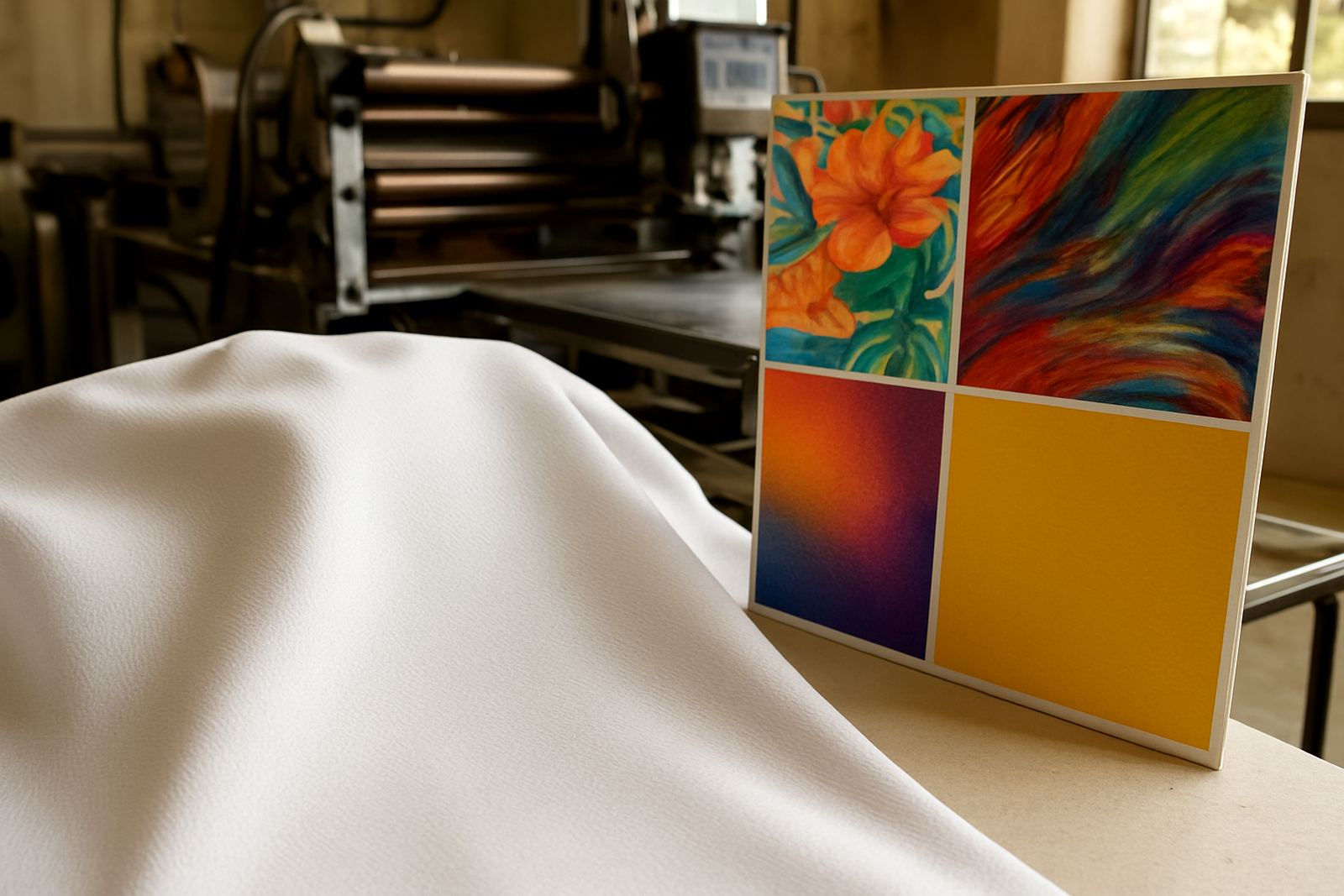
For sublimation printing, polyester content matters because it takes colour well and keeps the finish clean. In Durban and along the coast, humidity can also expose weak stitching, poor finishing and fabrics that lose shape after a few washes. If you are buying for resale or events, check the fabric weight, size run and colour consistency before placing a larger order.
At Sublimation Blanks Apparel in Pinetown, the focus is on apparel blanks that suit custom work from the start, not garments that need compromise to get a result.
The warm-weather staples that move fastest
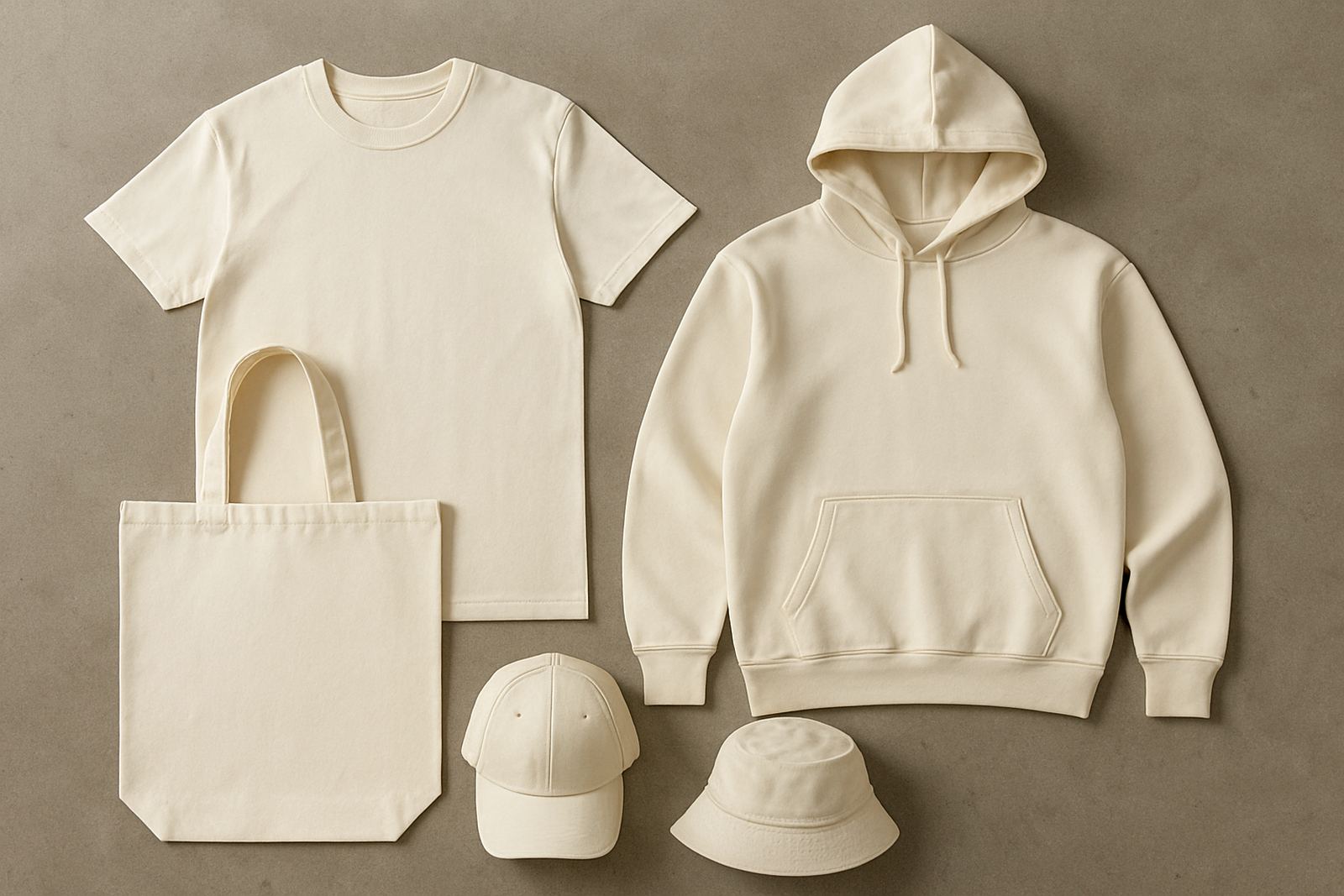
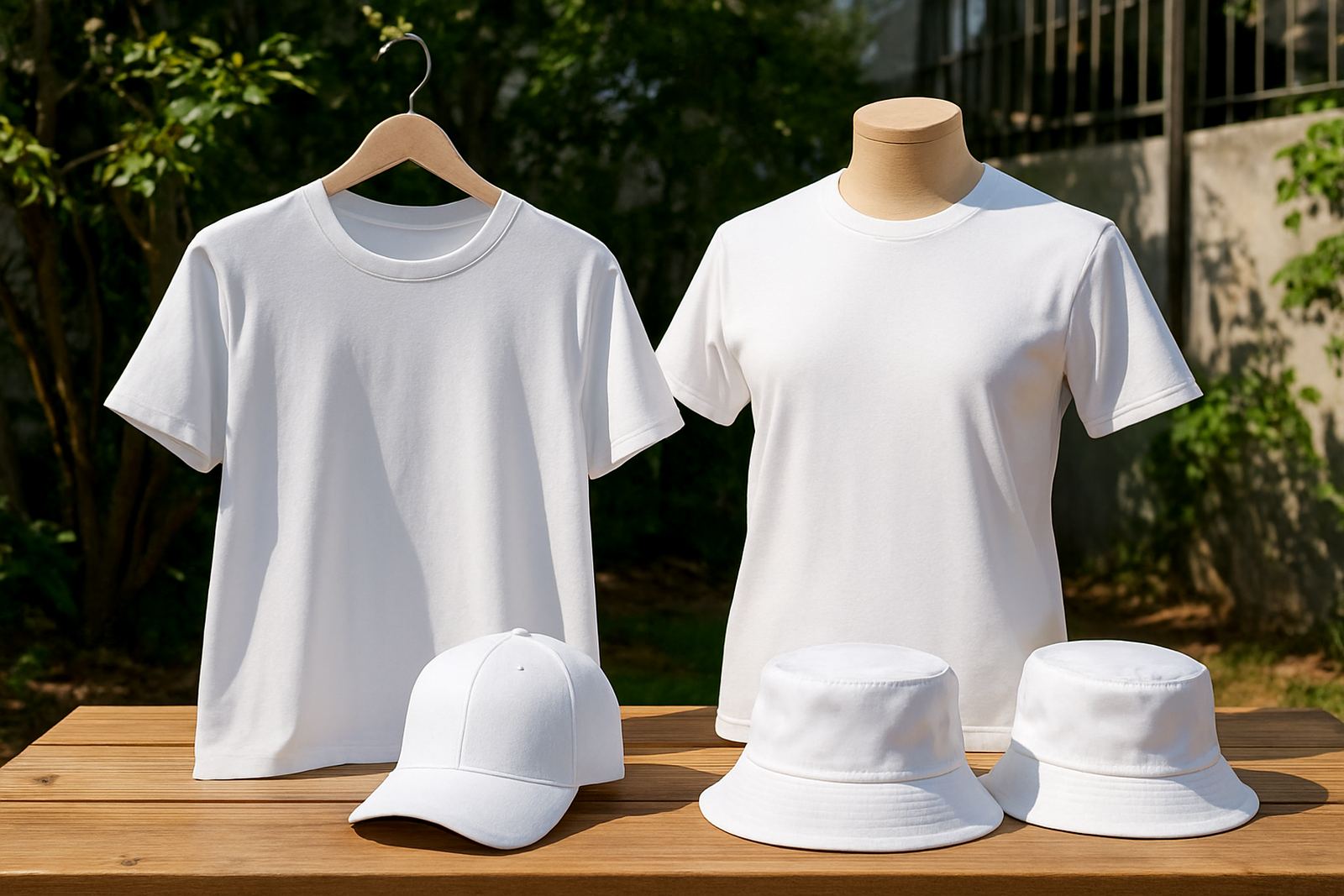
Some items always earn space on the summer shelf because they sell across events, tourism, schools and small retail ranges. The useful thing is to keep a mix that covers adults, youth and add-on accessories, so one customer can buy a full set rather than a single item.
- Lightweight t-shirts for staff wear, promo giveaways and retail branding
- Short-sleeve tops for family events, fan wear and market stock
- Hoodies for cooler evenings, early-morning travel and winter crossover orders
- Caps and headwear for sun protection and branded activations
- Tote bags for retail packs, tourism counters and gift bundles
- Drinkware sleeves and small carry items for impulse sales and hampers
For busy areas like Umhlanga, Westville and Pinetown, these items are useful because they can be sold as single pieces or grouped into themed packs. That flexibility helps when one customer wants fifty units and the next one needs five.
How to choose blanks for print quality
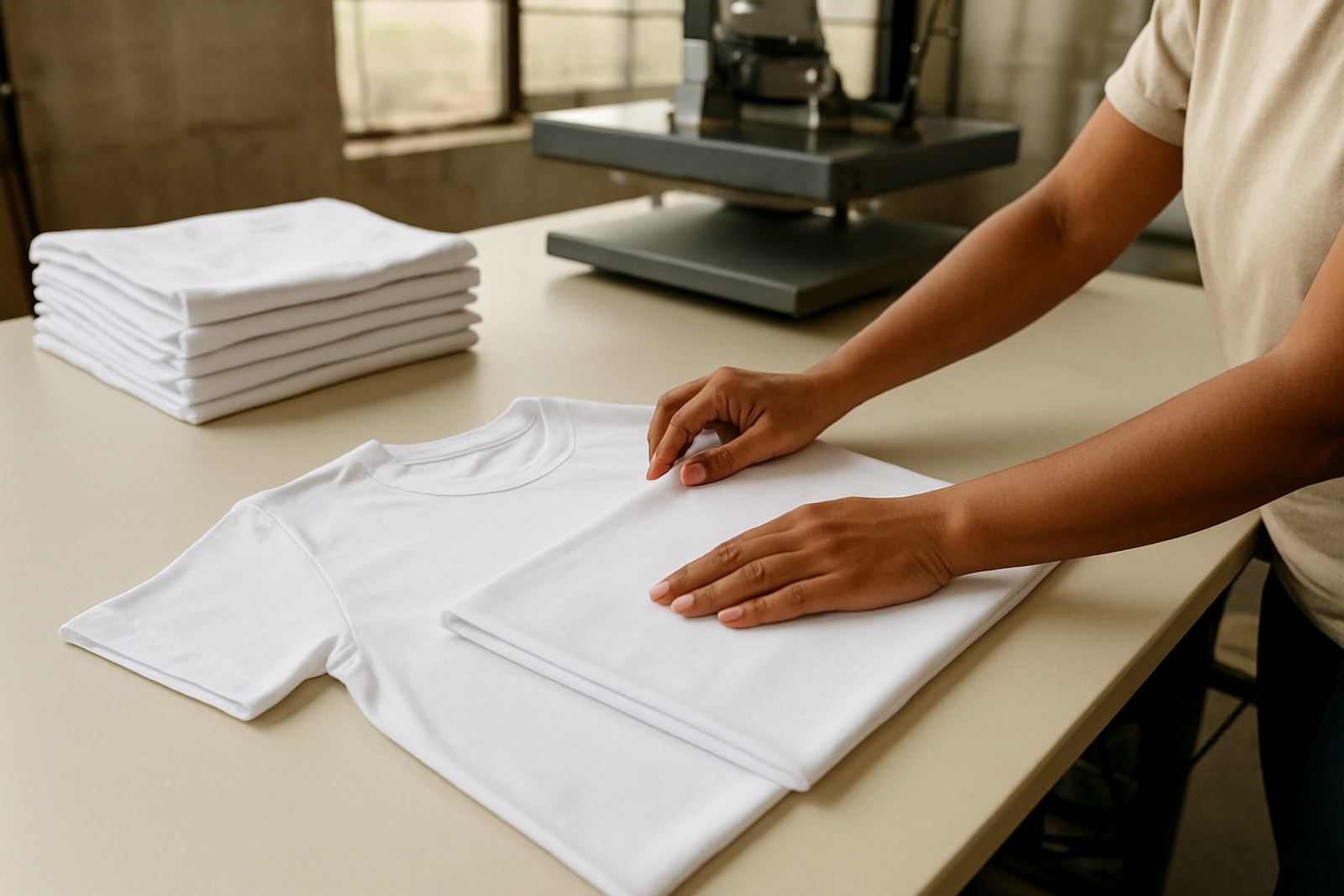
Good summer stock should give you a clean print surface and hold its shape after repeated use. Before you commit, check three things: the feel of the fabric, the consistency of the sizes and the finish on seams, hems and labels. A garment can look fine on the hanger and still cause problems once it goes through production.
For sublimation, white or light-colour polyester remains the most practical choice for bold colour output. If you are working on a range for a promotional company, ask for sample packs and compare them under normal light, not just in the packing area. It is worth checking how each item behaves after pressing, because some fabrics look good initially but show uneven results after cooling.
Size breakdown packs are especially useful for crafters and small brands. Instead of guessing your mix, you can order a balanced range and avoid sitting with too many smalls or not enough extra-larges when the season picks up.
- Ask for sample packs before a bigger order
- Match the garment weight to the use case
- Check stitching, neck finishing and side seams
- Confirm that the sizing is consistent across the run
Event orders need kitting, not just cartons
Summer events are usually won or lost on timing. A school fun day in Hillcrest, a beach activation in Amanzimtoti or a year-end staff function in Phoenix can all need different pack types, but they share the same pressure: everything must be ready, sorted and easy to hand out.
That is where event order kitting makes a difference. Instead of receiving loose cartons, your stock can be grouped by size, colour or recipient type. This saves time at the venue and reduces errors when the team is working under pressure. It also helps if the event is tied to municipal access rules, loading times or strict setup windows, which can be the case at public venues and busy retail sites.
For larger orders, bulk order picking and collection scheduling are practical because they keep the handover simple. If you are sending garments to a printer, reseller or event team, labelled packs and clear counts cut down on call-backs. small detail, but it saves a lot of trouble when the day is hot and the clock is moving fast.
Retail stock for December must be easy to restock
Retailers and resellers usually see the same pattern every year. The fast movers go first, then customers ask for a colour or size that has already sold out. Seasonal stock planning helps reduce that gap, especially when your range includes pieces for gifts, travel and casual wear.
If you are supplying shops in Pinetown, Westville or Umhlanga, the strongest summer lines are the ones you can reorder without changing your whole display. Keep a base range that can be topped up quickly, and add one or two seasonal items for variety. This makes it easier to manage cash flow too, because you are not tying money up in slow stock that sits past the holidays.
Reseller restocks work best when they are regular, predictable and matched to actual sell-through. If one client sells more medium and large tops, there is no benefit in sending an even split every time. A good supplier will help you plan the next reorder from the last one, not from guesswork.
Nationwide dispatch from Pinetown, with local support
From the base in Pinetown, summer stock moves nationwide to businesses that need a steady supply and reliable counts. That matters when you are in Durban and trying to beat the heat, but it also matters when your customer is in Gauteng, the North Coast or a smaller town that depends on one clean delivery rather than multiple trips.
The support side matters as much as the product side. Bulk order picking, returns checking and sample pack assembly all help keep the process neat from quote to dispatch. The team, including Ayanda Naidoo, Lerato Khumalo, Morne van Wyk, Nomvula Sithole, Calvin Petersen and Zanele Mokoena, handle the practical work that keeps orders moving with fewer mistakes.
If you need collections arranged locally, or a split order for different branches, the main thing is to plan early. Summer always arrives faster than expected, and the last week before a campaign is not the time to discover you are short on one size or one accessory type.
A simple summer order plan that saves time
The easiest way to buy summer blanks is to work from the end use first. Decide whether the stock is for resale, a one-day event, a travel range or a retail bundle. Then build the order around the fabric, size mix and accessory add-ons that suit that purpose. It sounds plain, but it prevents overbuying and helps you keep your shelves moving.
For local use in Durban, this approach works well because the season is active, the weather is humid and customer demand can change quickly. A small brand in Pinetown may need a fast top-up after a market weekend, while a promo buyer in Amanzimtoti may need a full restock for the next activation. Clear counts, good packing and practical dispatch planning make all the difference.
If you are setting up your summer range now, focus on the items that will sell repeatedly, not just once. That is where blanks earn their keep.
- Pick a base range of tops and one or two accessories
- Order size breakdown packs for better stock control
- Keep sample packs for new print tests and client sign-off
- Plan restocks before December pressure builds