
Start With a Clean, Dry Surface
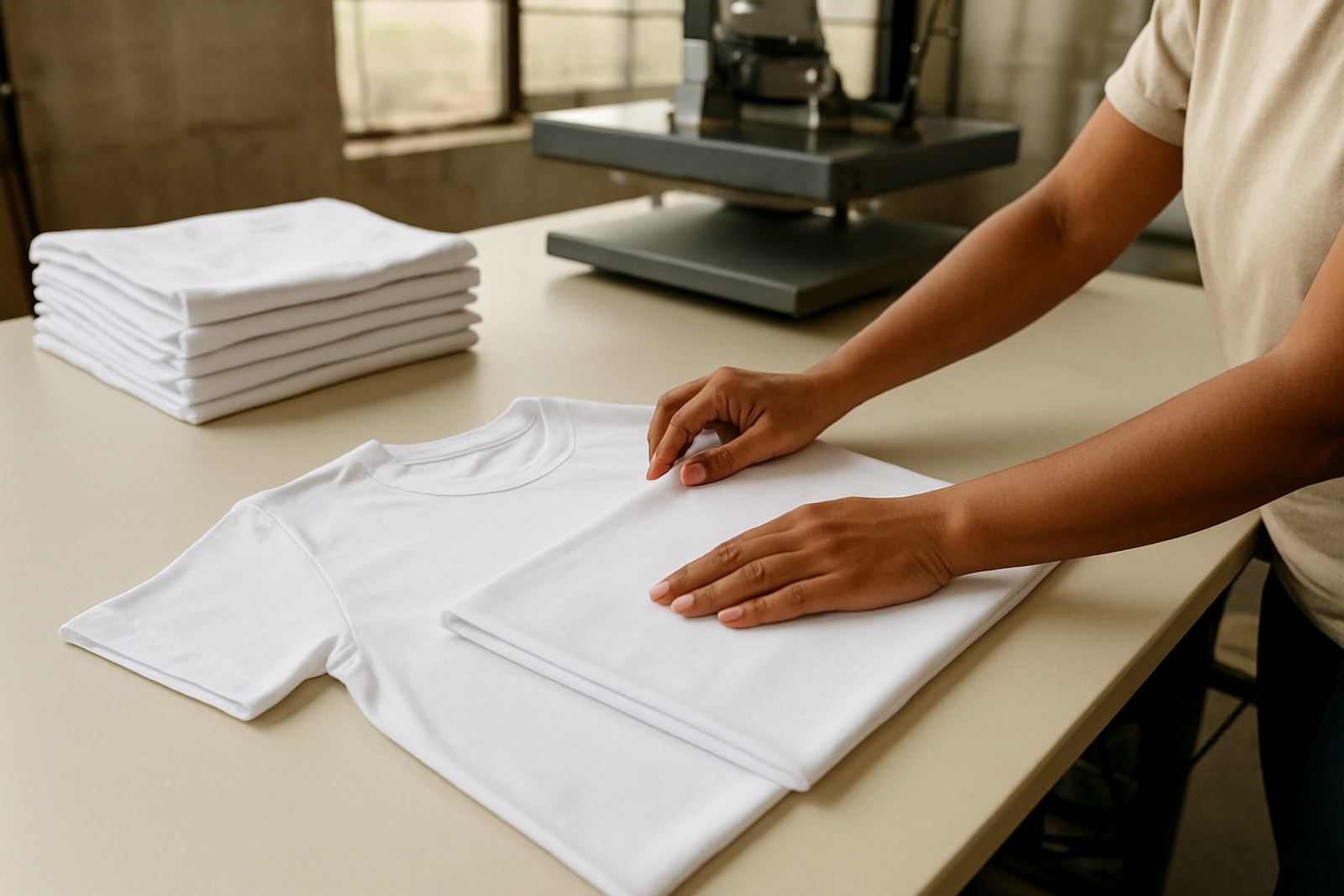
Before you fold anything, clear a clean flat surface that is dry and free of dust, tape scraps and packaging offcuts. Polyester blanks pick up lint easily, so a quick wipe down of the table makes a real difference to how the stock looks when you open a carton or prepare a customer order.
If garments have just come off the line or out of a delivery bag, let them air for a few minutes first. In humid places like Durban and Pinetown, folding warm fabric straight away can trap moisture and leave a musty smell by the next morning. If the power is off during load-shedding and you are using a backup fan or working by daylight, it helps to keep the room ventilated so the stock stays fresh.
- Wash or wipe hands before handling white and light colour garments.
- Keep a lint roller nearby for quick touch ups.
- Sort the garments by size and colour before you begin folding.
Use One Fold for One Product Line
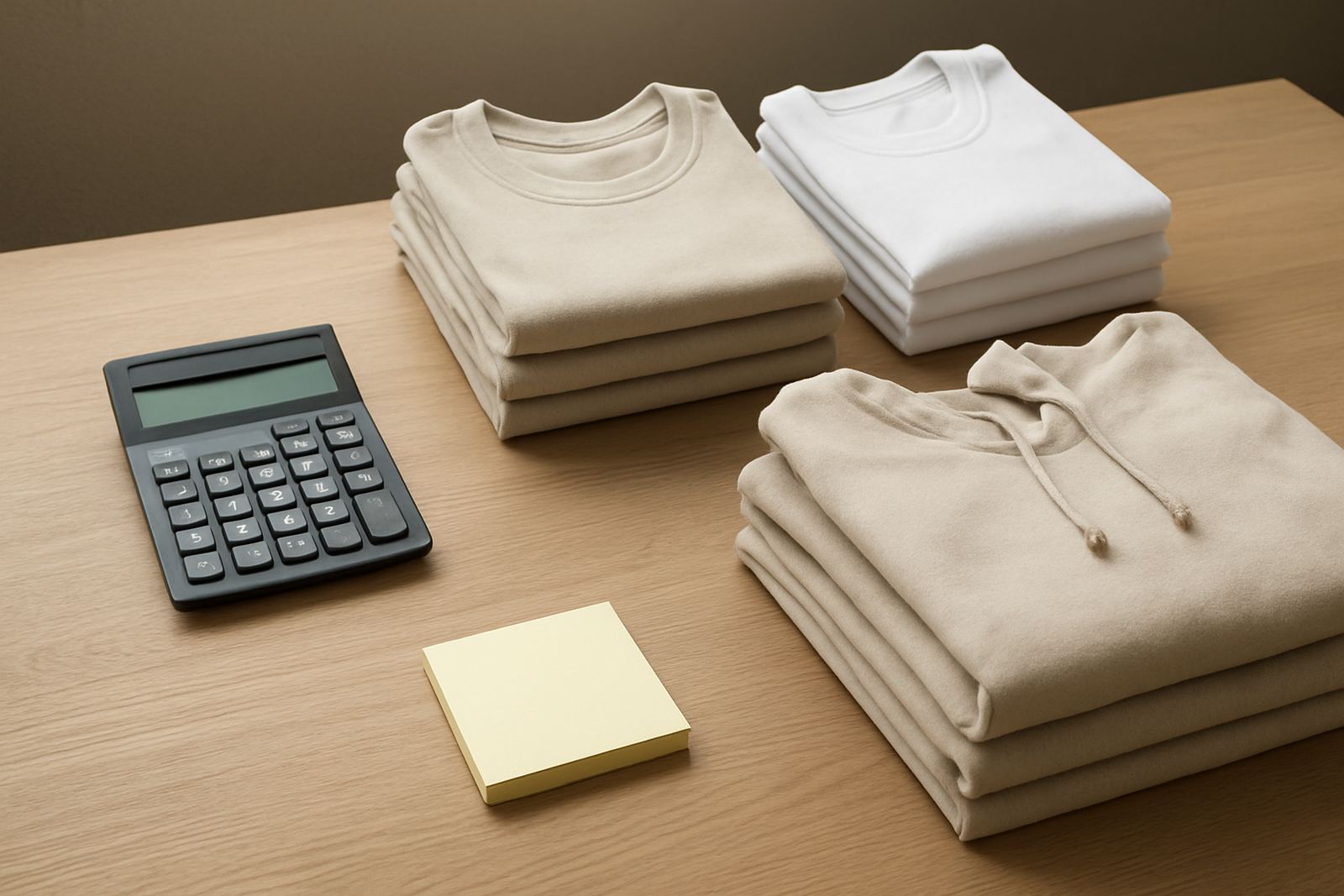
The best folding method is the one you can repeat the same way every time. For t-shirts, lay the garment front down, smooth the sleeves inward, then fold the sides in to create a neat rectangle. Fold the body up once or twice depending on the size of the bag or carton it must fit into. For hoodies, tuck the hood flat first so it does not bulge and distort the stack.
Do not try to make every item look tiny if that means creasing the print area or stressing the shoulder seams. With sublimation blanks, the aim is neat presentation and easy counting, not over-folding. A clean fold also makes it easier for a customer to see the garment shape when they open a size pack.
- T-shirts: shoulders aligned, sleeves flat, hem folded square.
- Hoodies: hood tucked down, sleeves crossed lightly, pouch kept flat.
- Vest tops or accessories: fold to match the carton or clear bag size.
Keep Sizes Separate From the First Fold
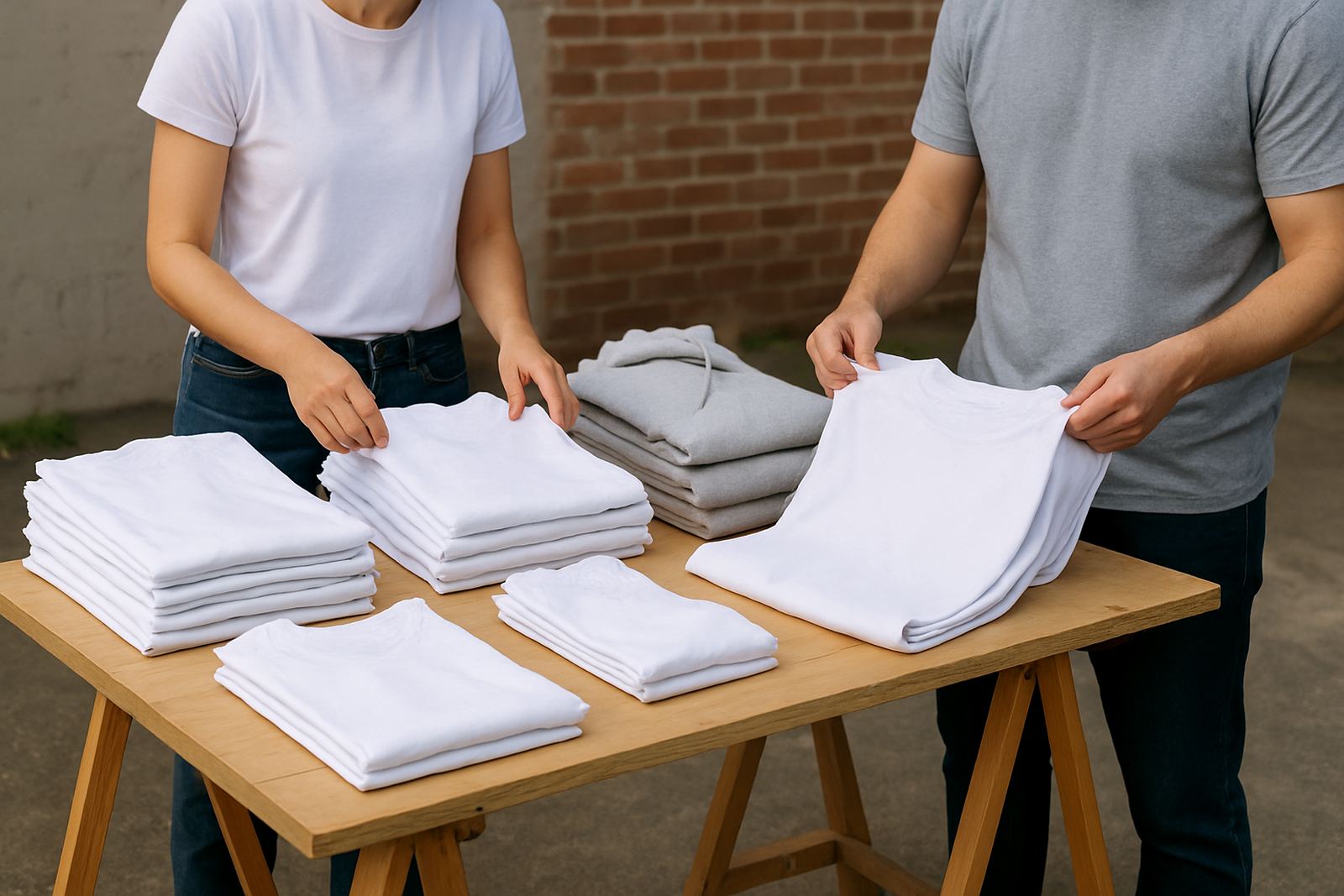
When you handle bulk orders, size mix-ups happen fast if the stock is stacked loosely. Make the first fold part of your sorting process. Fold small, medium, large and extra large into separate piles, then place a size card or handwritten tag on each pile before packing. If you are handling reseller restocks or sample pack assembly, this step saves time at the end and helps prevent picking errors.
In smaller operations across Westville, Hillcrest or Phoenix, one person may be folding while another counts. That works well only if the folds stay consistent. The person counting can check stack height against the packing list, while the person folding keeps each size in its own space. It is simple, but it cuts mistakes more than people expect.
- Use coloured slip sheets or tags for each size if stock moves quickly.
- Keep one pile on the table at a time to avoid mixing sizes.
- Count folded units before sealing cartons or delivery bags.
Fold for Storage, Not Only for Sale
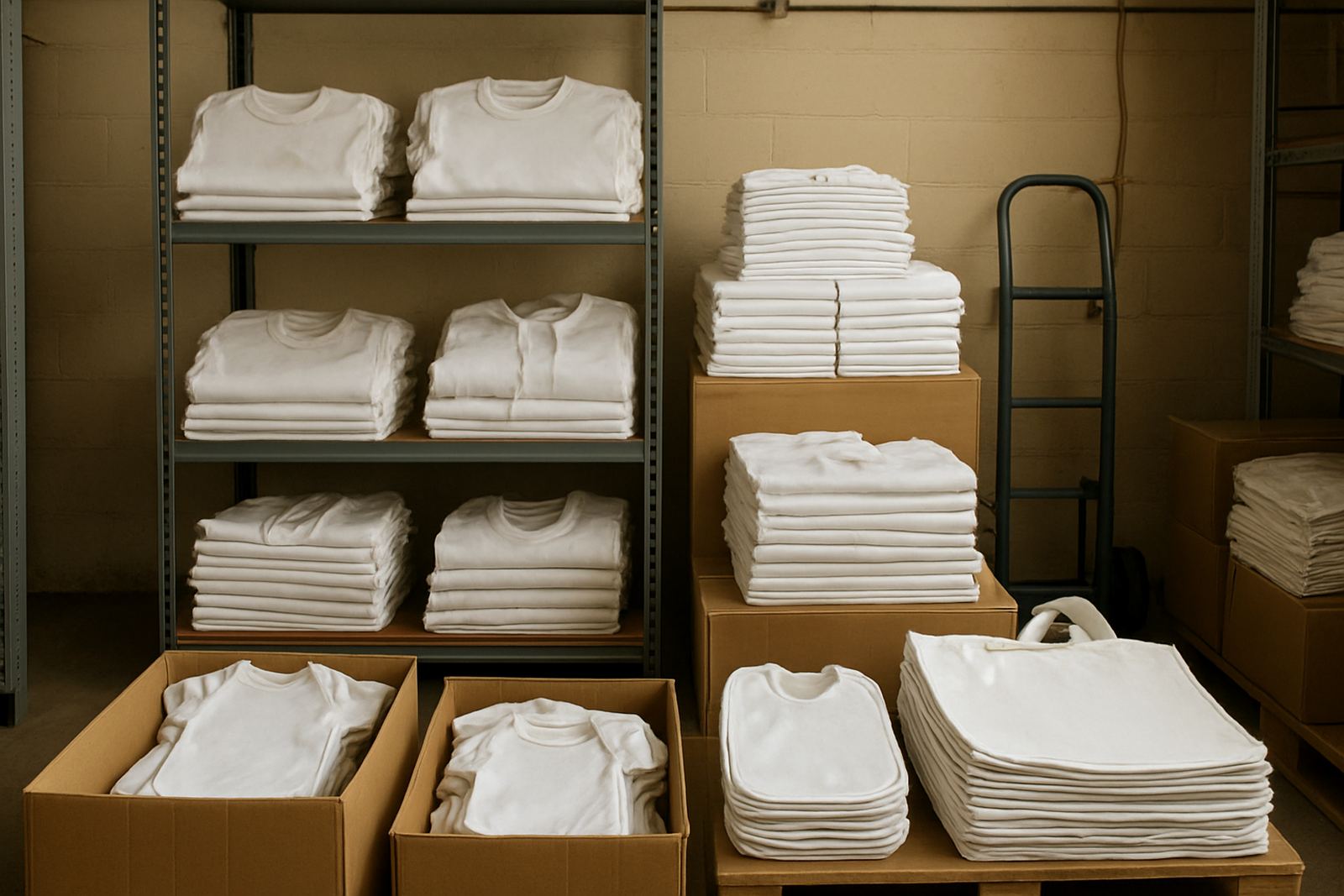
Storage folding and sales folding are not always the same. If stock must sit in a warehouse for a few weeks, fold it with enough air space so the fabric does not press into sharp creases. For items going into retail packs or promo bundles, a tighter fold may be better because it keeps the front panel neat and makes the stack look uniform on a shelf or in a box.
Think about how the stock will move next. If it is going straight to a printer, leave enough room for easy unpacking and inspection. If it is going to a market or show, a more compact fold works well for table display and transport. Morne in the warehouse will usually tell you the same thing, if it takes too long to unfold during picking, it will take too long again at dispatch.
For coastal storage near Durban, add a sachet of moisture absorber in sealed cartons if the stock will sit for a while. That helps keep edges crisp and reduces the chance of damp odour.
Packing Methods That Protect the Fold
Once the garments are folded, pack them so the fold stays in place. Clear bags, carton dividers and size breakdown packs all help protect the shape. For event order kitting, lay the folded items flat in the order they will be handed out. For promoter or reseller bundles, keep each size group together and make the top item visible for quick checking at delivery.
Do not overfill cartons. If the lid has to force shut, the fold will shift and the prints may pick up pressure marks. A slightly looser carton with correct stacking is better than a squashed one that arrives messy. Calvin in logistics will usually plan dispatch with enough spare space so cartons can travel without being crushed in transit.
- Use cartons that match the folded height of the stock.
- Place heavier items on the bottom and lighter items on top.
- Seal packs only after a final count and visual check.
Common Folding Errors to Avoid
Most folding problems are small at first, then they grow into stock room headaches. The usual issue is uneven sleeves, which makes every garment sit at a different width. Another is folding while the item is still damp, which can leave marks and make the stack smell stale. A third problem is mixing folded and unfolded stock on the same shelf, then spending time later trying to rebuild the order.
Quality control should look for flat hems, aligned shoulders and neat corners before stock leaves Pinetown. If an item is marked for returns checking, set it aside right away so it does not go back into the main pile by mistake. A five minute review at the end of a packing run is usually enough to catch most issues.
For businesses shipping nationwide, a steady folding method protects your reputation. A carton that opens with clean, sorted garments tells the customer that the order was handled properly from the start, not only packed at the end.