
Start With One Clear Customer Group
Before you order your first cartons, decide who you are selling to. A range for corporate gifting looks different from a range for weekend markets or a school fundraiser. In South Africa, the quickest way to lose money is to buy every style at once and hope something moves. Start with one buyer type, then build from what sells.
If you are based in Pinetown, for example, you might serve local crafters, small clothing brands in Westville, or event organisers in Umhlanga and Durban North. Each group wants a different balance of price, fit and colour choice. A reseller supplying football clubs in Phoenix will not need the same pack mix as a brand running an online drop into Gauteng and the Cape.
- Choose one main buyer group for your first stock run
- Match the garment to how they will use it, not just how it looks
- Keep your opening range tight so you can test demand quickly
Pick Fabrics That Print Cleanly and Hold Up
For sublimation and similar custom work, polyester content matters. A higher polyester content usually gives brighter colour transfer and a cleaner finish. That is especially important for logos, full front graphics and repeat wash wear. If you are selling in coastal areas like Amanzimtoti or Durban city, fabric quality also matters because humidity can affect how garments are stored and handled.
Think about the everyday use of the item. A promotional tee for a one-day event can be lighter, while a hoodie for winter resale needs a better feel and a stronger finish. Customers notice when a garment twists after washing or fades too quickly. They may not know the fabric blend, but they will notice the result.
For first-time buyers, it helps to compare a few practical details side by side:
- Fabric weight, because very thin items may feel cheap
- Polyester content, because it affects colour brightness
- Fit, because fashion cuts and regular cuts sell to different people
- Colour range, because white is the safest starting point for print quality
Build a Small Range That Can Be Mixed and Matched
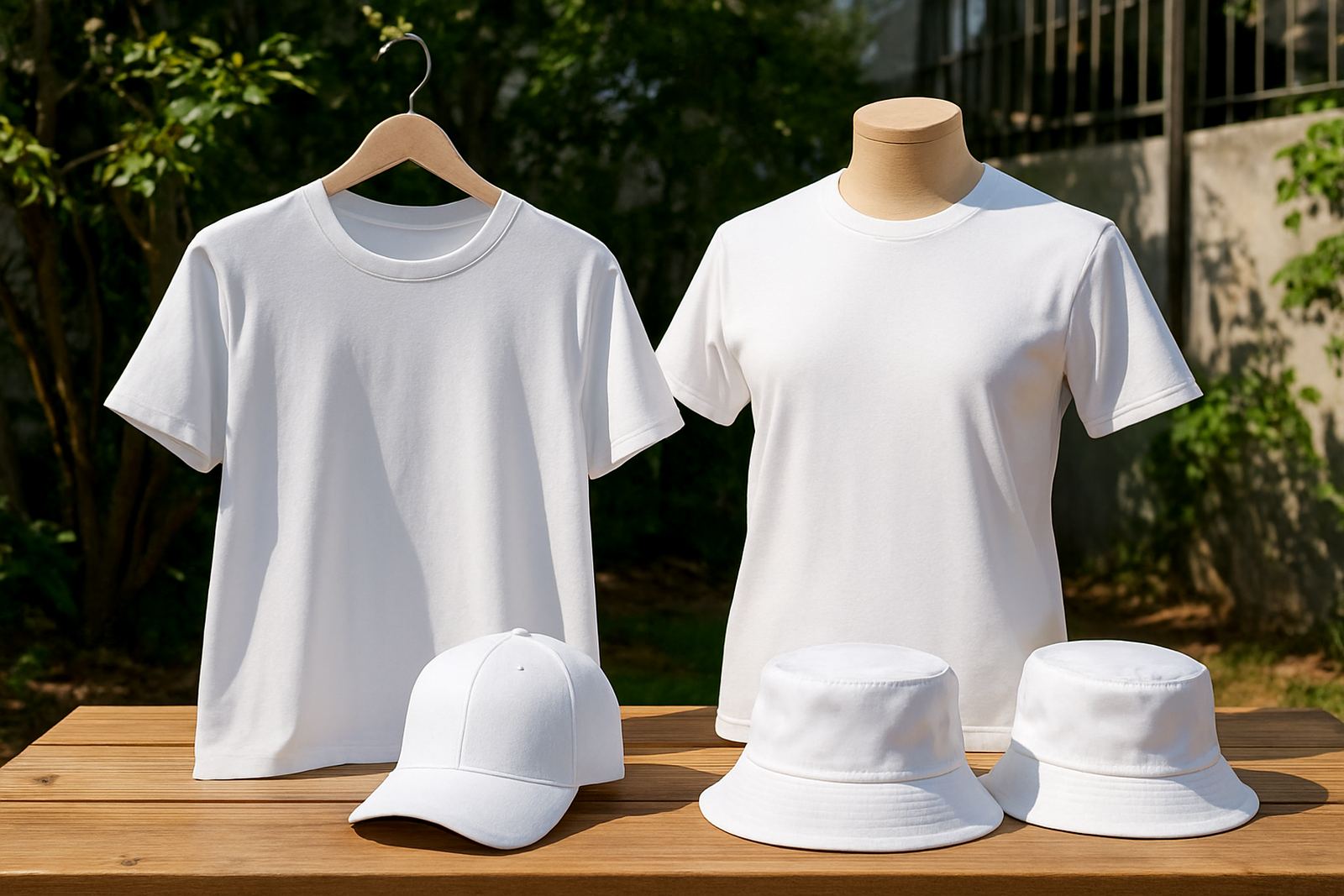
A first range does not need twenty options. In fact, too many choices can slow sales and make reordering messy. A practical opening range could be one or two t-shirt styles, one hoodie, and one or two accessories that use the same print method. That gives you enough variety without overloading your shelf space or cash flow.
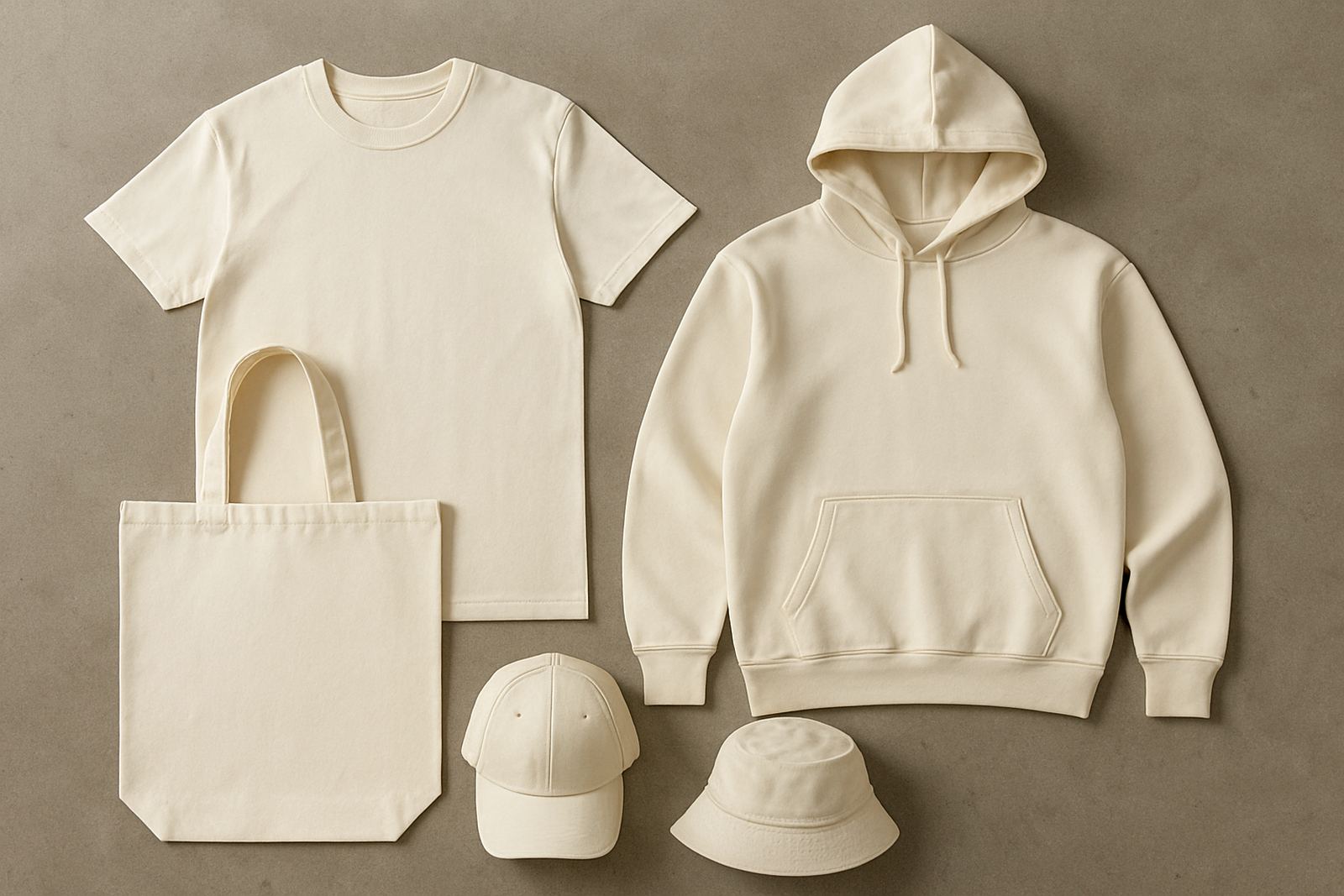
Many new sellers do better when they create a simple ladder of price points. A basic tee can bring in volume, a midweight hoodie can improve your basket value, and a smaller item like a cap, drawstring bag or mug wrap can help you use spare artwork. This approach is useful for local markets, school sports days and online orders alike.
- Keep one entry level item for quick sales
- Add one higher value item for better margins
- Include a small accessory to lift average order value
- Stay with the same colour family at first so stock is easier to manage
Plan Sizes Carefully Before You Order
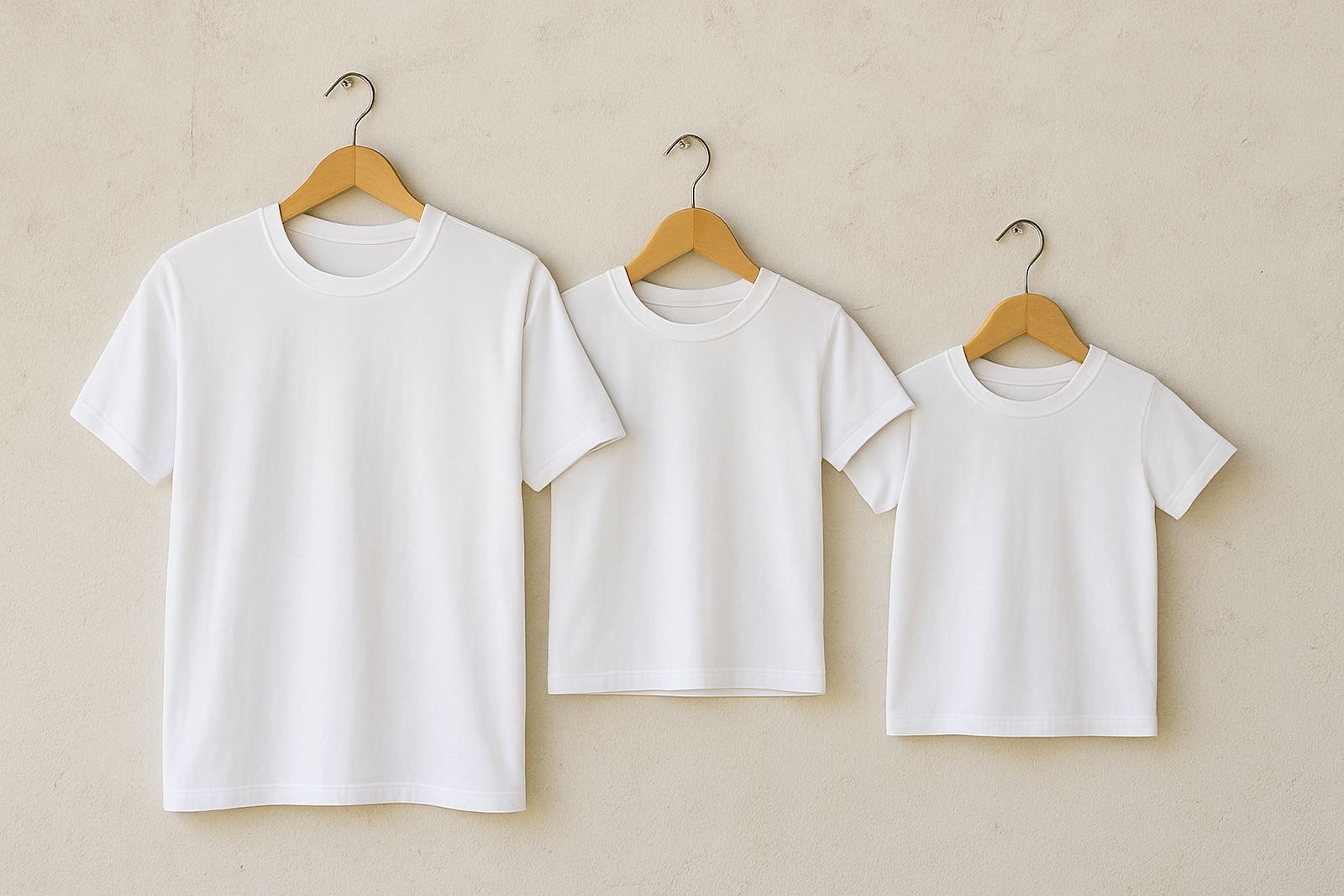
Size breakdown is where many new ranges go wrong. If you guess, you often end up with too many smalls and not enough larger sizes, or the reverse. South African customers are more size-aware now, and a single weak size mix can hold back the whole line. A good starting point is to study who will buy your product and where they are buying it from.
For example, if you are serving a gym in Hillcrest or a staff uniform order in Pinetown, you may need a broader run in medium to 2XL. For youth events or market stalls, smaller sizes may move faster. Keep notes on what gets requested during collection and delivery, because those calls are often the best market research you will get.
A simple size plan can save a lot of back and forth:
- Use past orders or sample packs to guide your size split
- Hold a little extra stock in the most common sizes
- Do not overbuy rare sizes until you know the demand
- Check fit charts carefully before promising delivery dates
Choose Colours That Sell and Print Well
When you are starting out, colour choice should be practical. White is usually the best starting point for sublimation because it shows artwork clearly. Black, navy and other dark shades may suit other print methods, but they are not always the right choice for a beginner range. If your customers want a neat, high-contrast result, keep the base garment simple.
You can still create interest through the artwork rather than the garment colour. That makes stock easier to hold, especially if you are running a small operation from home, a studio or a shared workspace. In areas like Phoenix or Westville, where buyers may want fast turnaround for school or business use, simple colour planning helps you avoid delays when orders come in urgently.
Good first colour rules are easy to remember:
- Start with white where possible
- Add only one or two extra colours once sales are proven
- Keep colour choices consistent across your whole opening range
- Check how each colour looks in natural light before you buy in volume
Use Small Test Orders Before You Commit
A sample pack is worth far more than a guess. If you can test a few items first, you can check fit, stitching, print response and packaging before you commit to bigger quantities. This is useful for crafters, small brands and promo teams alike. It also gives your customer something real to approve, which reduces mistakes and returns.
At the start, it is wise to treat your first range as a learning round. Look at what customers ask for, which sizes sell first, and which item gets the least attention. If you are dispatching nationwide, keep a clear record of where orders go so you can see whether Durban, Johannesburg, Cape Town or smaller towns are responding differently. That helps you plan your next buy with more confidence.
A few low-risk habits can protect your budget:
- Order samples before placing a full restock
- Check product quality after transport and storage
- Track returns and repeats to see what actually performs
- Use your first sales to guide the second buy, not the other way round
Keep Stock Movement Simple From Day One
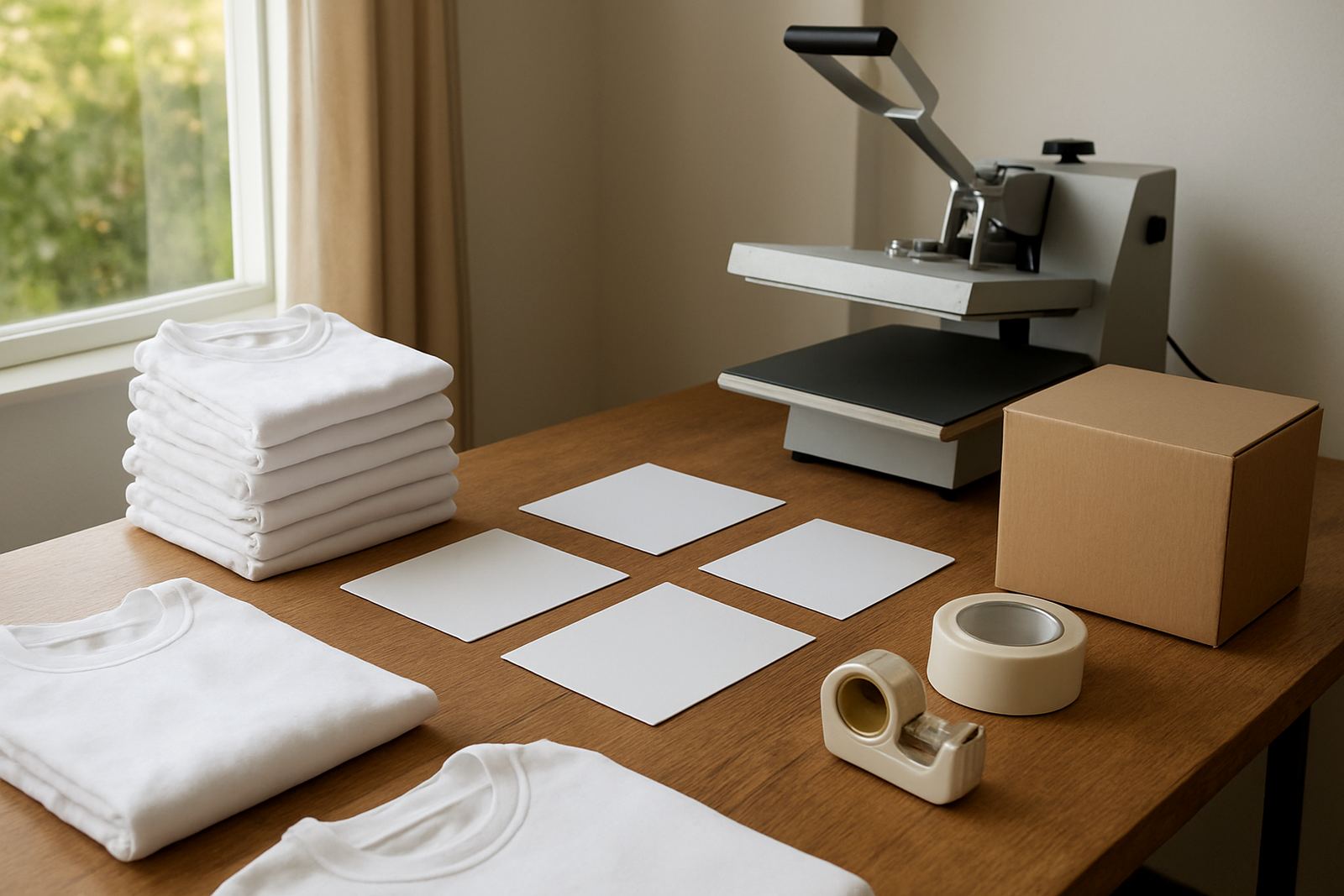
Once your first range is live, the goal is not just to sell but to keep stock moving cleanly. That means clear picking, simple size breakdowns and reliable dispatch. For a supplier in Pinetown serving all of South Africa, the practical side matters just as much as the product itself. Good packing notes, steady courier handovers and careful returns checking can save you time and money.
In the early stages, many businesses do best by planning for seasonal peaks too. School events, year-end functions, winter hoodie demand and January restocking all affect what should be on hand. If you keep your line narrow and your records tidy, it becomes much easier to reorder with confidence instead of guessing from memory.
The best first range is not the biggest one. It is the range you can explain, print on, pack and restock without stress. Start with the garments that fit your market, then grow from the items your customers ask for again.