Why sublimation and polyester work together
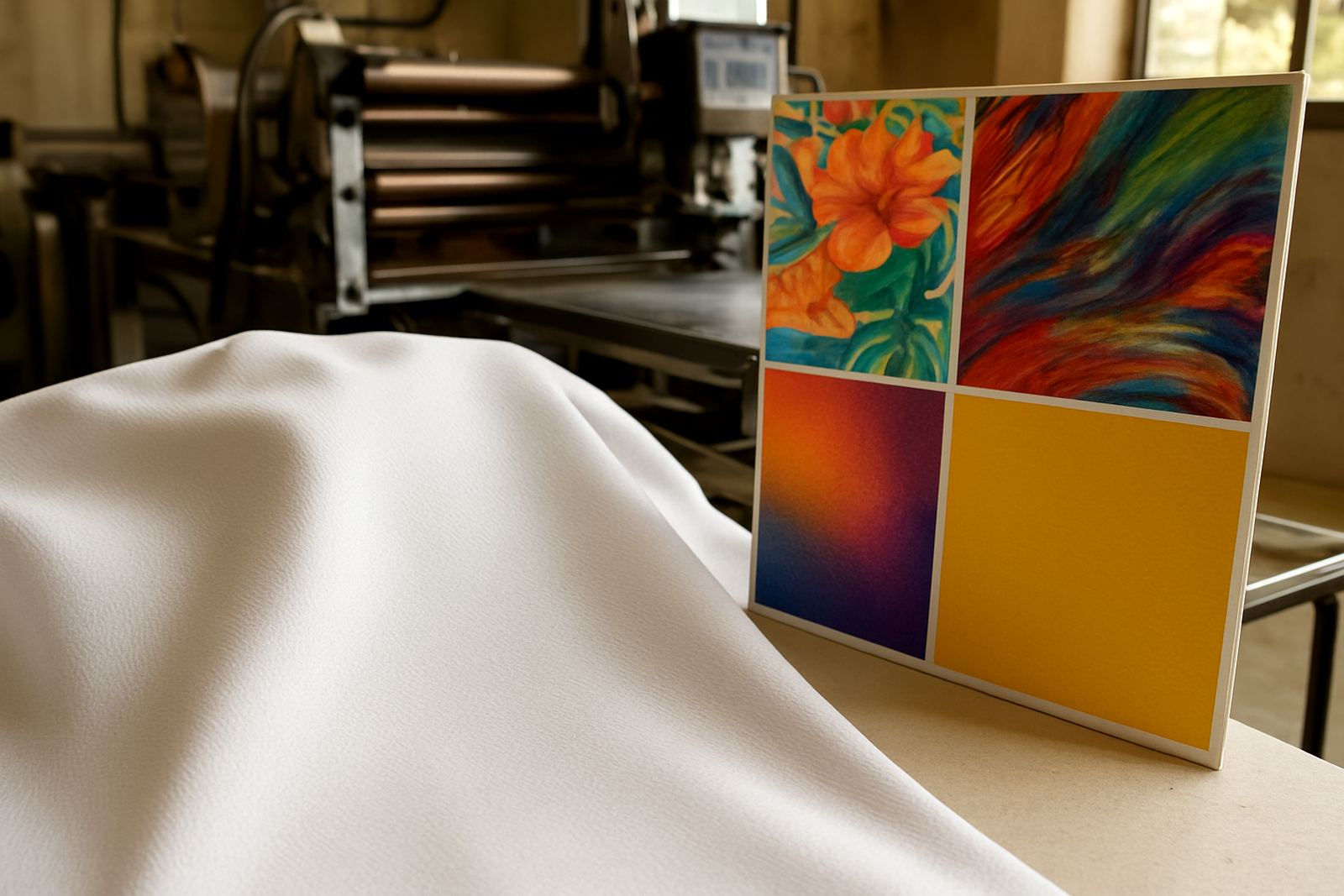
Sublimation printing is made for polyester. When heat is applied, the dye turns into a gas and bonds with the fibres rather than sitting on top of the fabric. That is why the print feels light in the hand and why the colour can look sharp right across the garment. On cotton, the same process does not perform in the same way, which is why polyester blanks are the safer choice for anything that needs proper colour transfer.
For apparel blanks, the fabric count and finish matter too. A smooth polyester surface gives better detail for logos, text and full-colour artwork. If the cloth is too textured, the edges can look soft and the image may lose some bite. For many local businesses, that difference shows up in customer returns, and nobody wants that.
Colour that holds up in everyday wear
Good polyester is chosen not only for bright print results but also for wear. It keeps its shape, dries quickly and copes well with repeat washing when the artwork is applied correctly. That is useful for school events, sports groups, staff uniforms and promotional clothing that must keep looking tidy after a few rounds through the laundry.
In Durban and along the coast, humidity can be hard on stock storage. Polyester handles that better than many natural fibres because it does not absorb moisture in the same way. If you are keeping blanks in Pinetown, Westville or Umhlanga, a neat, dry store room and proper packaging help keep the garments ready for press. A damp box of blanks is a headache no one needs.
- Best for bright logos and detailed artwork
- Less likely to distort during normal handling
- Quick drying after washing or sample testing
- Works well for repeat production runs
What to look for when buying blanks for print
Not every polyester garment is the same. For sublimation work, the material should be suitable for high heat transfer and made with consistent sizing. A small variation in cut can cause problems when you are doing size breakdown packs or event order kitting. It helps to check the neck finish, sleeve shape and seam lines before placing a larger order.
Buyers in South Africa also need to think about how the garments will be used. A reseller in Hillcrest may want compact pack sizes for online orders, while a promotional company in Phoenix might need bulk order picking and seasonal stock planning for a roadshow. If you are sending stock nationwide, it is worth choosing blanks that travel well and pack flat without creasing too badly.
- Check that the fabric is suited to sublimation heat settings
- Look for even stitching and consistent sizing
- Choose styles that suit your artwork placement
- Ask about sample pack assembly before a large run
Polyester keeps short deadline jobs moving
When deadlines are tight, polyester saves time because it behaves predictably. The press settings stay more stable, the colour response is easier to manage, and the finished item is ready for packing faster. That matters when a client in Amanzimtoti needs branded tops by Friday, or when a small brand in Pinetown is preparing for a weekend market and cannot afford misprints.
For production teams, the benefit is not just print quality. Polyester blanks are easier to sort, count and dispatch in volume. That helps with returns checking, reseller restocks and nationwide dispatch where the stock must leave the warehouse correctly labelled. A clean system on the back end often means fewer phone calls later, which is always good.
Local use cases: from promos to creator labels
Across Durban and beyond, polyester blanks are used for different kinds of work. A promo company may need matching tees for an expo, a small label may want hoodies for an online drop, and a crafter may need a few sample pieces before offering custom orders. The common thread is that the fabric must support vibrant colour and stay presentable after use.
Municipal event rules can also influence what gets ordered. If a team is supplying clothing for a township activation, school fundraiser or outdoor campaign, the garments often need to be packed in advance and issued in size order. Polyester helps because the stock is lighter to manage and simpler to dispatch in the right quantities. That is where practical planning counts more than fancy promises.
- Staff shirts for events and expos
- Hoodies for merch drops and resellers
- Sample packs for new customer approvals
- Bundle supplies for promotional campaigns
How to get better results from your blanks
Even with the right fabric, print results still depend on preparation. Keep blanks clean, store them away from dust and follow the recommended heat press settings for each item. Test one sample before starting a full batch, especially when a new style arrives. If the garment is for a repeat customer, make a note of what worked so the next order is faster to repeat.
Properly sorted stock before pressing also makes a real difference. Teams handling size breakdown packs and collection scheduling can save time by grouping orders in advance and checking every item against the job card. That small bit of control avoids mix ups. For busy months, especially before school events and year-end functions, the right process is just as important as the right fabric.