
Start with the people, not the order form
The best way to size a group order is to think about who will wear it and how they will use it. A netball squad, a grade 7 camp group and a family birthday crew all need different fits, even if they want the same print. One of the biggest mistakes is to guess off a few examples and assume the rest will fit the same. It usually does not.
Begin by listing each wearer and their preferred fit. Ask for actual chest size, usual clothing size and whether they like a closer or looser feel. For school groups and clubs, it helps to send a simple size sheet home or share it on the group chat. In Pinetown and Westville we often see orders change once people check proper sizes, especially when adults and teens are mixed in one order.
- Use a size chart and ask everyone to measure once, not by guess.
- Separate adults, youth and small children into their own groups.
- Allow for different fit preferences, especially for hoodies and event tees.
Keep a size breakdown before you pay for print
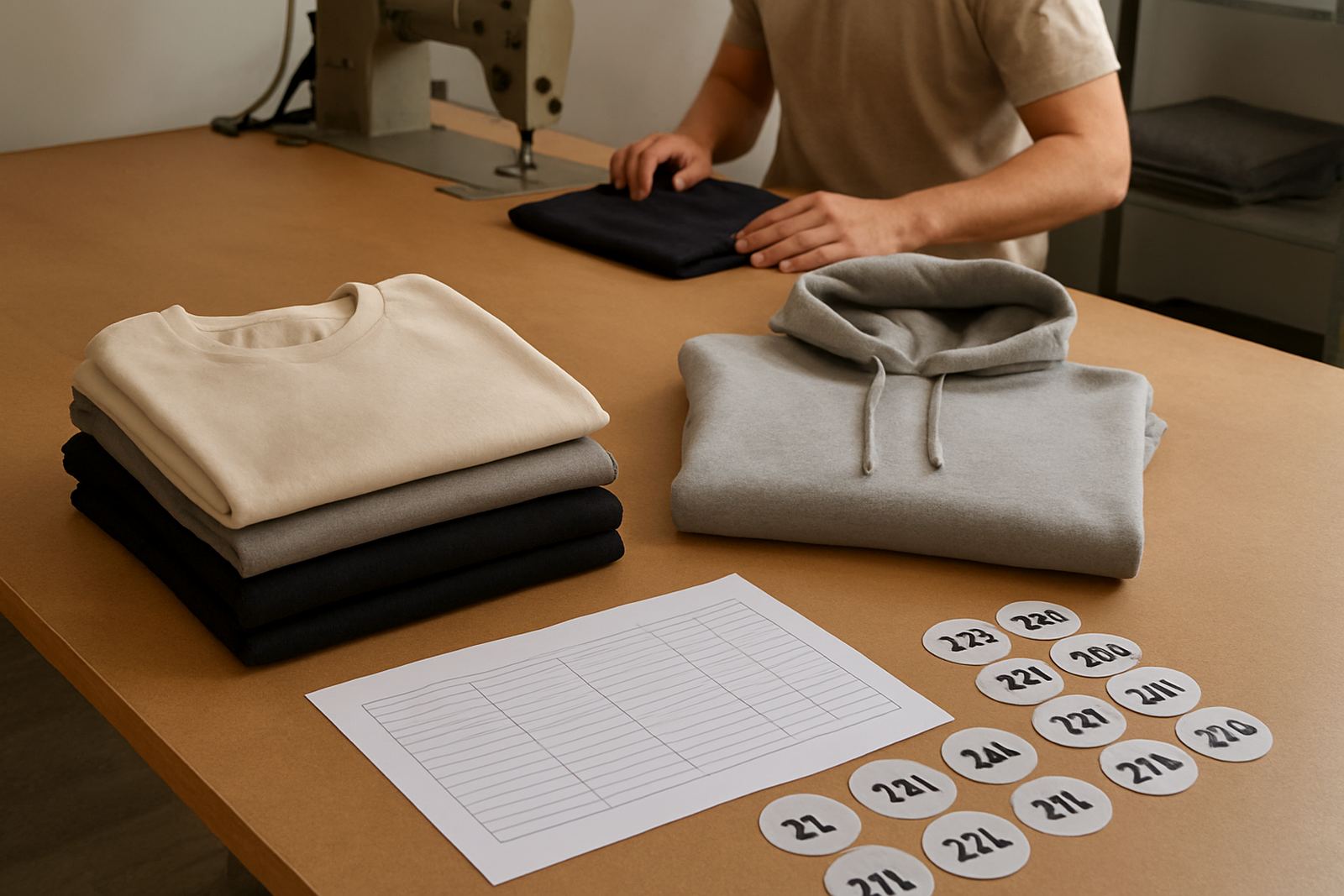
Once the list is in, turn it into a size breakdown pack. That means counting how many small, medium, large and extra large items you need before the order is confirmed. This helps when you are buying for a church outreach, a corporate fun run or a school trip, because the print run and packing can be planned properly from the start.
Mixed sizes are easier to manage when you order a few extras in the most common sizes. If you need 40 shirts, do not stop at exactly 40 if the group is still uncertain. A small buffer of one or two extra pieces in medium or large can save a second round of delivery. Around Durban and Pietermaritzburg, that extra piece often solves the last minute change after a parent, coach or committee member updates the count.
- Check which sizes move fastest in your group.
- Keep one or two spare items in the most requested sizes.
- Mark any late changes clearly before packing starts.
Match the garment to the body shape and the event
Not every garment behaves the same way in a mixed size order. A T-shirt sits differently to a hoodie, and a lightweight polyester top will feel different to a thicker winter layer. If the event is active, such as a dance crew or sports day, people often prefer a little extra room. For a cleaner promotional look, a more fitted cut may be better, but it should still allow movement.
For coastal areas like Umhlanga or Amanzimtoti, light polyester works well because it dries quickly and handles humidity better than heavier fabric. In hotter inland spots, people may ask for a looser fit so the garment feels cooler through the day. If the group will wear the items under jackets, aprons or school blazers, keep that in mind before choosing the size mix.
- Tees for events can be slightly roomier than everyday wear.
- Hoodies need more allowance at the shoulders and chest.
- For children, check age size against height and build, not age alone.
Use one person to collect and confirm every size
Group orders run more smoothly when one person is in charge of sizes. That person should collect the numbers, check for missing replies and confirm the final list before the order is placed. It sounds simple, but it prevents the usual confusion of three people sending different sizes for the same family or team member.
This is especially useful for schools in Phoenix or Hillcrest, where orders may move through a teacher, a parent volunteer and a class rep. Keep the communication in one place and give a deadline. If a person misses the cut-off, they move to the next batch. That rule may feel strict, but it keeps the full order on track and avoids delays in dispatch.
- Nominate one size captain for the group.
- Set a deadline and stick to it.
- Confirm names, sizes and quantities in writing before production.
Plan for swaps, growth and event day changes
People change their minds, children grow quickly and sometimes a team member only measures themselves after the order has been sent. That is normal. A practical sizing plan allows for a few swaps without turning the whole order into a problem. Keep the final packing list easy to read, with each size counted separately and any extras clearly marked.
For family events, it also helps to think beyond the day itself. If the shirts are for a reunion, holiday road trip or year-end function, a slightly bigger fit is often safer because the item may be worn over another layer later. In KZN winters, especially near the coast where evenings cool down, a hoodie with a bit of room is far more useful than one that feels tight.
A local example from Pinetown to the point of wear
A small school in Pinetown recently ordered mixed sizes for a sports fundraiser, with teachers, learners and a few parents all included. Instead of sending one combined count, they split the order into youth, adult and extra adult sizes. The organiser also asked for two spare mediums and one spare large. When two learners changed size after fitting day, the spare shirts covered it and the group still made their collection date.
That is the main lesson with group sizing: build in a little room for human error. Whether the order is for a school, a brand activation or a cousin’s wedding weekend, a clear size plan keeps everyone happier on the day. It also makes collection, packing and nationwide dispatch much easier when the numbers are final and the list is clean.
A practical checklist before you order group sizes
Before sending through a group order, run through the basics one last time. Check the count, the size split, the garment type and the contact person for delivery or collection. If the order is going to multiple towns, make sure addresses are correct and the receiver knows when to expect the parcel. A small mistake at this stage can cost a full round of delays.
- Confirm the final quantity and size breakdown.
- Check whether the group wants a snug or relaxed fit.
- Keep one contact person for changes and collection.
- Allow for a small buffer on common sizes if the group is unsure.
With the right prep, mixed sizes are manageable. The aim is not perfection, just a clear process that works for teams, schools and family events across South Africa.