

Start with the real number, not the hopeful one
The first mistake is ordering for the headline quantity only. If you need 100 printed shirts, work from the number that will actually be handed out, sold, or packed after extras, swaps and late additions. In South Africa, event lists change often. A sponsor may add guests, a team may grow, or a reseller may get one more shop order just before deadline.
A better method is to count for the full requirement plus a buffer. For promotions and events, that buffer should cover sample pieces, one or two damage replacements, and late size changes. If you are packing for a roadshow in Pinetown or sending kits to Hillcrest and Umhlanga, it is worth adding a little extra so one missed size does not hold the whole job.
- Count confirmed orders first
- Add a practical spare allowance
- Check sizes separately, not as one total
- Keep back-up stock for urgent reprints
Break sizes down before you place the order
Most shortfalls happen because the total quantity looks right, but the size mix does not. Ten extra shirts in the wrong size are not useful when the client needs large and extra-large. For schools, sports days, staff uniforms and promo runs, size breakdowns matter more than almost anything else.
Look at previous orders if you have them. If your team usually orders more medium and large than small, use that pattern rather than guessing. For Durban and coastal areas, keep in mind that many groups prefer a slightly looser fit for comfort in the heat, while colder inland events may lean differently. A clear size split is much safer than a rough estimate scribbled on a phone note.
- Review the last three similar orders if available
- Confirm the size split with the organiser
- Set aside a few extra large sizes for last-minute changes
- Check whether kids, ladies and unisex cuts are mixed in the same order
Plan around print method, lead time and stock movement
Apparel blanks for sublimation need to be chosen early enough for printing, packing and dispatch. If a campaign starts on Monday and the blanks only arrive on Friday, the whole job becomes rushed. That is how mistakes happen. A clean plan includes the order date, the production date, and the day the stock must leave Pinetown or be collected.
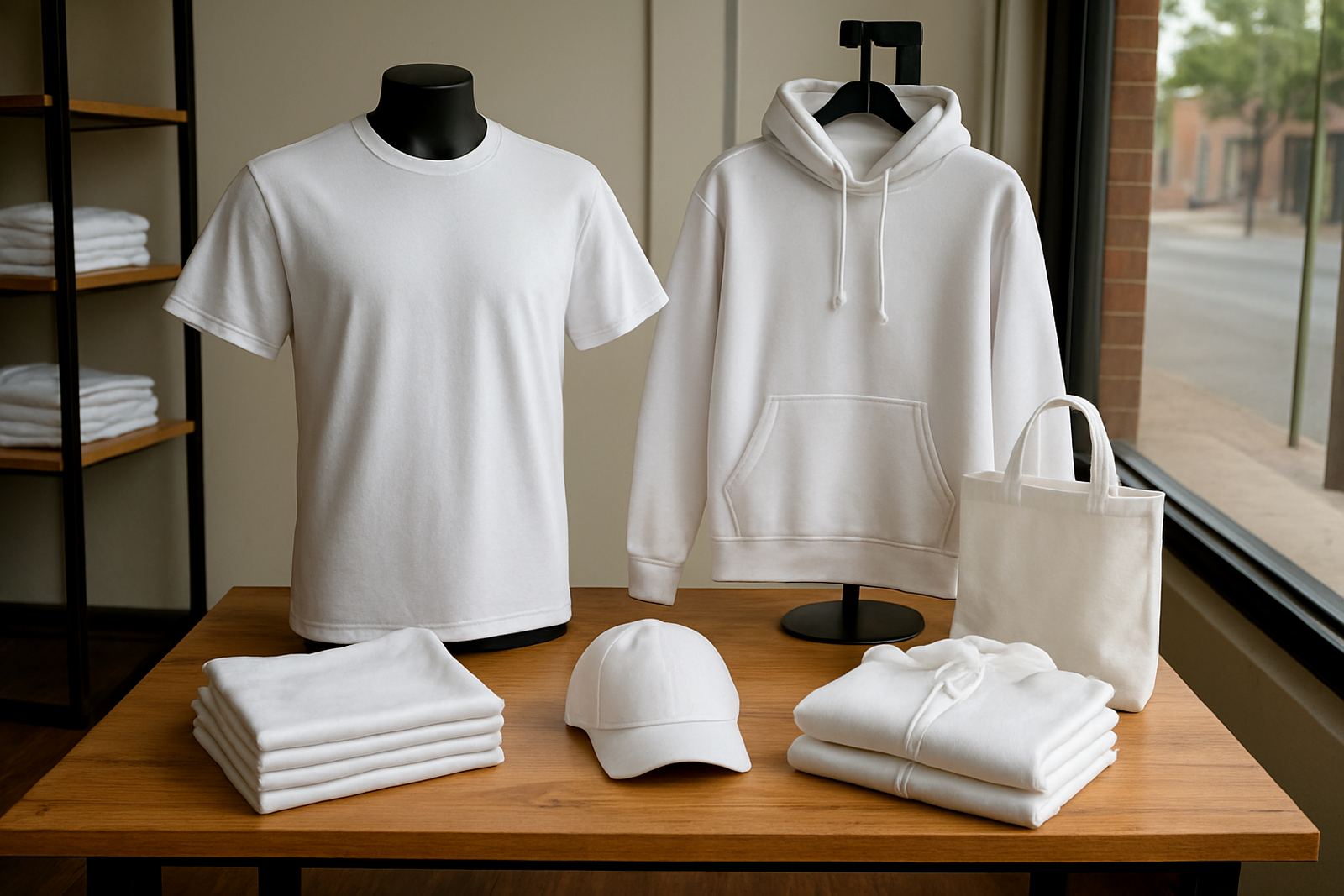
Stock movement needs a bit of thought before the promotion starts. A promotion may look small on paper, but once it is approved, the count can jump quickly. Use a simple checklist so no one forgets to add the caps, bags or hoodies that go with the main garments. During load-shedding, production timing matters even more because you may lose a window for sorting, counting and packing. Build that into the schedule from the start.
For example, a Durban café group planning a winter activation in Westville might first ask for 60 hoodies, then later add another 15 for staff and suppliers. If the first order was placed too tightly, those extra items can miss the handover date.
Use event kitting so nothing gets missed on packing day
Event packs are where shortfalls become visible. If you are making packs for a school fun day, trade show or promotional tour, each kit should be checked before it leaves the warehouse. One missing shirt in a bundle can mean an unhappy customer at the venue and a rushed replacement run.
A tidy kitting process helps with this. Separate the sizes first, then group by pack type and quantity. If the order includes mixed items, label every bundle clearly so the same count is easy to track from start to finish. This is especially useful when stock is going out to different areas like Phoenix, Amanzimtoti and Umhlanga on the same day.
- Count items in and out at every stage
- Label each pack with size and quantity
- Keep event stock apart from reseller stock
- Check the final pack list before dispatch
Where there is a collection, schedule it with enough time for one final count. A rushed pickup often means someone is trying to load while still sorting, and that is when the wrong sizes get mixed in.
Keep a buffer for reorders, returns and replacements
Even the best planned order can have a few issues. A client may ask for replacements after a fitting session, a printed item may be set aside for quality checking, or a reseller may need to swap a size. That is why a small buffer stock matters. It gives you room to fix problems without starting a whole new order.
For regular customers, the buffer can be tied to the usual monthly usage. For seasonal runs, use the previous year as your guide. If you sold out of mediums and large hoodies early last winter, do not repeat the same mistake this winter. Keep enough blanks aside for likely restocks, especially when temperatures drop and hoodie demand jumps quickly.
Returns checking also helps you spot whether your size planning is off. If the same size keeps coming back unused or swapped, your order mix may need adjusting. That insight is worth more than guessing based on one busy week.
A simple Durban example makes the point clear
Think of a sports club in Pinetown preparing for a weekend tournament. The organisers say they need 80 sublimation shirts for players and support staff. By the time the list is confirmed, five late sign-ups appear, two players ask for a different size, and the coach wants three extra shirts for reserve players. If the order was placed at exactly 80, the club is now short before the printing even starts.
The better approach is to order for 90, then split sizes properly and keep a few blanks aside for changes. That small margin protects the event, reduces courier pressure, and avoids awkward apologies on the morning of the tournament. It also gives the printer cleaner stock to work with, which helps the final result look more consistent.
Shortfalls are not usually caused by one big error. They happen because too many small things were left to the last minute. When you plan early, count properly and allow for local realities like traffic, weather and power cuts, you give the order a far better chance of landing on time and in full.