Choose the blank around how the club actually uses it
A club shirt for a weekly practice is not the same as a top for an annual gala dinner, and it should not be ordered as if it is. Sporting clubs need light, breathable polyester that handles sweat and repeated washing. Social clubs often want neat collared tops or easy-wear T-shirts that members can wear to events, fundraising days or travel. Hobby groups usually prefer something practical, such as a T-shirt or hoodie that members can wear while making, building or travelling.
For clubs in Durban and the surrounding areas, fabric choice matters even more because humidity can make heavier cotton feel sticky and slow to dry. Polyester blanks give a cleaner result for sublimation, and they hold colour well if the garments are prepared correctly. That means fewer complaints about fading, dull prints or shirts that look different after a few washes.
- Sporting clubs: lightweight crew neck T-shirts, performance tees, training vests
- Social clubs: clean-cut T-shirts, hoodies, zip tops for cooler evenings
- Hobby clubs: durable tees, aprons, and outer layers for regular use
Match sizes before you place the full order
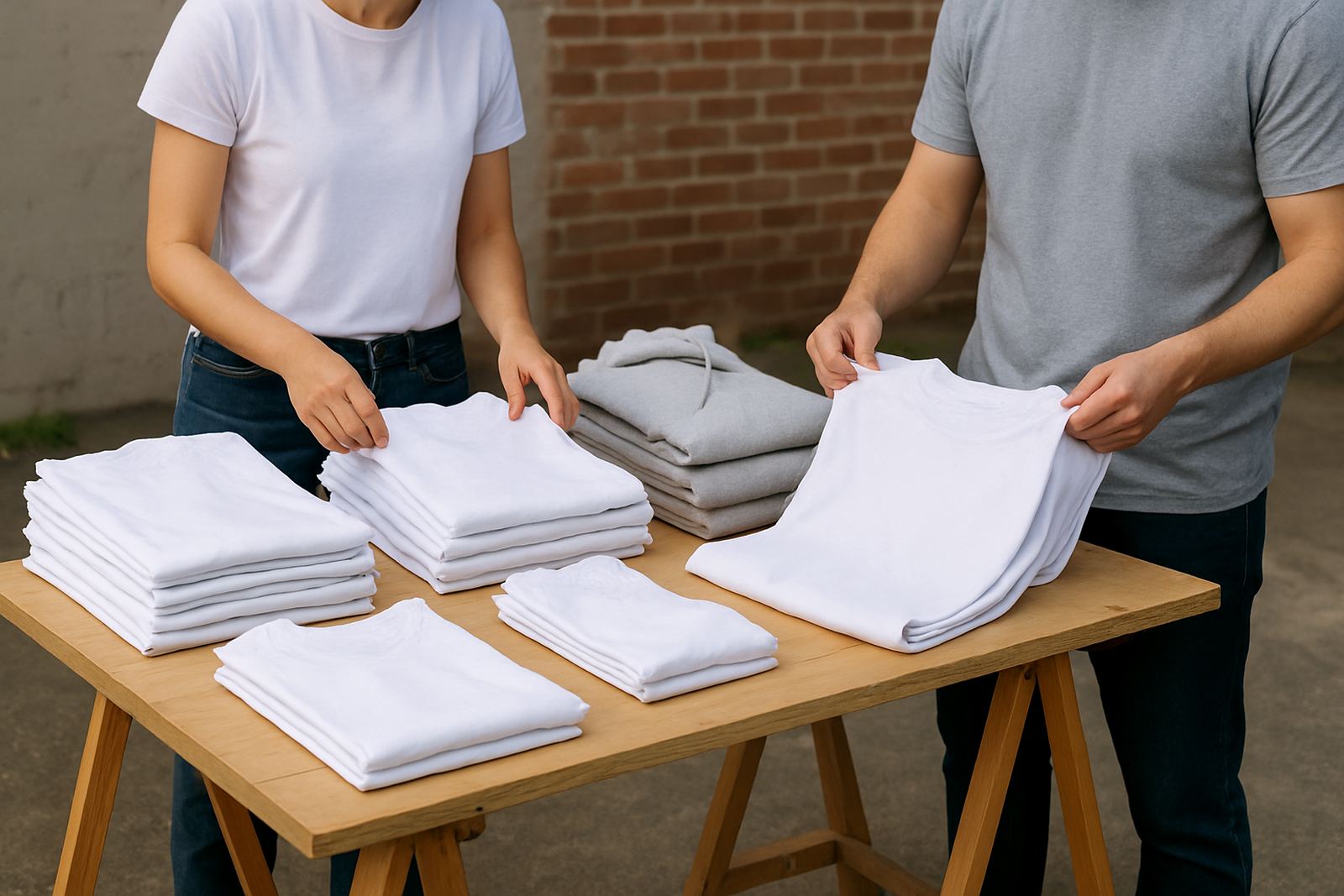
Club orders go wrong when the sizing is guessed from memory. Someone always needs a 2XL, someone else wants a youth size, and a few members prefer a looser fit. The easiest way to avoid exchanges is to build the order around a proper size breakdown pack before the main run is confirmed. That gives the organiser a real feel for the fit and helps with the final count.
Sort members into sizes early, especially when the club has mixed ages or a wide range of body shapes. A running club in Pinetown or Westville might need more medium and large sizes for the core group, while a youth choir in Phoenix may need smaller sizes with a few larger options for teachers and support staff. Get the spread right and the whole order feels better from day one.
- Use sample garments before locking numbers
- Collect sizes by name, not only by category
- Allow a small buffer for late members or replacements
Print areas that work for names, numbers and club identity
Clubs usually need more than one type of mark on a garment. A school-style sports club may want numbers on the back, initials on the chest, and a logo on the sleeve. A social club might only need a clean front logo and member name. Hobby groups often prefer a small mark on the chest and a larger design on the back for events.
Before ordering, think about where the print will be seen and how the garment will be worn. If jackets are often zipped up, a front chest logo should sit high enough to remain visible. If shirts are used for outdoor matches or community runs, the back area is often the best place for larger text. With sublimation-ready polyester, prints can cover wide areas without the heaviness of added layers, which keeps the garment comfortable in warm weather.
- Chest logo for club identity and everyday wear
- Back print for names, numbers, event dates or sponsors
- Sleeve print for smaller marks, divisions or special roles
Why polyester blanks suit club work better than mixed fabrics
Many clubs are trying to balance budget, comfort and appearance. Mixed-fabric garments can seem like a saving at first, but they often create trouble for full-colour sublimation because the print result is less even and less vibrant. Polyester blanks are the safer choice when the final garment needs strong colour, crisp detail and repeatable results across a full batch.
For clubs that order every season, the bigger advantage is consistency. If one team gets shirts this year and a second team orders again later, the same type of blank helps the print look matched across the group. That matters for interclub events, local leagues and public outings where the group should look organised from the start. It also helps when stores of spare garments are needed for new members or late registrations.
- Better colour hold for logos, text and badges
- Cleaner repeat orders for future seasons
- More suitable for full-batch club wear in warm or humid conditions
Plan club orders around seasons, events and travel
Clubs rarely need only one style of clothing. A winter order may call for hoodies and long sleeves, while summer events need lightweight T-shirts and vests. The best approach is to plan stock around the calendar instead of reacting at the last minute. This saves admin time and reduces urgent courier fees when a tournament or annual outing comes up sooner than expected.
In Durban, weather can change the wearing pattern quickly. A club in Amanzimtoti may need lighter gear for the coast but still want a warmer layer for evening events inland. Hillcrest clubs often ask for an extra hoodie option because early mornings and late afternoons are cooler. If the order is split into event kits, members can receive the right items without confusion.
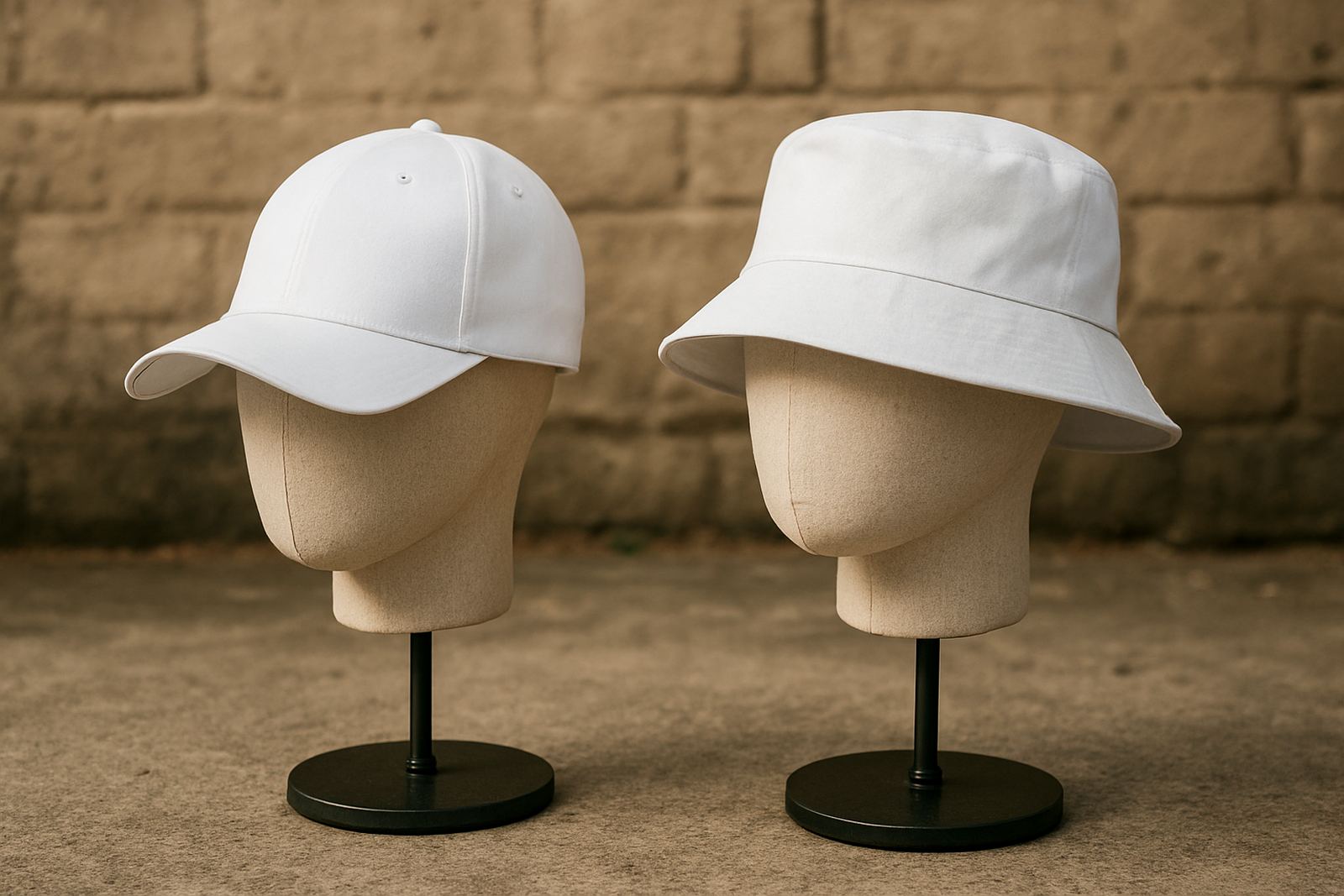
- Summer: tees, caps, light tops and event packs
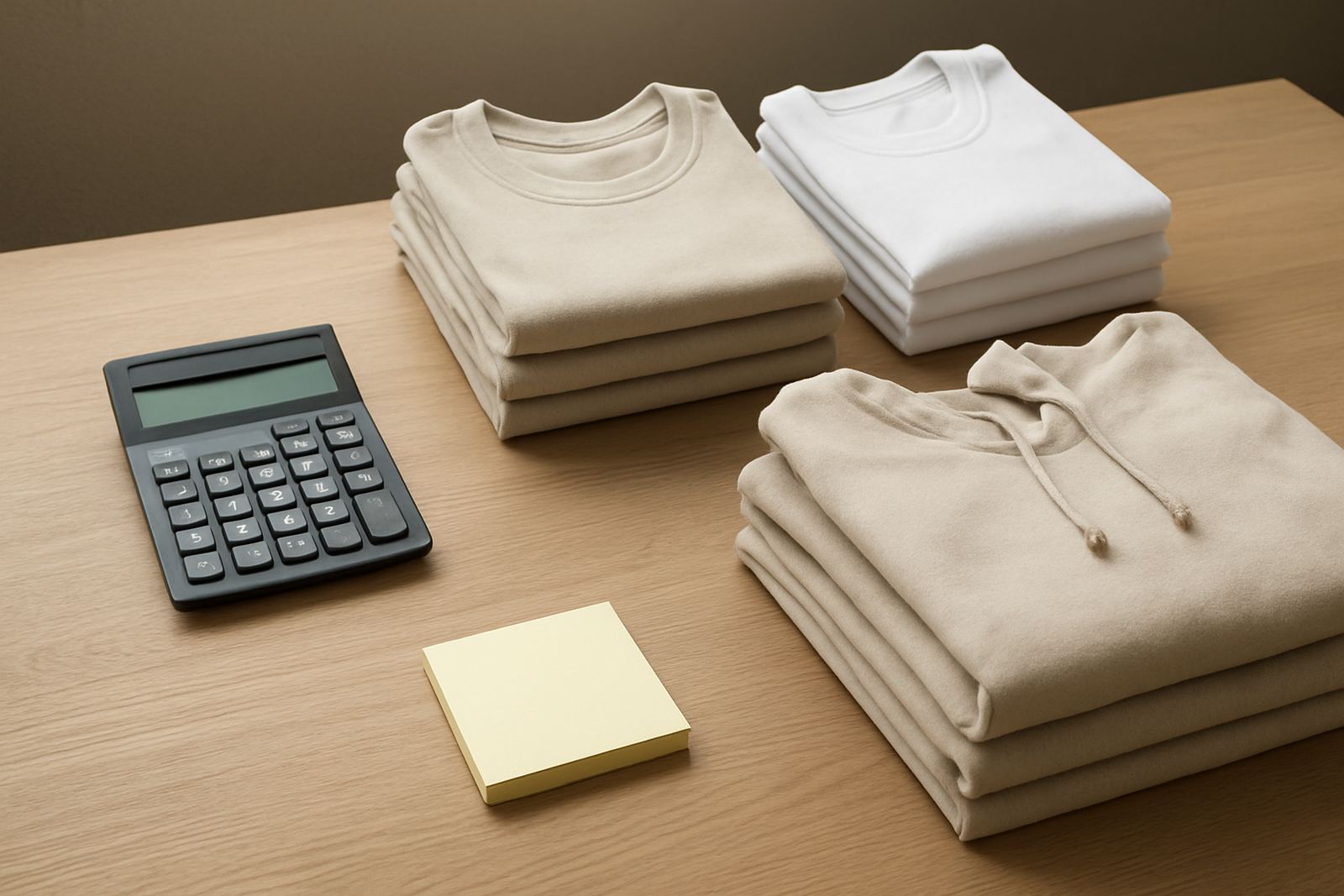
- Winter: hoodies, long sleeves and layered club wear
- Travel: matched sets packed by size for quick issue
A local example: a Pinetown club order done properly
A small mixed sporting club in Pinetown needed shirts for training, community matches and a year-end function. The organiser first collected sizes by name, then split the order into training tees, event wear and a few spare garments. That made it easier to keep the look consistent while still allowing different uses across the season.
Because the club had members from Pinetown, Westville and Phoenix, collection and dispatch had to be managed carefully. The organiser also kept one sample shirt aside for new sign-ups, so replacements could be matched later. That saved time when three new members joined after the first delivery. Small details like this matter, because once the order is in use, nobody wants to rework it over a missing medium or a shirt that fits badly.
For clubs that order regularly, a straightforward system works best: confirm sizes, confirm garment type, confirm print placement, then pack by member or by team. It reduces mix-ups and makes handing out garments much easier on collection day.
What club organisers should check before approving the order
Before the final go-ahead, it is worth checking a few basics. The fabric must suit sublimation, the size range must cover all members, and the packing method should match how the club will distribute the items. If shirts are going to different branches or committee members, a clear kitting plan can stop delays and missing parcels.
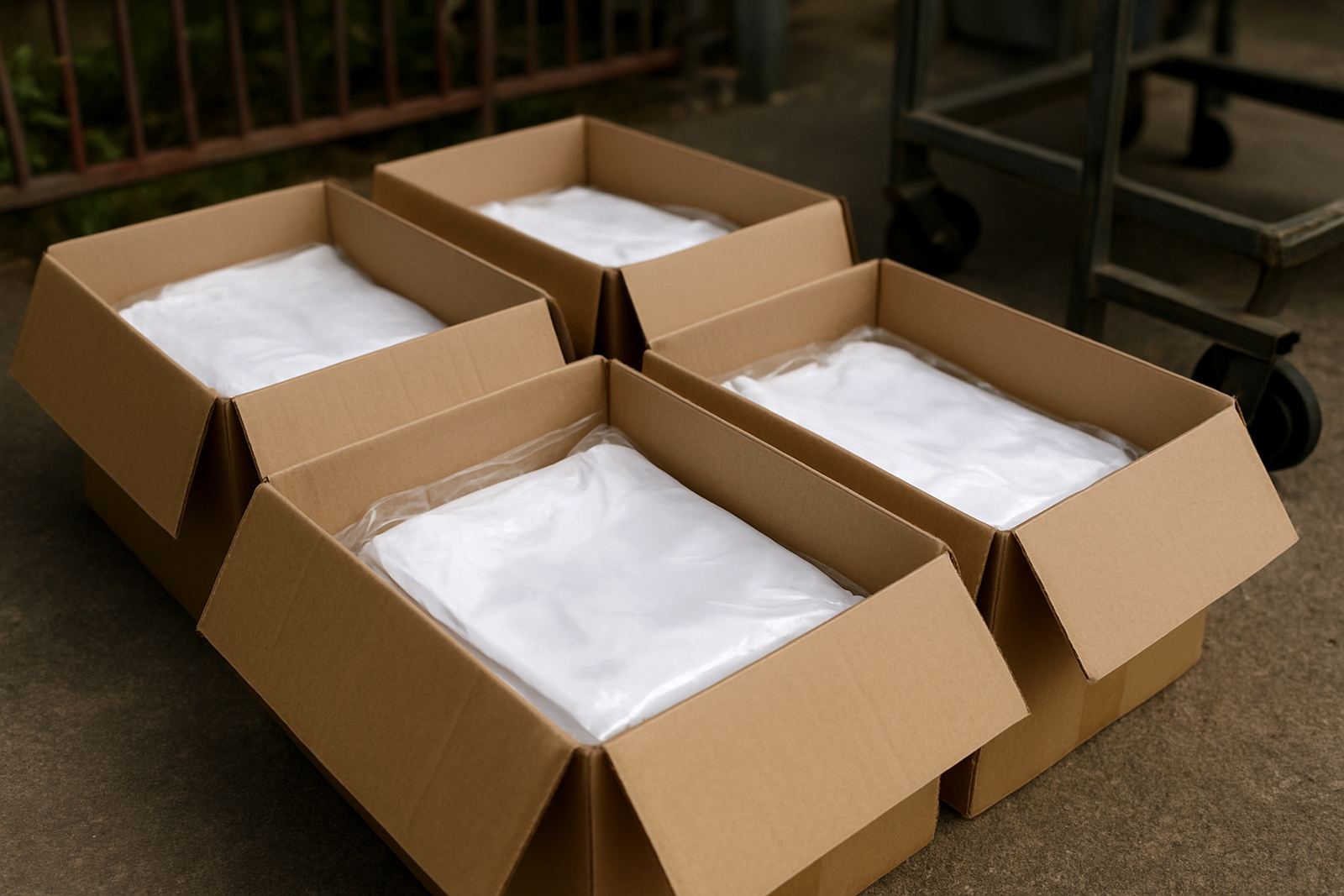
Check whether the club wants direct member issue, bulk cartons or sorted packs by team or age group. For larger groups, returns checking and size breakdown packs are useful because they reduce unnecessary exchanges. If the order is for a fundraiser or a launch, sample pack assembly can help the committee choose the right style before committing to the full quantity.
- Confirm fabric suitability for sublimation printing
- Check the size spread before approving quantities
- Decide how the final packs should be sorted and issued
For clubs across South Africa, the goal is simple: get coordinated wear that feels good, lasts through regular use and looks right when the whole group arrives together. That is what turns a basic blank into proper club clothing.