
Start With Blanks That Sell Fast, Not Just Cheap
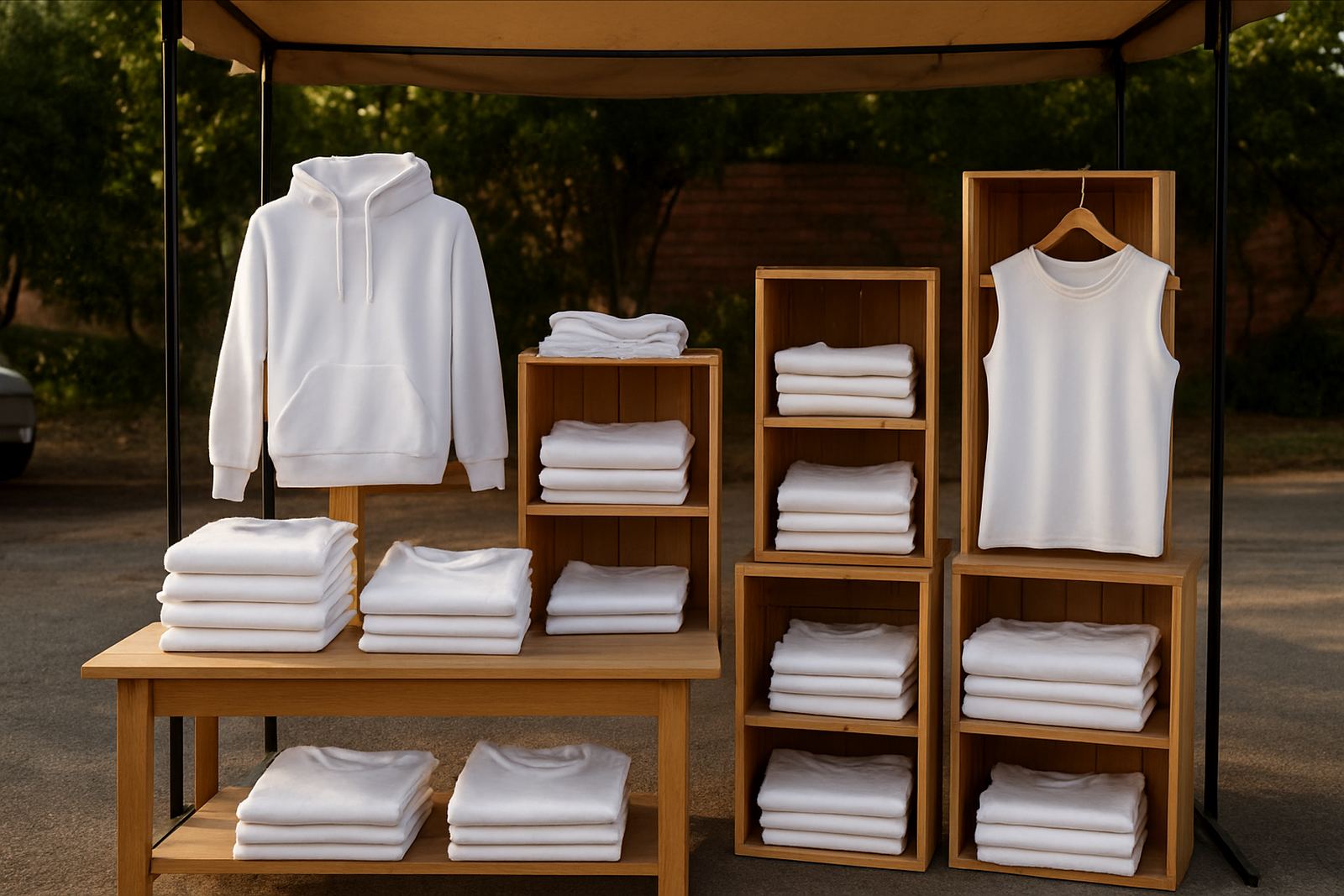
When a small order comes in, it is tempting to chase the lowest unit price. That can backfire if the shirts sit in a box, or if the fit and feel lead to exchanges. For small run work, the better move is to stock the blanks that move most often: standard t-shirts, hoodies, and a few add-on pieces like tote bags or caps. Keep to colours and sizes that your customers already ask for. In Durban and inland towns alike, plain black, white and grey usually turn faster than odd shades because they suit schools, events, and brand merch.
Think in terms of sell-through, not only purchase price. A slightly dearer blank that prints well, washes well, and is easy to restock can protect margin far better than a bargain item with weak demand. If a customer comes back for a repeat order, you want the same fit, the same size range, and the same print result. That repeatability saves time and builds trust.
- Keep a core range of 3 to 5 colours only
- Carry the size mix your market uses most, not every size in depth
- Test one sample before committing to a larger run
- Record which items reorder within 30 days
Price the Print Work as Time Plus Waste, Not Guesswork
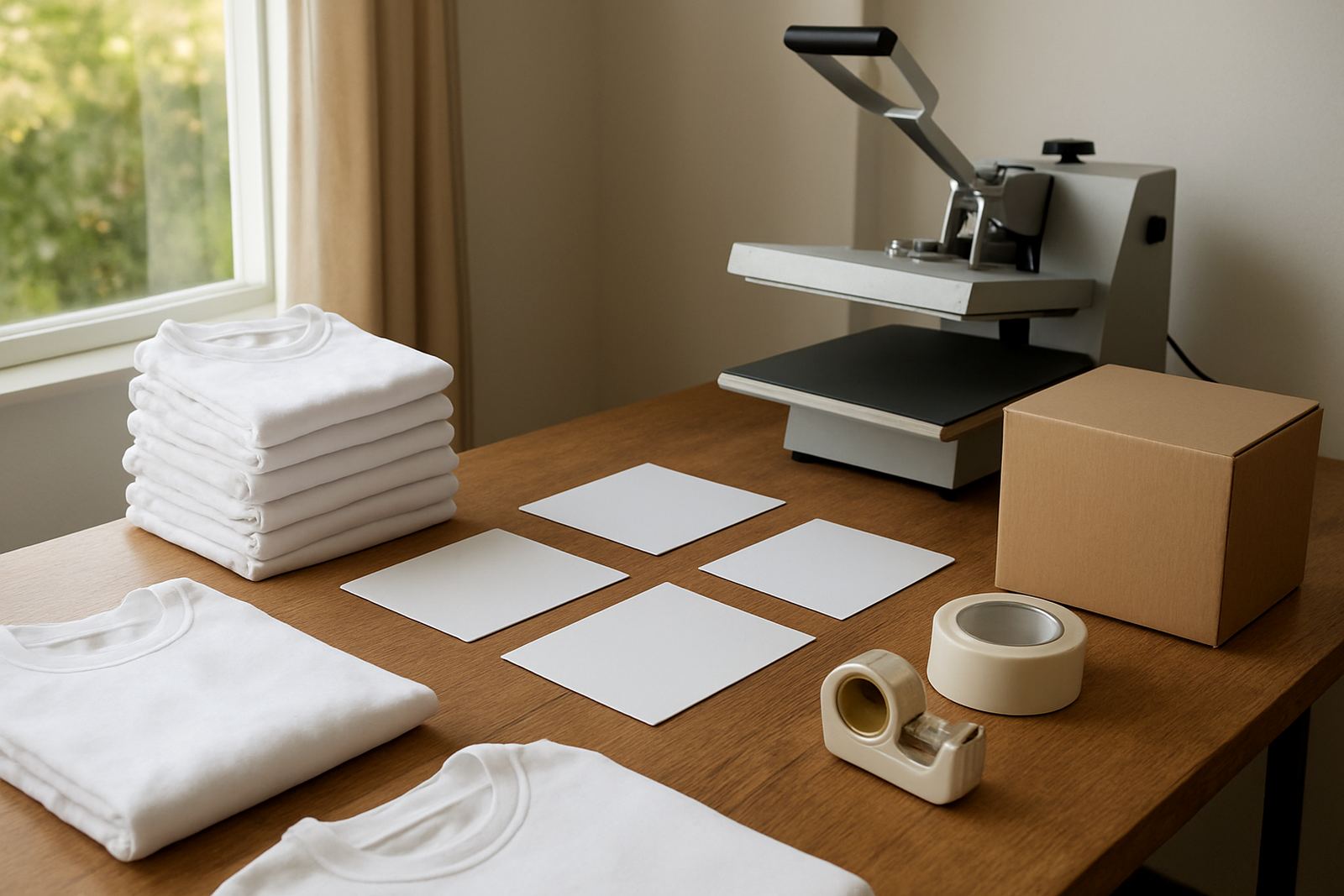
Many side hustles underprice because they count only the blank garment and the print consumables. That leaves out the real costs: layout time, pressing time, spoilage, packing, fuel, courier bookings, and the minutes spent messaging customers. A simple way to stay profitable is to set a minimum handling charge for any order under a certain quantity. Small orders need more admin per item, so they should carry a higher margin.
For example, a 10 piece school event order can take less time than a 3 piece custom gift order, but the tiny order often needs the same setup work. If you do not charge for setup, you end up working for free. Build a small buffer into every quote for reprints and colour variation. That buffer should be part of the price from the start, not added after a mistake.
- Separate your quote into blank, print, packing and delivery
- Use a minimum order fee for tiny jobs
- Add a waste allowance for misprints and test pieces
- Review pricing after every 10 to 15 jobs
Use Size Breakdown Packs to Stop Cash Tied Up in Slow Sizes
One of the easiest ways to lose margin is buying full-size runs that do not match your customers. Small run sellers often need more medium, large, and extra large than anything else, with only a few small and double extra large units. Size breakdown packs help you hold the right mix without overloading the shelves. That matters even more when you are operating from home or a compact unit in Pinetown, where space is tight and stock must turn.
It also helps with event orders. If a client in Westville wants 40 shirts for a church day, a school fundraiser, or a local run club, the size mix is usually not equal. Ask for a size list upfront and supply according to the actual need. That reduces leftovers and keeps your cash flowing. If a size is slow, do not keep buying it in the same depth just because it is part of a standard pack.
- Track your top 3 size mixes by customer type
- Keep a simple stock sheet for incoming and outgoing pieces
- Use smaller replenishment buys rather than one large load
- Offer pre-packed size sets for repeat buyers
Bundle to Lift the Average Order Value
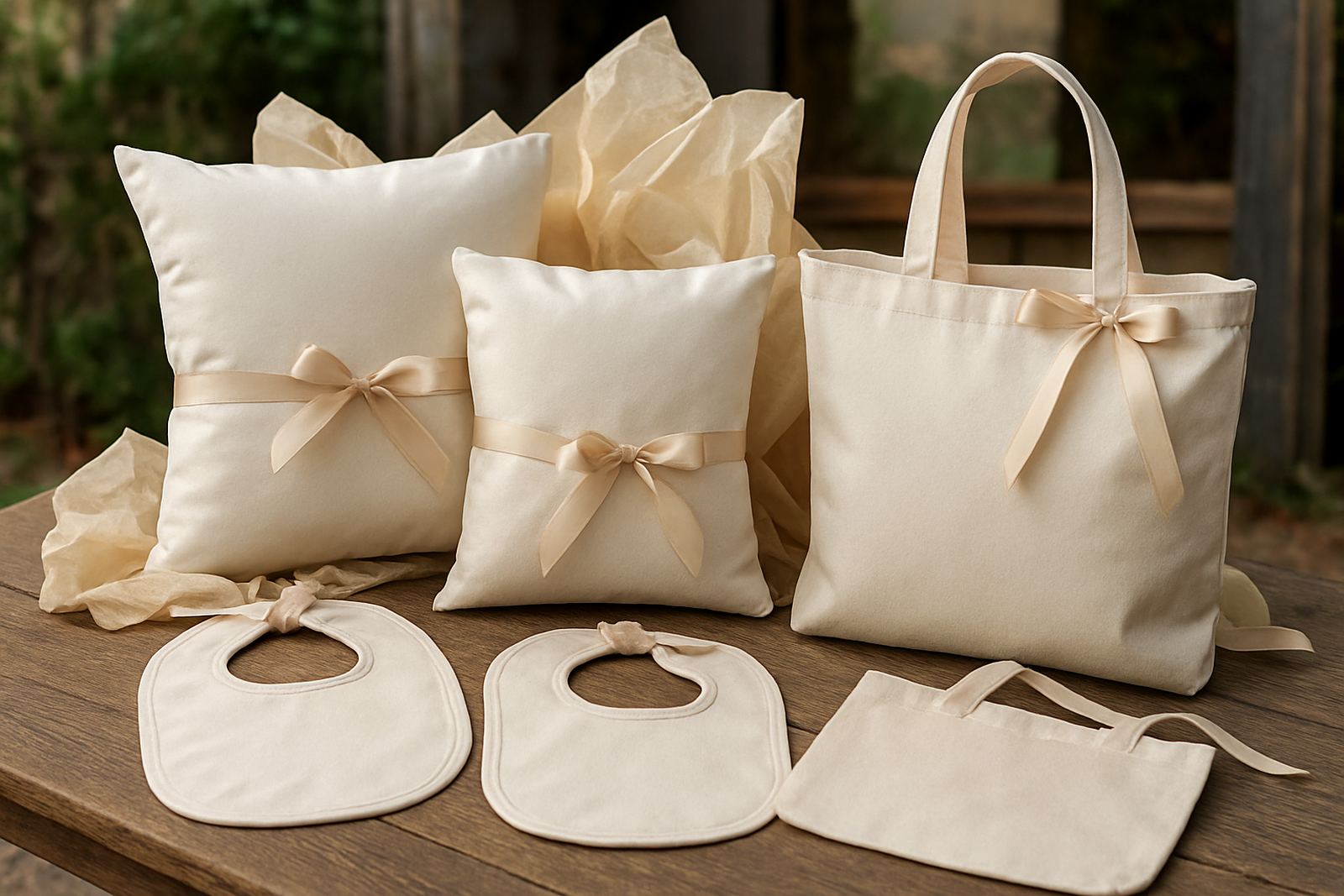
Small orders become far more profitable when you raise the basket size. Instead of selling one shirt only, offer a set that includes a shirt and a matching accessory or a second blank at a slight discount. The customer feels they are getting better value, and your handling cost per Rand of turnover improves. This works especially well for crafters supplying birthday gifts, team wear, bridal party items, and end-of-year promo packs.
A useful local example is a Pinetown creator supplying a small business in Phoenix. The customer wants 8 branded tops for staff, but the supplier offers a matching tote bag or cap bundle as well. The extra item adds little extra labour once the artwork is ready, yet it can lift the sale enough to cover courier and packaging. That is how a modest order becomes worth the effort.
- Offer a basic, standard and premium bundle
- Cross-sell matching blanks by same colour family
- Use bundles for events where each person needs more than one item
- Keep bundle pricing simple enough to explain over WhatsApp
Cut Losses With Better Stock Control and Faster Dispatch
Cash flow matters more in small runs than in big contracts. If stock sits too long, your money is tied up and your choices shrink. Good stock control means checking what moved last month, what stayed behind, and what was returned. It also means knowing which orders need same-day collection and which can go out on the next dispatch. In Durban, humidity can affect storage, so keep blanks clean, dry, and off the floor. That helps prevent marks and keeps cartons in good condition.
Load-shedding can disrupt production, so plan your finishing work in batches. Press in a block when power is available, then pack and label while waiting for the next stage. That reduces idle time and helps you avoid missed handovers. If you are shipping nationwide, use clear packing lists and size labels so the customer can check quickly on arrival. Fewer mistakes mean fewer returns, and fewer returns mean better margin.
- Do a weekly count on your fastest moving items
- Store stock in sealed boxes to reduce dust and damp
- Pack by order number and size before courier collection
- Keep a return log so repeat issues are spotted early
Build Repeat Business Instead of Chasing One-Off Sales
The most profitable small run customers are often the ones who come back every few weeks. A craft seller who buys 12 shirts today and 24 next month is worth more than a one-time rush order with no follow-up. Stay in touch with regular buyers and tell them when certain sizes are low or when seasonal planning should start. Resellers, promo companies and local teams all need reliable supply, and they remember who made reordering easy.
Seasonal planning is where margin gets protected. If you wait until the last minute for school events, holiday gifts, or sports days, you end up paying extra for rushed courier options and emergency stock buying. That eats the profit fast. Plan a little ahead, keep notes on what sold in the same month last year, and buy the next batch before demand peaks. Small run success is usually about steady habits, not lucky sales.
For makers in and around Hillcrest, Amanzimtoti, Umhlanga, and the wider Durban area, the same rule applies: keep your stock mix practical, quote properly, and make it easy for the customer to say yes again. The faster your blanks turn, the healthier your margin stays.