
Start with the market, not the catalogue
Before you place a blanket order, think about the exact market you sell at. A craft market in Hillcrest has a different crowd to a beachfront stall in Amanzimtoti, and both differ again from a school event in Phoenix or a church fair in Westville. Buyers at these spots usually want something they can choose quickly, in a colour or size that feels right there and then.
For market traders, the safest approach is to build around a small range of blanks that can be decorated in different ways. A few well chosen polyester t-shirts, a couple of hoodie options for winter, and one or two accessory lines can cover far more sales than a long list of slow moving stock. If you are selling on Saturdays only, keep the range tight enough to fit in one vehicle and one gazebo table, not three crates and a headache.
Ask yourself three things before buying stock: what sells in this season, what fits your buyers budget, and what can you reorder without delay. That is usually better than chasing every colour and style. It also makes pricing easier because you can work out your margin on each item without guessing.
Choose blanks that print well and carry well
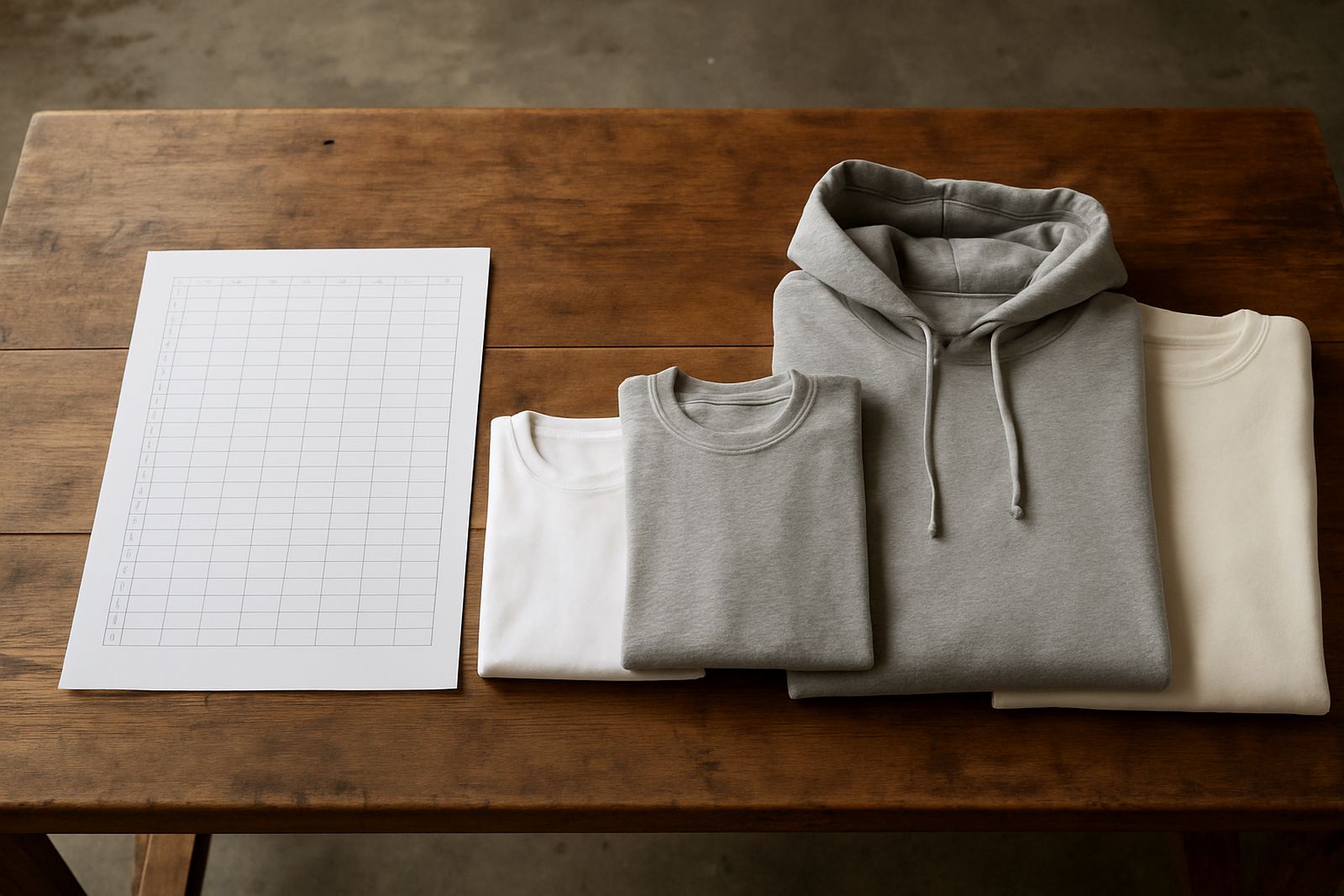
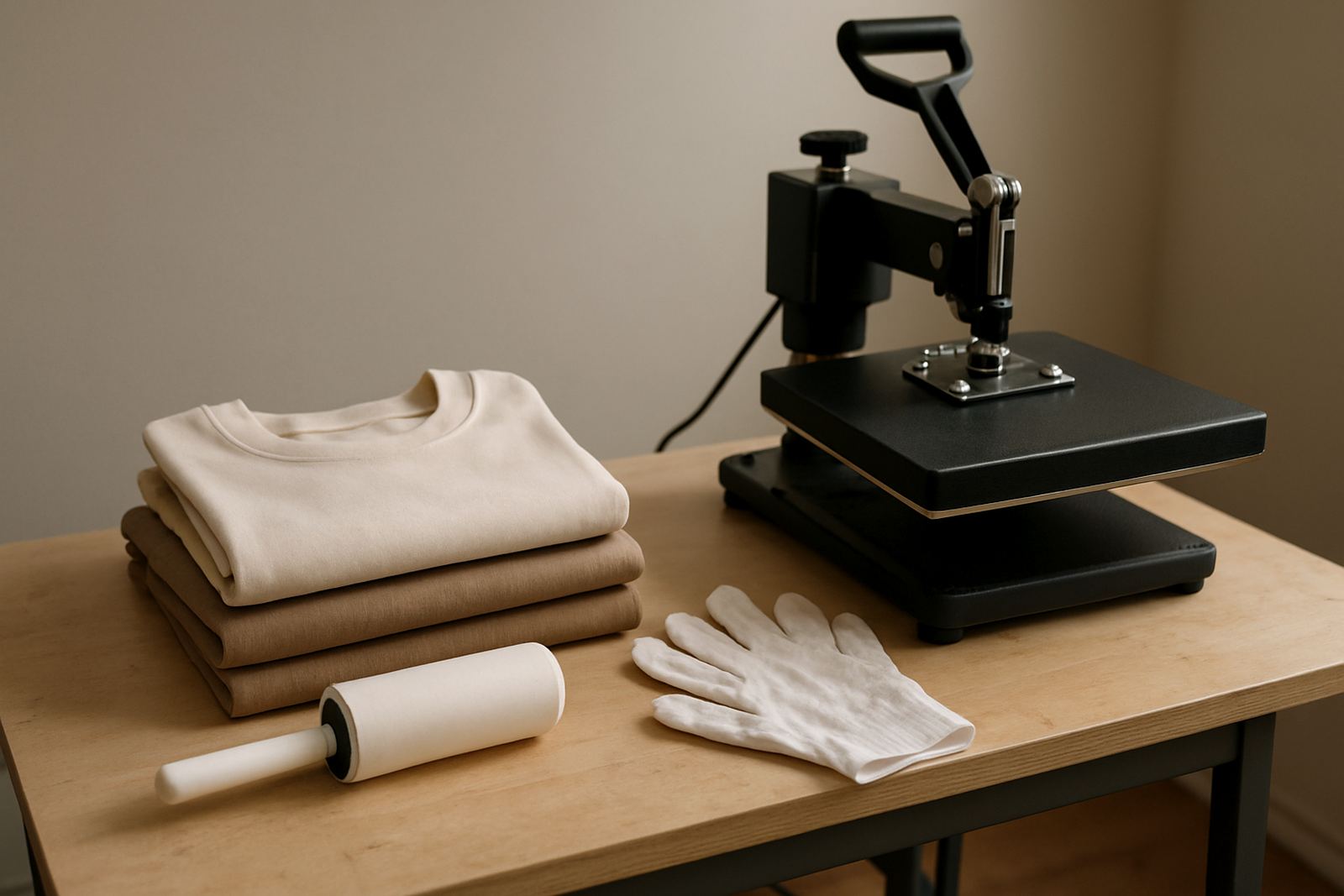
At market level, you need products that are light to transport, easy to stack, and consistent enough for printing. Polyester apparel blanks are a strong choice for sublimation because they take colour well and keep the print looking bright after washing. For traders, that matters because customers often make their decision with their eyes before they ask about the fabric.
Keep your range manageable by focusing on the items below:
- Short sleeve t-shirts in the sizes you sell most often
- Hoodies for cooler months and evening markets
- Caps, tote bags, or similar accessories for lower ticket sales
- Kid sizes only if your market draws families with regular repeat buyers
- One or two colour options rather than a full rainbow
Try not to carry items that look good on paper but sit for months. A box of slow stock eats into your cash flow and takes up space at home or in the back room. In Durban humidity, it can also mean more handling and more chance of marks if stock is left packed away for too long.
Use size breakdowns to avoid dead stock
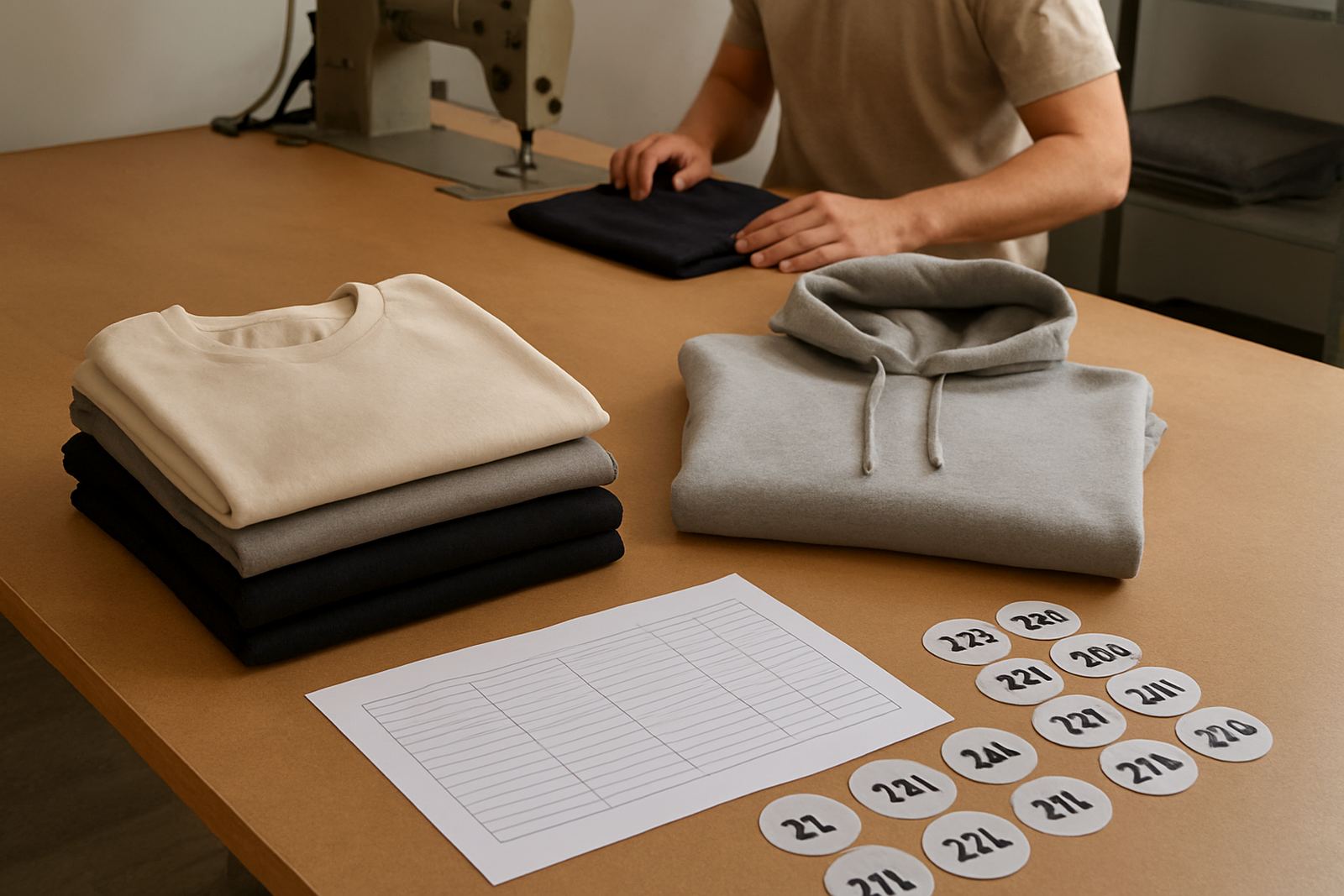
One of the biggest mistakes for market traders is ordering the same quantity of every size. That is not how most stalls sell. Larger and smaller sizes usually move at different rates, and your buying should reflect that. Size breakdown packs are useful because they let you stock up on the sizes that move fastest without overcommitting on the slower ones.
A simple starting point is to review your last few market days and count what was asked for, not only what was bought. If people keep asking for medium and large, but extra small hardly moves, then your next restock should show that pattern. This small change can save you quite a bit of money over a month.
Keep a notes sheet by the till or price board for repeated requests. Write down requests like, “more navy hoodies,” or “need youth medium next time”. After two or three weekends, the pattern becomes clear and your buying gets sharper. That is where traders begin to keep more cash in hand instead of in stock.
Plan around seasons, events and load-shedding
Market stock is not only about what sells, but when it sells. In Durban and the surrounding areas, winter evenings, school sports days, year-end fairs and holiday craft markets can shift demand quickly. A trader in Pinetown might need more hoodies by May, while someone trading near the coast could still be moving lighter shirts in the same week.
Seasonal stock planning helps you avoid last minute panic buying. Order a smaller test batch first, then add only what proves itself. If you supply corporate stalls, school fundraisers, or promo companies, ask for their event dates as early as possible so you can prepare event order kitting without mixing up sizes and counts.
Load-shedding also affects how you work. If you print from home or prep stock after hours, keep a simple dispatch and packing routine so that power cuts dont throw the whole week off. Pack orders by size and label them clearly. It saves time when the lights come back on and helps you keep market stock separate from customer orders.
Keep your stall range tight but flexible
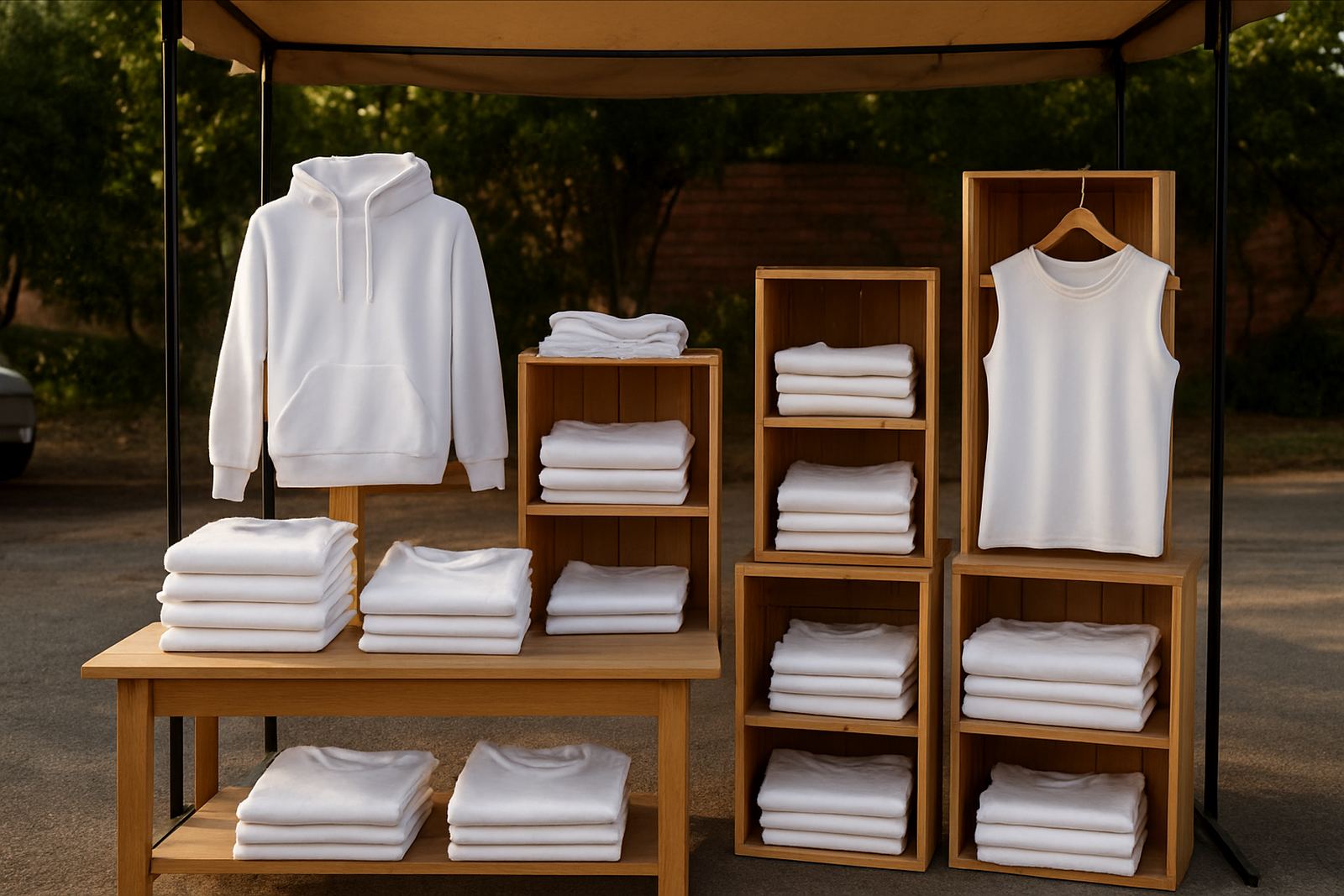
A market stall should feel easy to buy from. Too much choice can slow people down, especially when they are standing in the sun or carrying kids. A small, clean range with clear sizes and prices often sells better than a crowded table. The buyer wants to know in seconds what they can get and what it will cost.
To keep the range flexible, mix core stock with one or two fast add ons. That way you can respond to a busy day without carrying too much inventory all month. For example, if your printed t-shirts move quickly, keep a small box of matching accessories nearby for impulse sales. If the weather turns cold, a compact hoodie selection can lift your average sale value fast.
- Core items should cover your best sellers in the sizes you know will move
- Add ons should be low risk, easy to carry and quick to explain
- Display stock should be neat, visible and not overfilled
- Reserve stock should stay boxed and ready for same day restock
That balance makes it easier to trade from a car boot, gazebo or indoor hall. It also means less time unpacking and repacking after a long day on your feet.
Restock in a way that protects cash flow
For small brands and market traders, cash flow matters more than perfect range theory. You want enough stock to look professional, but not so much that your money is sitting on a shelf. The safest habit is to restock from real sales, not from hope. If a line sold out twice in three weeks, it deserves more attention. If another line barely moved, leave it out for a while and test it later.
Many traders in and around Pinetown use a simple cycle: sell on the weekend, count stock on Monday, order replacements by Tuesday, then prep for the next event. That rhythm makes it easier to stay on top of orders without rushing. It also helps if you use sample packs before committing to a bigger buy, especially when introducing a new blank shape or hoodie weight.
At Sublimation Blanks Apparel, bulk order picking, size breakdown packs, sample pack assembly and nationwide dispatch all support that kind of trading. Whether you collect from Pinetown or need stock sent to another part of South Africa, the point is to keep your range practical and your shelves moving. A market trader who buys carefully tends to sleep better, and usually has a healthier till float too.