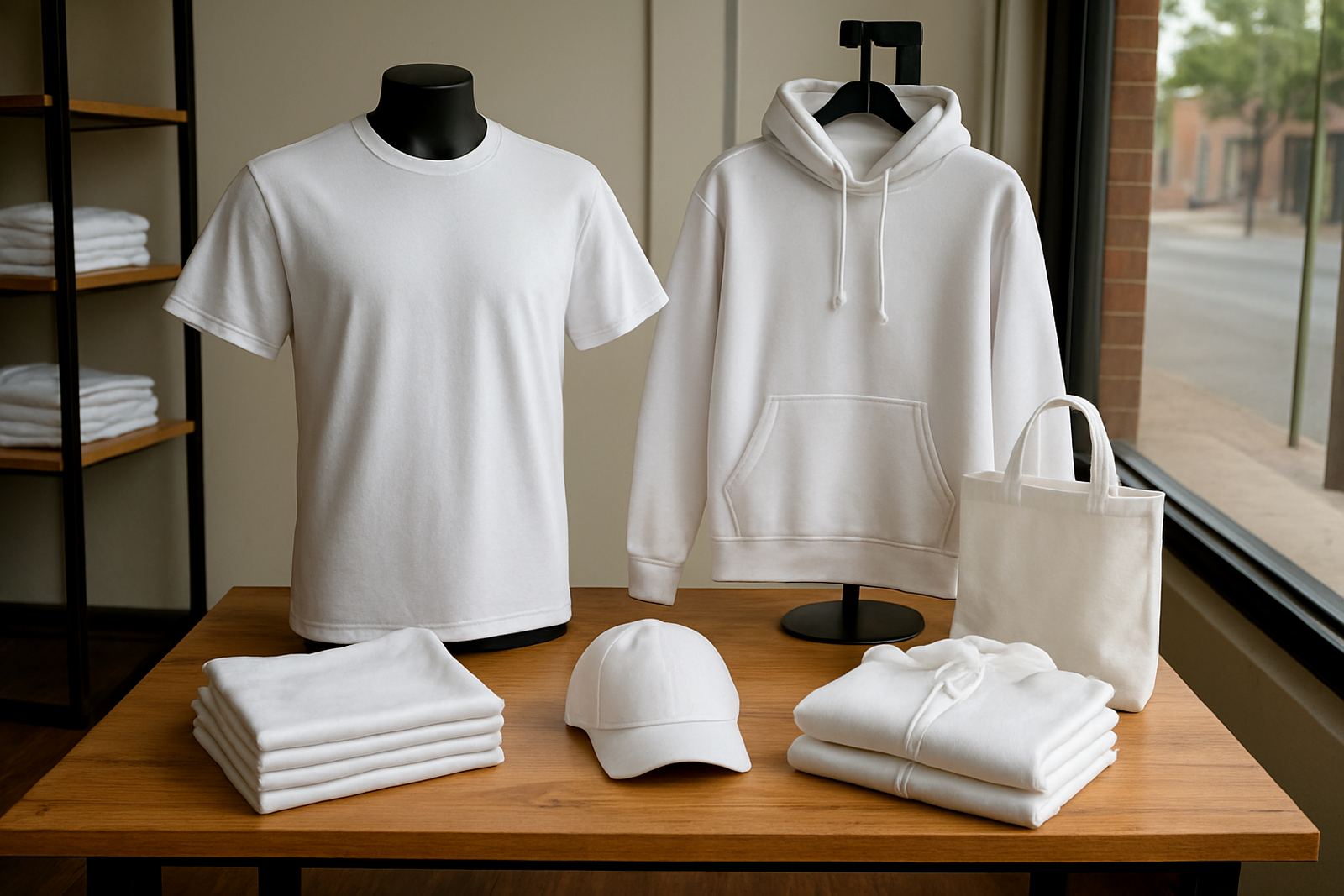

Why pre-print handling matters more than most people think
Sublimation is unforgiving. If a shirt picks up oil from a hand, sits in damp air, or gets folded badly before printing, those small issues can show through in the final result. With polyester blanks, the aim is not just to print, but to keep the surface as clean and even as possible from the moment the item leaves the pack.
This matters whether you are running a small home setup in Pinetown, filling a reseller order in Westville, or packing a promo run for a client in Umhlanga. Coastal humidity, dust from storage rooms, and load-shedding delays can all affect how blanks sit and age before printing. A better routine saves time, fabric and money.
Store blanks so they stay clean, dry and flat
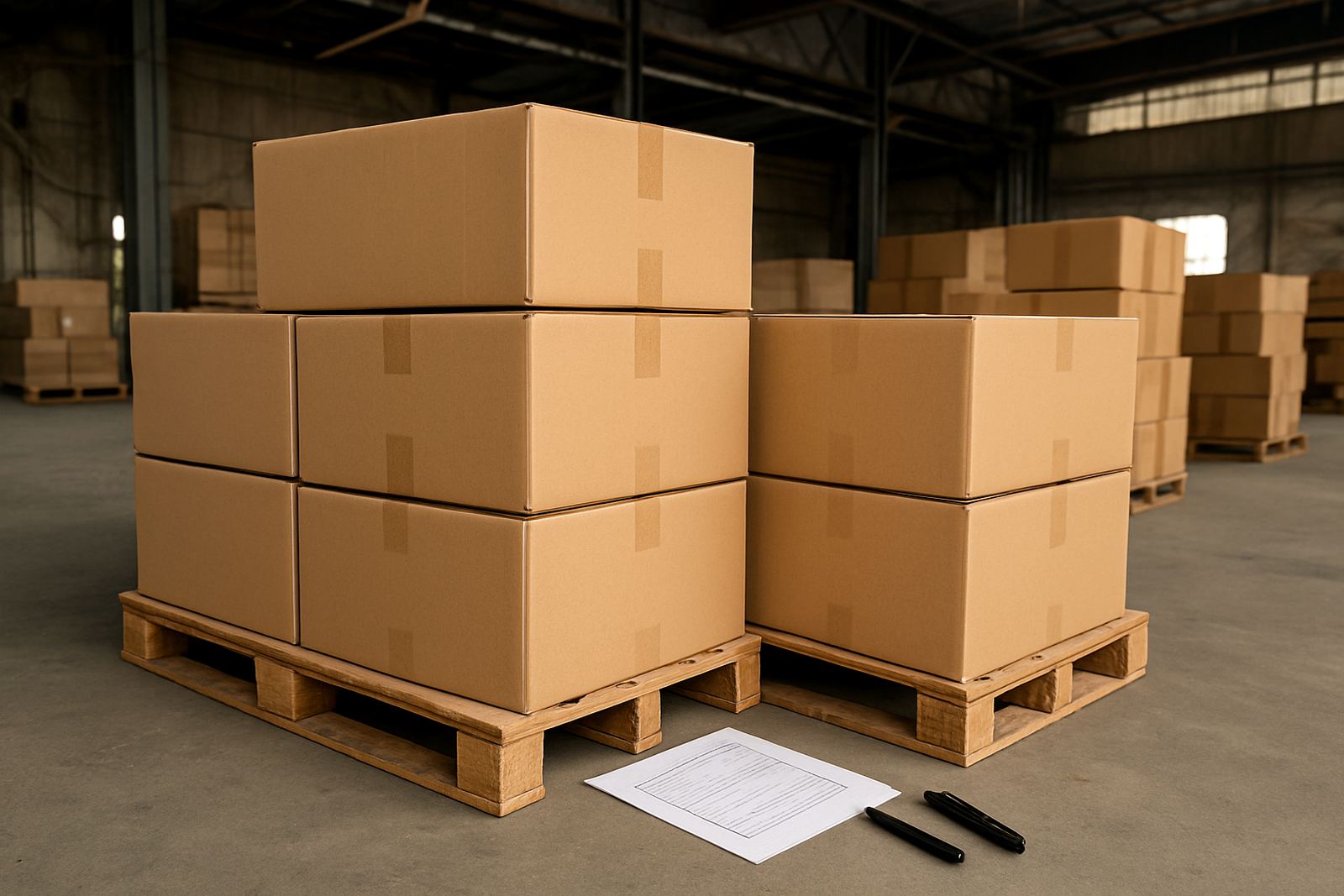
The first habit is simple storage. Keep polyester apparel in a dry room away from direct sun, open windows, and strong odours from paint or cleaning chemicals. In Durban’s humid weather, cardboard boxes can hold moisture, so it helps to keep stock off the floor on shelving or pallets. If a carton feels soft or musty, check the contents before sending it straight to print.
Flat storage is worth the effort. When blanks are folded too tightly for long periods, creases can become stubborn, and those creases may show after pressing. If you are holding stock for seasonal events or larger restock orders, use clear size labelling and stack by style so you do not keep opening every pack to find one size.
- Store stock in sealed or covered containers where possible
- Keep apparel away from food, cleaning liquids and dust
- Separate white, light and dark polyester items for easier picking
- Rotate older stock first so nothing sits too long in humid conditions
Handle each blank with clean hands and the right surface
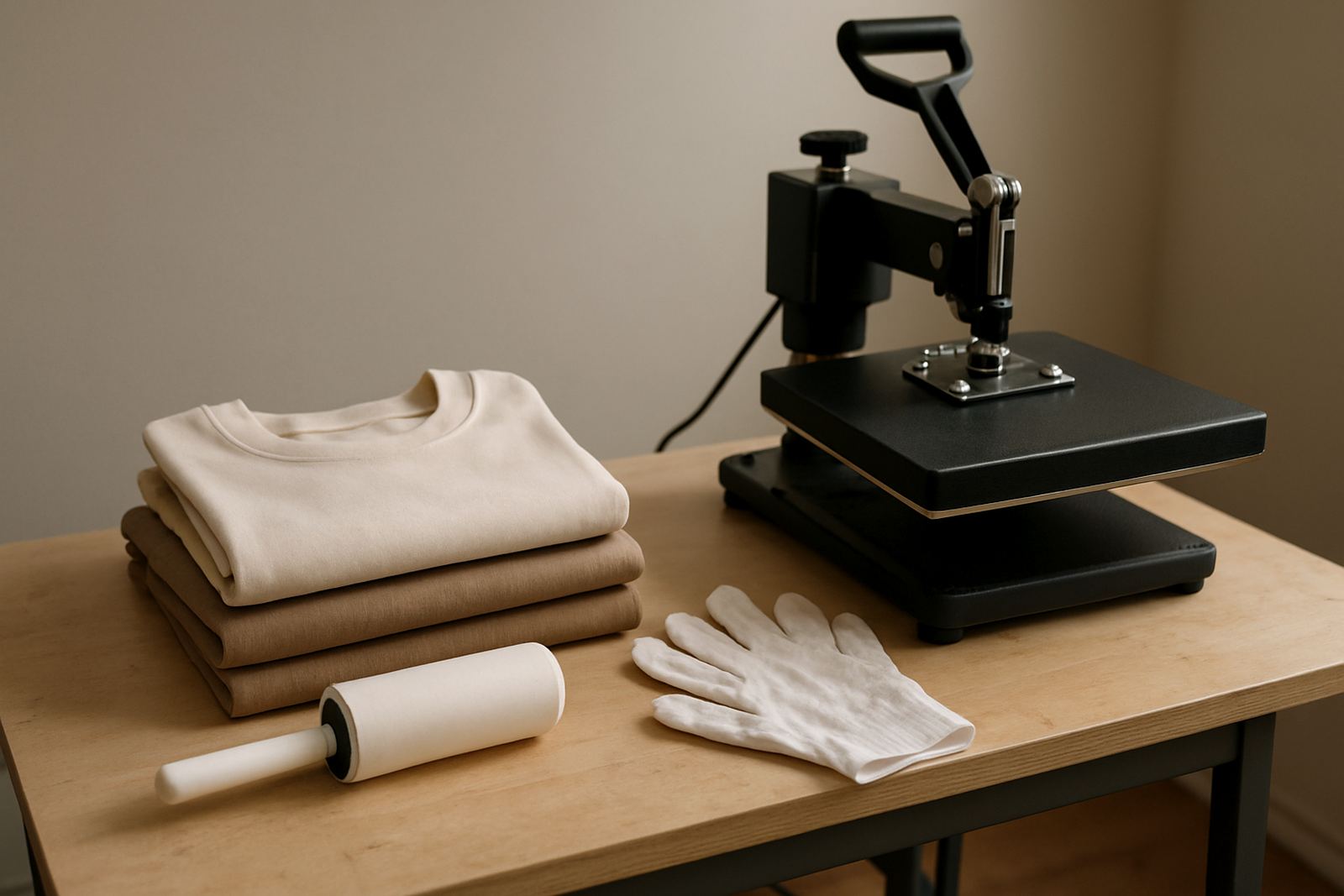
Before printing, the surface of the garment should be treated like a finishing surface, not a casual unpack and go item. Wash and dry hands before handling stock. Avoid touching the print area more than needed, especially on light-coloured garments where fingerprints can leave marks that become visible after pressing. If a team is packing at speed, set up one clean folding table for printing prep and keep it separate from dispatch or returns checking.
Use a lint-free surface before you start handling the blanks. Wooden tables with rough patches, dusty counters or fabric-covered chairs can transfer fluff. For bulk order picking and sample pack assembly, a clean plastic tote or trolley tray keeps items off the floor and makes it easier to move stock from storage to the press area without extra handling.
Check for marks, stitching faults and moisture before press time
A quick inspection before printing can stop a reprint later. Look at the blank under good lighting and check the front, back, sleeves and seams. You are looking for stains, loose threads, missing labels where relevant, and any odd texture that could affect the print. On hoodies and thicker garments, check the pocket area and seams carefully because folds and extra layers can cause uneven pressing.
Moisture is another common issue. In coastal towns and during rainy spells, apparel can absorb enough dampness to affect the transfer. If a blank feels cool or slightly damp, allow it to sit in a dry room before printing. A few minutes of patience can prevent dull colour, ghosting or patchy output.
- Reject or separate any garment with visible staining
- Check seams and hems for uneven stitching
- Air out stock that has been stored through humid weather
- Keep a clean bin for items that need rechecking
Plan pressing around power cuts and working time
In South Africa, timing matters. If load-shedding interrupts your production schedule, do not leave blanks lying on the press table for hours while waiting for power to return. Keep each item bagged or covered until it is ready to go. This reduces dust settling on the fabric and avoids extra handling once the heat press is back on.
For event order kitting or promo bundle supply, group garments by size and print order before you start. That way the team is not opening and closing packs every few minutes. If a client in Hillcrest needs a fast turnaround for a school function or a small brand launch in Amanzimtoti, having the blanks sorted in advance helps the whole run move cleaner and quicker.
Train your team to keep the print area disciplined
Good care before printing is not only about storage. It is also about habits on the floor. Everyone handling stock should know where clean items go, where checked items go, and where returns or faulty pieces are kept. One mixed-up shelf can undo the rest of the system. Clear size breakdown packs make it easier for the sales team and production team to work from the same count, without opening extra packs unnecessarily.
A simple routine works best. Pick, inspect, keep dry, print, then pack. If the team follows that order every day, the final result becomes more consistent and there is less wasted material. For a local Durban operation shipping nationwide, that consistency is what keeps repeat orders steady and makes restock planning easier month after month.
Use care routines to protect every order from start to finish
Care before printing is really about respect for the blank. When the fabric is handled properly, the print has a better chance of coming out bright, sharp and even. When it is rushed or stored badly, even good equipment can only do so much. Small habits like dry storage, clean hands, careful inspection and organised kitting do not take long, but they make a clear difference.
For crafters, small brands and promotional buyers alike, that difference shows up in fewer reprints, better presentation, and less frustration when orders are due. It is a practical part of the process, not an extra nice-to-have. In a place like Pinetown where stock may move quickly from warehouse to courier, a tidy pre-print routine keeps the whole job on track.
If you are planning a run and want blanks packed properly from the start, it helps to work with a supplier that understands size sorting, sample packs and nationwide dispatch from the ground up.