
The problem with finding out on your own press
Ask any crafter about a bad blank and you will hear the same story. The client order is due, the transfer goes down, and the tee comes off the platen with a yellow cast or a shiny box around the print. A mug comes out with a pale patch where the coating was thin. The paper is gone, the deadline has not moved, and the blank looked perfect in the bag.
We have always counted, sized and checked fibre content when stock lands in Pinetown. That catches a lot, but not everything. A humid week on the coast can change how a fabric behaves at 200°C, and the only honest check is to press it.
What sits on the bench
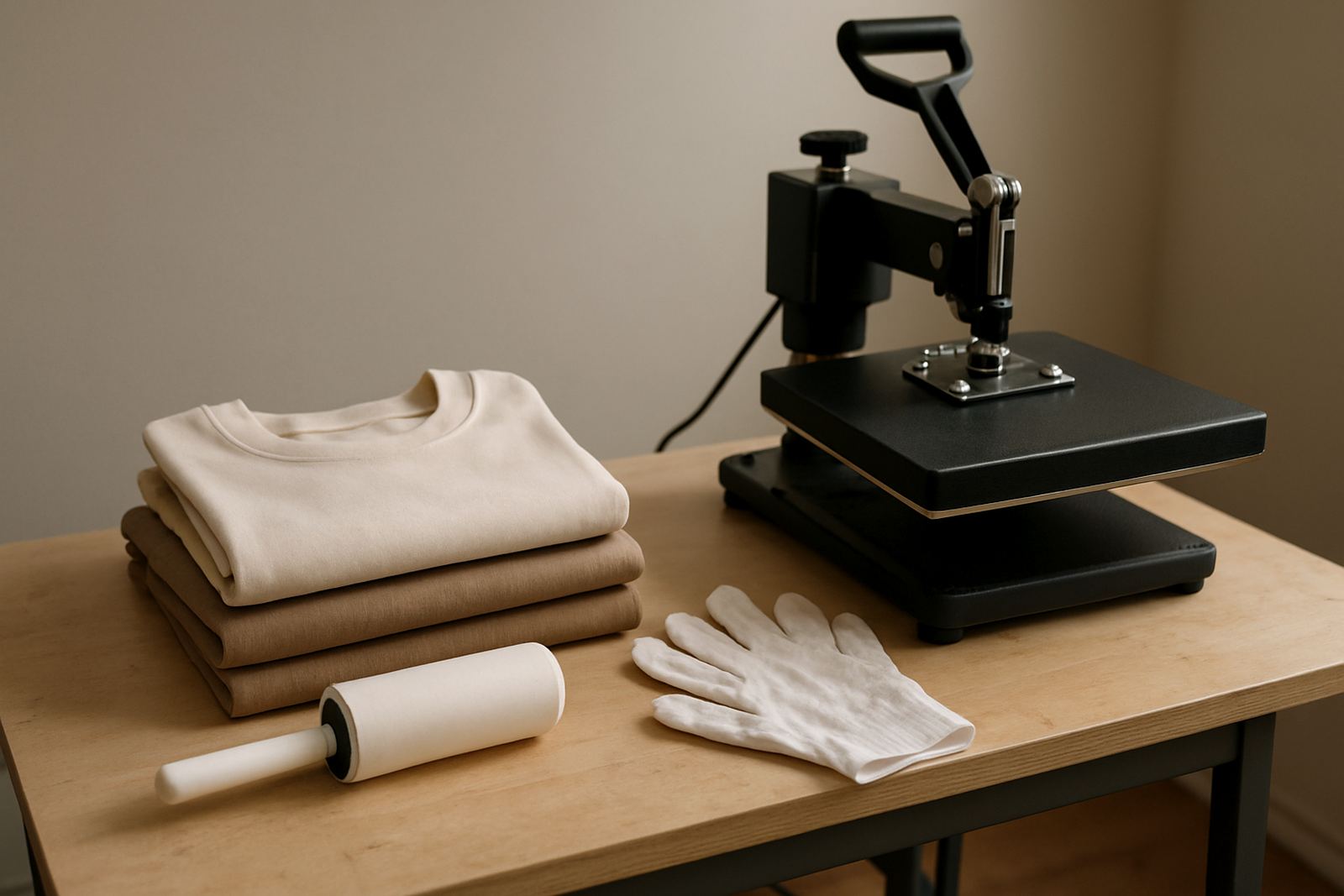
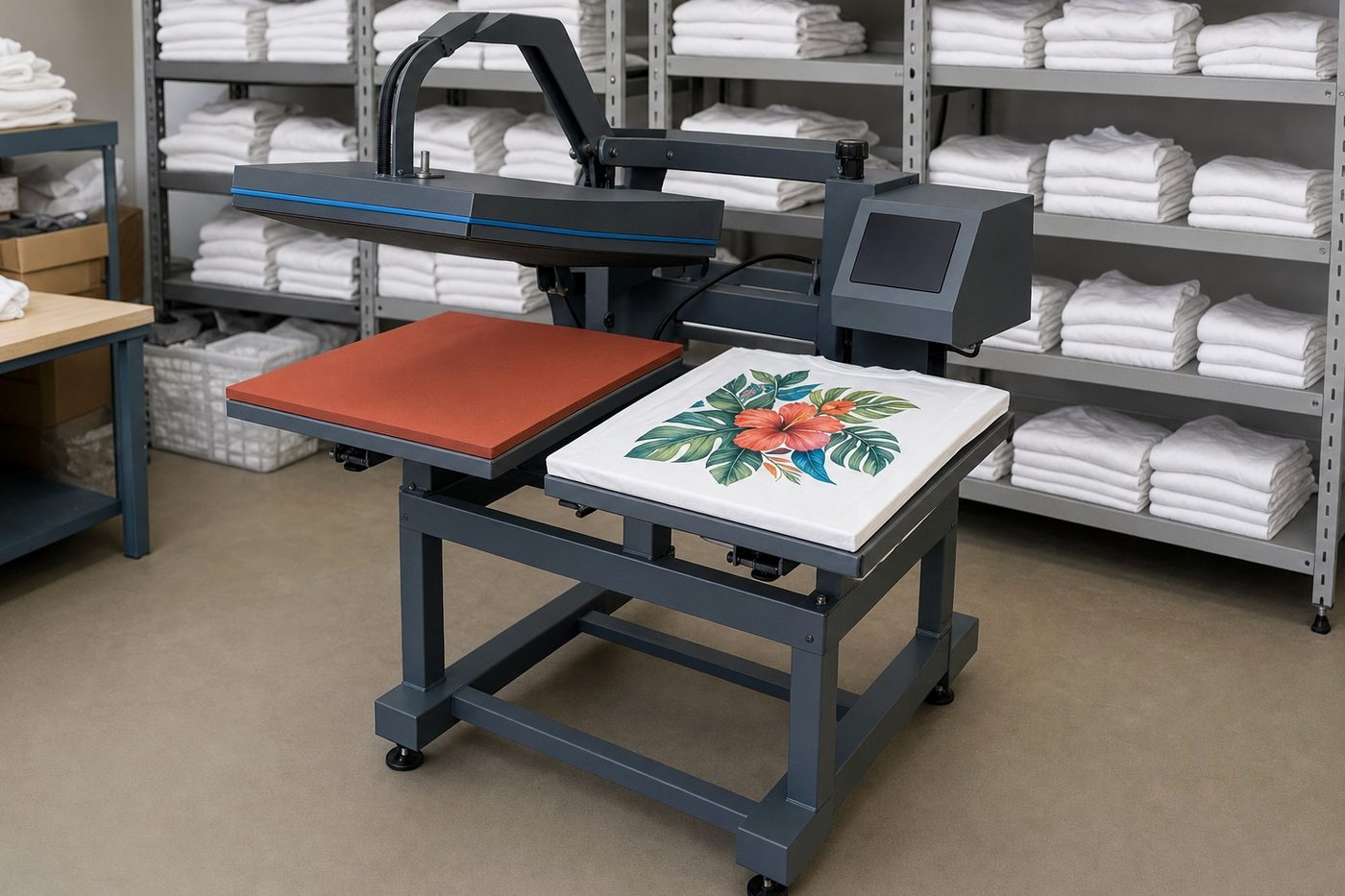
- Twin-station pressThe Heatware 400 x 600 mm twin-station air-lifting press raises itself when the timer ends. Lerato Khumalo dresses one station while the other presses, so a full batch sample moves quickly.
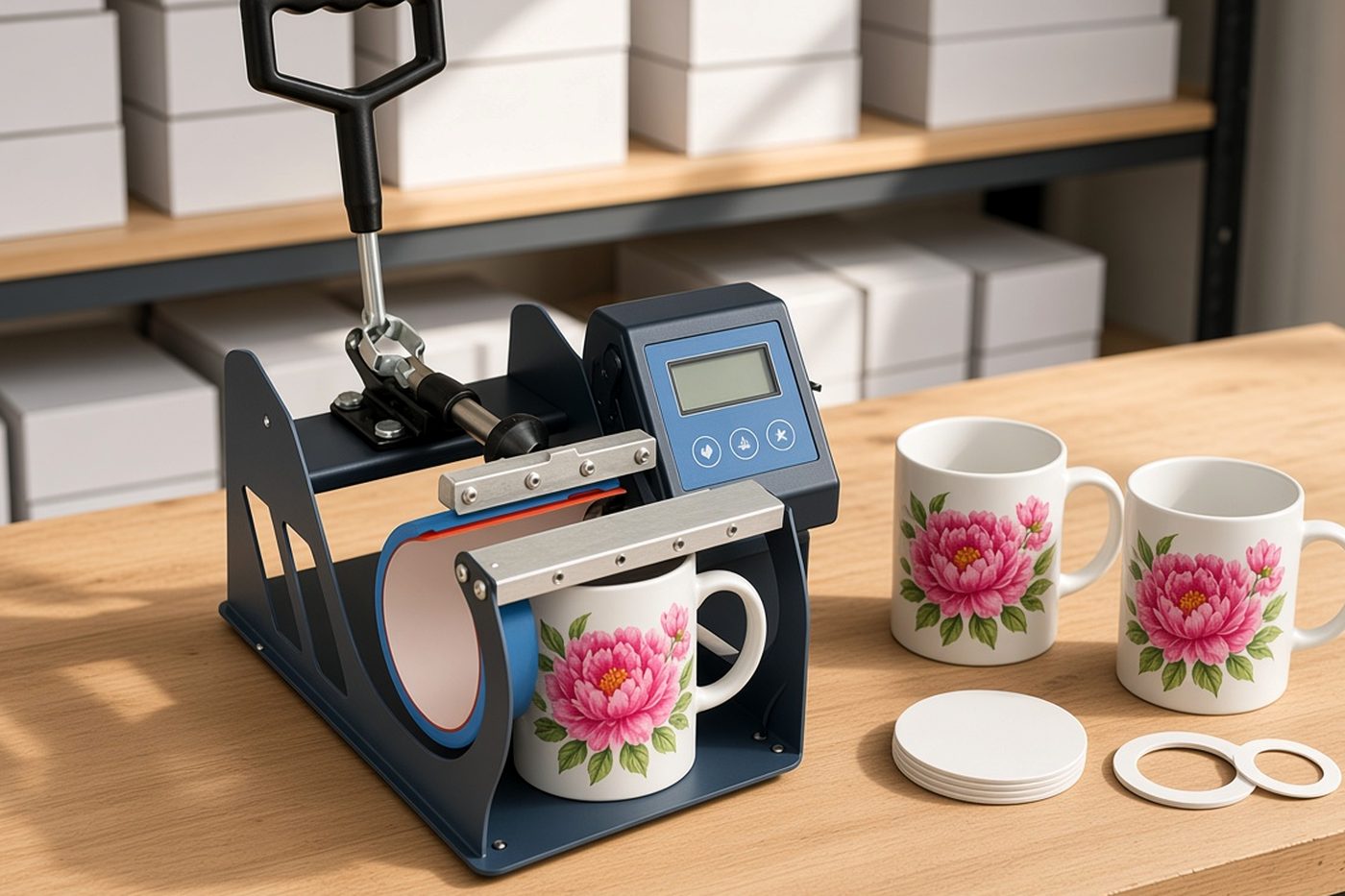
- Mug pressThe Heatware single-cylinder mug press wraps standard mugs evenly. We use it on mugs and on the coaster blanks that go into gift sets.
- Test paperEvery test transfer is printed on Heatware A4 100g sublimation paper. The design and paper never change between batches, so any difference we see comes from the blank.
Each batch gives up a men’s crew tee and a youth basic tee for pressing, at the settings we suggest to customers. If those two pass, the batch goes on the shelf.
Why we went to AM.CO.ZA
We spoke to more than one supplier before buying. AM.CO.ZA gave us straight answers on which press suited a test bench rather than a production line, and their price was the fairest we found for how solidly the machines are built. Their Durban showroom is close by, so we watched both presses run before we signed off.
“We test a few garments from every batch, not hundreds, so we needed a press that was quick to load and easy to repeat. They listened to that and did not try to upsell us. It has been an easy relationship from day one.”
Ayanda Naidoo, Sales Manager
For anyone kitting out a print room, their heat press range and the AM.CO.ZA company guide are worth an hour of your time.
How a batch passes
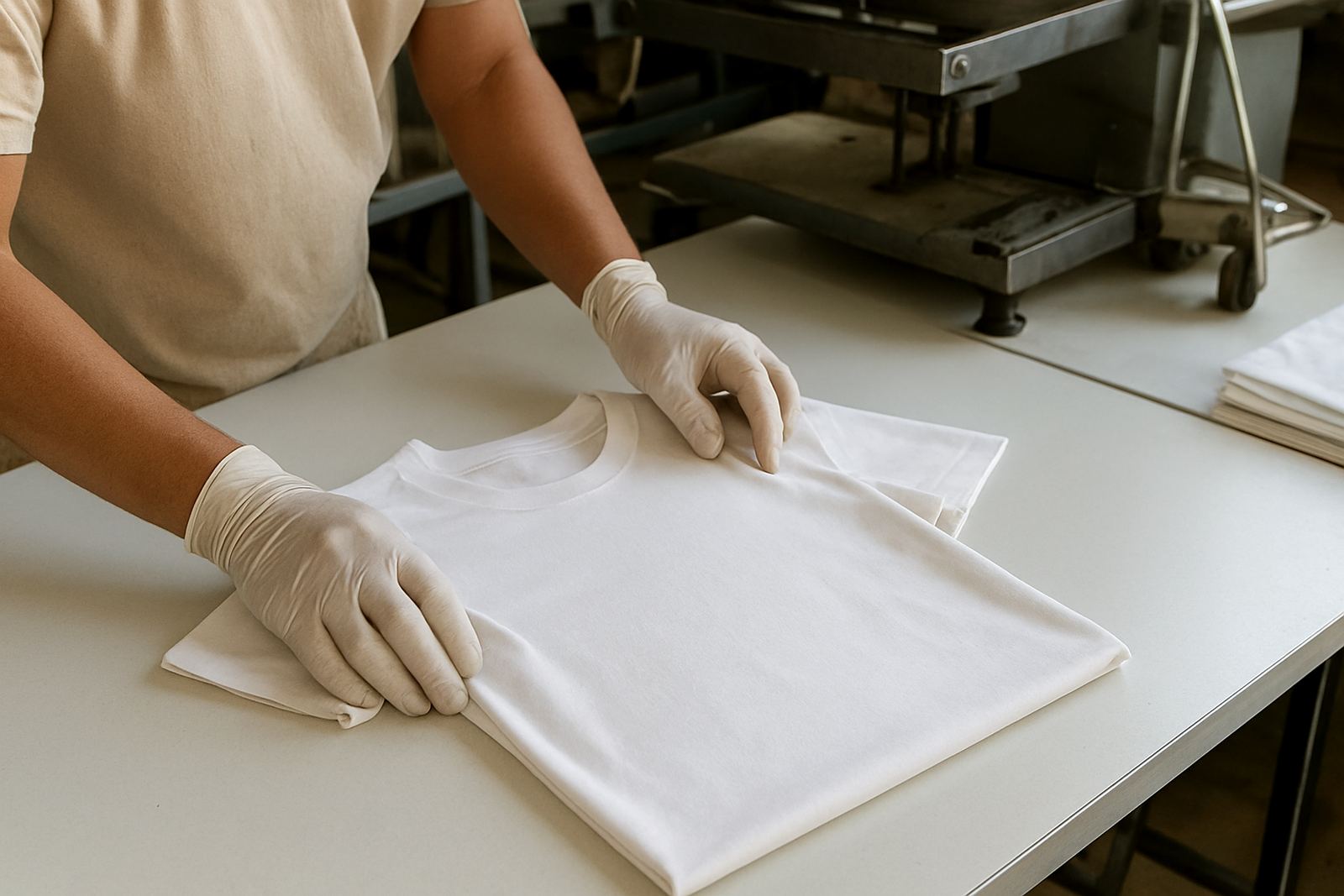
Zanele Mokoena in quality control looks at each pressed sample for colour depth, sharp edges, scorching and shrinkage. Then the tee goes through a wash and she checks it a second time.
“A batch that does not press clean stays in the back. I would much rather find the fault here than have a customer find it with their client waiting.”
Zanele Mokoena, Quality Control Officer
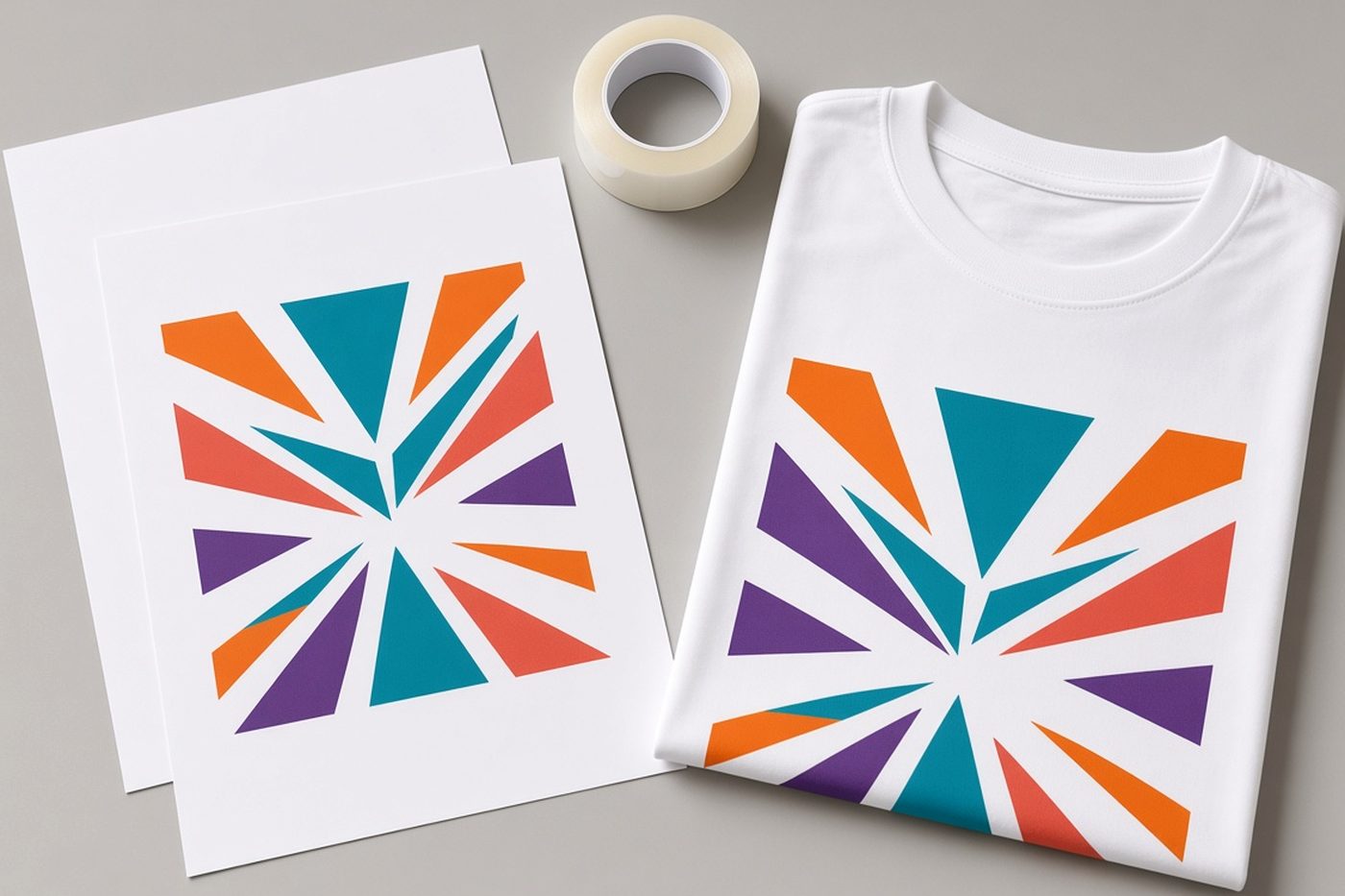
The results feed straight into our fabric guides, which now carry settings from our own presses instead of only the mill’s data sheet. New to sublimation? Start with why polyester works.
What you get from it
- Tees and hoodies from a pressed and washed batch, not an untested one.
- Mugs and hard-surface blanks spot-checked for even coating.
- Bench settings for that exact blank, on request.
That counts most for craft sellers working to tight margins, school fundraisers with one shot at an event, and promo companies who cannot absorb a reprint. Collect from our Pinetown depot or order via the contact page, mentioning that you would like the bench notes.