Start with the use case, not the product list
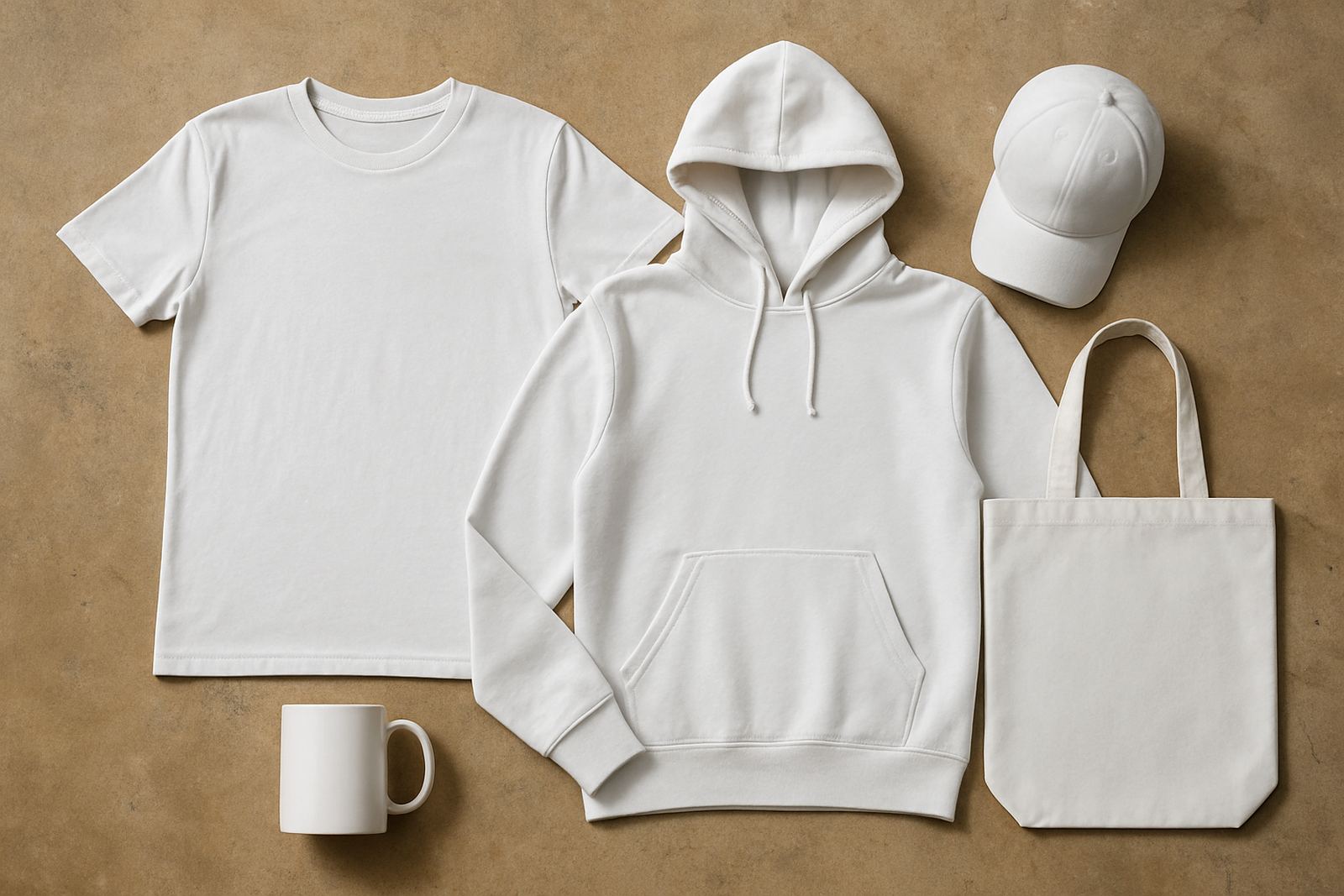
When clients order shirts, bags and headwear together, the most useful question is not what stock is available first. It is how they will be used. A staff welcome pack, school fundraiser, sports club kit and trade show give-away all need a different mix of blanks. If you set the purpose early, you can match fabric type, colour and sizing before the print room starts cutting screens or setting heat transfers.
For sublimation work, polyester content matters. Apparel blanks and accessories should support bright print results and hold up after repeat washing or regular use. That matters in Durban too, where humidity can affect storage and packing, and where customers often need stock turned around quickly for events in Pinetown, Westville or Umhlanga.
- Choose one main purpose for the order
- Match the items to the same artwork size where possible
- Check if the same colourway works across shirts, bags and caps
- Confirm the final user count before you split sizes
Build bundles that print well and pack well
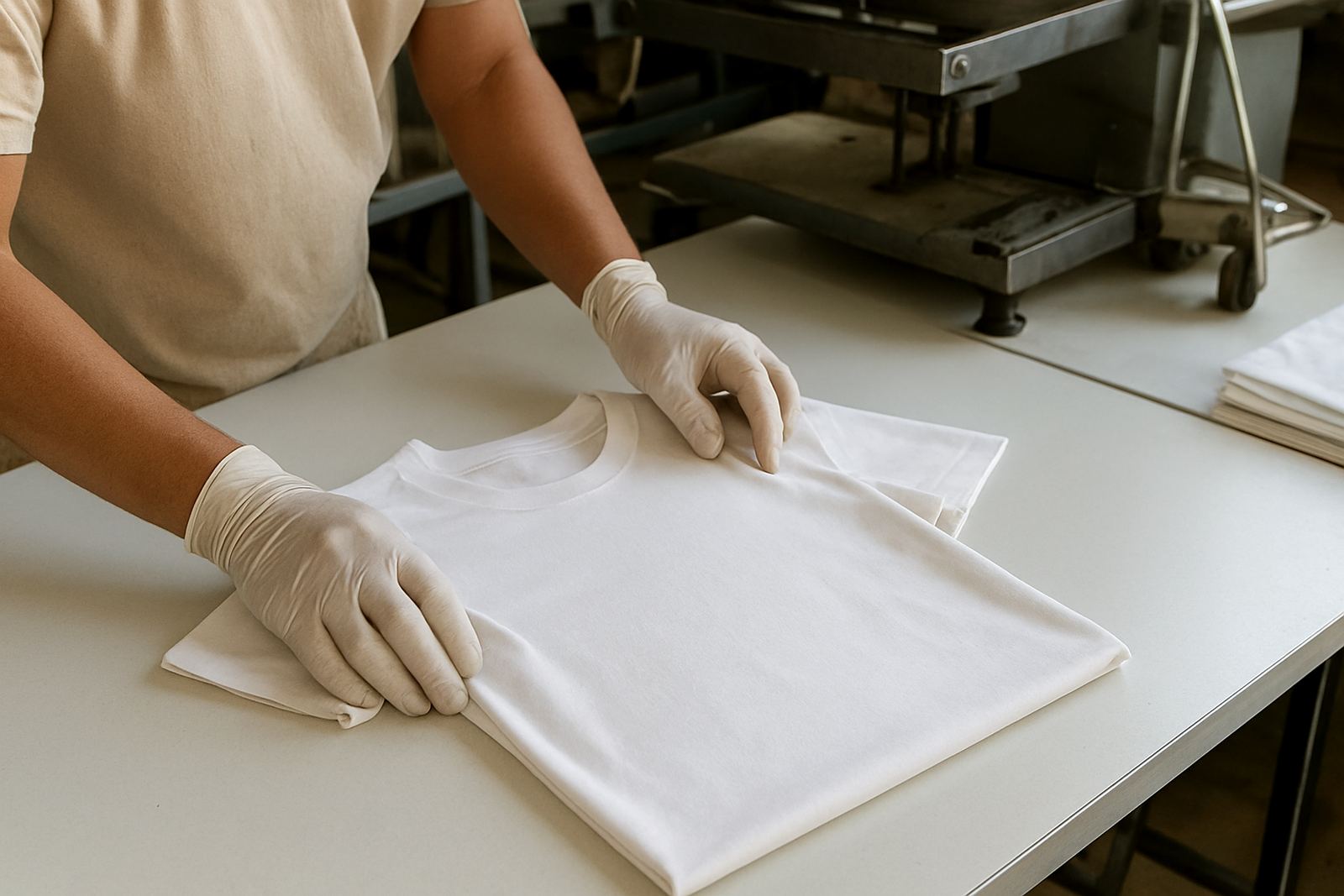
A good bundle is not just a collection of items in one box. It is a set of blanks that can move through production without confusion. Shirts need a size run. Bags may need a count by design variant. Headwear often needs its own handling because the front panel area is smaller and placement has to be accurate. If you combine all three, the order should still be easy to separate at the press, at QC and at dispatch.
For example, a reseller in Hillcrest might want 24 tees, 24 drawstring bags and 24 caps for a youth event. If the pack is split into labelled sets of six, the event team can hand out complete packs without sorting on site. That saves time and cuts down on mistakes. It also helps if the customer wants to reorder later, because the pack format is already clear.
- Use one label format for all items in the bundle
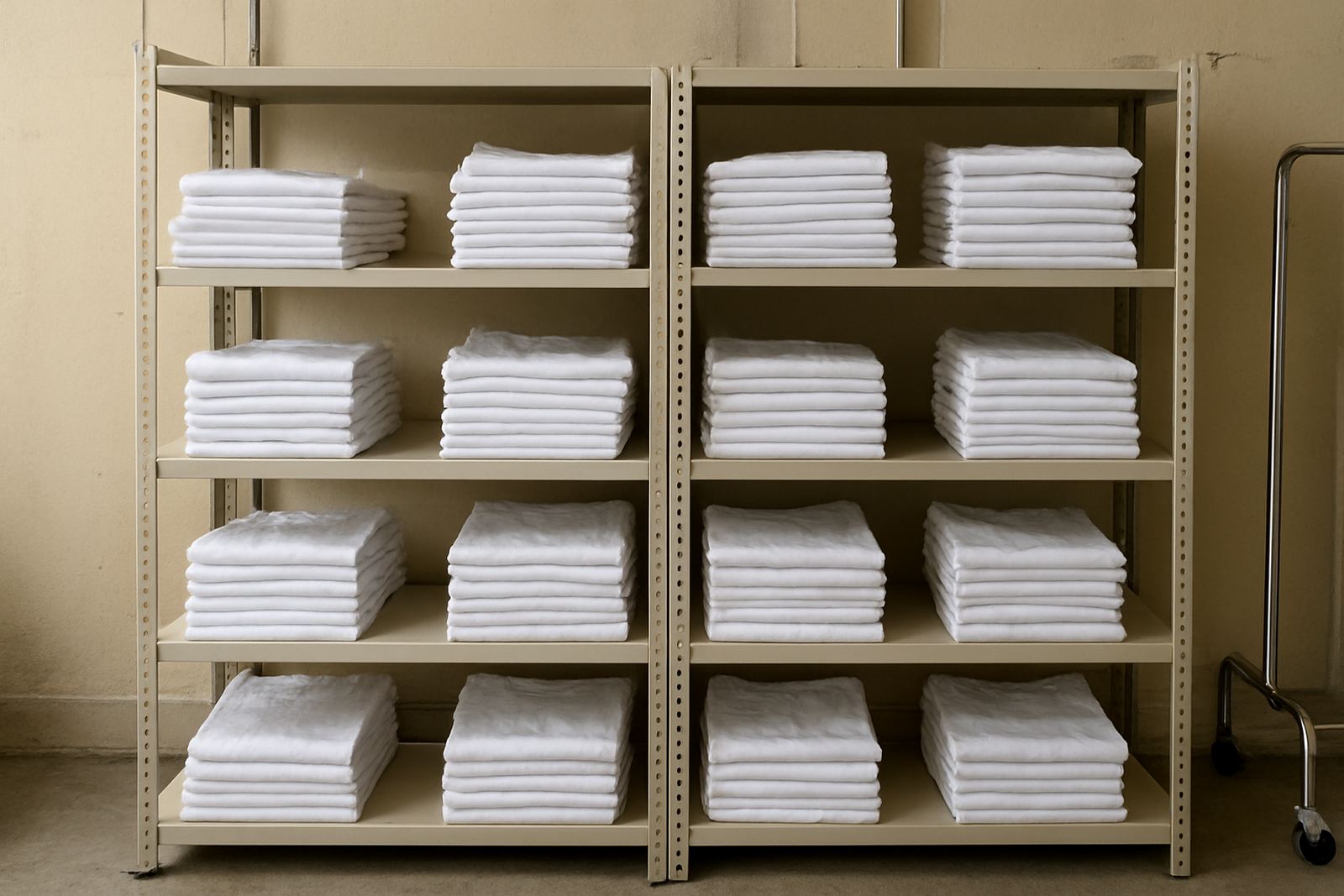
- Group by size, colour or pack count before dispatch
- Keep fragile trims separate from folded garments
- Mark mixed orders clearly for collection or courier loading
Sizing and stock counts need more care in mixed orders
Once you combine apparel and accessories, stock control becomes more important. Shirts usually need a full size breakdown, while bags and headwear may be ordered in one or two standard options. The danger is that the order looks simple on paper but becomes messy if the quantities are not checked properly. A missing medium tee is easy to spot. A missing 20 tote bag, less so.
This is where size breakdown packs and careful picking help. If a customer in Phoenix wants branded tees with matching caps, you can pack the apparel by size and the caps by count, then check the total against the order note before it leaves the warehouse. It sounds basic, but in busy weeks with load-shedding and tight delivery cut-offs, basic systems are what keep an order on track.
- Check apparel sizes before accessories are packed
- Confirm whether caps are one-size or size-specific
- Keep spare stock visible for urgent restocks
- Record shortages before the order goes to dispatch
Think about print placement across different blank types
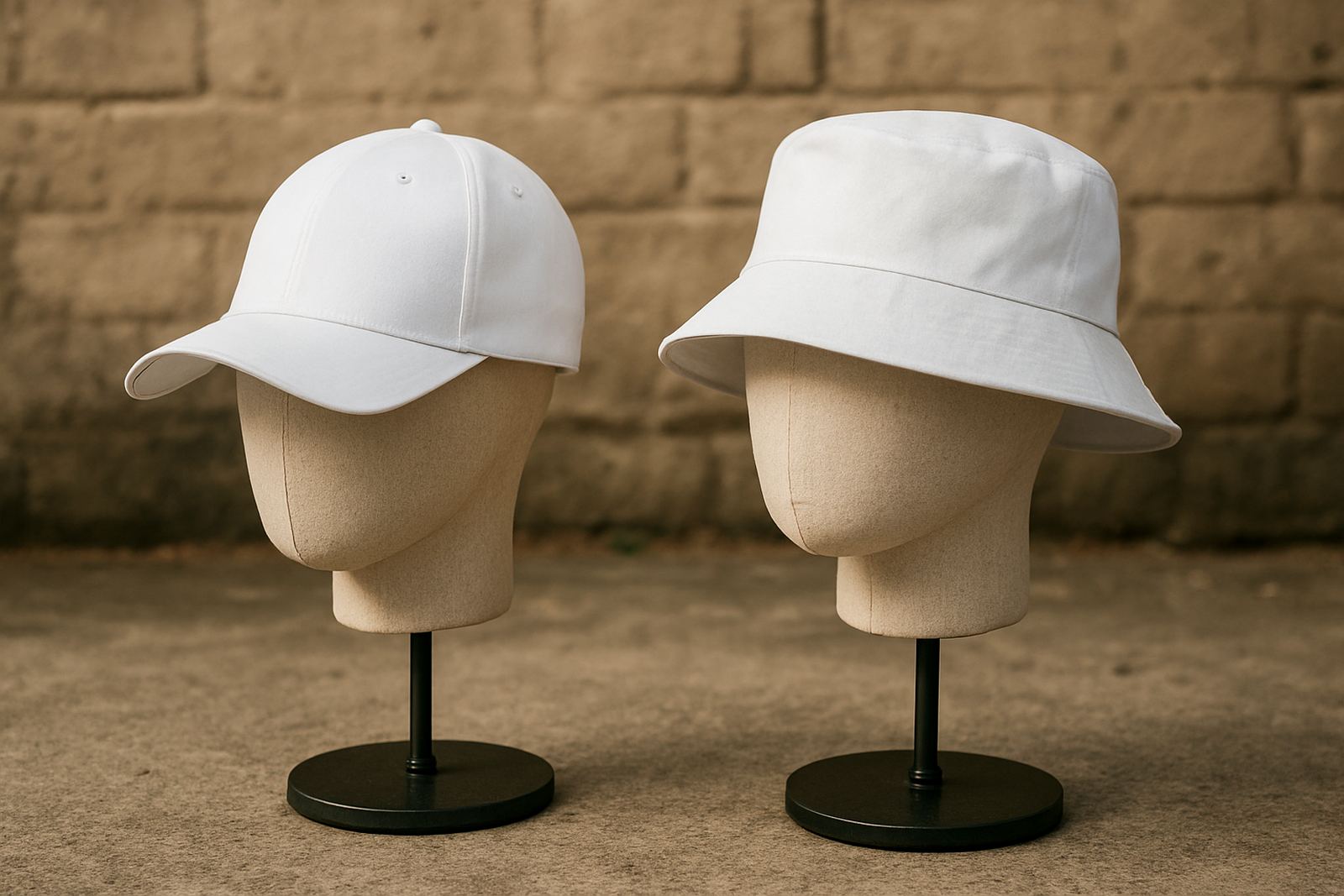
The same artwork can behave differently on each blank. A tee offers a broad front or back print area. A bag often needs a flatter, narrower image so seams and handles do not interfere. Headwear needs a smaller, centred design that still reads clearly from a distance. If one logo is stretched across all three, the result can look untidy even when the print quality is good.
It helps to adapt the layout before production starts. Keep text shorter on caps. Use bolder marks on bags. Allow for chest placement on shirts that sits naturally with the garment shape. Clients often want everything to match exactly, but matching style is better than forcing the same size artwork onto every item. That way the finished pack feels coordinated and practical, not crowded or uneven.
Local example: a Durban promo pack that must arrive ready to hand out
Say a small brand in Pinetown is preparing for a weekend activation at a retail centre in Umhlanga. They need 50 sublimation tees, 50 branded tote bags and 25 caps for the first day, with a second drop if stock moves quickly. The organiser does not want loose cartons arriving one by one. They want sets that can be counted, stored and handed over without re-checking every box.
In that sort of order, collection scheduling, order picking and dispatch planning matter just as much as the blanks themselves. If the pack is built in the right sequence, the team can load the courier or the bakkie faster, and the client can start the event on time. For coastal customers too, sealed and packed stock helps protect garments from moisture during transport, especially when the warehouse to venue trip is short but the weather is sticky.
- Confirm venue timing before packing the full order
- Separate first-day stock from top-up stock
- Keep signage or event notes in the same dispatch file
- Check returns and spares before the order leaves Pinetown
Keep restocks and seasonal planning in the same conversation
Mixed apparel and accessory orders work best when they are planned beyond one single purchase. A reseller may start with a small bundle of tees, bags and headwear, then need more of the best-selling size or colour two weeks later. If you track what moved fastest, the next order can be built with fewer gaps and less dead stock.
Seasonal planning also helps. Winter often pushes hoodie and tee combinations, while summer events usually drive lighter apparel, caps and carry items. Promotional companies around Westville, Hillcrest and Amanzimtoti often need mixed bundles that fit school campaigns, trade expos and year-end gifting. The order is smoother when the product mix is planned around the calendar, not just the quotation.
Good bundles are practical. They print cleanly, pack neatly and make life easier for the person handing them out at the other end. That is the real value of mixing apparel and accessories well.