
Start with a dry, clean receiving area
Storage begins the moment stock arrives. Before cartons are opened fully, check for damp patches, crushed corners or dust from transport. In coastal areas like Pinetown, Westville and Umhlanga, humidity can creep into packaging fast, so it helps to move apparel blanks into a dry indoor space as soon as possible.
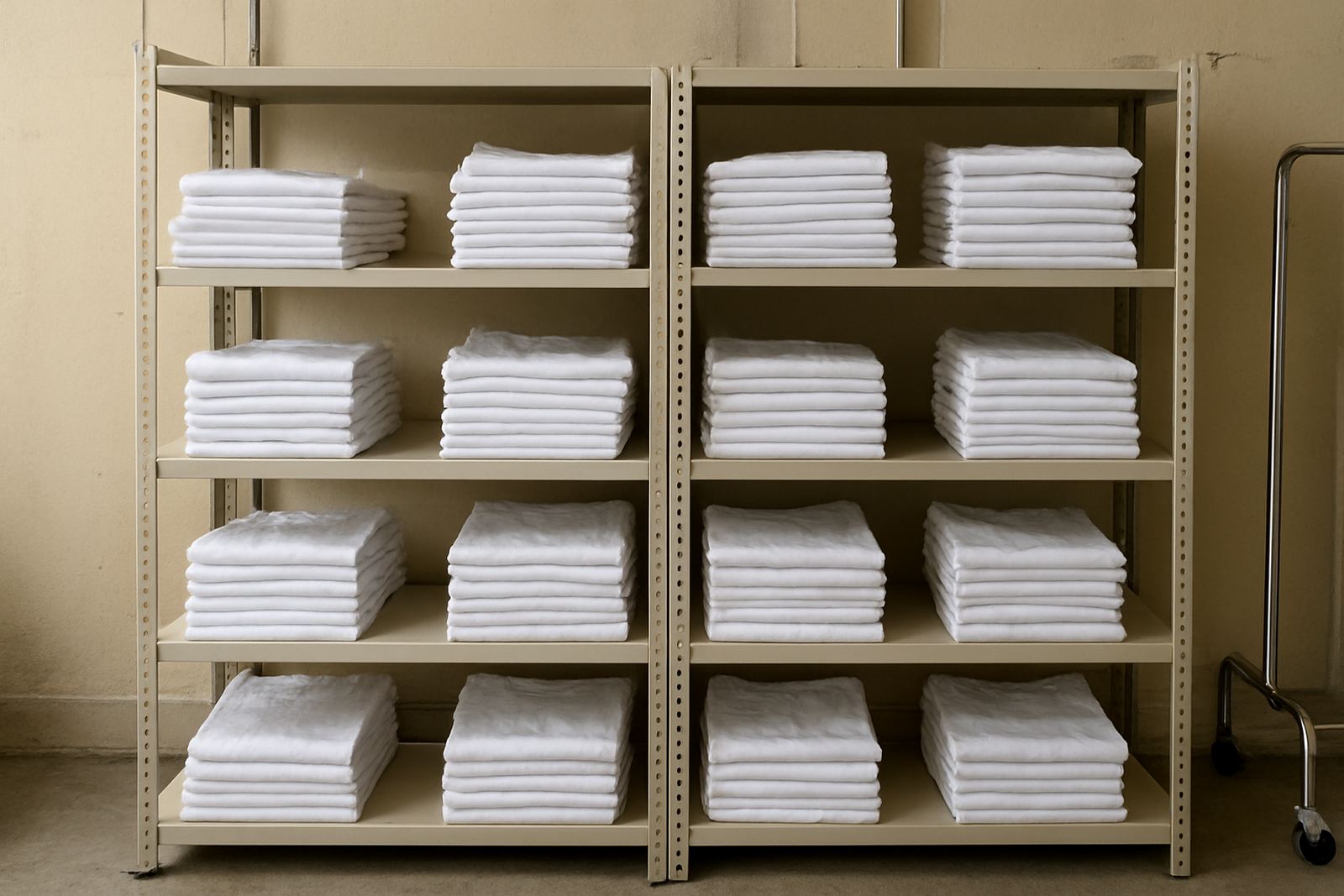
Keep the floor clear and raise stock off the ground on shelving or pallets. A simple spill, a burst pipe or a wet cleaning mop can ruin a packed carton of white tees before you even spot the problem. If you are storing for resale or event work, make sure each delivery is counted, labelled and put away the same day. It saves time later and avoids stock confusion.
- Check cartons for moisture before stacking them.
- Use shelving or pallets, not bare floors.
- Separate newly arrived stock from older stock until it is counted.
- Keep the storage room well ventilated and away from direct sun.
Fold, pack and label by size before it goes on the shelf
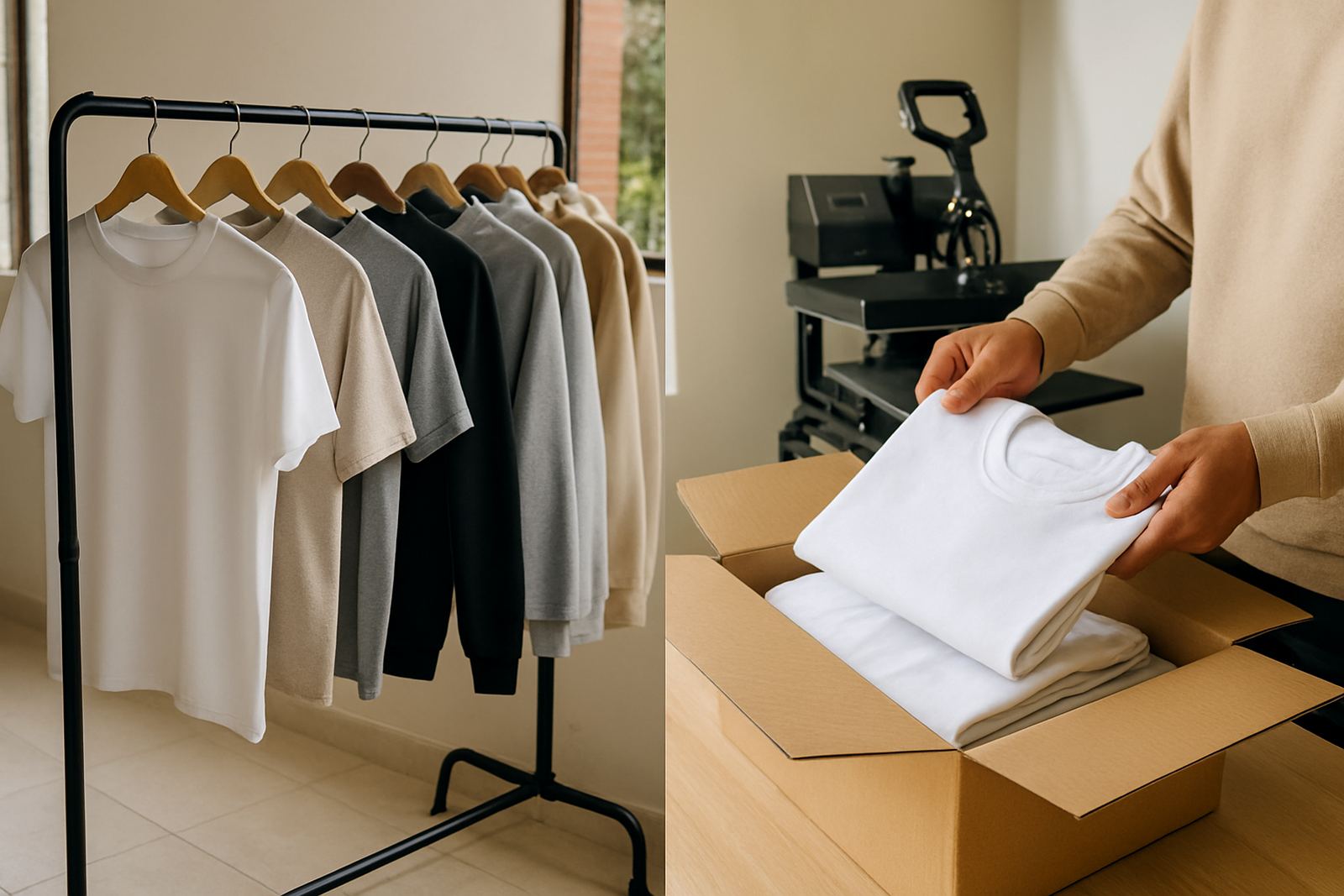
Polyester garments hold their shape best when they are folded consistently. A neat fold prevents hard creases, and it also makes size picking much faster when orders come in from Hillcrest, Phoenix, Amanzimtoti or farther afield. If you sell to crafters or promotional clients, size breakdown packs are worth the effort because they reduce handling during busy periods.
Use clear labels for style, colour, size and quantity. Keep similar products together, for example crew neck tees in one bay and hoodies in another. That makes it easier to do bulk order picking without opening every carton. For smaller stock rooms, stack lighter items higher and heavier cartons lower so the pile stays stable.
- Fold each garment the same way every time.
- Label cartons clearly on at least two sides.
- Group by product type, then by size.
- Keep fast movers near the packing area.
Protect print-ready fabric from dust, oils and pressure marks
Polyester may be durable, but it still picks up dust and marks if it is handled roughly. Fingerprints, tape residue and oils from hands can show up after pressing, especially on lighter garments. Use clean hands or disposable gloves when you are sorting stock for sample pack assembly or event order kitting. That small habit can make a real difference to the finish.
Do not overpack cartons. If the stack is too tight, the fabric takes pressure marks that are often only visible when the press is already warm. In a busy warehouse, it is tempting to squeeze in one more bundle but it usually costs more later. A little breathing room helps the garments keep a smooth surface and keeps edges from curling.
For long-term storage, keep products in their original inner packs where possible. If an outer carton is damaged, transfer the stock into a clean sealed box rather than leaving it open on a shelf. That keeps the stock cleaner and reduces the chance of colour transfer from nearby items.
Manage humidity and heat before mould or odour starts
Durban storage conditions can change quickly. Warm air, summer storms and closed rooms create the sort of moisture build-up that causes odour, musty packaging and in bad cases mould. Polyester itself dries quickly, but the packaging, labels and folded layers can still hold damp if the room is not managed properly.
Use airflow, dehumidifiers where needed, and regular checks after heavy rain. If your space is near the coast or in a low-ventilation industrial area, inspect cartons more often than you would inland. A stockroom in Pinetown is not the same as one in a dry inland town, and the routine should match that reality.
- Keep windows or vents open where security allows.
- Check for condensation on cold mornings.
- Separate any damp carton immediately.
- Pack older blank stock to the front so it gets used before newer arrivals.
If the room smells stale, do not ignore it. Move the stock, check the walls and roof, and dry the area before more apparel blanks go back in. Prevention is cheaper than replacing a whole batch after a humid week.
Store by turnover so fast movers are easy to reach
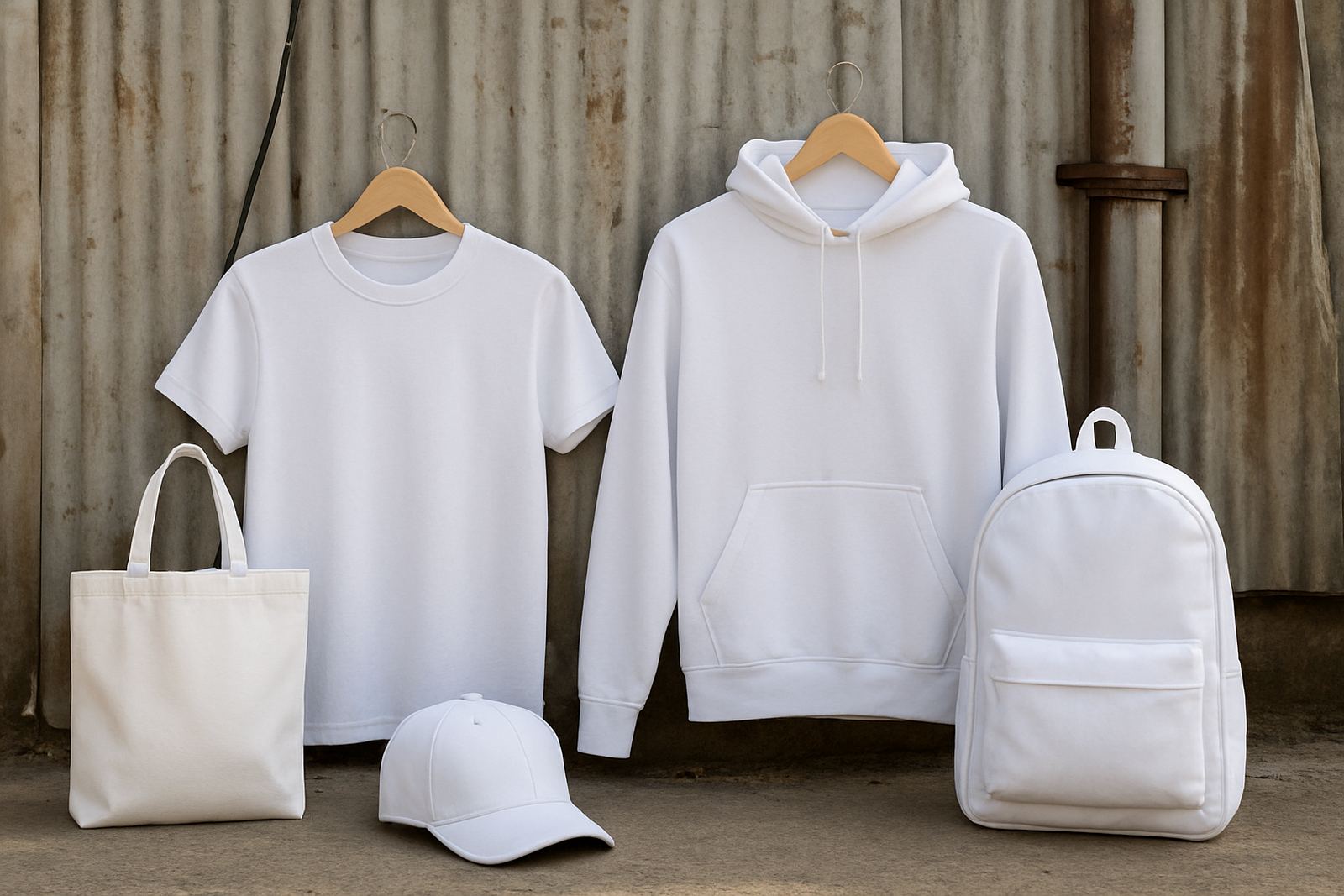
Not all blank apparel moves at the same pace. Basic white tees, popular hoodie sizes and common promotional colours should sit closest to the packing area. Slower moving items can go on higher shelves or deeper rows. This simple layout cuts down walking time, reduces picking errors and makes restocking cleaner.
Seasonal planning matters too. Before winter, hoodie stock and long sleeve items need more space. Before summer, t-shirts and lightweight accessories should come forward. If you service resellers or run promo bundle supply, planning the shelf layout around demand helps you avoid last minute scrambles and missed cut-offs. Calvin and the logistics team would tell you that a tidy bay saves more time than an extra pair of hands.
- Keep fast movers at waist height.
- Move seasonal stock forward before demand shifts.
- Use first-in, first-out rotation.
- Leave an aisle clear for trolley or hand cart access.
Use a simple stock check rhythm that fits real warehouse work
Good storage is not only about where stock sits, it is also about how often it gets checked. A quick weekly walk-through can pick up torn packaging, broken labels, dust build-up or stock that has shifted after a busy dispatch day. That matters when you are handling nationwide dispatch from Durban and also serving local collections in Pinetown, Westville and nearby areas.
Make a habit of checking counts against your order records before replenishment runs. For returns checking, keep a separate area so damaged or opened items do not get mixed back into clean stock. It is easier to fix a small issue early than to sort through a mixed pile later on. Even one missing size can delay an order if the cartons are not tracked properly.
When the team knows the storage rules, the whole operation runs better. Sales can promise with confidence, production can pack without delays, and warehouse staff do not waste time searching for missing packs. That is the practical value of organised storage, simple as it sounds.