Start with the job the headwear must do
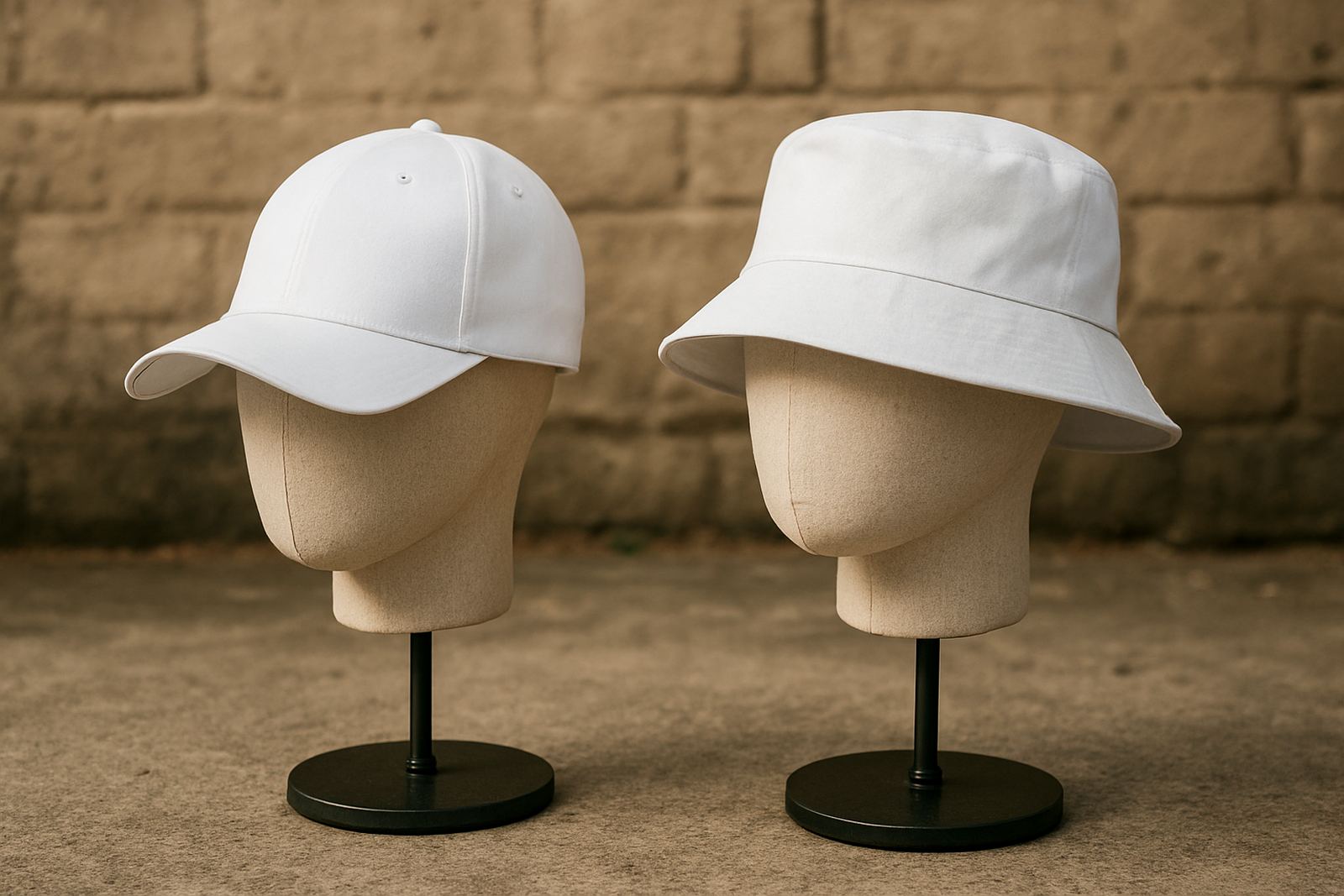
When clients ask for promotional headwear, the first question is not which style looks better, it is where and how it will be worn. A cap gives a familiar sportswear look, more face shade from the peak, and a front panel that suits bold branding. A bucket hat feels more relaxed, gives all round shade, and often appeals to leisure buyers, tourism shops and festival teams.
For outdoor events in Durban, Pinetown and the coastal belt, shade matters. Summer sun is strong, and afternoon wind can be a factor at beachfront activations, school events and retail launches. Caps are usually easier to wear for long hours when people are moving around. Bucket hats are better when the brief is casual, summer focused, or aimed at customers who want more coverage over the ears and neck.
Think about who will receive the item. Staff uniforms, golf days and sports promotions tend to lean toward caps. Lifestyle ranges, holiday packs and tourism giveaways often do better with bucket hats. The right call saves money because you buy what people will actually wear, not what just looks good in a carton.
- Choose caps for sports, trade activations and staff issue
- Choose bucket hats for leisure ranges, tourism packs and summer retail
- Choose the style that matches the customer's daily use
Print area, decoration and finished look
Caps usually offer a cleaner front branding zone. That works well for embroidery, heat transfer and simple logo placement. If your artwork needs to stay sharp from a distance, a cap can do the job with less fuss. The curved crown and structured front panel help the brand stand out.
Bucket hats give you more surface around the brim and sides, but the decoration area is less standardised. That can be useful for a subtle label, a small repeat mark or a woven trim, yet it is not always the best choice for large graphics. On some bucket hats the softer crown also means you need to check how the image will sit once the hat is worn and folded.
If you supply resellers or promotional companies, keep the print method in mind from the start. For sublimation printing, the headwear blank must be suitable and the surface must take the ink cleanly. Polyester content, fabric finish and seam placement all matter. A neat result comes from matching the blank to the decoration method, not forcing one style to suit every job.
- Caps suit front logos and clear corporate branding
- Bucket hats suit smaller marks and lifestyle styling
- Check panel shape, seam position and fabric content before ordering
Comfort, fit and how people actually wear them
A cap tends to be more structured. That helps when you need a consistent look across a team or event. It sits well on most heads, can be adjusted with a back fastening and works for men and women across age groups. People are used to caps, so acceptance is usually simple.
Bucket hats are softer and feel more relaxed. They are handy for long days in the sun, outdoor markets and holiday wear because the brim gives broader shade. For younger audiences and casual ranges, bucket hats can move faster than expected. They also pack down easily, which helps for hospitality baskets, travel promos and event handouts.
In humid coastal conditions like Pinetown to Amanzimtoti, the comfort factor can decide the sale. If a headwear blank feels stiff or traps heat, it may stay in a storeroom instead of being worn. Lightweight polyester options are useful here because they dry quicker after washing and handle warm weather better than heavy fabrics.
- Caps offer a familiar fit and simple adjustability
- Bucket hats offer wider shade and a relaxed feel
- Lightweight fabrics are better for warm, humid conditions
What works for bulk orders and repeat supply
For bulk orders, consistency matters as much as style. If you are packing 200, 500 or 1 000 units for a campaign, you need headwear blanks that match in colour, stitching and sizing. Caps usually give more predictable structure. Bucket hats can vary a little more in crown height and brim shape, so you should check samples before committing to a full run.
Order planning is important for seasonal peaks. Summer promotions, school events, sports days and December gifting all pull stock quickly. If you are supplying retailers in Westville, Umhlanga or Hillcrest, a split strategy can help: caps for year round movement, bucket hats for seasonal leisure stock. That way you do not over commit on one style while missing demand on the other.
For resellers, size breakdown packs and kitting services reduce admin. A mixed approach can also help with market testing. If you are unsure which style will move, start with a smaller sample pack, then place follow up orders on the better performer. It is better to test than sit with slow stock and cash tied up.
- Check sample packs before large production runs
- Use caps for steady general demand and bucket hats for seasonal pushes
- Plan around summer events, school calendars and festive trade
A local use case from Pinetown to the coast
Take a Durban promotional company running a beach campaign and a staff gifting programme at the same time. For the beach activation, bucket hats make sense because they feel relaxed and offer more sun coverage. For the staff pack, caps are often the better pick because they are neat, easy to size and suit everyday wear.
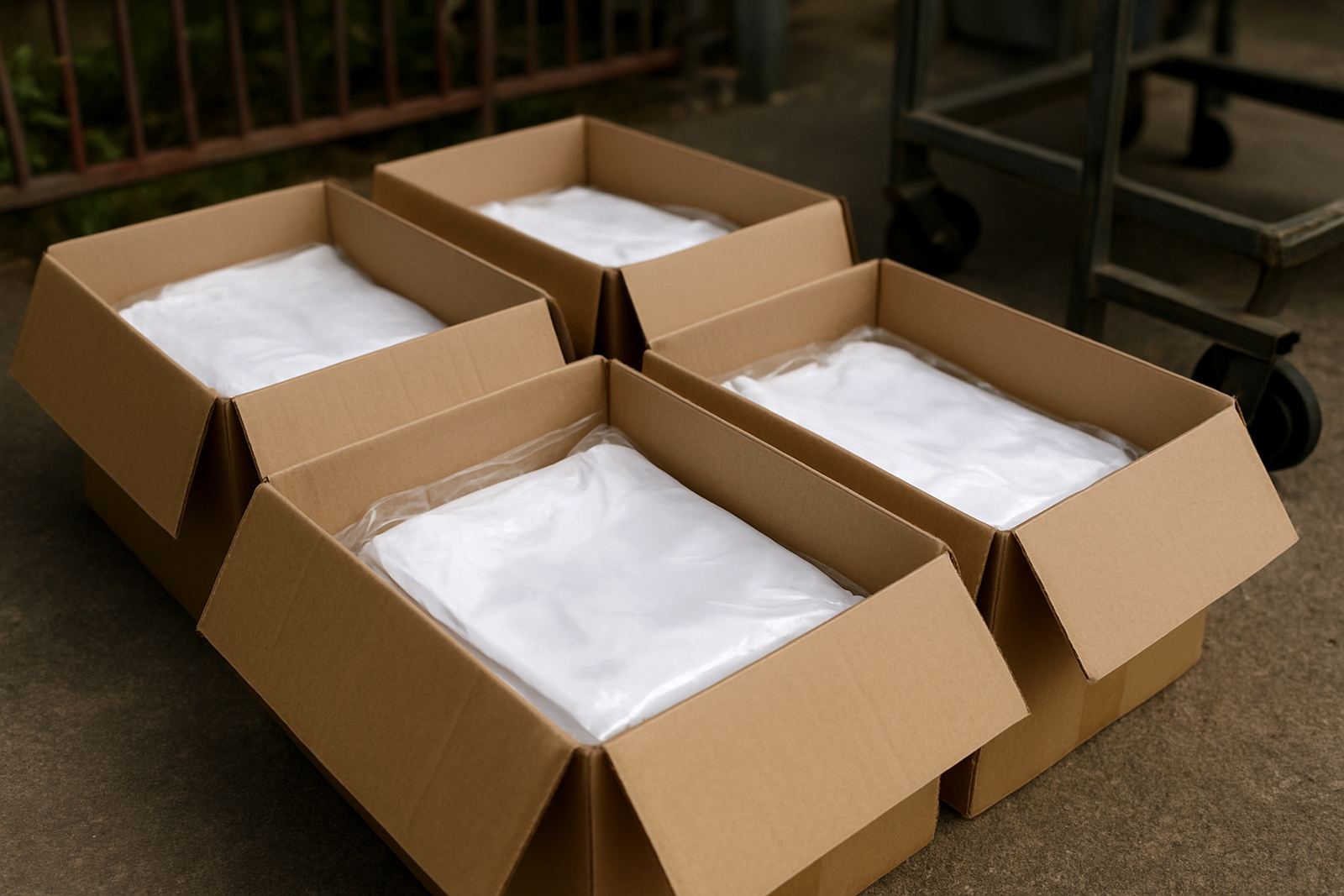
Now add local conditions. Coastal humidity means stock must be stored well, and vehicles making deliveries between Pinetown, Phoenix and the North Coast need packaging that keeps items clean and flat. If the order is for a reseller in Amanzimtoti, bucket hats may suit the holiday market. If the client is a school in Hillcrest or a trade supplier in Westville, caps can be the safer repeat order. The answer changes with the audience, not just the colour.
That is why clear buying guidance matters. The best suppliers do not just move cartons, they help you match product to purpose, and keep the order practical from packing to dispatch.