
Why packing choices affect the whole order
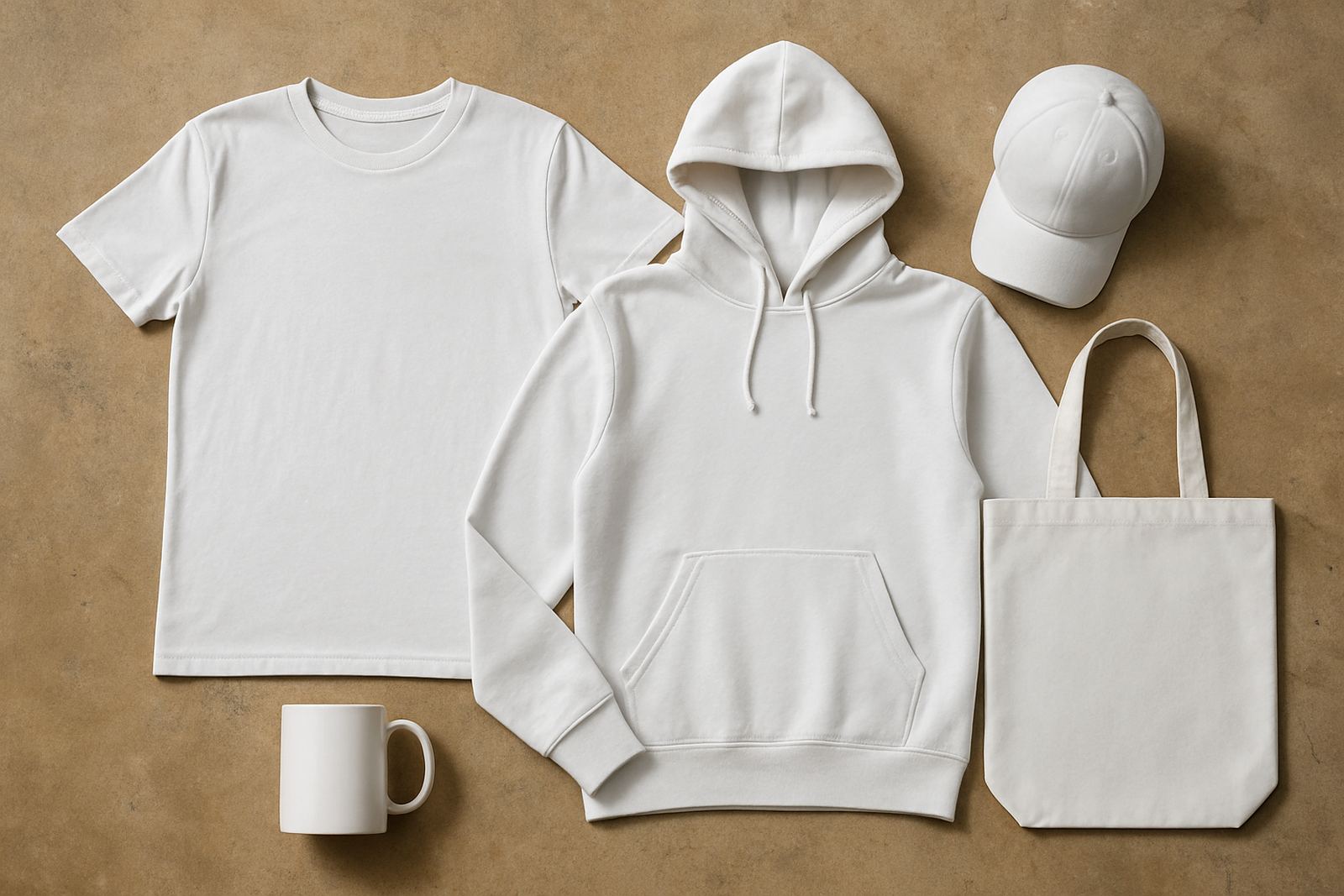
When blank apparel is packed well, the shipment is easier to load, simpler to count, and less likely to arrive with dirty marks or crushed corners. That matters for polyester tees, hoodies and accessories because these items are often ordered in mixed sizes, split by colour, and sent straight into a printing workflow.
In a busy warehouse, a pack that is clear and consistent saves time at every touchpoint. The picker can confirm quantities faster, the courier can stack cartons more neatly, and the customer can receive stock without opening five bags just to find a missing XL. For businesses handling repeat orders, that kind of orderliness cuts down on queries and returns.
In Durban and Pinetown, heat and humidity can also be a factor. If cartons are left in a loading bay too long, lightly packed garments can absorb moisture from the air. Good packing helps reduce that risk and keeps fabric cleaner during transit.
Build the order by size and colour, not by guesswork
The first step is a clean breakdown before sealing anything. Apparel orders should be separated by style, colour, and size so that stock checks are quick when the carton is opened at the other end. That is especially useful for resellers and event organisers who may have three or four delivery points from one order.
- Keep one style per outer carton where possible
- Group sizes in the same order each time, such as S to 2XL
- Mark colour runs clearly when an order includes more than one shade
- Use inner packs for small accessories so they do not disappear in larger cartons
A simple breakdown system also helps if a customer needs to store part of an order for later. If the stock arrives packed in a predictable way, it is easier to shelf, count and reissue without opening every bag. That saves time for teams working in smaller premises where space is tight.
Use packaging that protects fabric but stays easy to open
Blank apparel does not need fancy packing. It needs practical packing that protects the garment and keeps the order usable. The aim is to avoid rubbing, dust, water damage and unnecessary wrinkling, while still allowing the customer to check quantities without fighting with the pack.
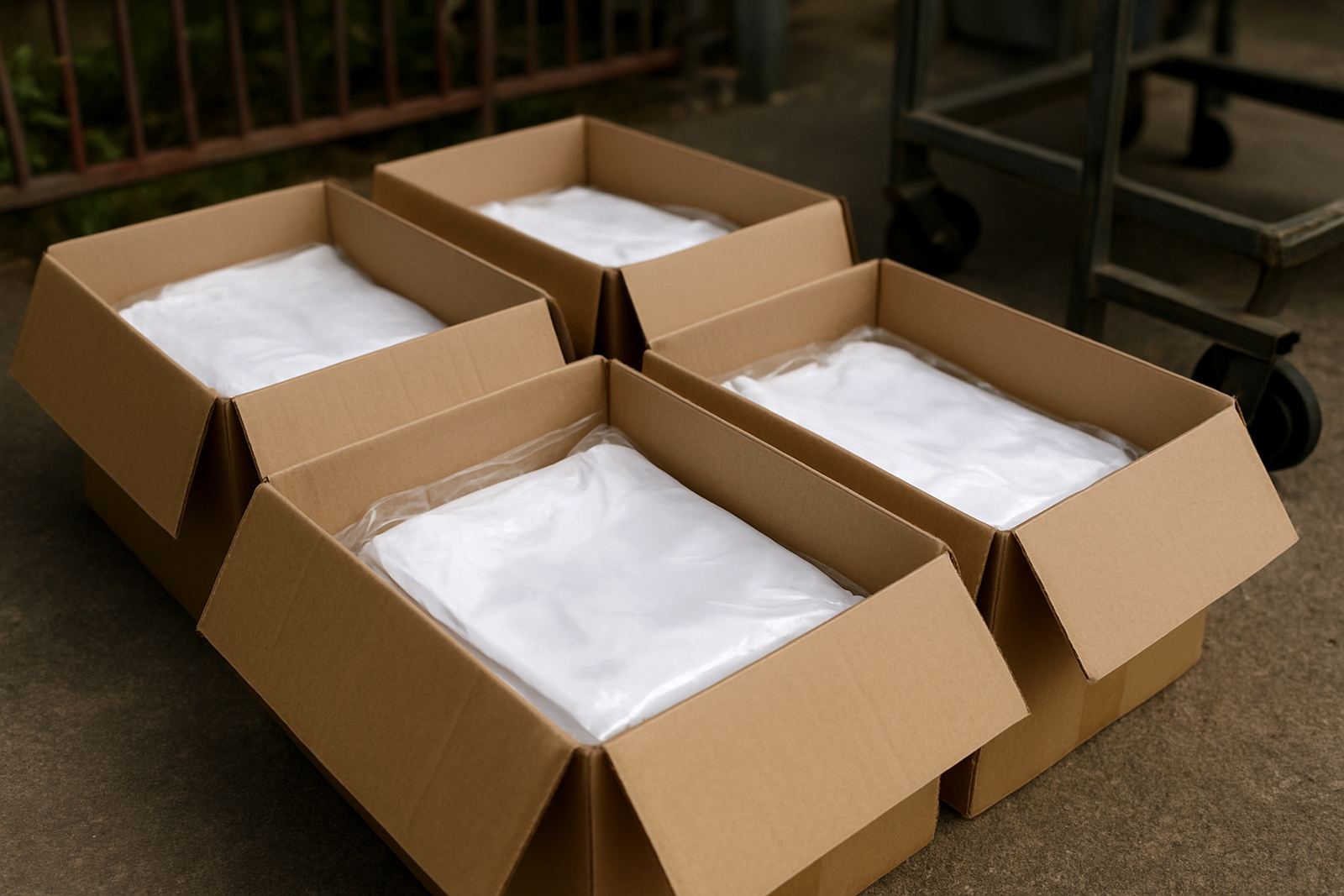
For courier-ready packing, the inside should stay neat and the outside should be strong enough for stacking. Clear labelling on the outer carton should show item type, quantity, sizes and order reference. That makes receiving far easier, especially when an order lands at a workshop in Westville, a home studio in Hillcrest or a distribution point in Phoenix.
For smaller parcels, a tidy inner pack can stop loose garments from shifting. For larger orders, carton strength matters more than fancy presentation. The point is to make the box survive sorting, loading and delivery, not to make it look decorative.
- Use sealed inner packs for tees and hoodies so they stay clean
- Keep accessories in separate pouches or smaller cartons
- Apply clear labels on two sides of each outer carton
- Avoid overfilling cartons, which can split seams during transit
What dispatch teams check before the carton leaves Pinetown
A proper dispatch check is not just a final count. It is the step that links packing to delivery performance. Before an order leaves the warehouse, the team should confirm the sizes, quantities and notes for special handling. If the shipment is going to a reseller or event organiser, it should also be checked against the original picking sheet.
At this stage, the carton should be stable enough to travel through multiple handovers. Courier depots often handle parcels by the load rather than by hand, so loose packing can cause folded edges, split bags or mixed sizes by the time the parcel reaches the receiving point. A little extra time at dispatch prevents those problems later.
For larger nationwide orders, it also helps to split packing by drop point. For example, if one client in Amanzimtoti needs a sample pack and another branch in Umhlanga needs bulk stock, the cartons should be separated before dispatch rather than marked at the last minute. That keeps stock checks cleaner and avoids confusion on arrival.
Packing methods that work for local resellers and event orders
Different customers need different pack formats. A small crafter usually wants easy-to-open packs with clear counts. A promotional company may need kitted cartons by event size, colour and delivery site. A reseller may want restock packs that can go straight onto a shelf. One packing method does not suit every order.
In Durban, where many customers collect or request same-week dispatch, packaging has to support speed. That means using a format that lets the customer unpack quickly and start work the same day. If the garments arrive sorted into usable groups, the customer spends less time counting and more time printing, packing or selling.
- Sample packs should show a practical mix of sizes and colours
- Reseller restocks should stay grouped by style for fast shelving
- Event kitting should follow the attendee or team list exactly
- Promo bundles should include clear labels for easy handing out
How packing reduces stock errors after delivery
Good packing supports good stock control. If a parcel arrives in a clear, logical format, the receiving team can do a quick count and sign off with confidence. That matters when orders are moving across provinces and being received by different staff members at each stop.
Returns also become easier to check. If a carton comes back for any reason, the original pack structure makes it simpler to confirm what was sent and what needs to be restocked. For blank apparel businesses, this is valuable because sizes and colour runs must stay accurate for the next order.
A straightforward packing standard also builds trust with customers who order often. They learn what to expect, which makes repeat buying easier. And when the receiving process runs smoothly, there is less chance of small issues turning into long message threads or unnecessary delays.
A practical Durban example that shows the value
Picture a promo order heading out from Pinetown to a company in Umhlanga, with extra stock for a second team in Amanzimtoti. The order contains tees in mixed sizes, hoodies for a winter campaign, and a few sample accessories. If all of it is packed together without separation, the receiving team has to open everything at once and sort it by hand. That takes time and creates room for mistakes.
Now pack it properly. The tees are broken down by size, the hoodies are grouped separately, and the accessories are boxed on their own. Each carton is labelled, the quantities are visible, and the outer box is ready for courier handling. The receiving team can count faster, storage is easier, and the garments stay cleaner on arrival.
That is what courier-ready packing is really about. It is not only about keeping the parcel safe on the road, it is about making the stock easier to use the moment it arrives.