
Start with the blank, then work backwards
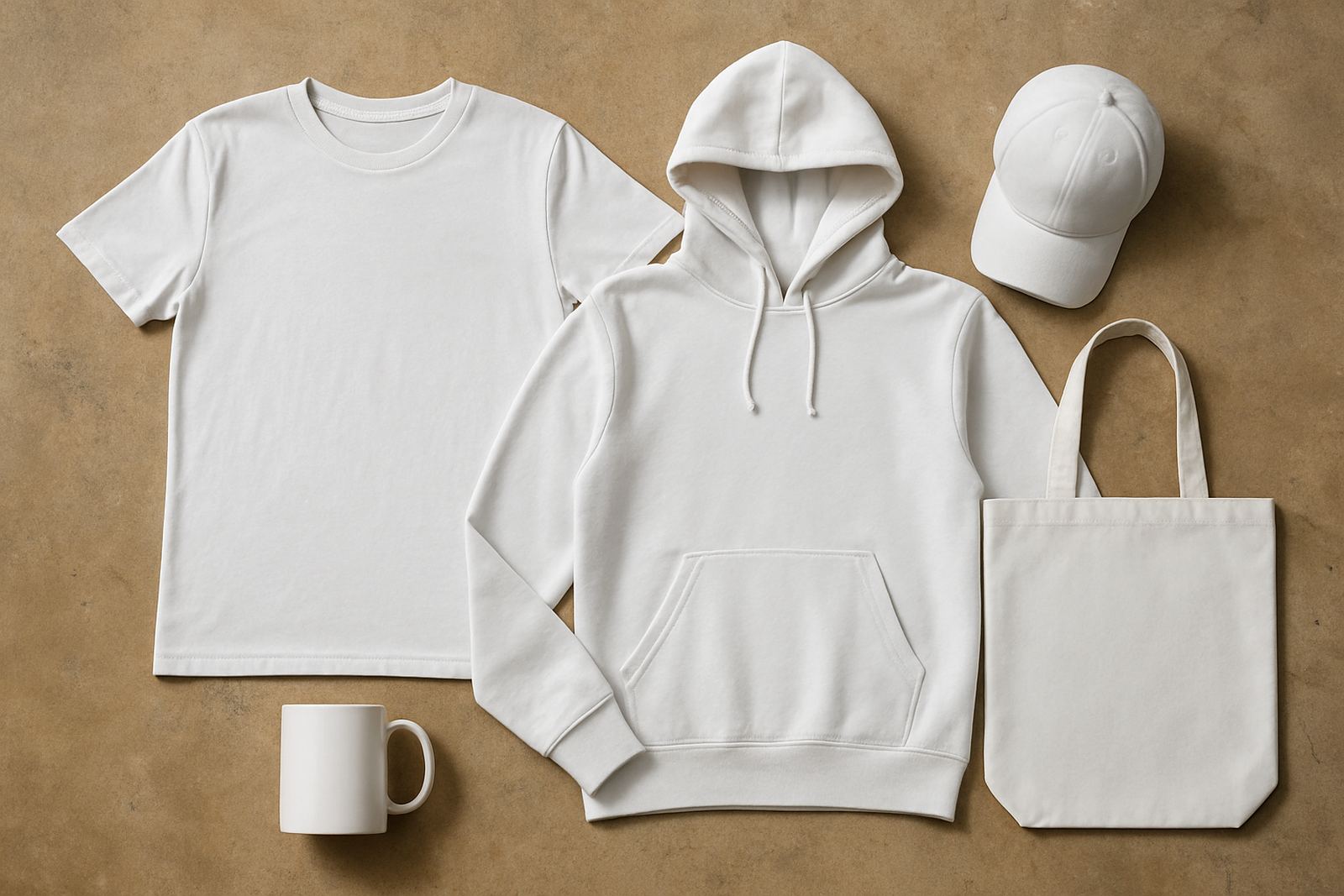
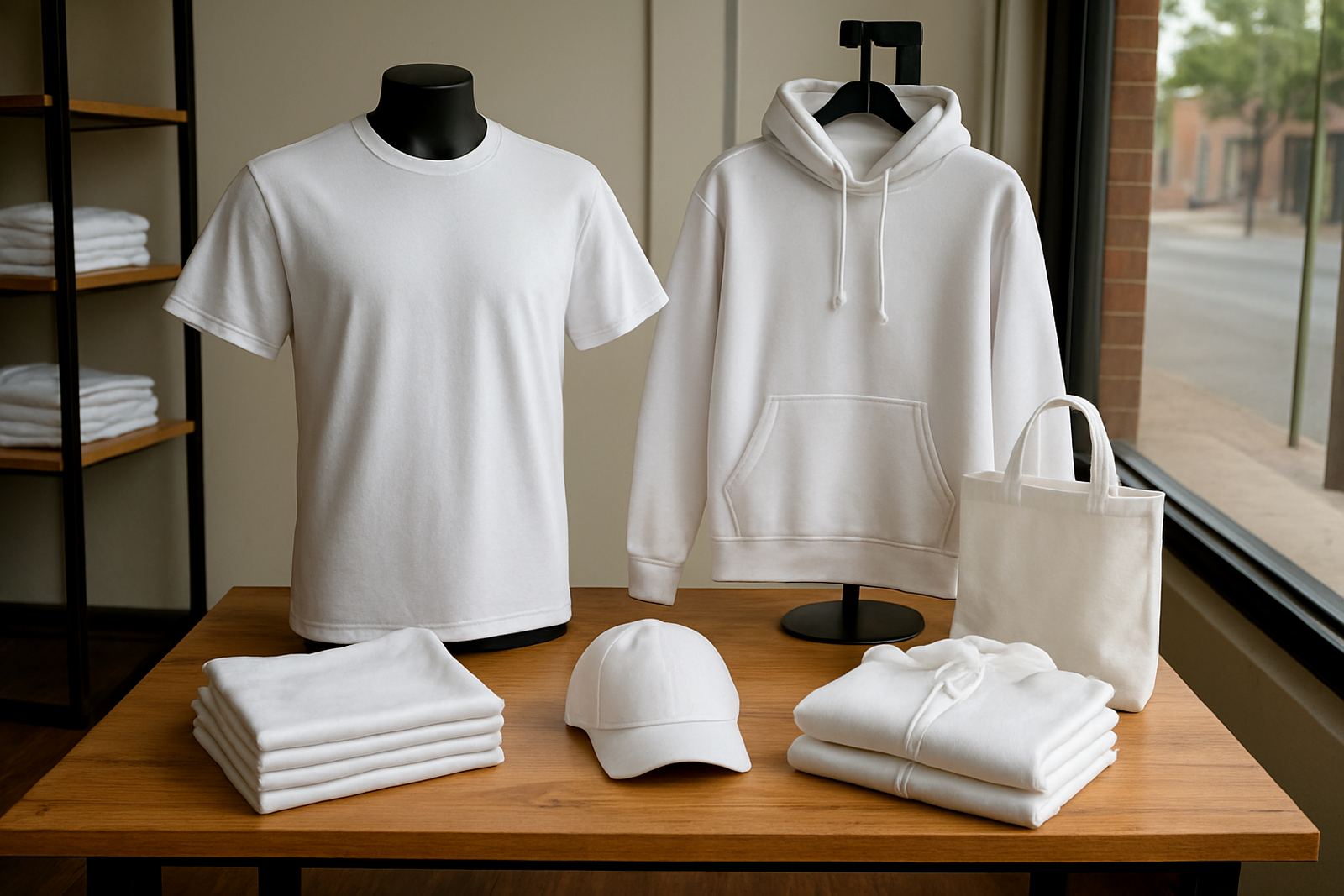
The blank garment is only the first number on the page. A polyester t-shirt for sublimation, a hoodie, or a cap all carry different base costs, and the quality of the fabric will affect how the final print looks after wash after wash. If the cloth is too thin, the print can look dull. If the sizing is inconsistent, you end up with returns, swaps and unhappy customers.
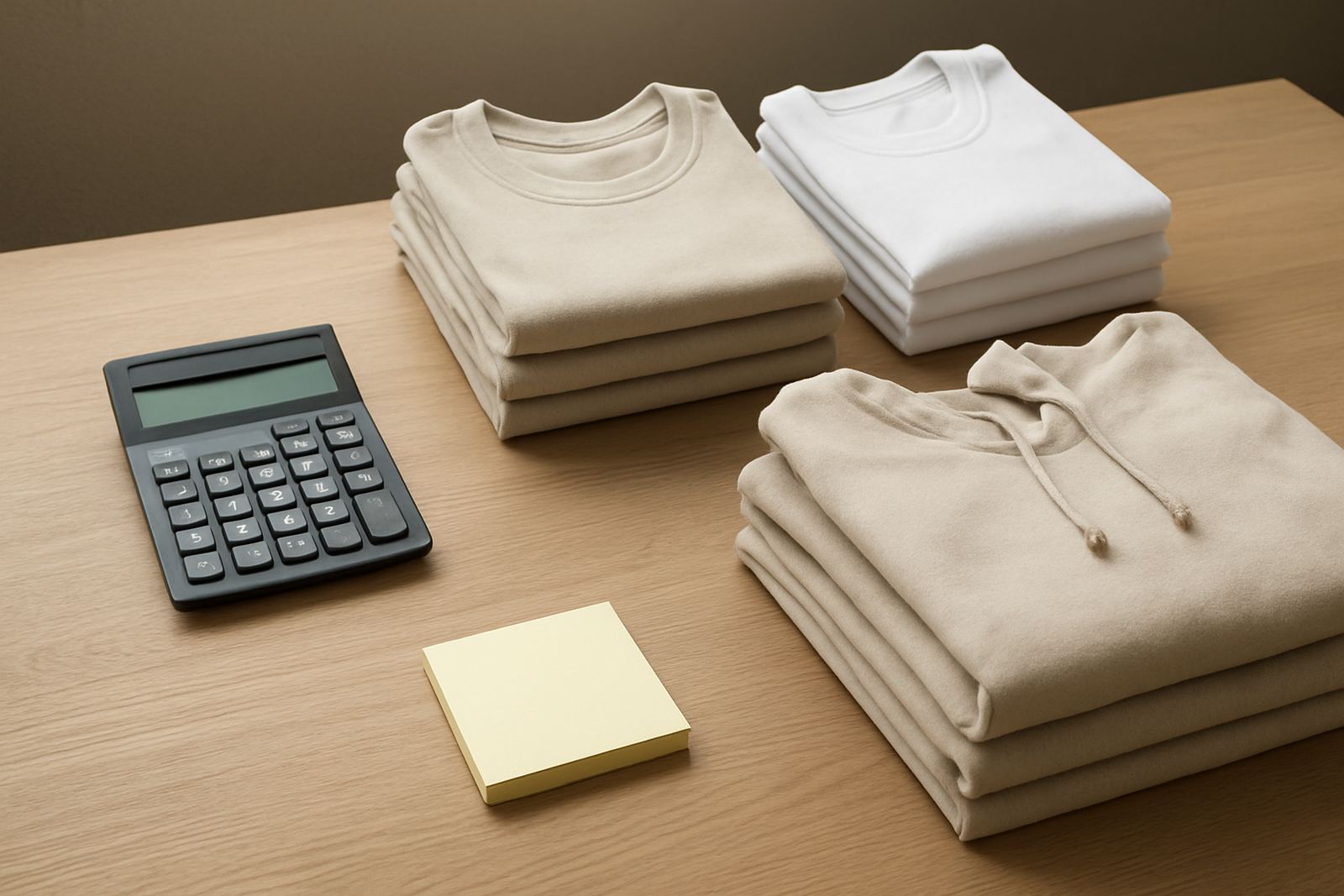
When you cost a collection, begin with the landed price per unit. That should include the blank, any size splits, and the transport to your base if you are collecting in Pinetown, Westville or nearby. For nationwide orders, add the actual courier cost, not an estimate that sounds nice on a quote.
Factor in print preparation and production time
Custom apparel is not a single-step sale. There is prep work before one item is printed, packed and sent. You may need to sort sizes, check artwork, test print colours and set aside samples for approval. If you are handling event merch or reseller packs, the time spent counting and labelling is real work and it needs to be charged for.
Useful cost items to track:
- Artwork setup and file checking
- Sample production or test pieces
- Heat press time, labour and machine use
- Packaging, labels and slips
- Returns checking and rework
Do not leave these out because they seem small. Across 40 or 100 units, they add up quickly.
Size breakdowns change the numbers more than many owners expect
A lot of first orders look simple on paper, then the size mix changes everything. A standard run of medium and large tees is easier to manage than a spread that includes youth sizes, extra smalls and 5XL units. If you are selling to a sports club in Hillcrest or a school event near Phoenix, size breakdown packs can save time but they also affect your buying plan and your cash tied up in stock.
Price structures should reflect the risk of uneven size demand. The larger sizes often cost more, and the odd sizes may move slower. If you price every garment the same without thinking about this, your best sellers end up carrying the weak ones.
- Charge a higher average price on mixed-size ranges
- Keep a simple size history for repeat customers
- Use pre-order windows to avoid dead stock
- Set clear rules for size swaps and shortages
Build a margin that can survive slow payments and load-shedding
Many small businesses quote as if payment will arrive instantly and production will go through without a hitch. In reality, invoices can take time to clear and load-shedding can interrupt printing or packing. If your press stops or a courier collection is missed, your margin has to carry that delay.
A healthy margin should cover more than profit. It should leave room for electricity backup, staff overtime, courier repricing and the odd remake if a garment is damaged. In Durban's humid conditions, storage and packing also matter because damp stock can cause issues with handling and finish.
As a rule, do not price a custom range so tightly that one mistake wipes out the whole job. Leave breathing room, even if the customer only sees the final price.
Price differently for sample packs, retail bundles and bulk orders
Not every order plays by the same rules. Sample packs help close a sale, but they should be priced to recover the garments, packaging and time spent assembling them. Promo bundles for events often need extras like matching caps, extra labels or split delivery, while reseller restocks usually need more careful stock control and quicker turnarounds.
If you sell across South Africa, from Amanzimtoti to Gauteng, your pricing should reflect the fulfilment model. A bulk order of 200 tees going to one address is easier to manage than ten smaller deliveries going to different towns. That difference is worth money.
- Sample packs should include handling and packaging
- Retail bundles can carry a higher per-item margin
- Bulk orders may qualify for a lower unit price but still need a setup fee
- Separate courier charges from the garment price wherever possible
Use local examples when setting a fair selling price
Say a small brand in Durban wants 50 sublimated tees for a summer launch. The owner needs to buy blanks, check sizes, print artwork, pack each order and send them to a few stockists. If the quote only covers the shirt and ink, the job looks profitable until the packing slips, size sorting and last-minute changes show up.
A better method is to price the collection as a full service item. Include the garment, print prep, labour, packing and dispatch. Then add a clear margin for the business. That way the customer gets one fair figure and you know exactly what is covered. It is much easier to repeat the job later because your numbers already make sense.
For small businesses in Pinetown, Westville, Umhlanga or further afield, this approach also makes it easier to compare custom ranges against plain stock, and decide where the better return sits. Often the custom line may be slower but the margin is stronger, if the costings are done properly.
Keep your pricing sheet simple enough to use again
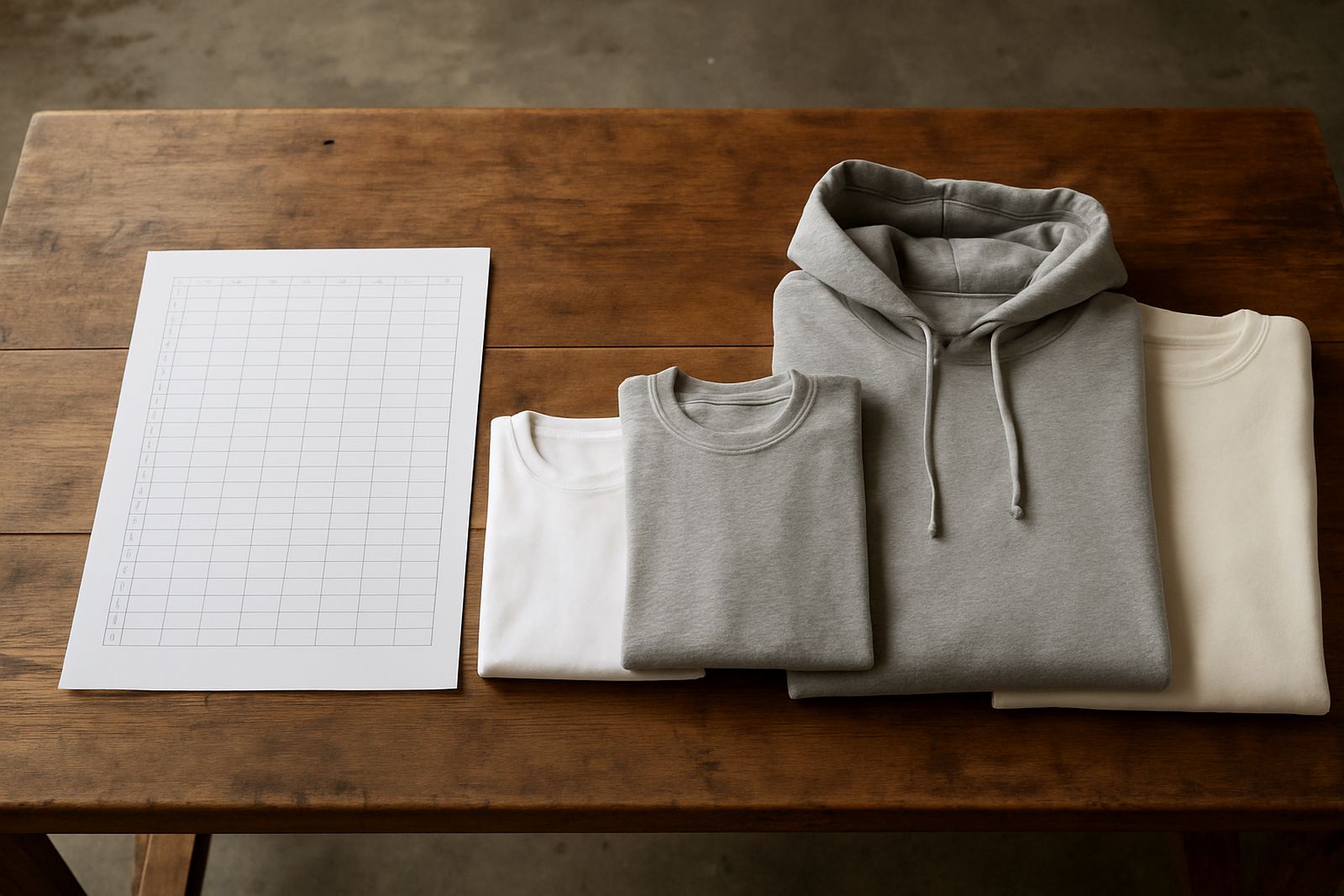
The best pricing system is the one your team can apply on a busy Monday morning without guesswork. Keep a sheet that shows blank cost, print cost, packing, courier, and margin per unit. Update it when supplier prices shift or when your freight costs change, because both will.
Track what sold well, what got returned, and where time was lost. After a few months, the numbers usually start to show a clear pattern. Maybe hoodies sell better in winter, or sample packs close more reseller accounts than cold quotes. That information is worth more than a fancy formula, because it helps you price the next range with proper confidence.
For custom apparel, good pricing is not about guessing the market. It is about knowing your numbers and sticking to them.