Start with the fit, not the print
When customers buy blanks for sublimation, they are not only choosing colour and size. They are choosing how the garment will sit on the body, how it will feel after a long day, and how easy it will be to resell. A t-shirt for a sports day crowd in Durban North will not always suit the same cut as a fashion line for a boutique in Westville. The right fit can reduce returns and make your finished print look better too.
At Sublimation Blanks Apparel in Pinetown, we see buyers from crafters to promotional companies asking for the same thing in different ways: a garment that prints well and wears well. The first step is simple. Decide whether the product must suit a broad market, a style-led customer, or a comfort-first buyer. That one decision narrows the fit choice very quickly.
Regular fit: the safest all-round option
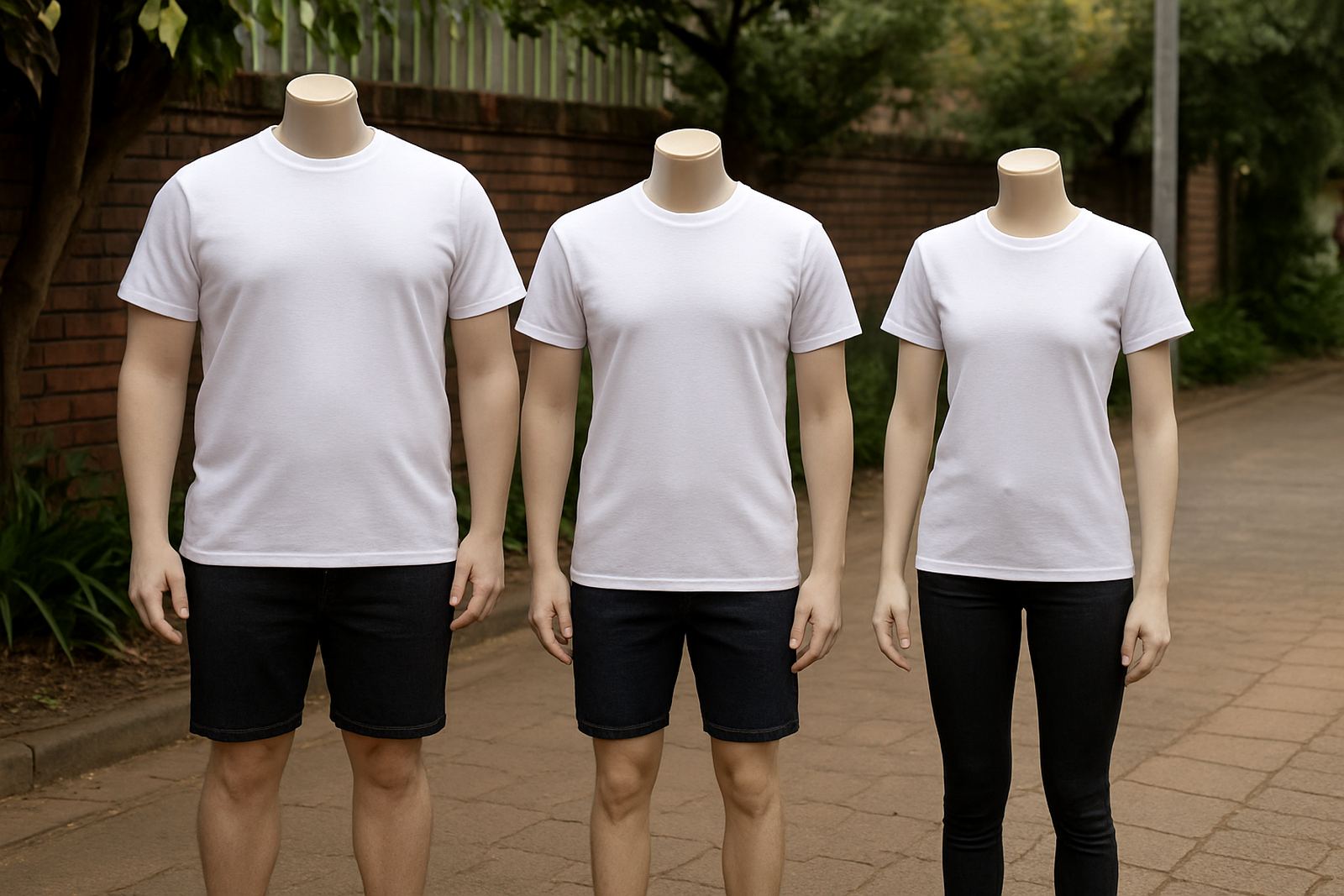
Regular fit is the most versatile silhouette. It gives room through the chest and waist without looking oversized, which makes it a good choice for school events, staff wear, giveaways and reseller ranges. If you are packing mixed sizes for a market in Pinetown or sending stock to a shop in Amanzimtoti, regular fit usually keeps the order easy to manage.
This cut works especially well when you need broad appeal. It suits men and women, younger customers and mature buyers, and it is often the easiest style to explain to a customer over WhatsApp or in a showroom. For bulk buying, regular fit also helps with size breakdown planning because the return rate tends to be lower than with trend-led cuts.
- Best for uniforms, promos and general retail
- Good for first-time buyers who want less sizing risk
- Easy to pack in size sets for events and reseller restocks
- Usually the simplest fit to reorder season after season
Fitted fit: better for style-led ranges
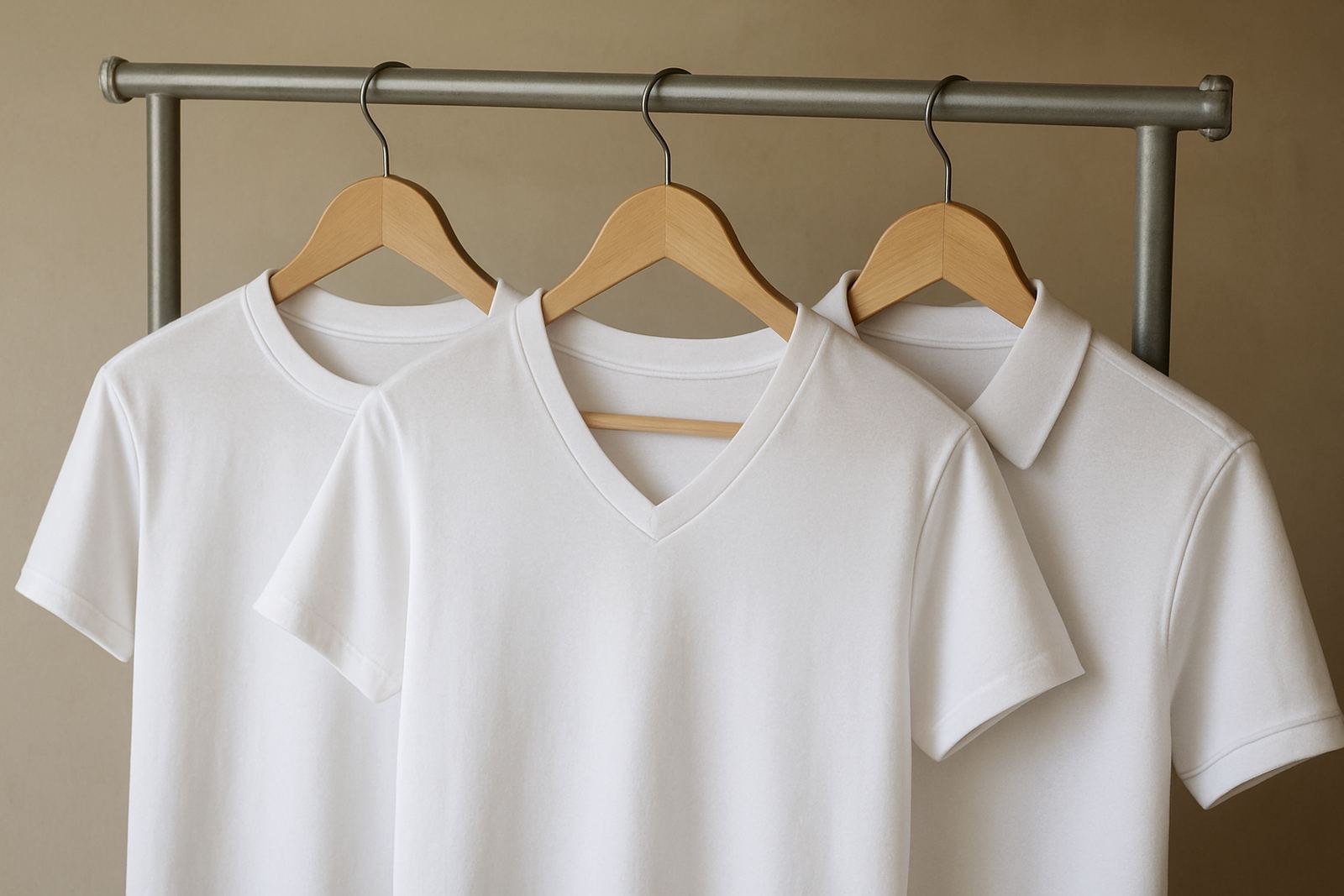
Fitted garments shape closer to the body. That makes them popular for fashion ranges, boutique labels and customers who want a cleaner look under jackets or over layered outfits. In hot areas like Umhlanga and Phoenix, fitted t-shirts can be popular for lightweight everyday wear, while in cooler Hillcrest the same cut can work well under hoodies or cardigans.
Fitted does not mean tight, but it does mean the buyer should pay closer attention to measurements. If your customers are ordering online or through resellers, it helps to provide chest width, body length and a clear note that the cut is slimmer than regular. A fitted blank can look sharp after printing, yet it is less forgiving if the sizing chart is unclear.
For sublimation work, the fit also affects how the final garment feels after pressing. A slimmer cut can be a strong choice for lifestyle branding, but it is not always the best option for mass promo use, where comfort and quick sizing decisions matter more. Measure twice before you commit, because a narrow fit can move stock slowly if your audience wants ease and room.
Relaxed fit: comfort, coverage and easy wear
Relaxed fit gives more ease through the body and is often preferred by buyers who want comfort first. It is a strong choice for loungewear, oversized fashion, staff hoodies, casual retail and colder coastal months when people layer up. In places like Westville and Pinetown, relaxed hoodies and tees often move well for everyday wear because they feel less restrictive.
This fit can be especially useful for event packs and bulk orders where you do not know every wearer’s exact preference. It hides small sizing errors better than fitted styles and is often easier for customers to gift to someone else. The look is more laid-back, so it suits modern streetwear and family apparel ranges. If you are building a small brand, relaxed silhouettes can give you room to play with bigger prints without the garment feeling cramped.
- Good for comfort-led customers and casual ranges
- Useful for hoodies, winter promos and layering pieces
- More forgiving in mixed-size bulk orders
- Works well when you want a looser fashion look
How to choose the right silhouette for your market
The best fit depends on who will wear the garment and how they will buy it. A corporate order sent to Phoenix for a roadshow may need regular fit so that staff can share sizing easily. A small clothing label in Durban might choose fitted tees for a cleaner retail look. A reseller serving schools, churches or sports clubs may prefer relaxed or regular because those cuts are easier to move across different body types.
Use this quick decision process when planning stock:
- Identify the main buyer group: promo, retail, team wear or fashion
- Check the season: summer tees and winter hoodies often need different room
- Review the print size: larger artworks usually sit better on regular or relaxed cuts
- Look at your returns history: sizing issues often point to the wrong fit type
- Match the fit to your price point: trend-led cuts may need tighter stock control
If you are unsure, start with regular fit in your first order and add fitted or relaxed once you know what your customers ask for most. That approach keeps cash flow under control and helps you build a clearer picture of demand. It also makes reorder planning easier when load-shedding or transport delays slow down collection schedules.
Sizing checks before you place bulk stock
Before you confirm a bulk order, ask for exact measurements and compare them with the people who will wear the garments. Do not rely on size labels alone. A medium in one cut can feel very different from a medium in another, so chest width, shoulder span and garment length matter. This is where sample pack assembly can save time and avoid costly mistakes.
Use this checklist before placing stock:
- Measure a sample garment flat and compare with your preferred fit
- Test how the fabric sits after printing and washing
- Check if the cut allows movement for workwear or event use
- Confirm whether your customer prefers tuck-in length or longer body length
- Keep a note of which fit sells fastest by branch or area
For buyers in coastal areas, humidity can affect storage, so keep packed stock in a dry room with enough airflow. In hotter months, lighter regular and fitted tees may move quicker than heavier relaxed styles. During winter, the opposite can happen, especially with hoodies and layered apparel. Small details like this can change how fast your stock turns over.
Practical fit guidance for resellers and event buyers
If you are buying for resale, think about repeat orders and size breakdowns from day one. Regular fit gives you the broadest base for stock planning, but a good range often includes a mix of styles. A relaxed hoodie line can support winter sales, while fitted tees may suit a more fashion-driven customer. The key is keeping the range clear enough for customers to understand quickly.
For event buyers, the aim is usually speed and fairness. Size breakdown packs help when you need to kit groups across different ages and body types. For resellers, a clean assortment of regular and relaxed pieces can reduce dead stock. For style-led brands, fitted cuts can make your printed artwork look sharper and more premium, provided the size chart is accurate and easy to read.
At Sublimation Blanks Apparel, our team in Pinetown helps buyers across South Africa choose the right blank fit for their market, from Durban and Umhlanga to Hillcrest, Westville and beyond. If you need help with bulk order picking, reseller restocks or sample packs, it is worth matching the fit type to the way your customers shop, not just the way the garment looks on a hanger.