Start with the job your team actually does
Before you pick colours or artwork, think about how the uniform will be worn. A sales team at a Durban showroom needs a different shirt from a crew packing parcels in Pinetown or delivering stock to Hillcrest. The right blank should suit the movement, heat, and amount of washing it will see every week.
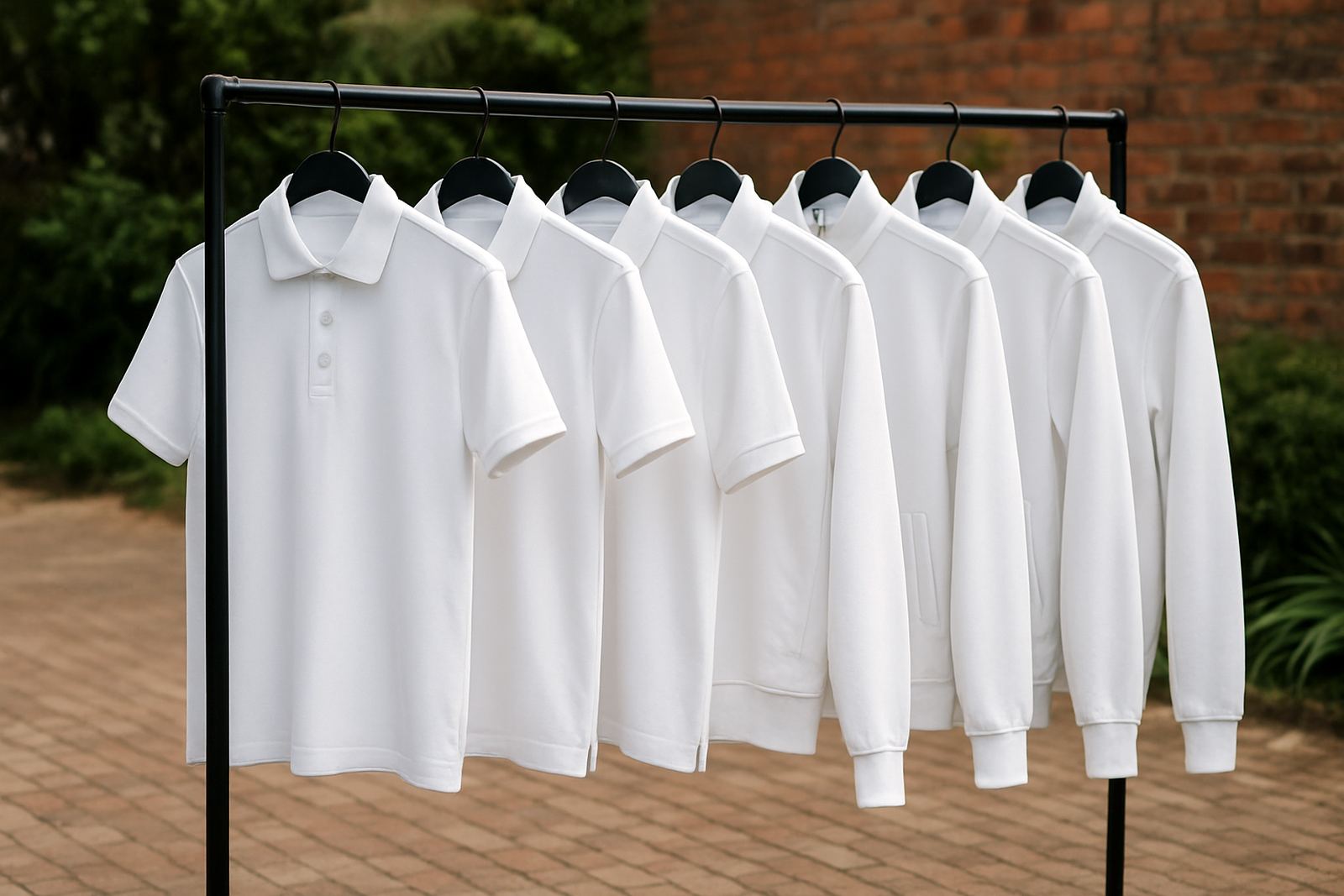
For a sharper presentation, collared shirts are often the easiest starting point. They give a neat finish for client meetings, event stands, school functions, and front counter staff. If your people are active all day, choose a fabric weight that feels light but does not go see-through after a few washes. That matters even more in KwaZulu-Natal where warm days and coastal humidity can make cheap fabric cling and crease fast.
- Front-facing staff usually need a cleaner, more formal look
- Warehouse and field teams need movement and easy care
- Event staff often need matching pieces that still feel comfortable after 8 hours
Choose fabric that prints neatly and wears well
For sublimation printing, polyester content is the key. A higher polyester content gives brighter colour, clearer small text, and better print hold over time. If you are ordering team wear for a brand, ask how the fabric handles heat, repeated washing, and ironing. Not every blank behaves the same once it leaves the press.
Most buyers look first at colour and price, but the weave matters just as much. A smooth surface helps logos and names come out crisp. On some shirts, a rough texture can make fine detail look broken or faded. If the garment will be used in summer events or on the road, make sure it still feels comfortable against the skin. Nobody wants a team in shirts that look good but feel scratchy by midday.
- Higher polyester content usually gives stronger sublimation results
- Smoother fabric helps with small logos, sponsor marks and names
- Lightweight options are better for hot inland and coastal conditions
Coordinate shirts, hoodies and accessories for a proper set
Uniform blanks work best when the whole order feels planned, not pieced together. A collared shirt for the office, a hoodie for early mornings, and a cap or bag for travel can give one team a consistent look without forcing everyone into the same item every day. That is useful for businesses with mixed roles, like a Pinetown distributor where admin staff, drivers, and stock handlers all need different kit.
Try to keep colours and print positions consistent across the range. If the shirt uses a left-chest logo, the hoodie should do the same unless there is a strong reason not to. That consistency helps with brand recognition at expos, in-store promotions, and client visits. It also makes reordering easier later because the team already knows what the kit should look like.
- Match shirt and hoodie colours before you place the print order
- Keep logo position consistent across all garments
- Add accessories only where they support the main uniform, not distract from it
Size breakdown packs save time and reduce returns
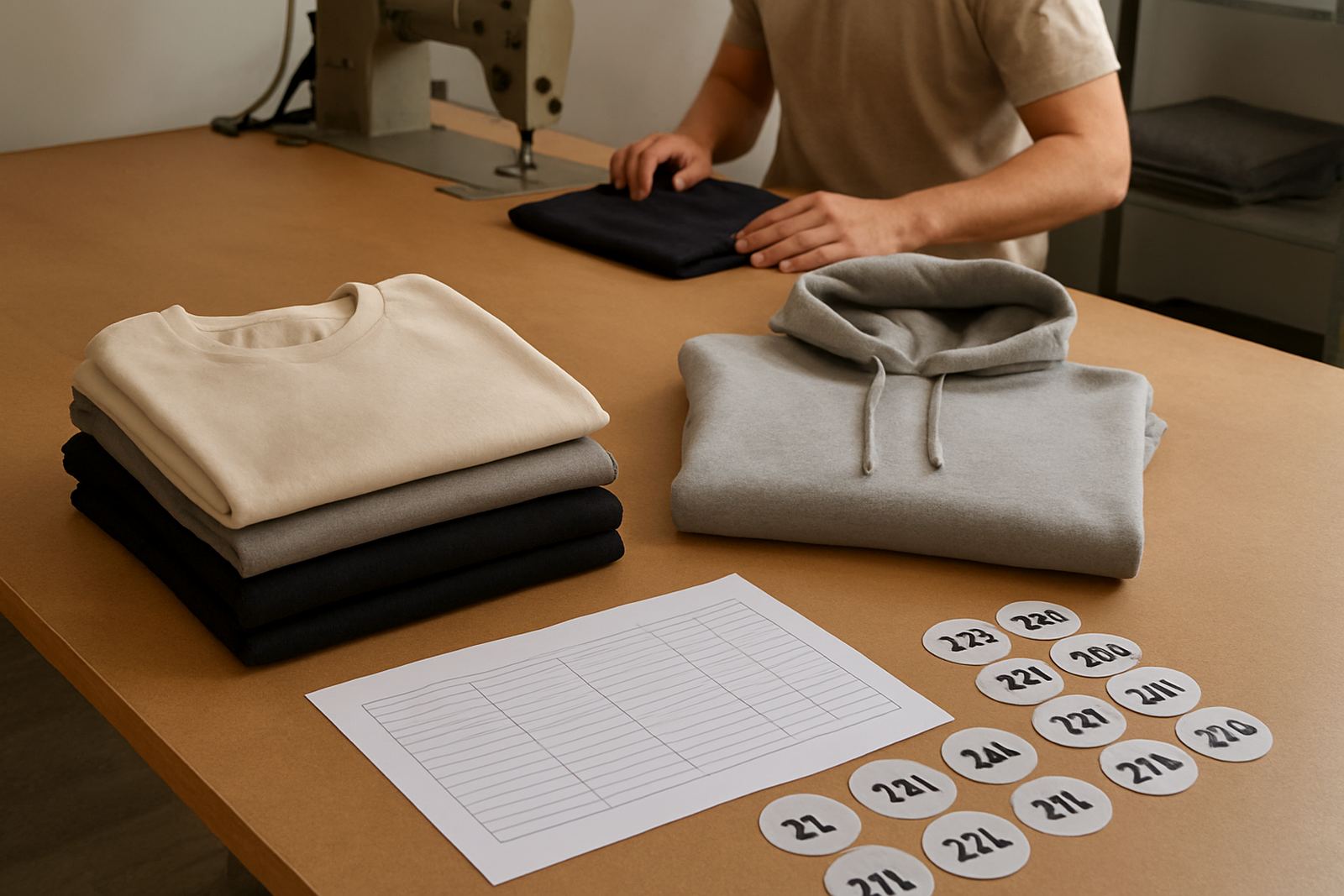
One of the biggest mistakes with team wear is guessing sizes from memory. A size breakdown pack makes the process simpler because each staff member gets the right fit before the main order is produced. This is especially useful when you are kitting multiple branches, such as teams in Westville, Umhlanga, Phoenix, or Amanzimtoti.
If you are ordering for an event or a seasonal campaign, use a sample pack first. Check the neck shape, sleeve length, and overall cut on a few people before confirming the larger quantity. It is cheaper to correct a fit issue at sample stage than to carry boxes of shirts that nobody wants to wear. And if your staff size profile changes often, keep records by branch and role so the next restock is faster.
Good planning also helps with returns. When sizes are confirmed early, there is less sorting after delivery and less pressure on your admin team. That matters when stock must go out to many points in one week and every parcel needs to be right the first time.
Think about print placement before you approve the blank
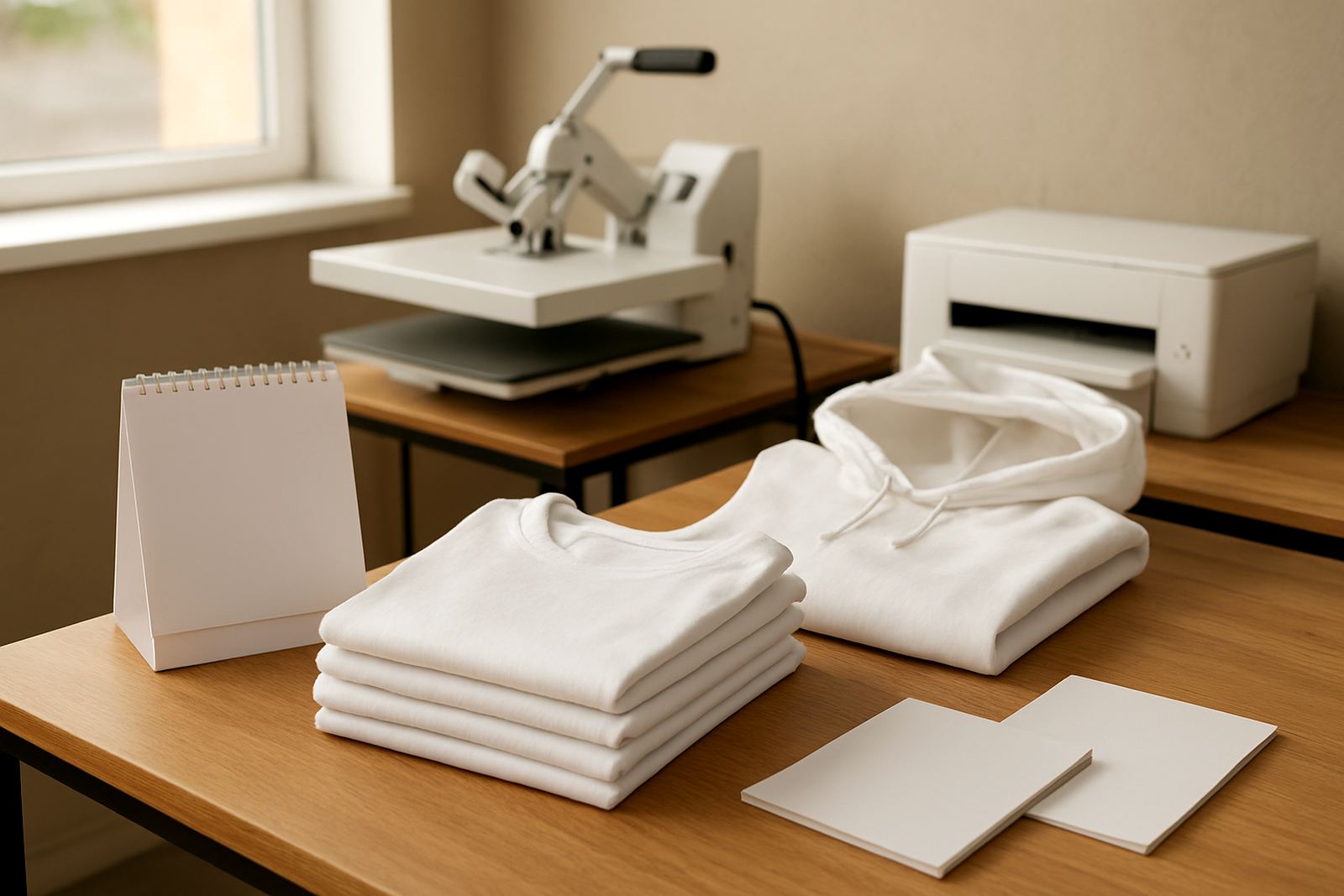
Some garments look fine on the hanger but become difficult once the logo is added. A collar may sit too close to the print area, or a pocket may block the design. If you know the decoration method in advance, you can choose blanks that give enough flat space for names, logos, and sponsor marks.
For uniform programmes, the safest approach is to keep the artwork practical. Left chest logos, back names, and small sleeve marks usually work well on collars shirts. Large artwork can be used too, but only if the fabric and garment shape support it. Ask whether the item stretches around the seams or bunches under the heat press. A neat print on a poor blank still looks like a poor shirt.
- Allow enough flat space for the main logo
- Avoid crowded collars, seams and pockets where possible
- Check that the fabric lies flat under heat before confirming large artwork
Use seasonal stock planning for schools, promos and year-end rushes
Uniform buying often spikes before events, trade shows, school terms, and December campaigns. If you wait too long, the exact sizes and colours you need may be short. Seasonal planning helps you hold the right stock for repeat orders and keeps your team from scrambling when a client asks for 120 shirts by Friday.
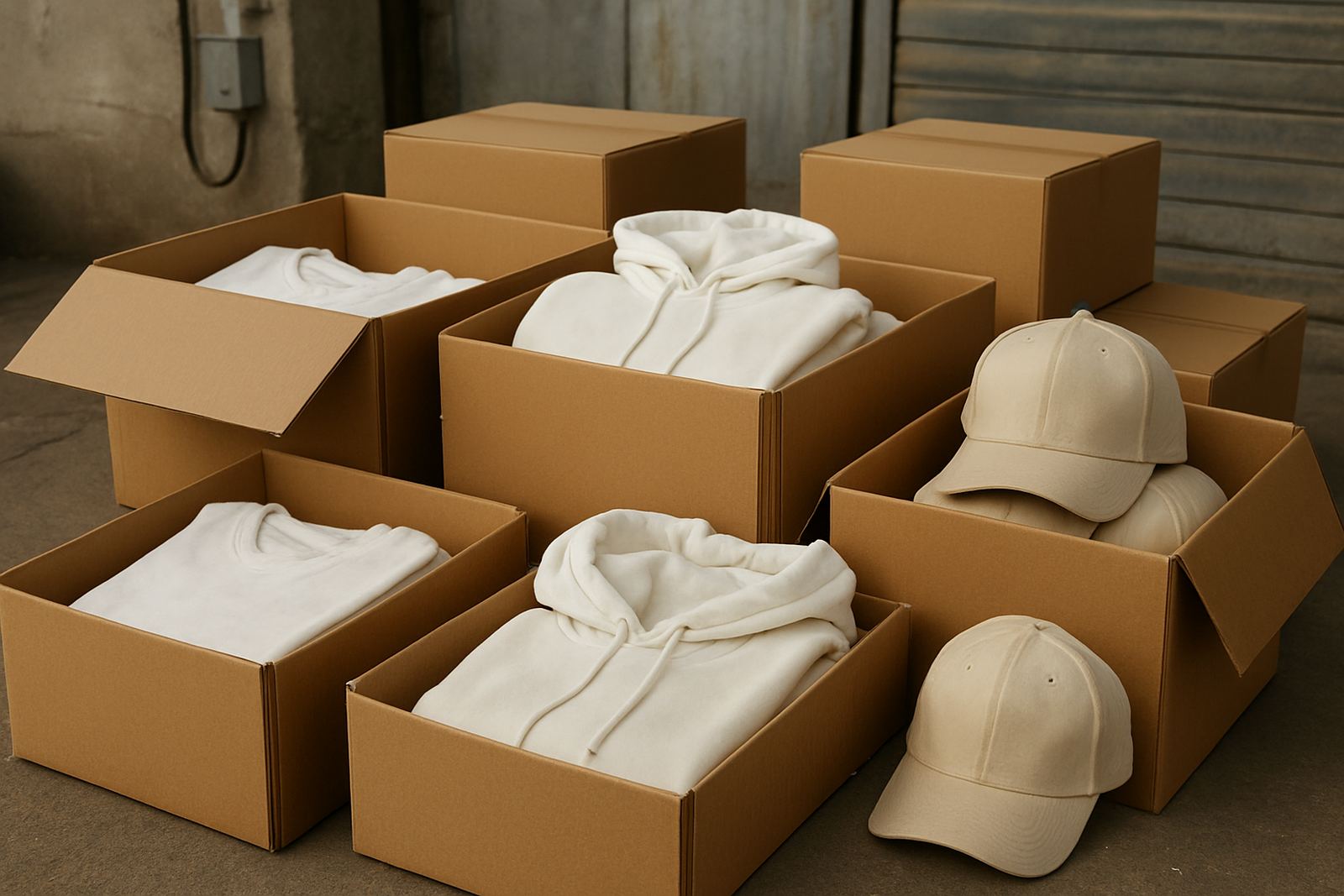
In Durban, humidity and sudden rain can affect storage as well. Keep stock in a dry, clean area and use orderly picking so the cartons nearest dispatch are not the ones that have been standing around the longest. For businesses that serve multiple branches, clear labelling and scheduled collections can save a lot of back and forth. It also helps when municipal or event venue rules limit what can be handed out on site, because the stock can be pre-packed and ready to go.
If you supply promo teams or resellers, bulk order picking and promo bundle supply make life easier. You can separate the load by branch, client, or event date before it leaves the warehouse. That cuts down on confusion when one delivery must reach Pinetown, another goes to Umhlanga, and a third heads inland to a different province.
A local example: one shirt range, three uses
Say a small company in Pinetown needs smart team wear for reception staff, drivers, and a promotional event in Durban. A collared polyester shirt works for the front office because it looks tidy with a logo on the chest. The drivers can use the same colour in a slightly more practical fit, while the event team gets the same shirt plus matching hoodies for early setup.
That kind of order is easier to manage when the sizes are broken down properly and the stock is packed by role. It also gives the company a single look across the business without forcing every person into one item. For many local teams, that balance between appearance and comfort is what makes a uniform worth wearing day after day.
Good blank selection is not about buying the fanciest item. It is about choosing garments that print well, fit properly, and keep their shape after hard use. If the shirt works on Monday and still looks decent by Friday, you have chosen well.