
Why Fabric Feel Matters Before Printing Starts
When people order blanks for sublimation, they often start with colour, size range and price. Those matter, but the fabric feel is what tells you how the item will perform once it is cut, packed and worn. A shirt that feels soft but flimsy may not hold its shape after repeated washing, while a fabric that feels slightly firmer can still wear comfortably and take print well. The point is not to guess from a picture. It is to check the hand feel, the stretch recovery and the overall finish before you place a bigger order.
For crafters and resellers in South Africa, that detail can save money. If you are supplying schools, events or workwear, the wearer notices comfort before they notice the print. If the cloth feels scratchy, heavy or synthetic in the wrong way, it affects how the garment is received. In Durban's warm, humid conditions that matters even more, because a blank that traps heat can be hard to shift in summer. A good sublimation blank should feel balanced, neat and ready for regular use.
What To Check With Your Hands, Not Just Your Eyes
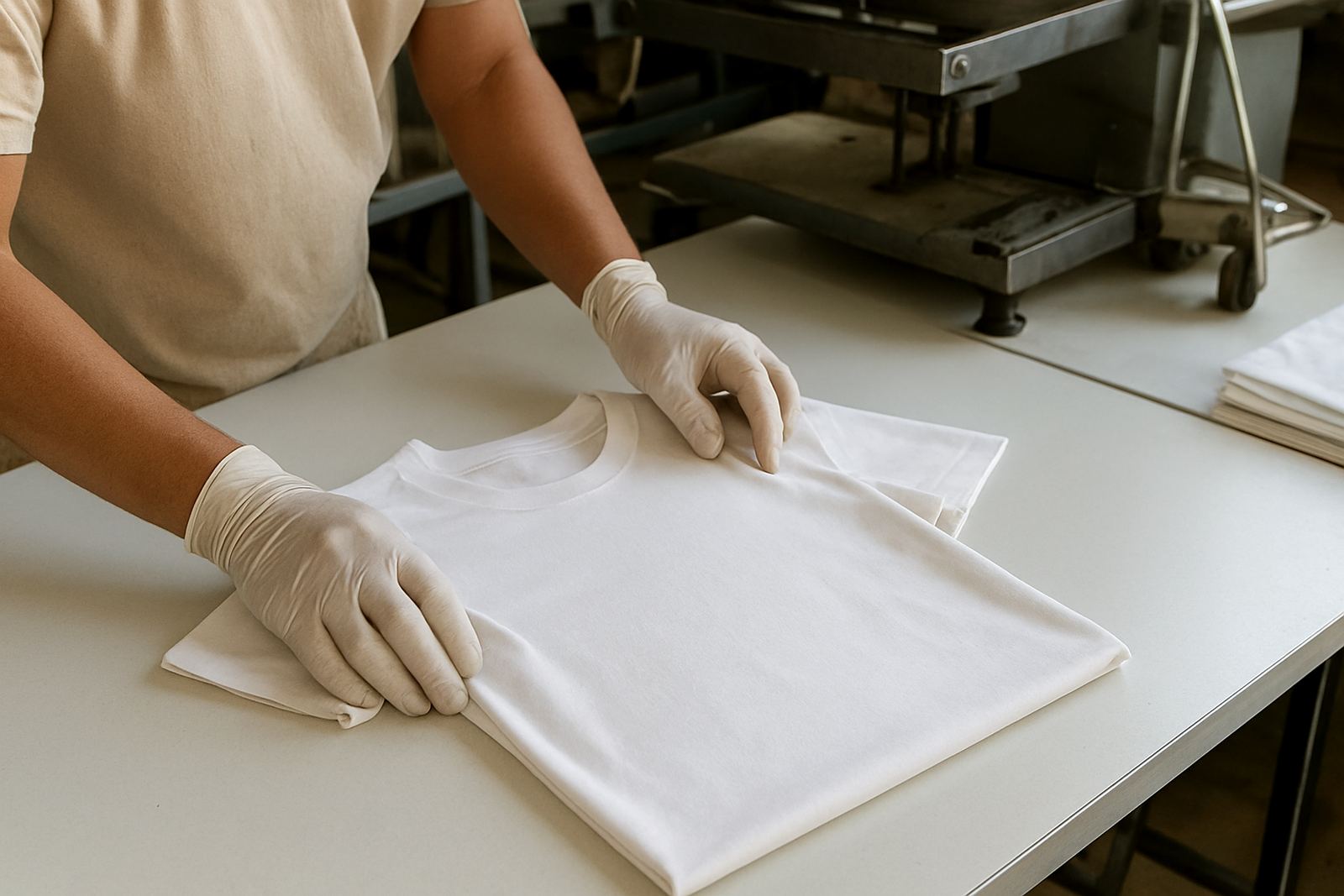
Fabric feel is a mix of several practical checks. You do not need special tools, just a bit of attention. Run the cloth between your fingers. Hold it up. Let it hang. Pull it gently and see how it returns. A proper apparel blank should give you useful clues in the first few seconds.
- Softness: Does it feel pleasant against the skin, or dry and rough.
- Weight: Is it light enough for summer use, or substantial enough for a premium item.
- Drape: Does it fall neatly, or does it stand away from the body.
- Stretch recovery: After a light pull, does it spring back or stay baggy.
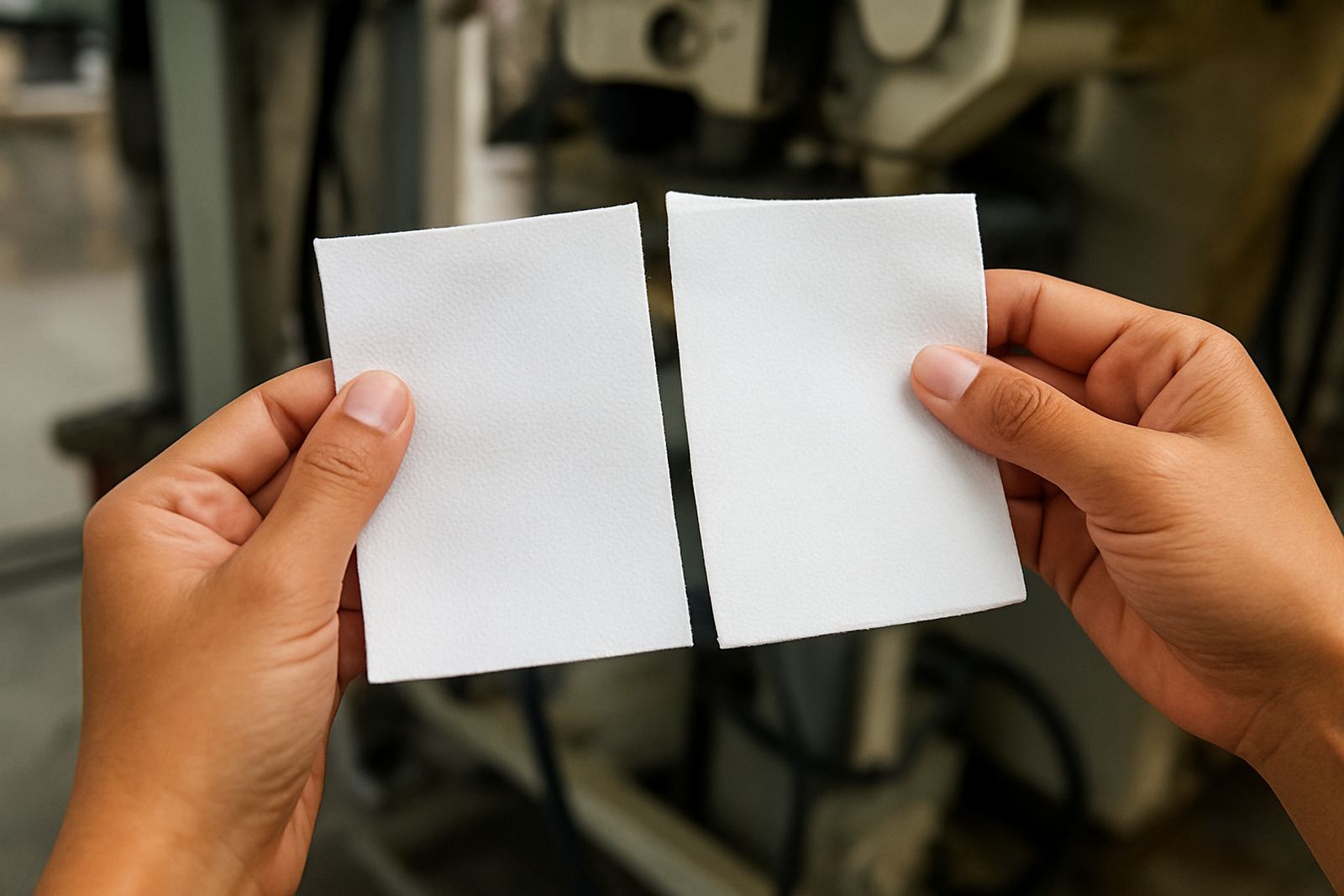
- Surface finish: Is the face smooth enough for even print transfer.
- Seam feel: Do the edges and stitching sit flat or rub awkwardly.
These checks help you avoid buying on appearance alone. A garment can look smart on a product photo but still feel cheap in the hand. Once you have handled enough blanks, you will start to notice the difference straight away.
How Drape Changes The Final Garment Look
Drape is one of the most overlooked parts of garment selection. It describes how fabric hangs and moves on the body. A tee with a soft, fluid drape will give a more relaxed look, while a fabric with a firmer drape sits closer to the body and can look sharper for uniforms or promo wear. Neither is automatically better. It depends on what you are making and who will wear it.
If you are producing retail pieces for a young streetwear label in Pinetown or Westville, drape can help shape the whole identity of the item. A hoodie that hangs neatly over layers feels different from one that bunches up at the cuffs or hem. For corporate functions in Umhlanga or Hillcrest, a cleaner drape may be preferred because it looks tidier in photos and on staff. In both cases, the way the fabric falls is part of the product, not just a detail.
It also affects sizing. Two garments in the same nominal size can wear very differently if one has a looser drape. That is why sample packs are useful. They let you compare fit across sizes and check how the fabric sits on different body shapes before you commit to bulk stock.
Finish Can Make A Blank Feel Premium Or Plain
Finish refers to the surface and final treatment of the garment. It can mean how smooth the fabric feels, how neat the stitching is, and how clean the trim and seams appear. Some finishes are better for print clarity because the surface is even and consistent. Others are better for comfort because the inside feels softer against the skin. A strong finish should balance both.
When a blank is finished well, the garment looks orderly even before the print goes on. The neckline sits right. The cuffs match. The hem line is even. That matters for customers who are paying for presentation, whether they are running a small brand, doing event kits or packaging reseller stock. In Durban's coastal humidity, a tidy finish also helps the garment keep a fresher look in storage and during dispatch. Loose threads, twisted seams and uneven cutting stand out fast, so they are worth checking.
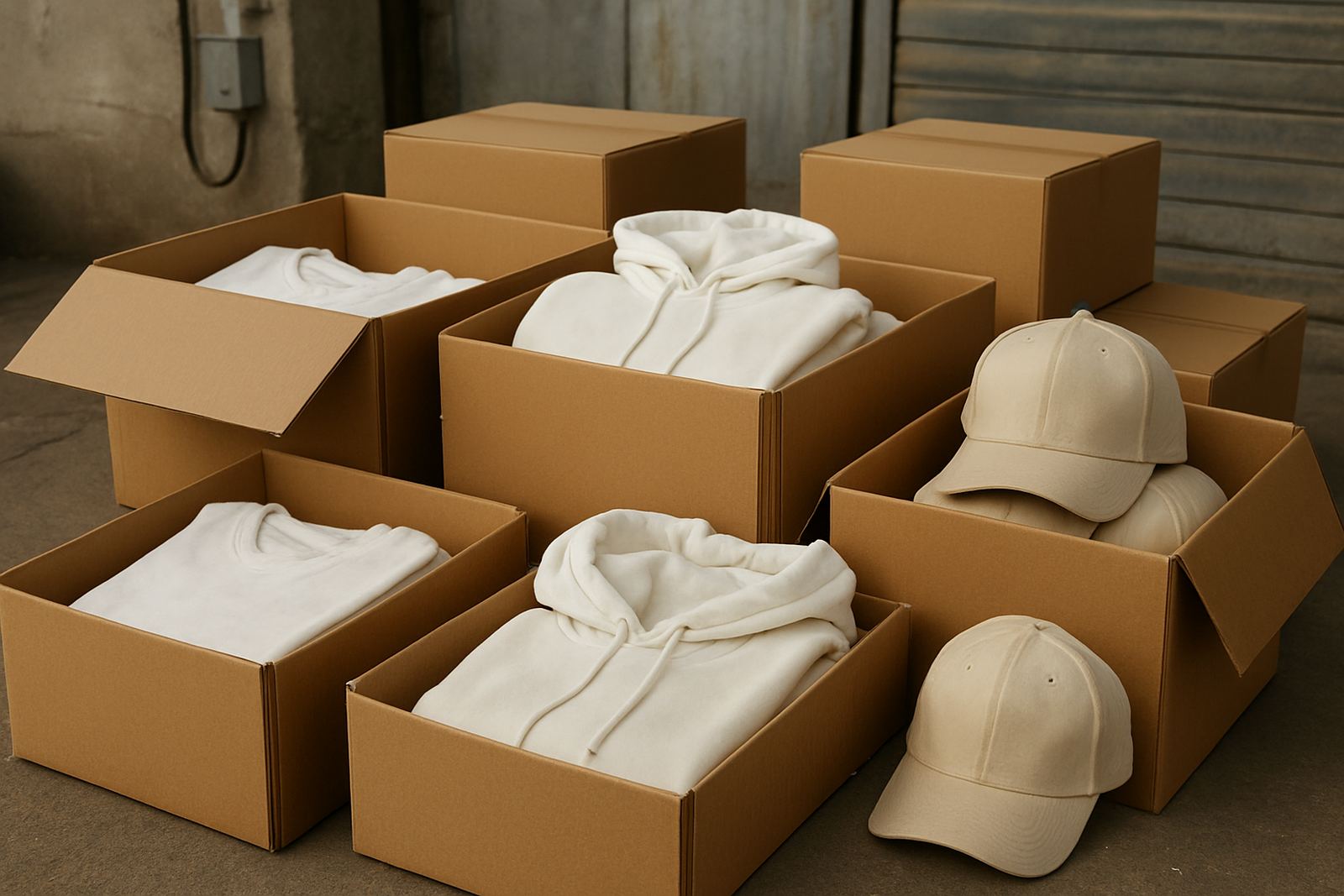
Good finish is not about being fancy. It is about consistency. When your stock arrives in boxes, you need confidence that every piece in the order will behave the same way when pressed, folded and sold.
Matching Feel To The Job At Hand
The best blank is the one that suits the final use. A promotional T-shirt for a weekend campaign does not need the same hand feel as a retail hoodie meant to be worn all winter. If you know the end use, you can choose a fabric that matches the budget and the wear pattern.
- For events: Choose a lighter feel, easy packing and a finish that folds neatly for kitting.
- For retail: Look for softness, good drape and a polished surface that prints cleanly.
- For workwear: Prioritise shape retention, comfort through long shifts and repeat wash performance.
- For school or youth items: Pick a fabric that feels comfortable, handles active wear and stays presentable.
- For resellers: Consistency across sizes is key, so the feel should stay uniform from small to 5XL where available.
That practical match helps avoid returns and complaints. If the fabric feels right for the job, the customer is less likely to question the price.
Why Sample Packs Save Time And Money
Sample packs are worth it because they take the guesswork out of ordering. Instead of trying to judge softness or drape from a description, you can feel the actual cloth, compare sizes and test how it behaves with print and heat. For buyers in Amanzimtoti, Phoenix or further inland, that is especially useful when you are ordering for different climates or customer groups.
Sampling is also helpful when you are planning seasonal stock. A garment that feels right in winter may not be the right choice for summer promotions. Likewise, a premium finish can justify a higher selling price if the hand feel supports it. If the item feels too thin, too stiff or too synthetic, customers notice even if they cannot explain why.
At the bulk stage, small differences become bigger problems. A slightly rough finish on 20 pieces is one thing. On 500 pieces it becomes a support issue, a packing issue and possibly a returns issue. That is why it pays to check fabric feel before you lock in a larger dispatch.
A Durban Ordering Habit That Works
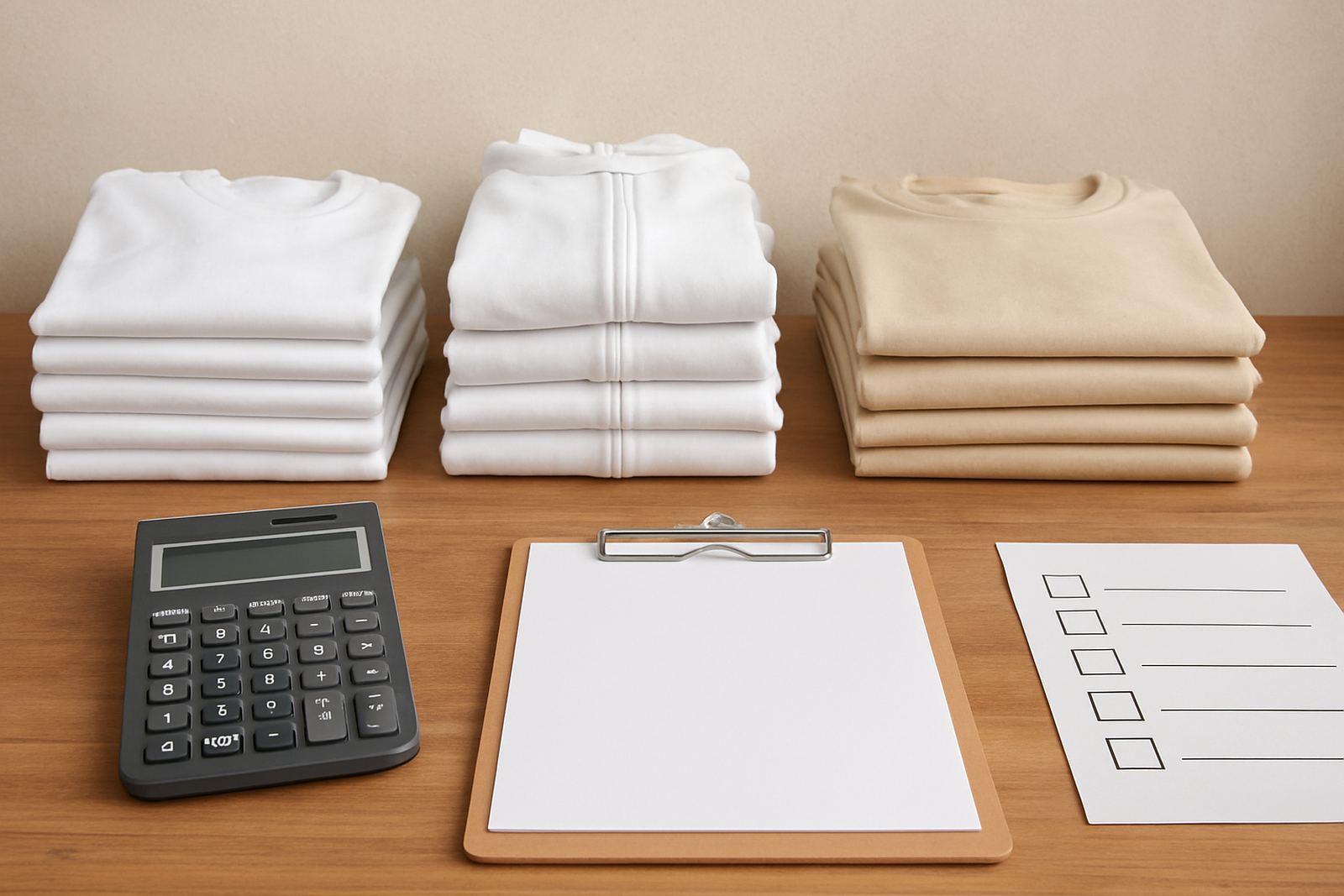
A sensible habit for South African buyers is to keep one reference sample of every key blank you use. Label it with size, colour, fabric type and the season you bought it in. Then compare new stock against that sample before you place a reorder. It is a simple way to spot changes in hand feel, finish or drape before they reach your customers.
In a place like Pinetown, where orders may go out to resellers, event teams and small brands in the same week, that habit helps keep standards steady. It also makes it easier to brief your team. Sales, warehouse and quality control can all talk about the same item with the same reference in mind. Over time, that saves time, money and a lot of back-and-forth.
When you understand fabric feel, you are not just buying clothing blanks. You are choosing how your printed item will wear, fold, wash and be remembered.