
Start with one core range that repeats well
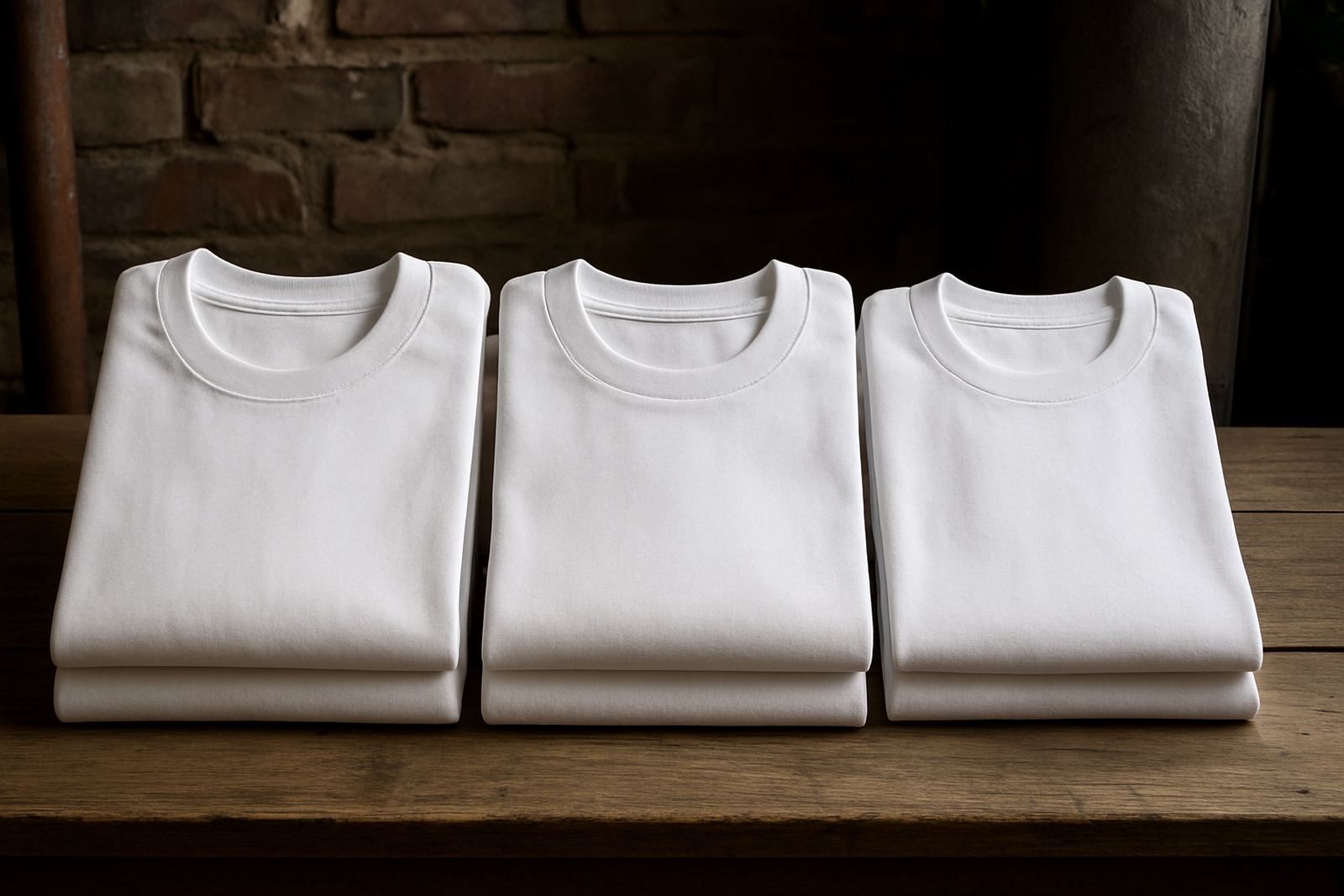
If your current sales are mostly T-shirts, the smartest next step is not to buy everything at once. Build around one core polyester range that can be reused across multiple customer types, then add items that match in colour and print finish. That gives you less dead stock and more chance to reuse artwork across product lines.
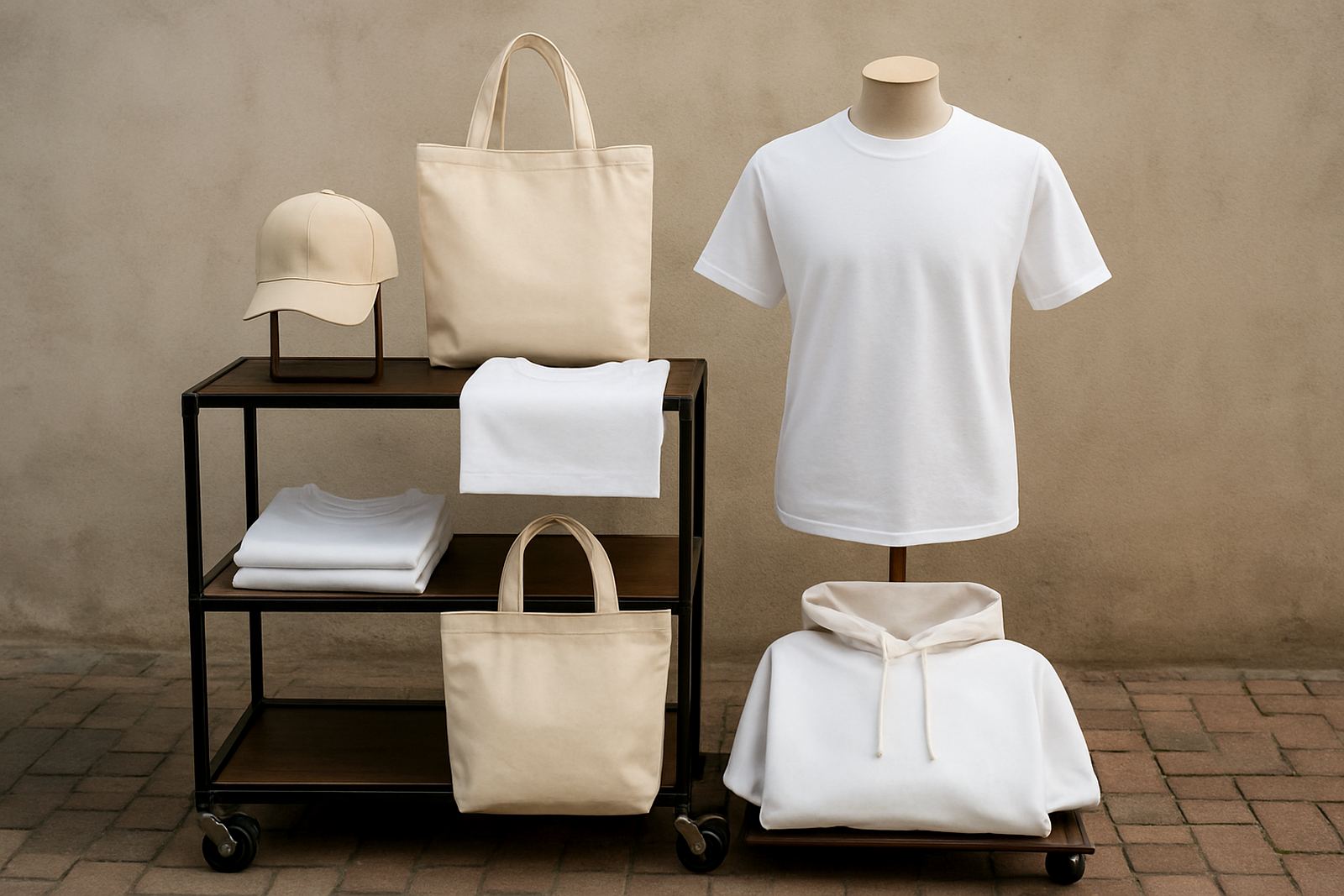
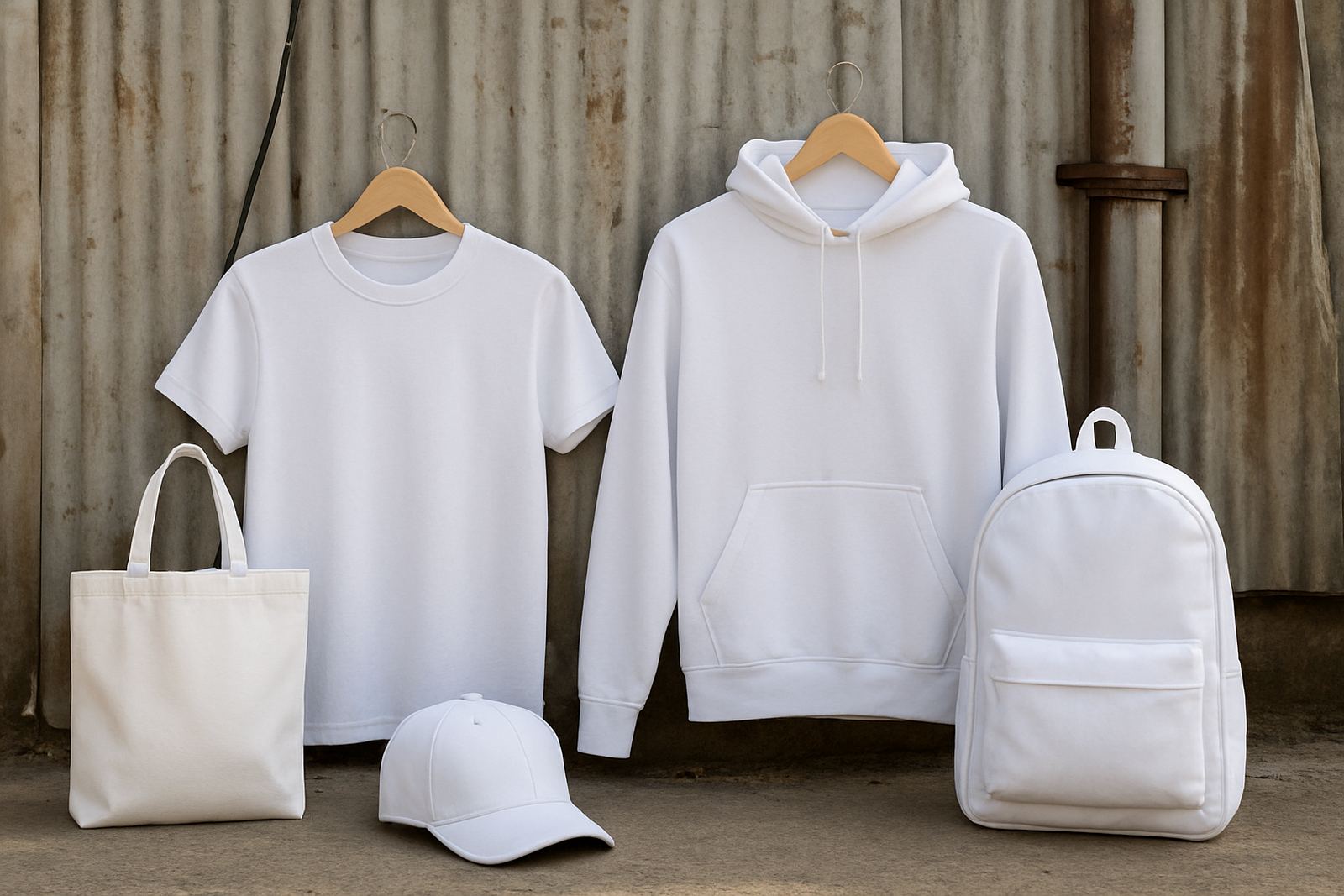
For many South African sellers, the easiest expansion is a set of shirts, hoodies and one or two accessories in the same colour family. When a customer likes a coral tee, they often want the same design on a cap, gym bag or bottle sleeve as well. It is quicker to sell a set than a single item, and your print setup stays simple.
- Choose colours that repeat across garments and accessories.
- Keep the first expansion to 3 to 5 new items, not 15.
- Match fabric weight where possible so the finished range feels consistent.
- Order sample packs before you commit to bulk sizes.
Think in sets, not single products
Growing your range works best when products support one another. A school fundraiser, sports club or small brand usually wants a complete look, not just a shirt. If you can offer matching accessories, you make it easier for the customer to place a bigger order and easier for yourself to plan production.
In practice, that means grouping items for a theme or event. For example, a promo company in Pinetown might order 50 staff shirts, 50 caps and 50 tote-style carry bags for a weekend activation in Westville. The artwork stays the same, the colour stays the same, and the packing becomes simpler for collection or nationwide dispatch. That saves time, and it cuts the risk of mix ups.
- Bundle by event, not by product type.
- Keep size breakdowns clear from the start.
- Use the same artwork size rules across the set.
- Separate retail packs from bulk packs so stock control stays clean.
Seasonal garments need planning before the cold or heat arrives
One of the easiest ways to grow is to sell with the season. In Durban, autumn and winter orders for hoodies move fast once the evenings cool down, while lightweight items stay active through the warmer months. Inland customers often place their winter orders earlier because temperatures drop sooner, so it helps to stock before demand peaks.
Seasonal planning is not only about warmth. It also covers school events, year end promotions and holiday trading. A reseller in Hillcrest may need hoodies and long sleeve items for a winter market, then shift back to tees and accessories for spring school fairs. If you wait until the weather changes, you will often miss the first wave of orders.
- Review last year’s sales by month before placing your order.
- Hold back some stock for repeat clients and urgent jobs.
- Use lighter garments for coastal humidity and heavier layers for inland cold.
- Plan for load-shedding by keeping the most urgent items ready for quick dispatch.
Match the blank to the print, not the other way round
Sublimation works best on polyester surfaces, so product choice matters just as much as the design. A shirt may look good on a screen, but if the fit, fabric or trim is wrong, the finished item will not feel like part of a proper range. The same goes for accessories. A neat print on a bag or bottle sleeve should look like it belongs beside your apparel, not like an afterthought.
When you expand, check how each item handles print position, wash wear and daily use. Hoodies need consistent fabric quality so the print stays bright after repeated washing. Accessories need practical sizing and stitching that can handle regular use. If you sell to schools, clubs or promo teams, buyers will notice small quality differences very quickly, especially on repeat orders.
A tidy in-house process makes the whole range easier to manage. Count items before and after printing, confirm sizes, and separate returns checks from fresh stock. That is where a bit of discipline saves you money later.
Use local buying patterns to guide your next move
South African buying patterns can tell you a lot about what to add next. In Durban and the coastal belt, lighter garments and practical accessories often sell well for events, corporates and school activity packs. In places like Phoenix, Amanzimtoti and Umhlanga, customers often ask for fast turnaround on mixed orders, while Westville and Hillcrest buyers may want slightly more polished presentation packs for retail or gifting.
If you are serving resellers, do not guess. Track which sizes move fastest, which colours get reordered, and which items are most often bought together. A small brand may start with 20 tees, then ask for caps and tote bags once the logo starts getting noticed. That is your cue to expand the range in a controlled way rather than starting from scratch each time.
- Watch which products are reordered within 30 to 60 days.
- Keep note of the towns and customer types driving repeat buys.
- Ask for feedback on fit, colour and packaging after each batch.
Grow stock without tying up too much cash
Range expansion should support cash flow, not squeeze it. The best way to do that is to increase stock in small steps and use services that match how South African buyers place orders. Size breakdown packs help when one shirt size sells quicker than the rest. Sample packs are useful when a customer wants to touch and compare before placing a bigger order. Event order kitting is helpful when a team wants everything packed by person or by group.
Reseller restocks work best when the product line is steady and easy to repeat. If you have reliable nationwide dispatch, you can service Durban, Gauteng, the Free State or the Western Cape from the same base without forcing every buyer to collect. That gives smaller businesses a proper way to keep stock moving while they test new accessories and seasonal garments.
Once you know your best sellers, plan the next season early. A practical range is one that can move in bulk, be repacked quickly and still leave room for new ideas. That is how a shirt range becomes a proper product line, not just a pile of separate items.