
Retail stock needs range, not just volume
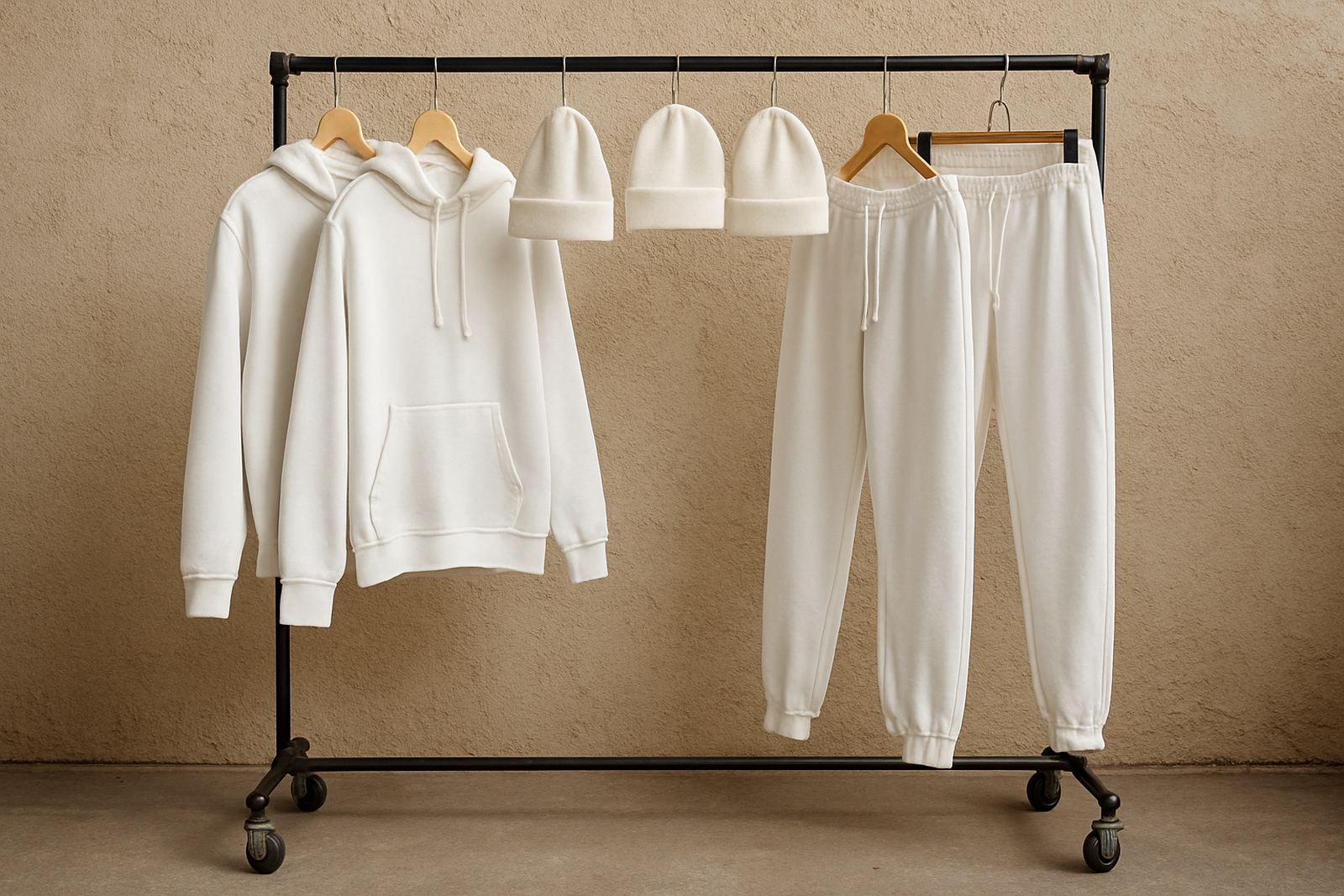
Retail buying is about keeping the shelf looking ready week after week. If you are supplying a shop in Pinetown, a reseller in Westville, or an online store sending parcels nationwide, you need a spread of sizes, colours and styles that sells steadily instead of all at once. A retailer has to think about repeats, returns, and which items move in summer or when the first cold front hits Durban.
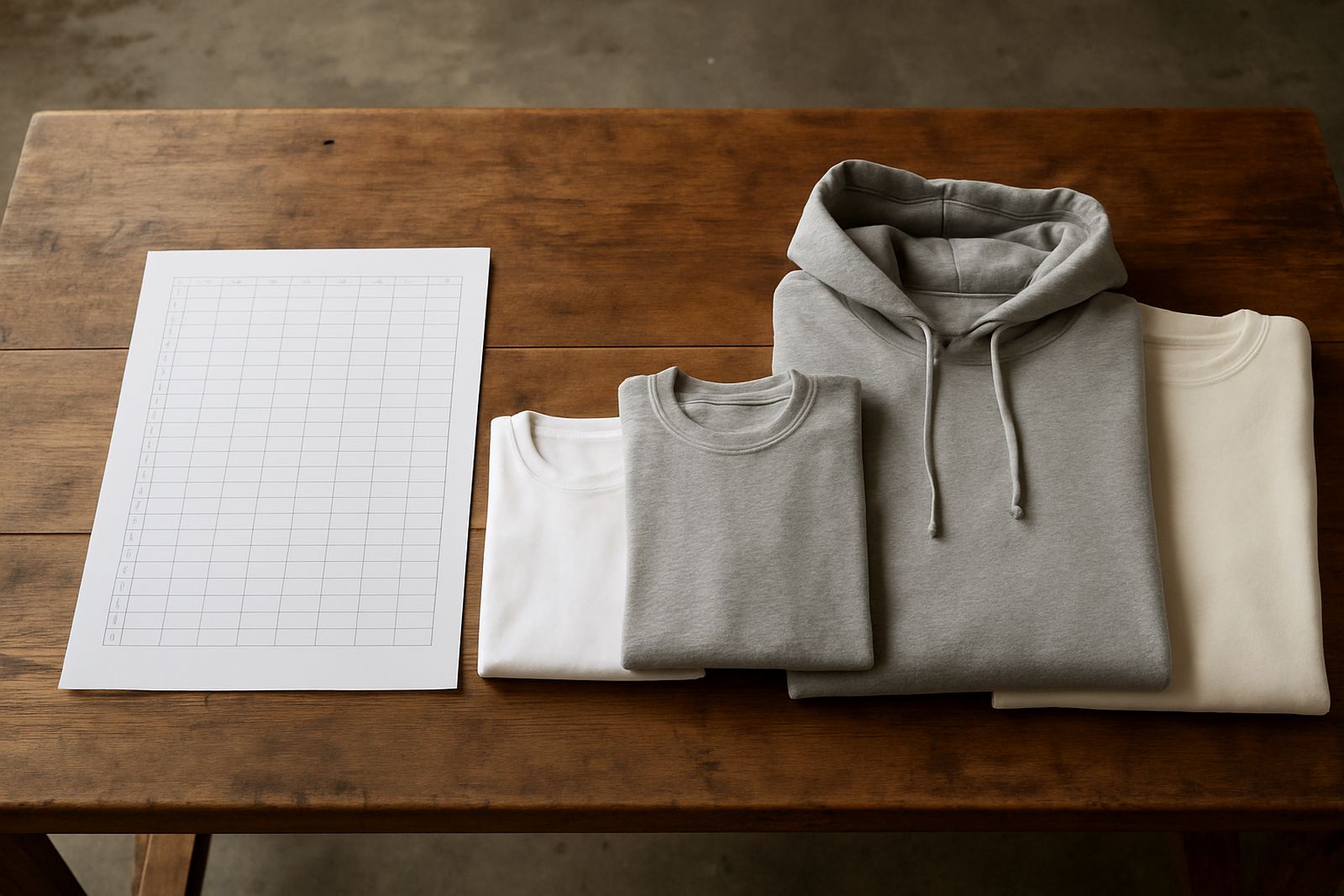
With retail stock the aim is not to buy the cheapest lot possible. It is to hold the right mix long enough to avoid shortages. That means more attention to size curves, colour continuity, and cartons that can be topped up without breaking your display. It also means choosing polyester blanks that stay consistent in print quality, because customers notice when the finish changes from one re-order to the next.
- Keep core sizes available first, usually medium to 2XL in most casual ranges.
- Hold back a smaller number of 3XL and 4XL pieces if your customer base calls for them.
- Plan for repeat ordering every few weeks, not just once a quarter.
- Make sure the same fabric and cut can be reordered without changing your printed sample standard.
Event stock is about timing, count and clean kitting
Event campaigns work differently. A school fun day, product launch, church gathering or sports activation in Durban North needs a fixed quantity delivered on time, often packed by name, size or team colour. There is no value in carrying extra cartons after the event if the stock was only needed for two days. In this case the buying decision is driven by the brief, the date and the distribution list.
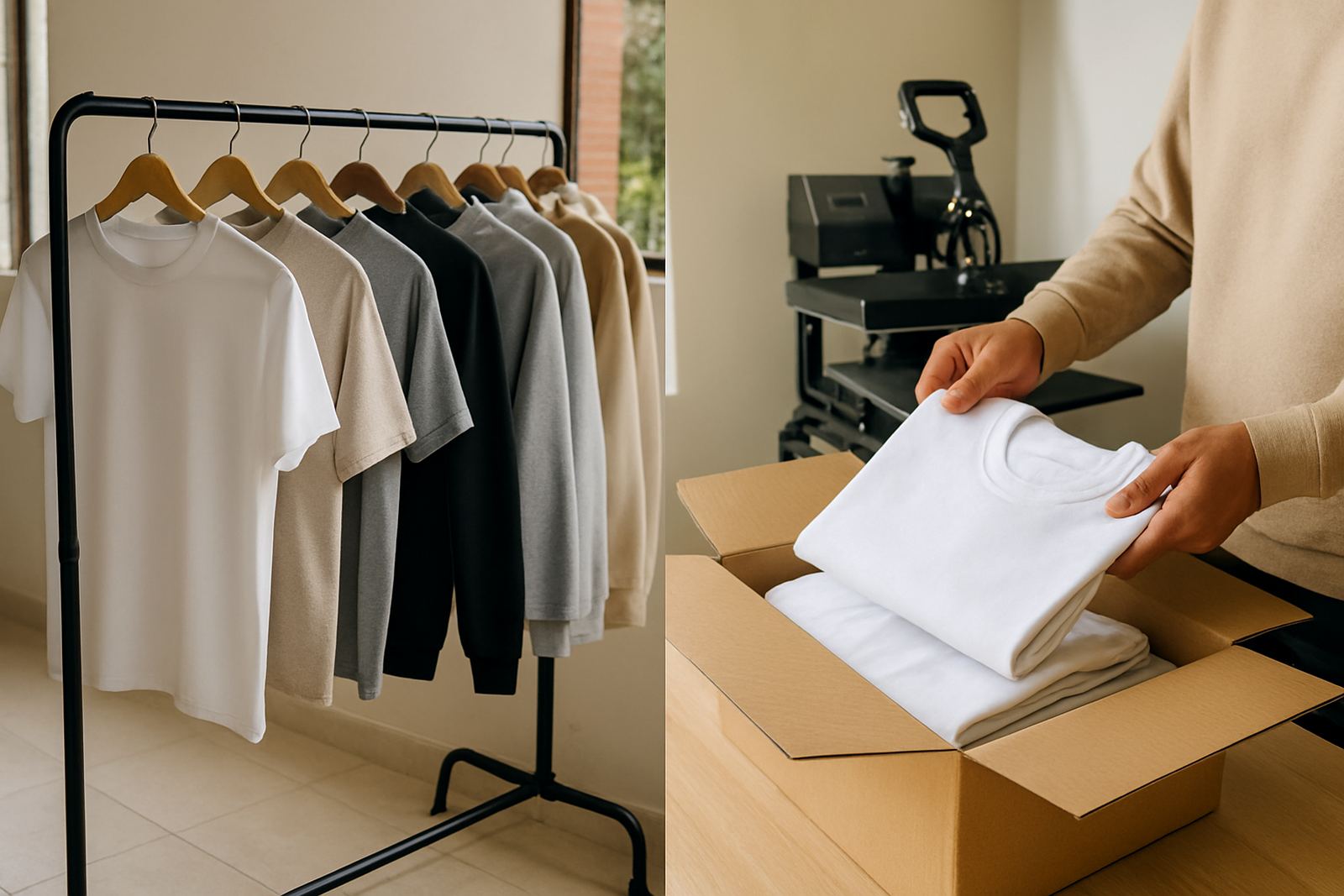
Event stock should be kitted for speed. If your team is handing out shirts at a beachfront activation in Umhlanga or setting up a roadshow in Amanzimtoti, you need bundles that can be counted quickly and loaded without confusion. A missing size or a mixed pack can slow the whole schedule down, especially when the weather turns and the crew is trying to offload in a hurry.
- Order to a confirmed headcount, plus a sensible buffer for late additions.
- Use size breakdown packs when the audience mix is known.
- Ask for event order kitting when items must be grouped by branch, team or day.
- Check if collection scheduling or nationwide dispatch fits your deadline better.
How the same blank serves two different buyers
The fabric may be the same, but the buying logic is not. Retail buyers want a range that can be shown, re-ordered and sold off shelves without too much holding cost. Event buyers want one clean delivery that supports a campaign and then clears out. That difference changes everything from how many cartons you take to how you store them.
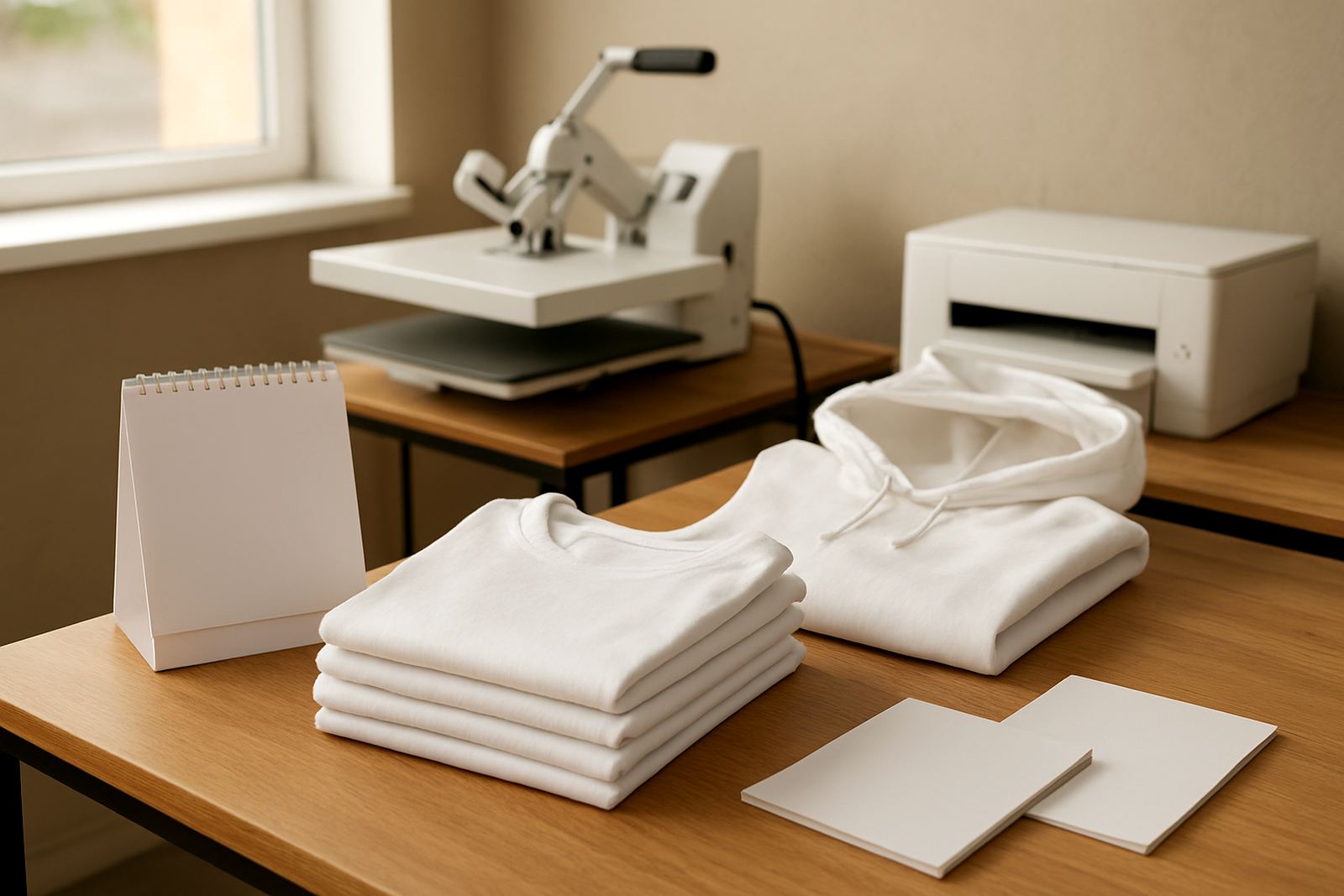
For retail, you might start with a deeper mix in black, white and navy because those colours shift slowly and suit many printing jobs. For an event, the colour choice can follow the brand artwork, sponsor visibility or the school house colours. If you are printing in humid coastal conditions, drying times also matter, so it helps to choose polyester apparel blanks that behave predictably in the press and hold colour well after washing.
In practical terms, retail buying is a stocking decision. Event buying is a project decision. One is measured in shelf turn, the other in delivery windows and sign-off dates. If you mix the two up, you either sit with too much stock or you scramble at the last minute.
A Durban example: shop floor versus weekend activation
Take a small reseller in Pinetown selling printed tees to local customers, and a promo company running a weekend campaign in Durban and Westville. The reseller might take mixed size packs with a steady top-up plan, because the shop needs to look full and support repeat sales. The promo company, on the other hand, may need a single size ratio with clear packing labels and a delivery booked before Friday afternoon.
That Durban example shows why location matters. Coastal humidity can affect how garments are stored, and load-shedding can interrupt production if the schedule is too tight. If your order must move through packing, printing and dispatch in one week, build in a little extra time. A missed collection or delayed courier scan can cause more trouble than a few extra garments ever would.
- Retail buyer: focus on stock depth, re-order speed and display readiness.
- Event buyer: focus on quantity accuracy, pack labelling and delivery date.
- Retail can absorb slower movers over time, event stock cannot.
- Retail often needs a broader size ladder, event stock may need exact ratios.
Picking the right pack format saves money
Pack format is where many buyers lose money without noticing it. A retail order may benefit from mixed cartons that are easy to unpack and sort into shelves. An event order may need pre-sorted bundles that reduce admin on site. The wrong format means extra labour, more handling, and more chance of size mix-ups.
At Sublimation Blanks Apparel in Pinetown, we see customers use different order types for different jobs. Some prefer bulk order picking for ongoing retail supply. Others ask for promo bundle supply or sample pack assembly before committing to a larger run. It is worth deciding early whether you are buying for resale, a campaign, or both, because the packing method should match the end use not the other way around.
- Choose bulk picking when you want stock split by style or colour.
- Choose size breakdown packs when each branch or event zone needs a set ratio.
- Choose sample packs when you are checking print results before a larger order.
- Choose returns checking if you handle customer exchanges on retail stock.
Plan for repeat business, not just the first order
Retail stock should be judged by what happens after the first sale. Did the medium sell out first? Did the black hoodies move faster than expected? Did a certain cut draw more interest from crafters or small brands? That information should shape the next restock, because the best retail buying is built on data from the previous cycle.
Event stock is judged differently. If the campaign went well, the question is whether the order was correct and on time. A strong event may lead to a new seasonal activation, but the main lesson is about planning, not repeat shelving. This is why seasonal stock planning works well for retailers, while event buyers often need a tighter dispatch plan and more exact kitting.
When you know which side you are on, the whole process becomes easier. Retail buyers can manage slower stock turns and broader ranges. Event buyers can keep campaigns tight and avoid dead stock after the day is done. That simple choice helps you buy smarter, print cleaner and move faster.