
Start with the print method, not only the garment
Blank hoodies for winter should be chosen around how they will be decorated. If the garment is meant for sublimation, the fabric must have a high polyester content, with a smooth surface that takes ink evenly. A cotton-rich hoodie may feel familiar, but it will not give the same print result and the colours can come out dull or patchy. That is a costly mistake when a customer has already approved artwork and delivery dates.
For Durban and the coast, it also helps to think about humidity. Fabrics that dry quickly and hold shape better are easier for resellers and print shops to manage, especially when orders are packed in batches. If you are buying for schools in Pinetown or a sports club in Westville, ask how the fabric handles heat press settings, washing and daily wear, not just how it looks on the hanger.
- Check the polyester content before placing a bulk order.
- Confirm the inner finish if the hoodie will be worn for long hours.
- Ask for colour consistency across sizes and reorders.
- Make sure the fabric works with your print setup and temperature range.
Choose a weight that matches winter use in your area
Winter in Durban is not the same as winter in the inland towns, so one hoodie spec will not suit every customer. In coastal areas like Umhlanga and Amanzimtoti, many buyers want something warm but not overly heavy. In colder inland deliveries, clubs and work teams may ask for thicker layers that feel better at early morning call times. That is why the grams per square metre matter just as much as size and colour.
If you supply across South Africa, keep a few weight options in mind. Lighter hoodies can move well for promo campaigns and event packs, while heavier options are better for long wear and staff uniforms. A small brand selling at markets may want a lower entry price, but a reseller serving schools will usually need a sturdier garment with fewer returns.
- Lighter weights suit giveaways, spring launches and indoor events.
- Mid-weight hoodies work well for everyday retail and team wear.
- Heavier options are better for cold mornings and outdoor use.
- Keep one weight for fast-moving stock so you dont overcomplicate replenishment.
Fit, sizing and the cost of getting it wrong
Winter hoodie orders often fail on sizing before they fail on print. If the cut is too slim, some buyers will size up and others will send items back. If the sleeves run short or the body length is awkward, the garment becomes hard to move no matter how good the artwork looks. This is why size breakdown packs are useful for shops, resellers and promo companies that need a balanced mix from small to 5XL, or whatever range the market demands.
In South African trade, clarity on sizing saves a lot of admin. A school in Hillcrest may need more medium and large sizes for learners and staff, while a corporate order in the CBD might need a different spread altogether. Always measure against a sample and not only the label. Even a small fit change can affect the resale price and the number of extra exchanges after dispatch.
- Ask for a size chart before you commit to bulk quantities.
- Check chest width, body length and sleeve length on our polyester hoodies.
- Build in extra stock for larger sizes if your buyers run broad.
- Use sample packs when launching a new hoodie range.
Plan stock around the winter rush, not the first cold front
Seasonal demand is usually easier to manage when orders are planned before the weather turns. Once the first cold front hits KwaZulu-Natal, everybody wants hoodies at the same time and lead times can stretch quickly. For businesses in Pinetown, Westville and Phoenix, that means your reorder point should be set early, not after the last carton has left the shelf.
A practical stock plan helps you avoid missed sales and emergency courier costs. If you know your repeat customers buy in cycles, use previous winter volumes to estimate what you will need by size and colour. For promotional companies, it is often best to keep neutral shades and a few common sizes on hand. That way you can turn around a last-minute campaign without scrambling for stock or paying for split shipments. It sounds simple, but it works.
- Review last winter’s order numbers by month.
- Keep safety stock for your fastest-selling hoodie sizes.
- Separate promo stock from retail stock so you can pick quickly.
- Order earlier for inland routes where weather demand builds fast.
How coastal humidity and washing affect hoodie quality
Durban buyers know that winter clothing still has to handle humidity, washing and repeat wear. A hoodie that looks good on day one can shrink, fade or lose its shape if the fabric blend and stitching are poor. That matters for crafters, businesses and resellers because one return can affect the whole batch. It also matters when orders are packed for nationwide delivery and sit in storage before being opened.
Look at details such as seams, cuff recovery, hood shape and whether the fabric feels stable after washing. A good blank should keep its print area smooth and not distort badly after use. If you are supplying event kits or staff gear, choose a hoodie that still looks decent after a few washes, not only after press work. The best winter stock is usually the one that keeps selling after the first customer puts it through normal use.
Use order kitting and dispatch to keep winter sales moving
Once winter orders start landing, speed matters. Bulk order picking, reseller restocks and event order kitting can cut down on missed items and wrong sizes. For a business serving Pinetown, Amanzimtoti and nationwide customers, a clean picking process means less back-and-forth and fewer delays at the courier stage. That is important when clients are waiting for a launch date or a school function.
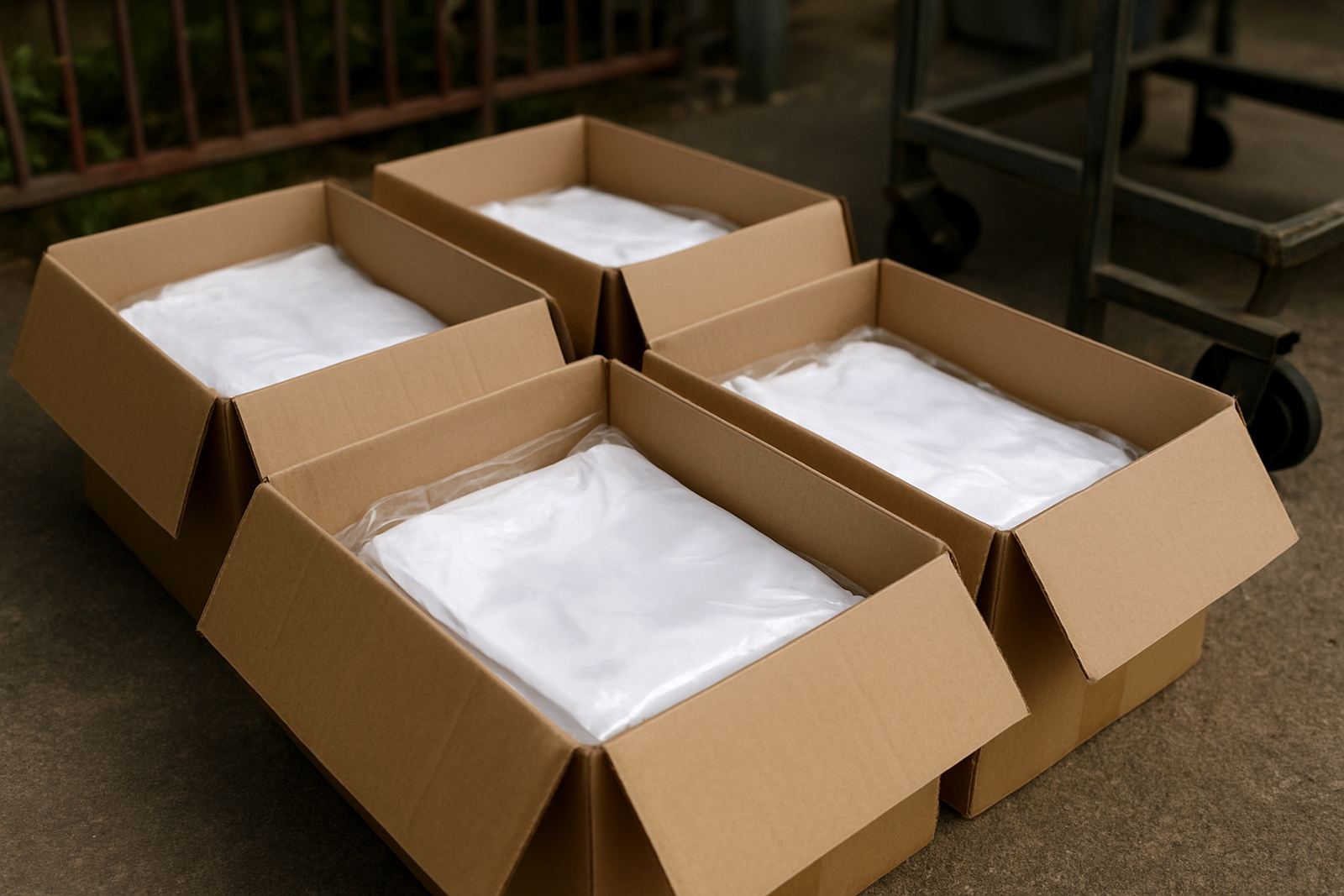
Good dispatch work is not fancy, it is careful. The hoodies must be counted, checked and packed by size so the customer can sell or print straight away. Returns checking also helps if you need to separate faulty stock before it reaches a client. When winter gets busy, the team that handles stock properly will usually move faster than the team that keeps re-checking the same cartons.
- Pack by size and colour before collection or dispatch.
- Keep seasonal stock plans updated weekly during cold months.
- Use sample packs to reduce ordering errors.
- Schedule collections early when courier cut-off times are tight.
A local example from Pinetown winter supply
Take a small reseller in Pinetown supplying hoodies to sports clubs in Durban north and office teams in Westville. If they wait until June to reorder, they may find the popular sizes gone and have to split a job across two deliveries. That means more admin, more courier cost and less margin. If they plan in May, they can keep the right mix of sizes, hold a few extra units for last-minute buyers, and still meet a quick turnaround.
That is the main lesson with winter hoodies: the garment must suit the print, the stock must suit the season, and the packing must suit the customer. When those three parts line up, you get fewer surprises and better repeat business. For a supplier working across South Africa, that sort of planning makes a real difference when temperatures drop and orders start stacking up.