
Start With Décor Pieces That Print Clearly
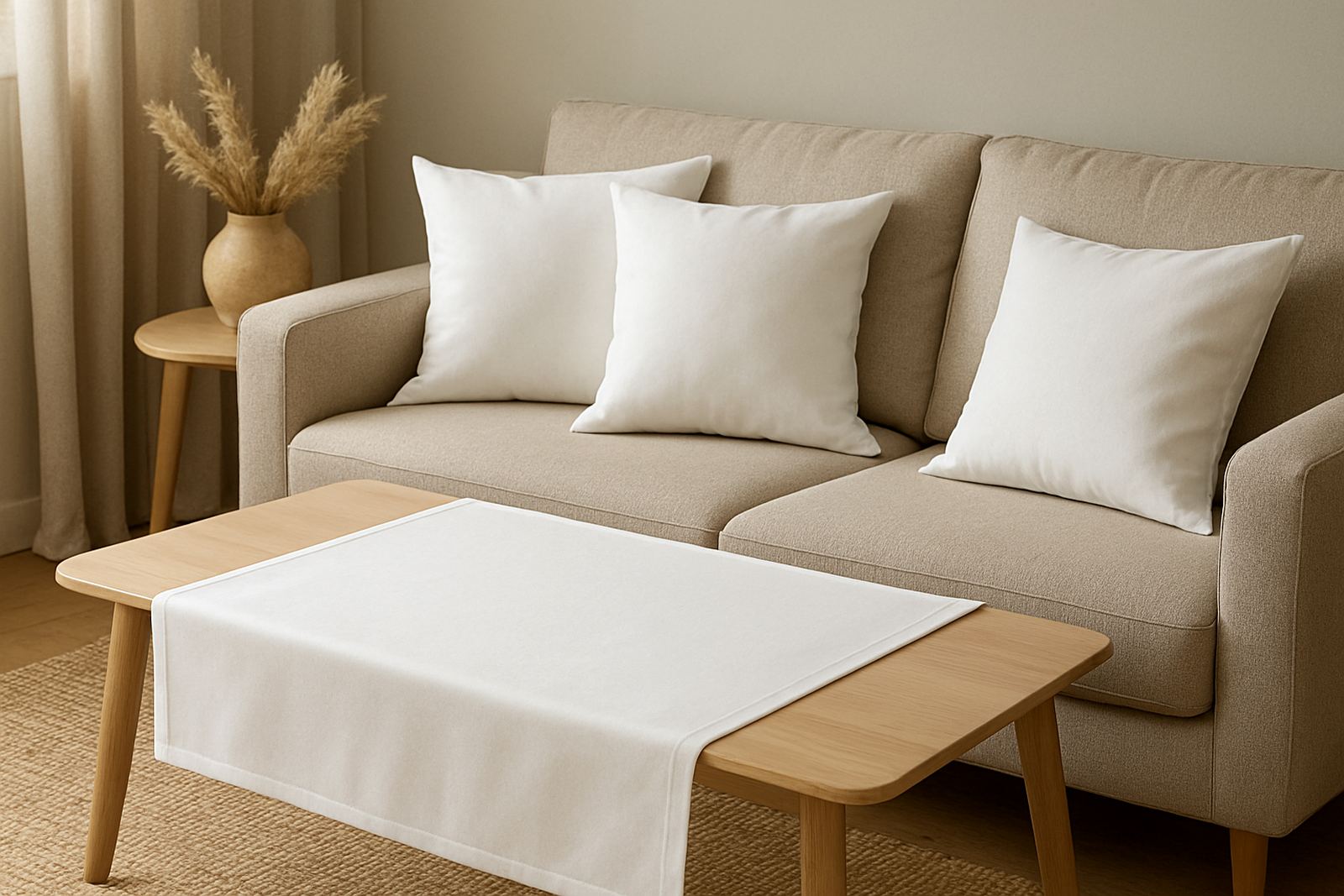
When you are planning home décor ranges, the best blanks are usually the ones with a smooth polyester face and a tidy finish. That gives you sharper colour, cleaner edges and less fuss when you are pressing repeat designs. Think of items that sit on sofas, beds, dining tables and entryways, where custom artwork can be seen and used every day.
For South African buyers, it also helps to think about climate and care. In coastal areas like Durban, fabric that dries quickly and keeps its shape is useful for humid conditions. In inland homes, blanks that handle frequent washing and ironing are just as practical. A good décor blank should look neat after regular use and still carry a bright print a few months later.
- Cushion covers for couches, chairs and window seats
- Table runners for dining rooms, launches and gifting
- Wall hangings for seasonal or personalised décor
- Storage bags and fabric baskets for organised shelves
Choose Soft Blanks For Home Ranges People Actually Use
Soft textile blanks work best when the item is meant to be touched often. A cushion cover or small throw is not only decorative, it needs to feel comfortable in the home. That is why polyester fabrics made for sublimation are a sensible option for personalised décor. They take colour well and are suitable for short runs, sample pieces and larger repeat orders.
For product makers, it helps to split the range into simple categories. Keep one section for gift items, one for everyday décor and another for seasonal pieces. A Christmas cushion can sit beside a neutral scatter cover or a personalised family name item, and each one can be packed in a way that suits retail sale or direct customer orders. It saves time and keeps stock easy to manage.
- Use neutral base colours for year-round selling
- Keep seasonal designs separate for easier stock planning
- Offer matching sets, like cushions and runners, for higher basket value
- Choose sizes that fit common South African home furniture
Match The Blank To The Print Size And Finish
Home décor blanks are not all the same, even if they look similar on the shelf. A square cushion cover, for example, needs a different layout from a long runner or a small hanging panel. Before you place a bulk order, check the usable print area, seam placement and closure type. That avoids surprises when you start pressing artwork or packing customer orders.
For businesses in Pinetown, Westville and Hillcrest, this step matters even more when orders are moving through a reseller or promo channel. A print that sits too close to a zip or folded edge can look untidy. If you are offering custom names, local school colours or event branding, leave enough safe space around the artwork so the final piece still looks balanced.
- Check the exact finished size before approving artwork
- Leave margin space around logos, surnames and dates
- Use sample packs to test fabric feel and print clarity
- Keep a note of which blanks suit single-sided or double-sided prints
Build A Décor Range That Fits Local Buying Habits
South African décor buyers often want pieces that are practical first and pretty second, though both matter. Many customers look for gifts that can be used straight away, such as a personalised cushion for a new home, a table runner for a family gathering or a fabric storage item for a child’s room. That means your range should include both everyday styles and occasion items.
A local example is a small homeware seller in Durban who launches a winter range in May. They may order neutral cushion covers for lounge sets, a few bright pieces for children’s rooms, and matching runners for gift hampers. If the supplier can offer bulk order picking, size breakdown packs and seasonal stock planning, that seller can keep orders moving without overbuying. It also makes reordering simpler when a design starts selling well.
- Keep a mix of neutral and bright options
- Plan for gift seasons, school holidays and year-end orders
- Offer smaller packs for crafters and bulk packs for resellers
- Use collections that suit houses, apartments and guest rooms
Why Quality Control Matters On Home Textiles
In décor work, small faults show up quickly. A slightly uneven seam, weak zip or patchy print can spoil the whole item, especially when the product is going into a lounge or guest bedroom. That is why quality control on blanks is worth paying attention to before goods leave the warehouse. It is not only about looks, it is about fewer returns and less rework.
For businesses shipping nationwide, checks should cover the fabric finish, stitching, sizing and pack counts. A runner that is two centimetres short or a cushion cover with loose threads can cause extra admin later. In humid coastal storage conditions, well-folded, properly packed items also keep their shape better while waiting for dispatch. That saves time for everyone in the supply chain.
- Inspect stitching, seams and closures before packing
- Verify size consistency across the full batch
- Check sample pieces after pressing before launching a new line
- Keep return checks and fault notes organised by product type
How To Order Décor Blanks Without Holding Too Much Stock
If you are running a small brand or a print studio, the safest approach is often to start with a sample pack, then move into a focused range once the best sellers are clear. That reduces dead stock and helps you keep cash available for printing, packaging and marketing. It is also easier to manage when your team is handling both made-to-order pieces and ready-to-dispatch items.
Sublimation Blanks Apparel supplies from Pinetown, Durban and dispatches nationwide, so buyers can plan around collections, courier cut-offs and event deadlines. Whether you are in Phoenix, Amanzimtoti, Umhlanga or further inland, a clear order list makes the process smoother. Use size breakdown packs for mixed customer orders, schedule collections when needed, and build your décor range around items that you can reorder with confidence.
For many local businesses, that practical approach is what keeps a home décor line profitable. A clean product range, reliable stock and consistent print results go further than a long catalogue of slow sellers.