
Start With the Fabric That Prints Cleanly
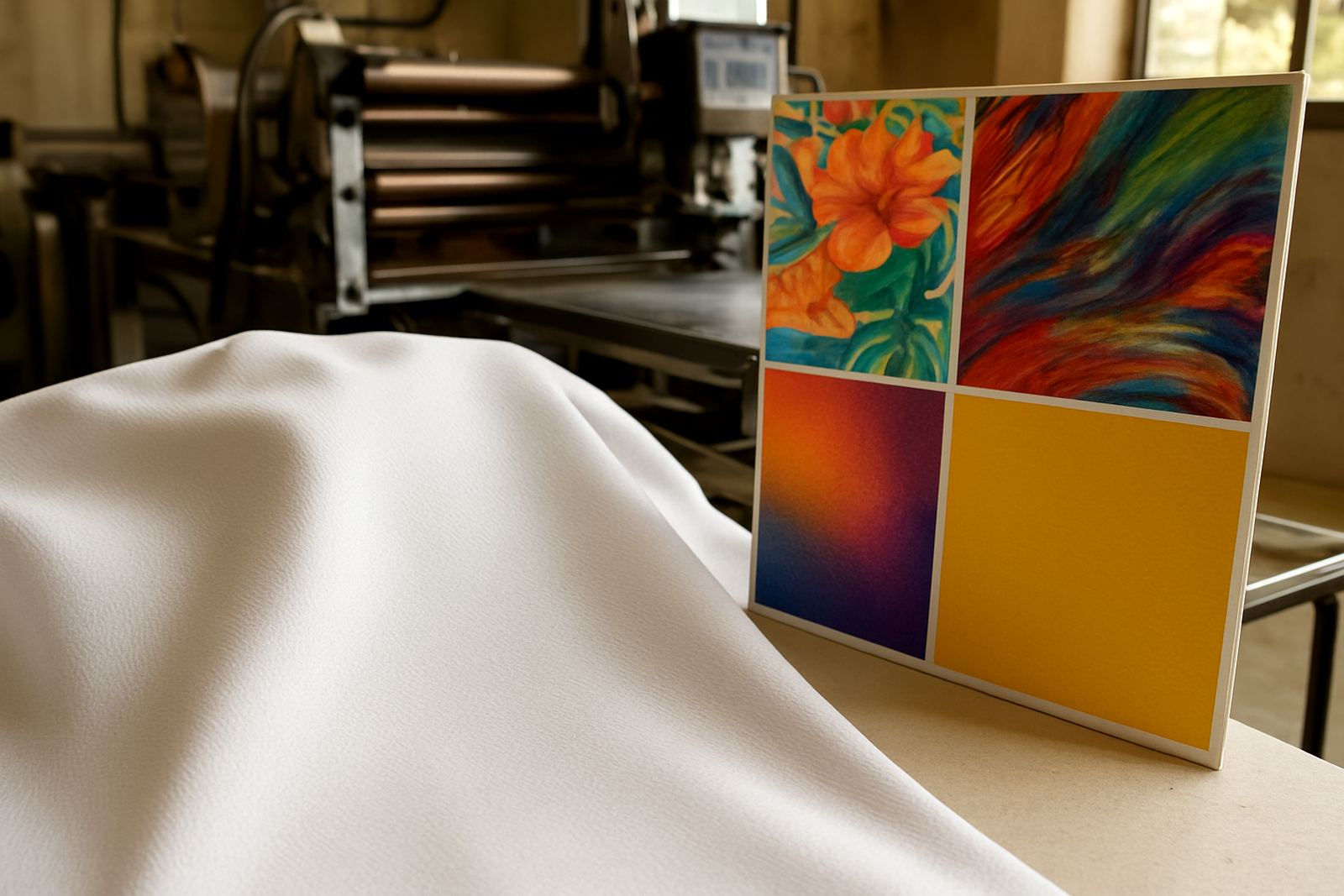
When you are ordering blanks for sublimation, the first thing to check is the actual fabric content. Polyester is the usual choice because it takes sublimation ink properly and gives a bright finish. If a supplier offers mixed fabrics, ask exactly how much polyester is in the garment and whether the weave is suitable for heat transfer. A cheaper shirt can cost more later if the print comes out dull or uneven.
For bulk buying, consistency matters as much as price. One carton of 100 shirts should behave like the next carton of 100 shirts, with the same feel, stretch, and print result. In Durban and along the coast, humidity can affect how stock is stored, so ask how garments are packed and kept before dispatch. If blanks sit in damp conditions, they can carry a musty smell or slight storage marks that slow down production.
- Check polyester content and fabric weight.
- Ask whether the knit or weave is suited to sublimation.
- Confirm the hand feel, stretch, and opacity before larger buying.
- Find out how stock is stored in warm or humid areas.
Size Breakdown Packs Reduce Waste
Many bulk buyers lose margin because they order the wrong mix of sizes. A promotional company might need more medium and large shirts, while a school event or sports run may need a wider size spread. Size breakdown packs help you match real demand instead of guessing. They also cut down on leftover stock that sits in a storeroom for months.
If you are reselling blanks, ask for packs that match your customers’ buying pattern. A small brand in Pinetown may sell more fitted small and medium shirts online, while a print shop in Hillcrest may need family event mixes with more larger sizes. The right breakdown can make reordering simpler and helps you plan for seasonal spikes around festivals, sporting events, and year-end promos.
- Review past sales to see which sizes move fastest.
- Order a spread that reflects your real customer base.
- Use breakdown packs for events, retail shelves, and campaign work.
- Keep a record of what sizes return least often.
Compare Packing, Labelling, and Count Accuracy
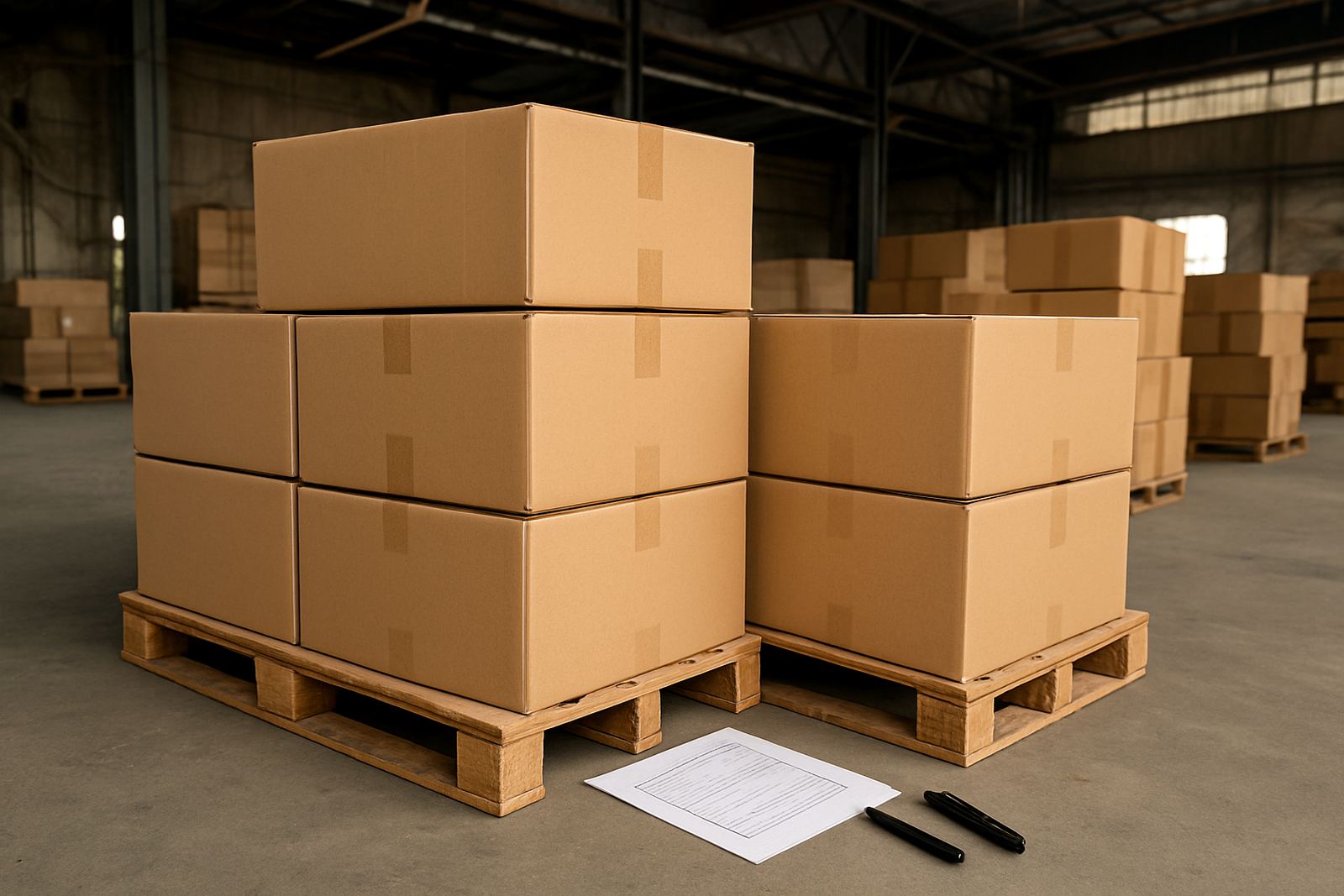
Bulk orders should arrive in a way that lets your team start packing without sorting for hours. Good carton labelling saves time, especially if you are receiving mixed sizes or different colours. Ask whether items are counted per bag, per inner pack, or per carton, and whether cartons are sealed for transport. It is a small detail, but count accuracy can decide whether your order lands on schedule or causes a late-night scramble.
For businesses handling resale or event kits, each layer of packing matters. A reseller in Phoenix may want clear size labels for easy shelfing, while a promotional company in Umhlanga may need each client pack separated for simple handover. If your team is working through load-shedding, neat packing reduces mistakes when lighting is poor and everyone is trying to keep production moving.
- Ask how many units are packed per carton and inner bag.
- Check if size and colour labels are easy to read.
- Confirm whether mixed orders are separated or grouped by client.
- Count stock on arrival before you break seals and store it.
Plan for Dispatch From Pinetown to the Rest of SA
When bulk buying, transport can change the real cost per item. A good unit price is useful, but it should be weighed against dispatch timing, collection options, and whether the supplier can handle nationwide delivery without delays. If you are based in Durban, local collection may suit urgent jobs, but buyers in Gauteng, the Free State, or the Cape often need stock sent in a way that protects the garments from crushing or moisture.
For larger orders, ask about lead times before you pay. If you are planning a school fair in Amanzimtoti or a corporate run in Pretoria, you need to know when stock will leave the warehouse and when it will actually land. Seasonal planning also helps. December orders, long weekends, and rainy periods can slow freight, so build in a buffer. That one extra day can save a whole campaign.
- Confirm collection schedules if you are local to Pinetown or Westville.
- Ask for realistic dispatch times for nationwide orders.
- Allow extra time for peak trading periods and public holidays.
- Keep a contact person ready for delivery updates.
Ask for Sample Packs Before You Commit
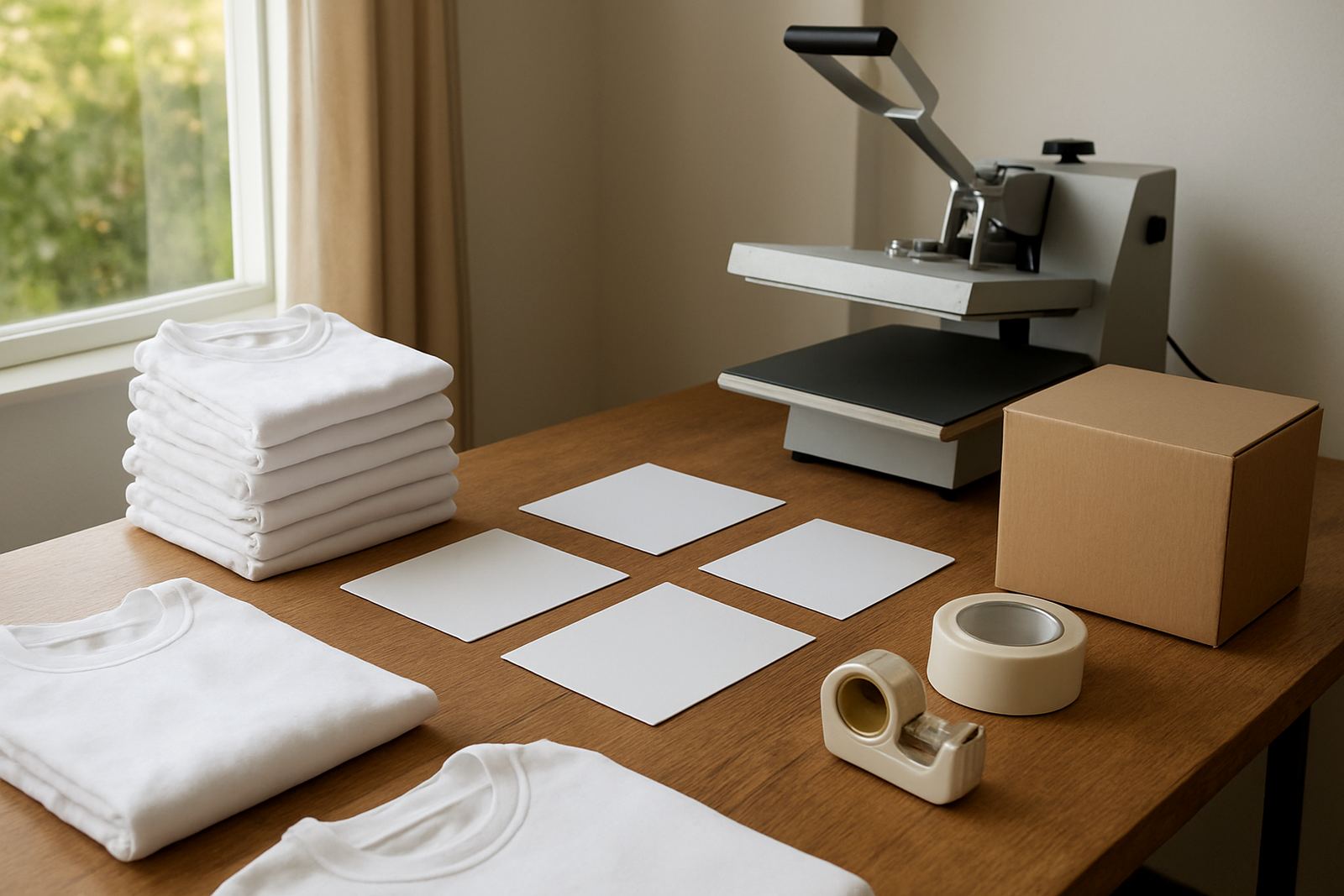
Sampling is one of the best ways to avoid expensive mistakes. A sample pack lets you check the fabric weight, cut, stitch quality, and print result before you buy at scale. This matters for first-time buyers, but even experienced print shops use samples when they are trying a new style or comparing sizes across different garments. You do not want to discover after 300 units that the fit is tighter than expected.
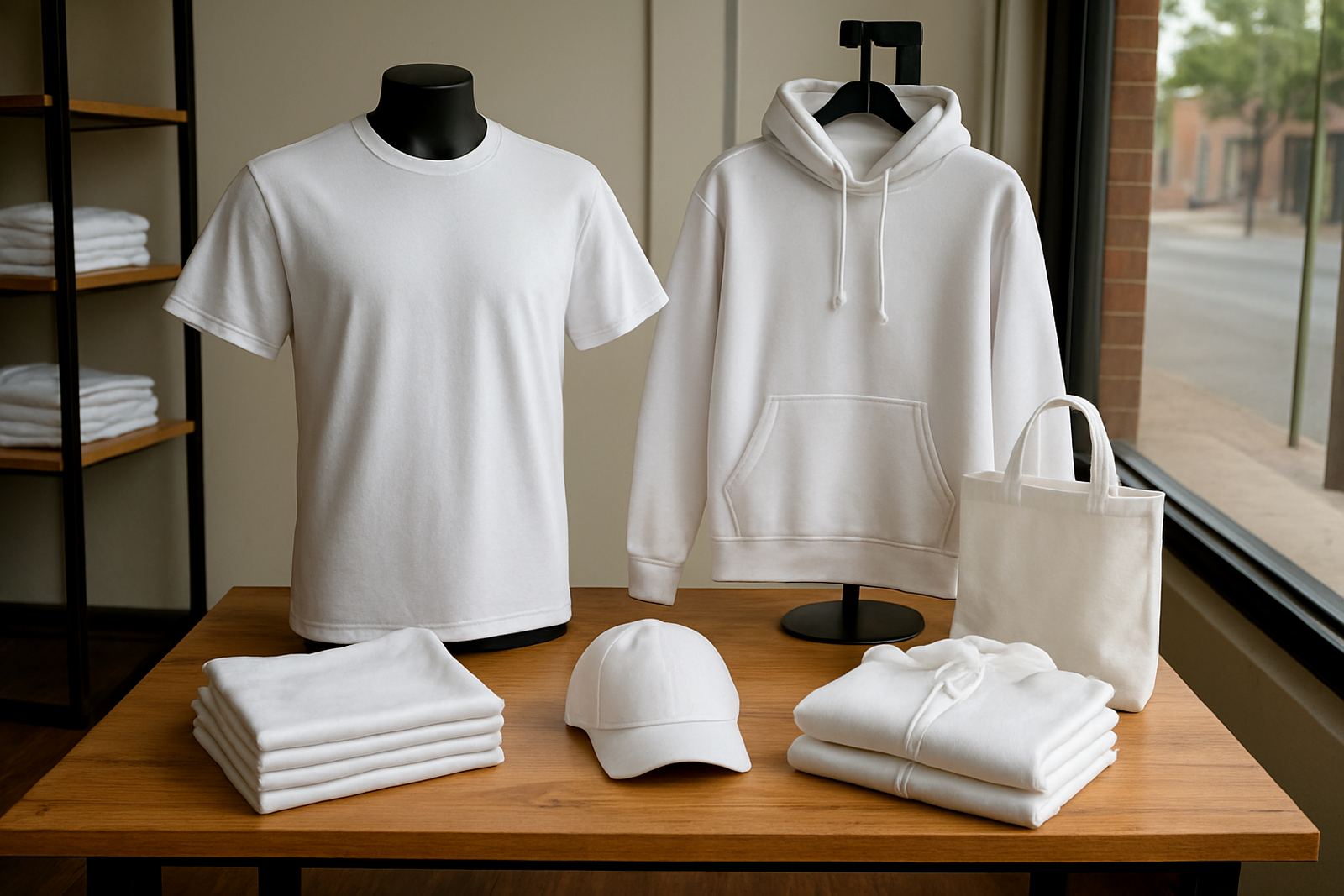
In practice, a sample can show up issues that brochures and price lists will not. Does the collar sit properly after washing? Does the hoodie hold its shape? Does the white shirt stay bright under strong light? If you are supplying to coastal clients, test how the blank handles washing and wear in higher humidity. A sample order may feel like a small extra cost, but it is often the cheapest part of the whole project.
Watch the Extras That Affect Your Margin
The main unit price is only one part of bulk buying. You should also consider returns handling, restock planning, and whether the supplier can help with kitting for events or reseller packs. Some orders need size breakdown packs, some need promo bundles, and some need seasonal stock planning so you do not overbuy before demand slows. These support services can save staff time and reduce errors.
It is also worth checking how quality issues are handled. If a carton arrives with damage or a sizing mismatch, you need a clear process for checking and resolving the problem. A supplier with proper returns checking and stock control will help you move quicker, especially if your business runs from Pinetown, Westville, or further inland where replacement stock can take longer to reach you. Bulk buying should support your workflow, not create more admin.
Before you place a larger order, compare the full package: fabric, fit, packing, dispatch, sample checks, and support after delivery. That is the difference between a good purchase and stock that ties up cash. If your order is meant to serve customers across South Africa, those small decisions matter every time a shirt goes under the press.