What small labels need from their blank supply
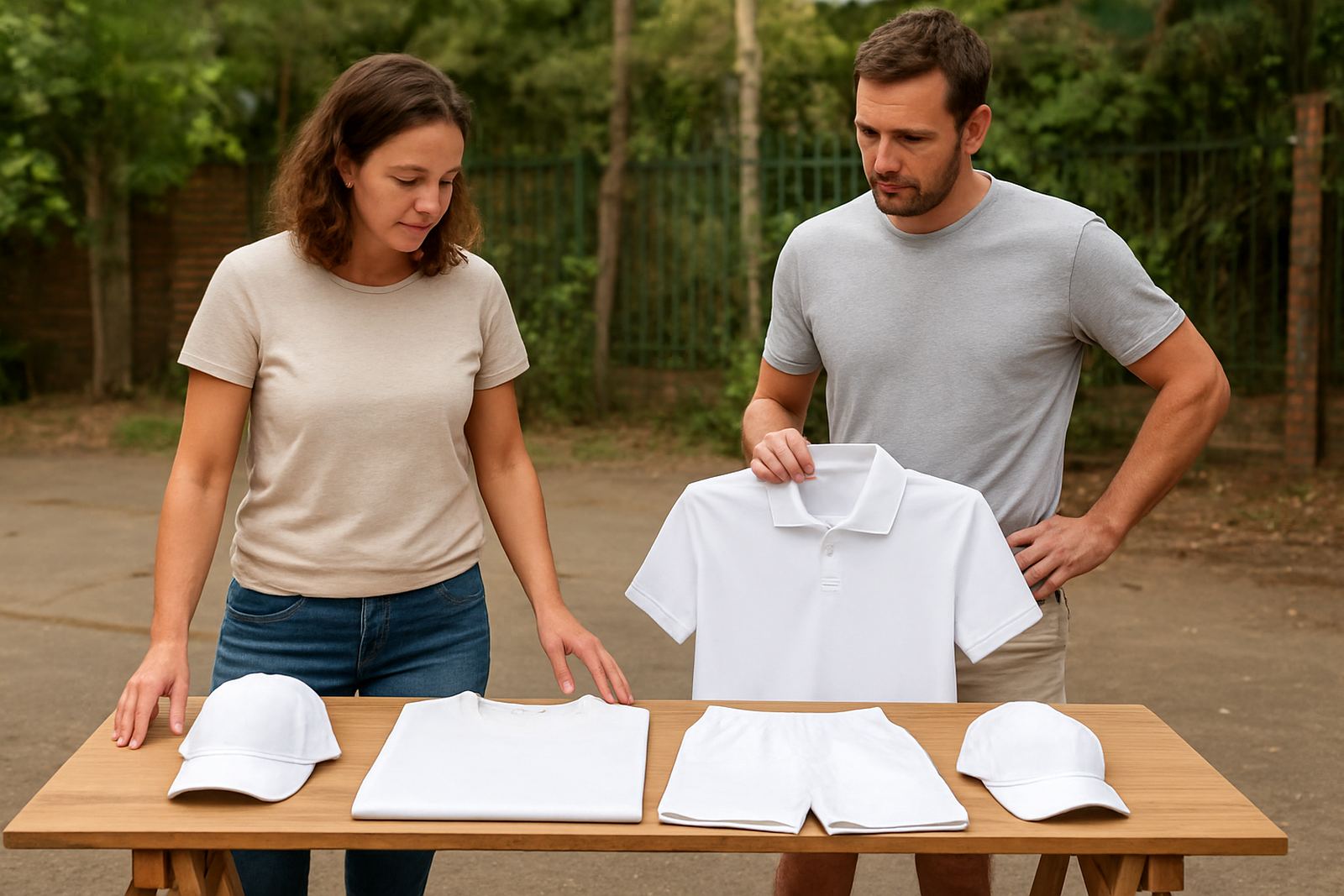
When you are building a label, every blank has to earn its place. You need garments that take sublimation properly, wash well, and stay consistent from the first sample to the second repeat order. That is why emerging labels often start with polyester t-shirts, hoodies, vests and select accessories that give a clean print surface and predictable sizing.
Most small labels are balancing a few pressures at once: limited cash flow, short lead times, customers asking for custom colours or names, and the need to avoid dead stock. A good blank range lets you keep a tighter line-up and still offer enough variety for online drops, pop-up markets and local stockists in Durban, Pietermaritzburg, Johannesburg or Cape Town.
In Pinetown, many new brands collect samples first, then move into small production once fit and print results are confirmed. That approach saves money and cuts down on returns. It also helps if your supplier can split sizes properly, hold stock for repeat runs, and dispatch quickly when a batch sells out.
Typical equipment set for a small sublimation label
Most small labels using sublimation work with a compact in-house setup. You do not need a factory floor to start, but you do need equipment that matches your output and the fabric type. Polyester blanks suit heat transfer work best, especially where bright artwork, name personalisation or short-run branding is involved.
- Sublimation printer and transfer paper for artwork and repeat runs
- Heat press sized for t-shirts, hoodies and smaller accessories
- Cutting tools or a trim setup for transfers and finishing
- Measuring tape, size charts and packing materials for order control
- Storage shelves or bins to keep sizes separated and easy to pick
If you are operating from home, a studio or shared workshop, ventilation and power planning matter too. Load-shedding can interrupt production, so many labels batch their printing and pressing in planned blocks rather than trying to work one order at a time. That keeps waste down and avoids rushed mistakes.
For labels supplying markets in coastal towns like Umhlanga, Ballito or Amanzimtoti, moisture control is worth thinking about. Blanks stored in a damp area can curl or pick up marks, and that creates issues during pressing. Keep cartons off the floor and away from direct sunlight.
How to plan a small run without overbuying
The safest way to plan a small label launch is to work backwards from your first sales target. If you expect to sell 40 units, do not order 200 of one style unless you have confirmed demand. Start with a sample pack, confirm fit on different body types, then place a limited run that covers your best sizes first.
For many labels, a simple breakdown works best:
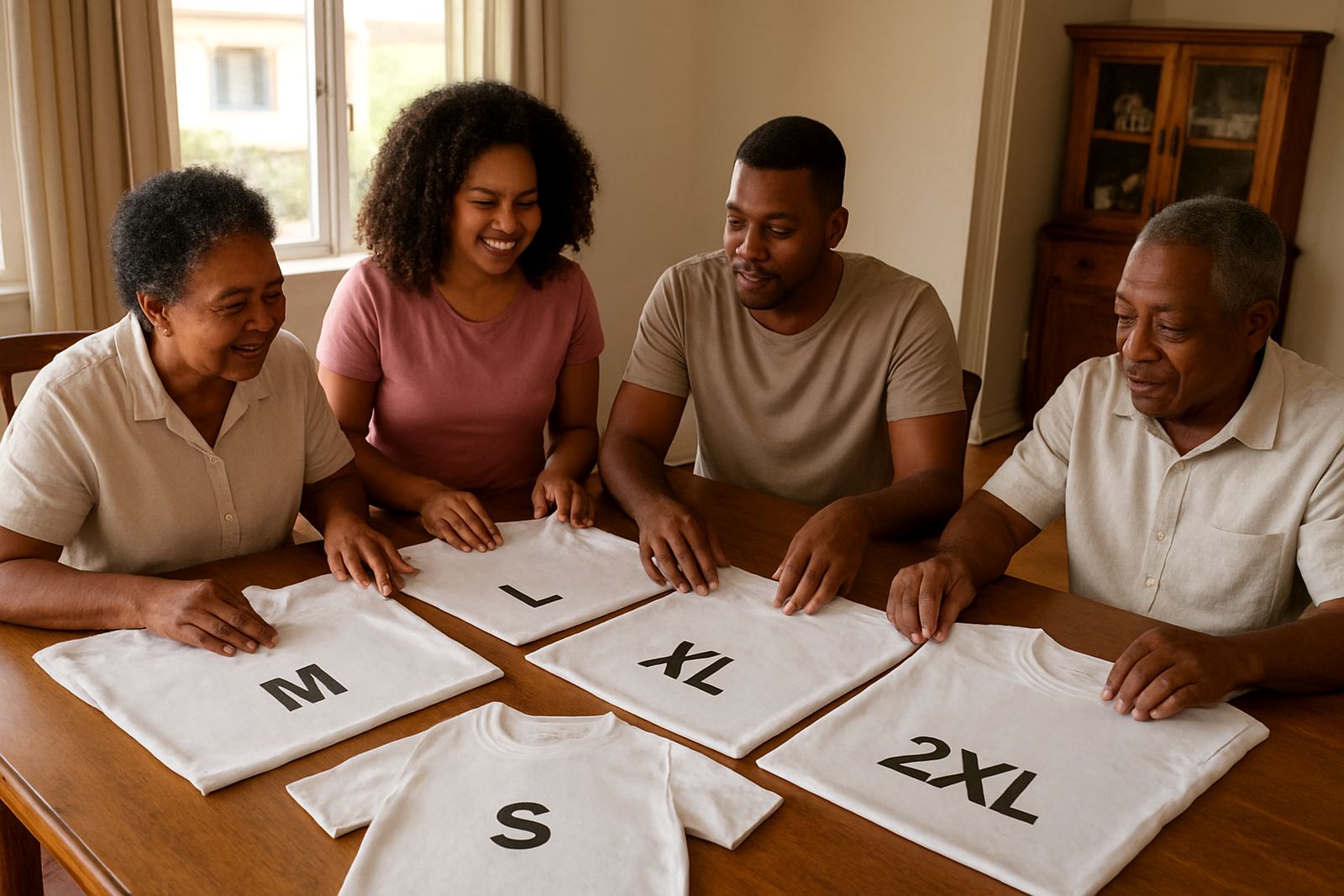
- Core sizes like small, medium, large and extra large in steady quantities
- A lighter spread in extra small and 2XL if your market asks for them
- One or two colourways only, so your cash is not stuck in slow stock
- A separate pack for influencer seeding, photoshoots or trade samples
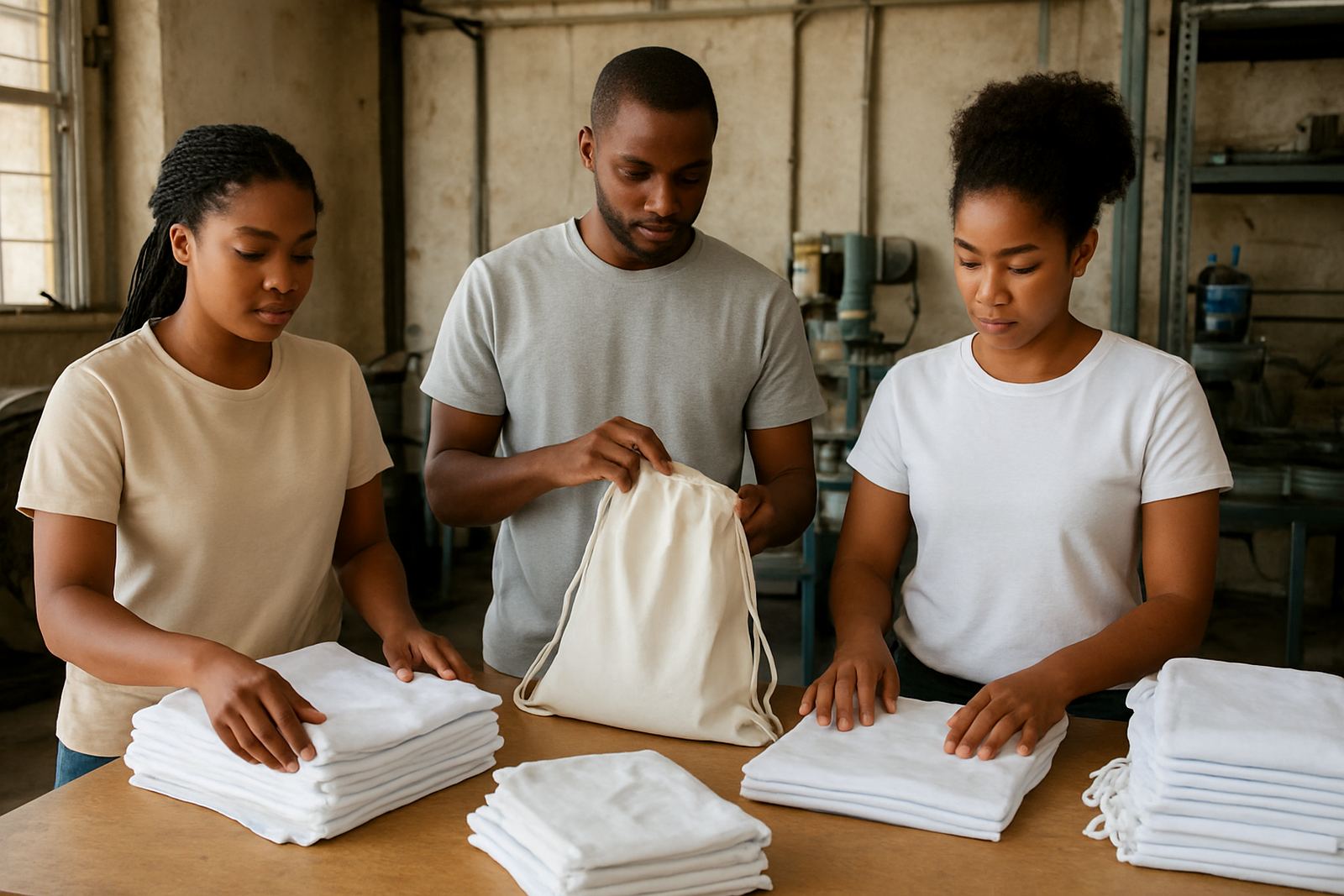
If you are supplying schools, clubs or promo buyers, pre-packaging by size saves time later. Our size breakdown packs and event order kitting services are useful when a label wants to keep hands off packing and focus on sales. For resellers, it also makes restocks easier to track, especially when orders move between Pinetown, Westville, Hillcrest and further afield.
Keep an eye on turnaround times around month end and before major events. Small labels often underestimate how fast a best-selling size disappears, and then end up paying extra to rush stock. Planning two weeks ahead usually gives enough room for dispatch and reorders.
Common mistakes new labels make with blanks
The most common mistake is choosing a blank because it is cheap, then losing money on poor print results or complaints about fit. A fabric that looks fine on the roll may still bleed, stretch or fade badly after pressing and washing. That becomes costly very quickly.
Another problem is skipping sample testing. Even if a shirt is listed as suitable for sublimation, you still need to test it with your artwork, your press settings and your wash routine. Small labels sometimes forget that heat, pressure and time can change the final result. One press may be perfect, the next not so much if the machine is not set correctly.
Other mistakes to avoid include:
- Mixing batches without checking size consistency
- Buying too many styles before market feedback is clear
- Ignoring packaging damage during collection or courier transit
- Leaving stock unlabelled, which slows down picking and causes errors
- Not setting aside a returns check process for faulty or mispacked items
If you are sending stock nationwide, damaged cartons and incorrect size packs can eat into your margin fast. A simple returns checking process and proper stock count on dispatch can save a lot of back-and-forth later.
Budget ranges for emerging clothing labels
Budgeting for a new label depends on whether you are testing, launching or restocking. For a very small test run, many brands spend between R1 500 and R4 000 on a handful of sample garments, print trials and packaging. That is enough to check the fit, the colour response and the feel of the fabric before committing to a larger order.
For a first proper drop, a realistic working budget is often R5 000 to R15 000 depending on sizes, garment type and quantity. That range usually covers blanks, sample reprints, labels or tags, packing materials and the courier cost to get stock where it needs to go. If you are selling through a reseller or at multiple markets, add a buffer for reorders.
Labels that are growing into regular monthly runs may move into the R15 000 to R35 000 bracket, especially where they are supplying corporate promo work, staffwear or seasonal collections. The important thing is not to tie up all your money in one style. Leave room for restocks, because a small label can pick up momentum faster than expected.
Working with a Pinetown supplier for better stock control
Being based in Pinetown gives us a practical edge for labels in Durban and beyond. It is easier to schedule collections, split orders by size, and get stock moving without waiting around for long confirmation chains. For small labels, that speed matters when a client changes quantities or a market date moves forward.
We support emerging brands with bulk order picking, sample pack assembly, reseller restocks, seasonal stock planning and nationwide dispatch. That means a label can start with a small batch, then reorder the same items with less hassle when sales pick up. It also helps when you need to keep your range tidy and avoid carrying too many unrelated items.
Small labels do best when the supply chain is simple. Keep your blanks consistent, test before you scale, and choose sizes based on real sales not guesses. If you need help planning a first run or a repeat order, our team in Pinetown can assist with stock selection, packing and dispatch across South Africa.