Why charity drives need blanks that work hard
When a charity drive is moving through schools, shopping centres, taxi ranks, church halls or community clean ups, the clothing has to do more than look neat. It must be light enough for all day wear, easy to sort by size, and suitable for clear branding that stays bright after repeated washing. Polyester blanks are a practical choice because they take sublimation well, dry quickly, and keep volunteers looking consistent from the first handover to the last collection point.
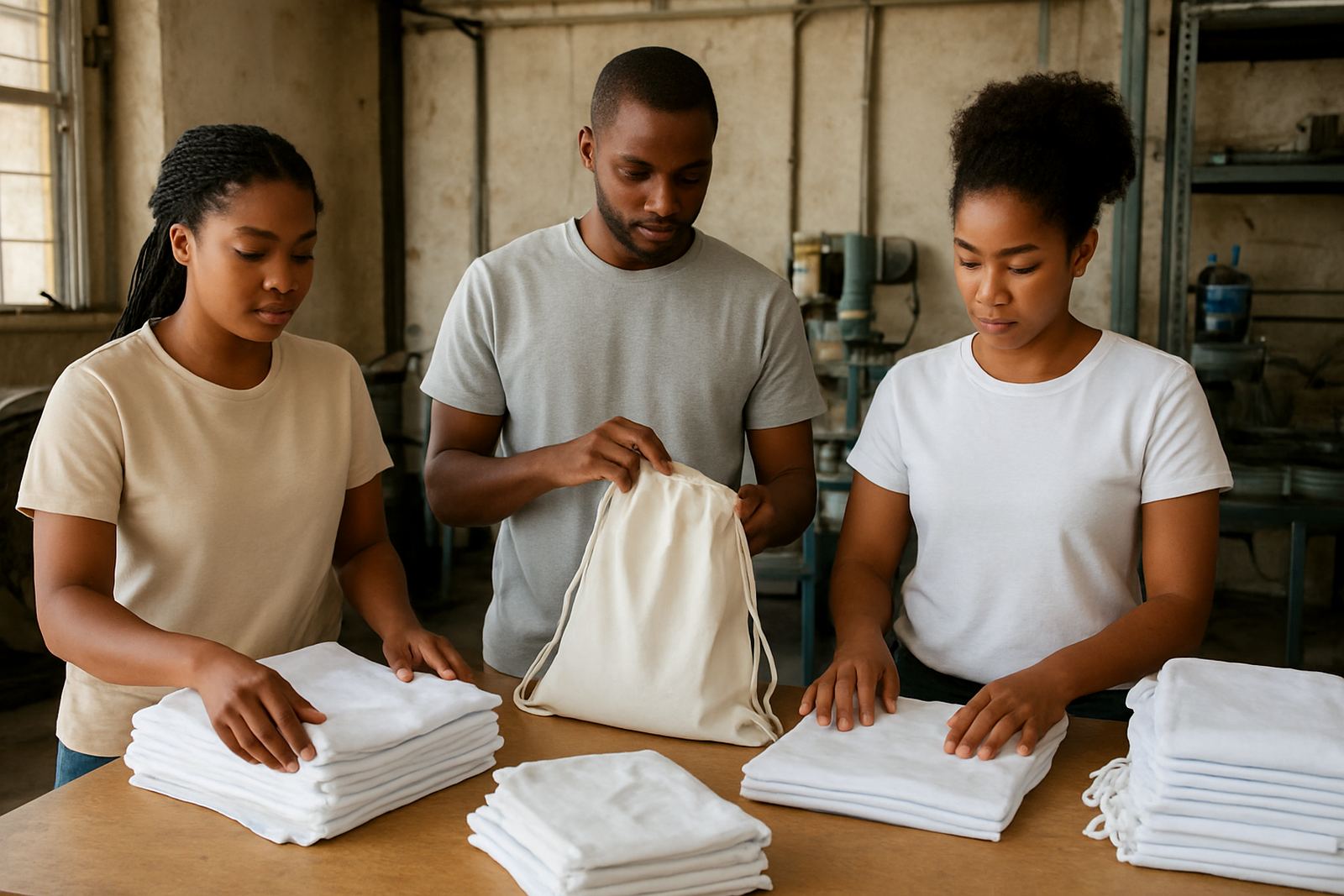
For awareness campaigns, donor gifting, and sponsor packs, the same logic applies to bags and accessories. A branded shirt is helpful, but a reusable tote or drawstring bag often carries leaflets, refreshments, wristbands and small giveaways. In Durban, humidity and coastal air can be hard on stock that sits in a storeroom for too long, so good quality blanks and organised planning make a real difference. It is also easier to manage a mixed team when the garments are sorted before the event, not during it.
Typical items used for donation and volunteer campaigns
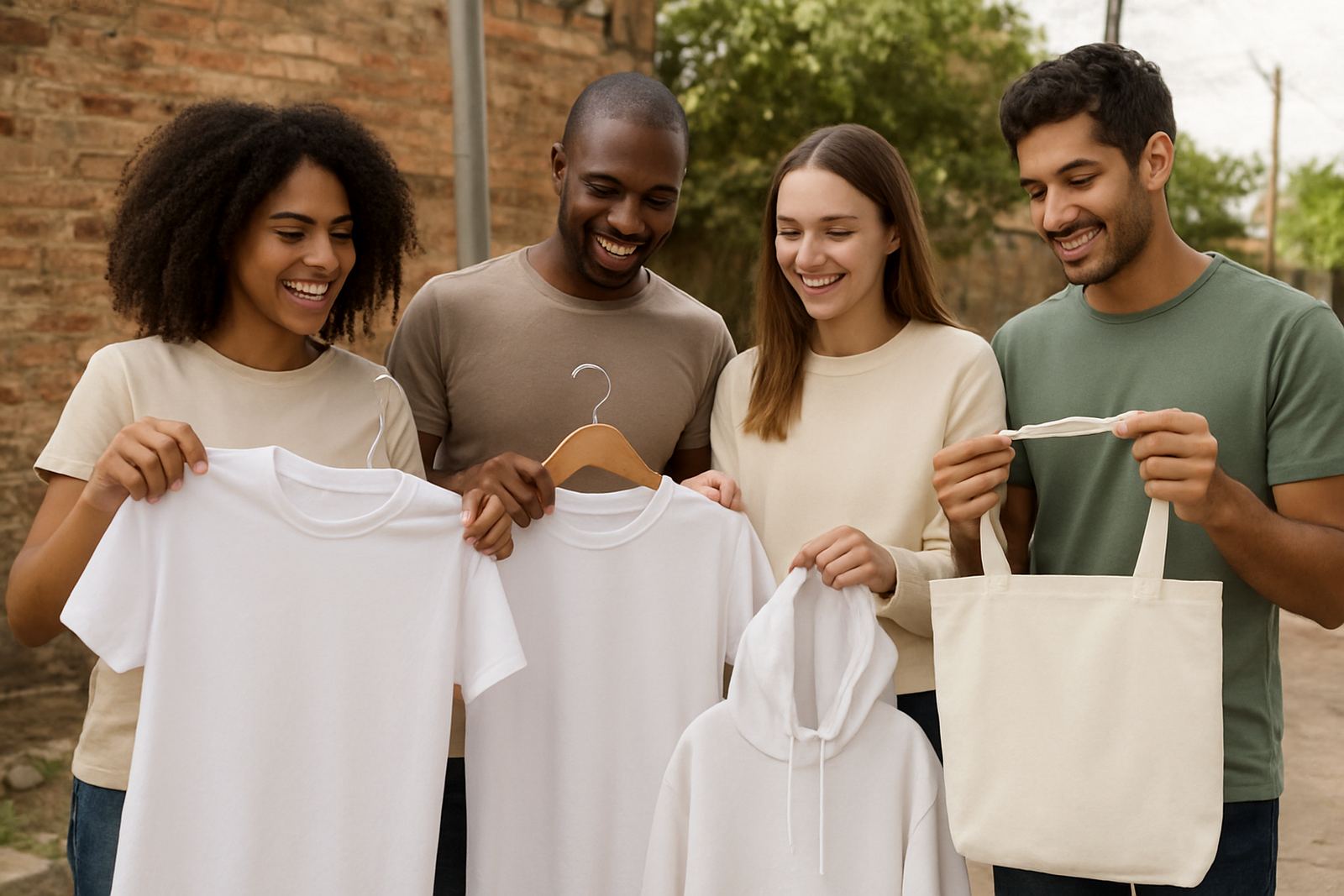
Most charity orders are built around simple, repeatable items that suit different body sizes and roles. Common choices include T-shirts for general volunteers, hoodies for early morning handouts or winter drives, and lightweight bags for campaign packs. For longer events, some groups also add caps, lanyards, aprons, and small pouches for registration teams or marshals.
- Polyester T-shirts for volunteers, school outreach and awareness runs
- Hoodies for early starts, winter collections and night vigils
- Tote bags and drawstring bags for donor packs and event handouts
- Aprons and tabards for food collections, soup kitchens and community service teams
- Caps and neckwear for outdoor visibility in the sun
If you are planning a charity walk, soup drive, or year end gifting campaign, it helps to keep the set simple. Too many garment types can push up costs and create sorting mistakes. A solid core range with one or two extra sizes usually works better than over ordering styles nobody asks for. Our team can help with size breakdown packs and event order kitting so the right items reach the right people first time.
How to plan the print layout before your event date
Charity work often runs on a tight calendar, so the print layout needs to be settled early. Decide where the logo, slogan, phone number or QR code will sit before stock is packed for printing. On shirts, the chest is still the clearest space for identification, while the back is useful for sponsor names, campaign messages, or a website address. On bags, a single bold print area usually gives the best impact and avoids crowding.
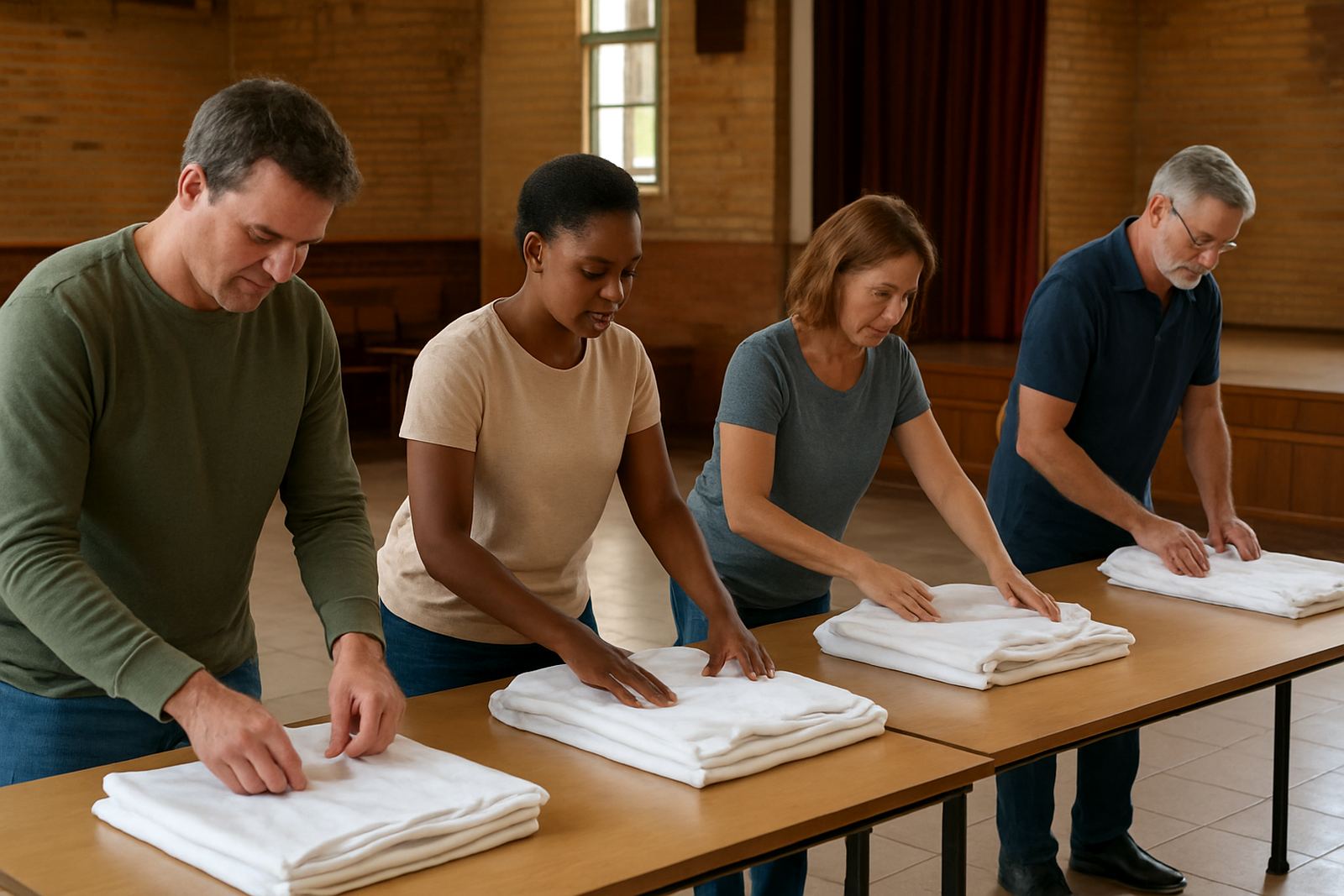
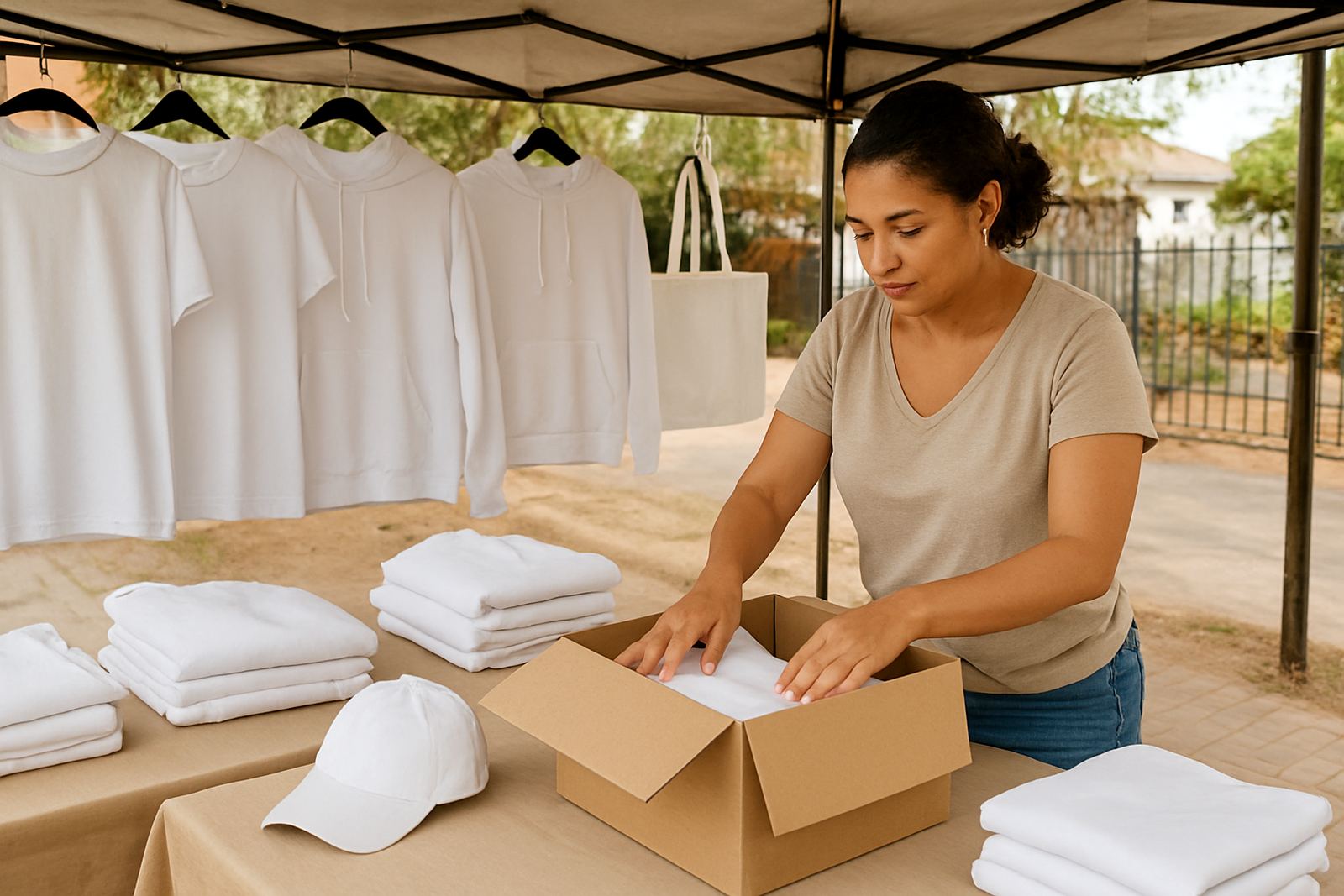
Measure the usable print area instead of guessing. A small logo can get lost on larger sizes, while a message that is too big can wrap awkwardly on a tote or hoodie front. Keep one version for adult volunteer wear and another for donor packs if the audience is mixed. That keeps the campaign tidy and saves time during packing. If you are working with multiple centres across Pinetown, Westville, Umhlanga or Phoenix, label each carton by size and branch before dispatch. It saves someone a lot of grief on event day.
Common mistakes that create delays or extra cost
Charity orders often go wrong in the same few places. The first mistake is buying a cotton mix blank that does not suit sublimation, which can leave the print looking faded or patchy. The second is leaving sizing until the last minute, then finding that half the volunteer team needs larger shirts. The third is underestimating how many bags, shirts or hoodies are needed once sponsors, staff, and walk in helpers are added to the count. That is usually where the budget goes sideways.
- Ordering the wrong fabric for sublimation printing
- Leaving size breakdowns to the day before collection
- Mixing adult, youth and children’s stock without labels
- Forgetting reserve stock for late volunteers or replacements
- Sending uncounted cartons to multiple venues
Another issue is storage. In a coastal city like Durban, stock packed in damp rooms or near open doors can pick up a musty smell, and that is not ideal when items are meant for handing to donors or community members. Keep cartons off the floor, away from windows, and closed until packing day. If the campaign is tied to municipal permits, market day rules or school access times, leave a margin for approvals so no one is standing around waiting on paperwork.
Budget ranges for charity drives in Rand
Budgeting for charity drives depends on quantity, garment type, and the amount of sorting needed before dispatch. For small awareness campaigns, a basic run of T-shirts and bags may sit between R2 500 and R8 000. Medium sized volunteer packs with shirts, caps, and totes often land between R8 000 and R25 000. Larger regional campaigns, especially those with multiple size bands and kitted packs, can run from R25 000 upwards.
The cleanest way to control spend is to set the purpose first. If the item is going into a donor pack, presentation matters. If it is for volunteers on the ground, durability and comfort come first. Promotional companies handling charity partnerships often prefer a split order, where the main team gets shirts and the supporter packs get bags or small accessories. That keeps the message consistent without pushing the bill too high.
As a rule, add a little room for spares. A 5 percent to 10 percent buffer helps with late additions, size swaps, or damaged items during distribution. It is cheaper to keep a few extras than to rush a second dispatch after the event has already started.
Nationwide dispatch from Pinetown for fast campaign turnarounds
Based in Pinetown, Durban, we supply charity drives across South Africa with bulk order picking, sample pack assembly, reseller restocks, seasonal stock planning and nationwide dispatch. That matters when a campaign has to reach schools in Gauteng, churches in the Eastern Cape, or community groups in the Western Cape before a fixed handover date. Clear picking lists and collection scheduling keep the process organised whether you collect locally or need courier dispatch.
Our team works across sales, production, warehouse control, logistics and quality checking so orders move in a straight line. Ayanda Naidoo manages sales support, Lerato Khumalo oversees production coordination, Morne van Wyk handles the warehouse, Nomvula Sithole supports customer queries, Calvin Petersen plans logistics, and Zanele Mokoena checks quality before release. That structure helps when a charity has one main contact person but several delivery points. It also keeps returns checking tidy if a pack needs size changes or a carton arrives with a count issue.
If you are planning a drive in Pinetown, Hillcrest, Amanzimtoti or beyond, order early enough for packing and checks. Load shedding can affect printing schedules, and end of month charity work often lands at the same time as school events and corporate handovers. A bit of lead time means the final packs leave sorted, labelled and ready to hand over, rather than being patched together on the morning of the event.