
Polokwane Brief: A High-Volume Promo Clothing Run
The client was a regional promotions team in Polokwane preparing for a roadshow and staff activation across several inland sites. They needed polyester apparel blanks that could take clean sublimation print, hold colour well, and arrive in the right size mix for a mixed group of wearers. The order had to be simple to issue on arrival, because the garments were being handed out across different teams rather than stored in one place.
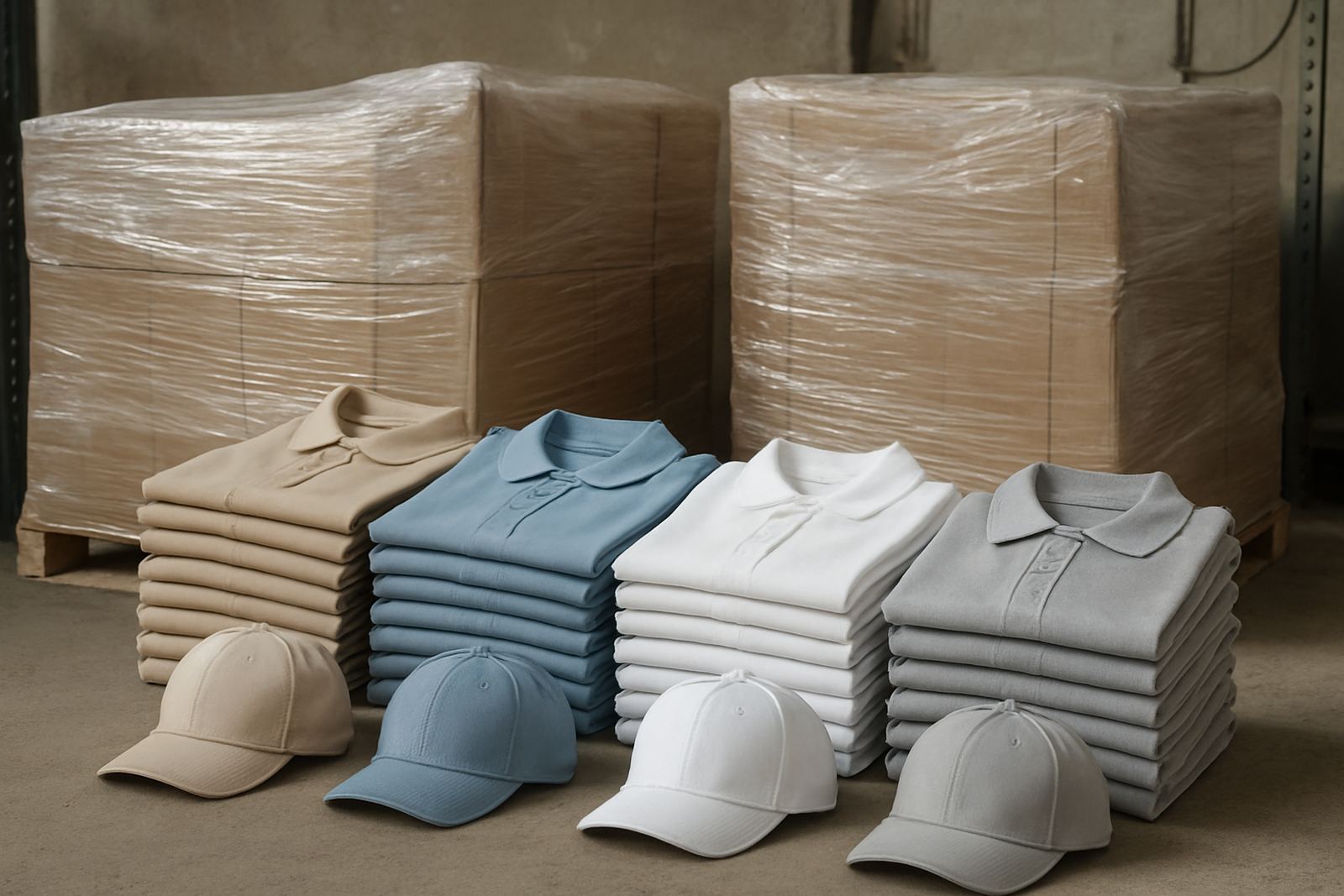
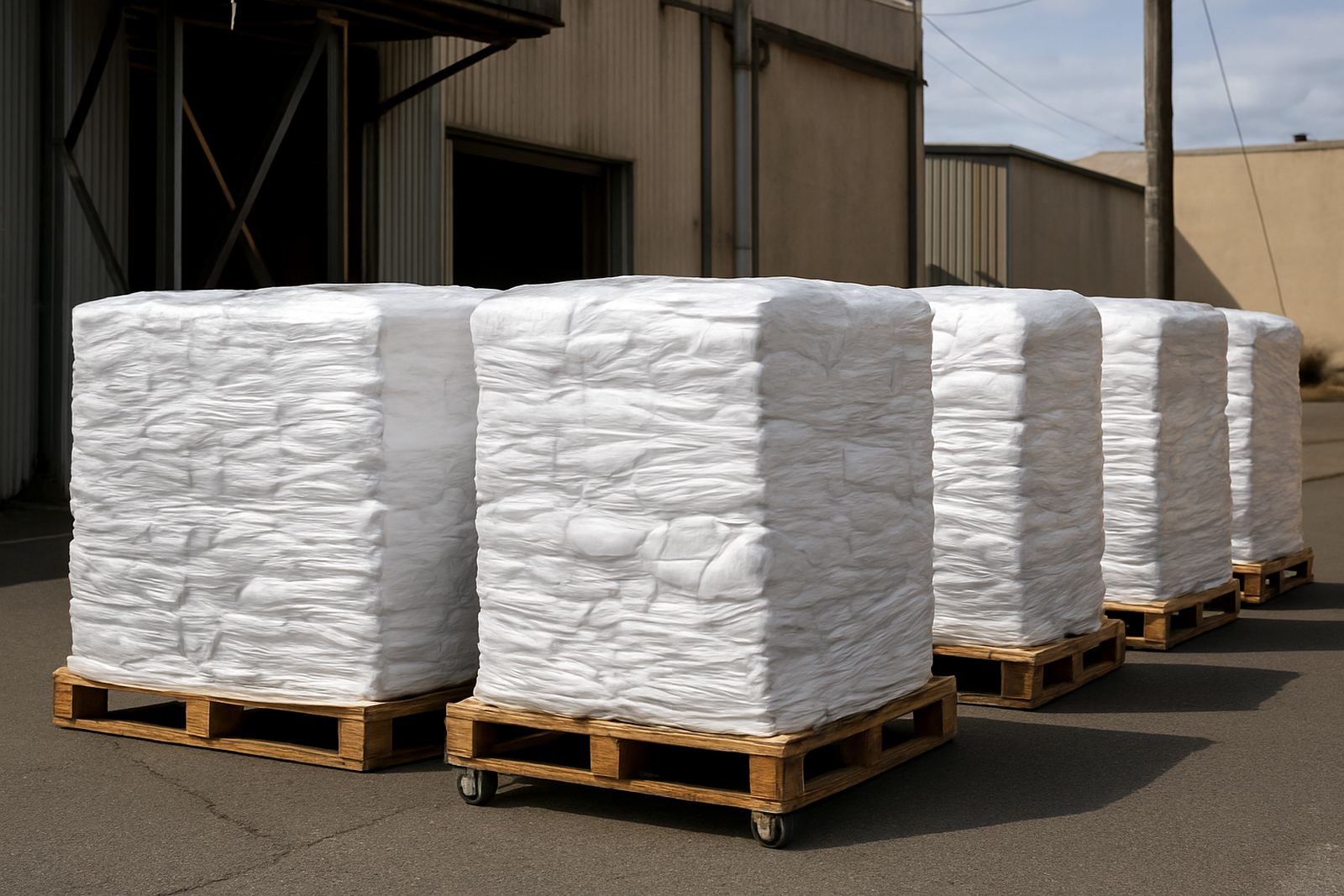
The brief called for a reliable bulk supply with no sorting delays at the other end. That meant packing by size, labelling clearly, and making sure the cartons were loaded in a way that reduced counting on delivery. The client also wanted a bit of buffer stock in case of late sign-ups or last minute changes, which is often the reality with inland promo work.
What We Sent Out And How It Was Packed
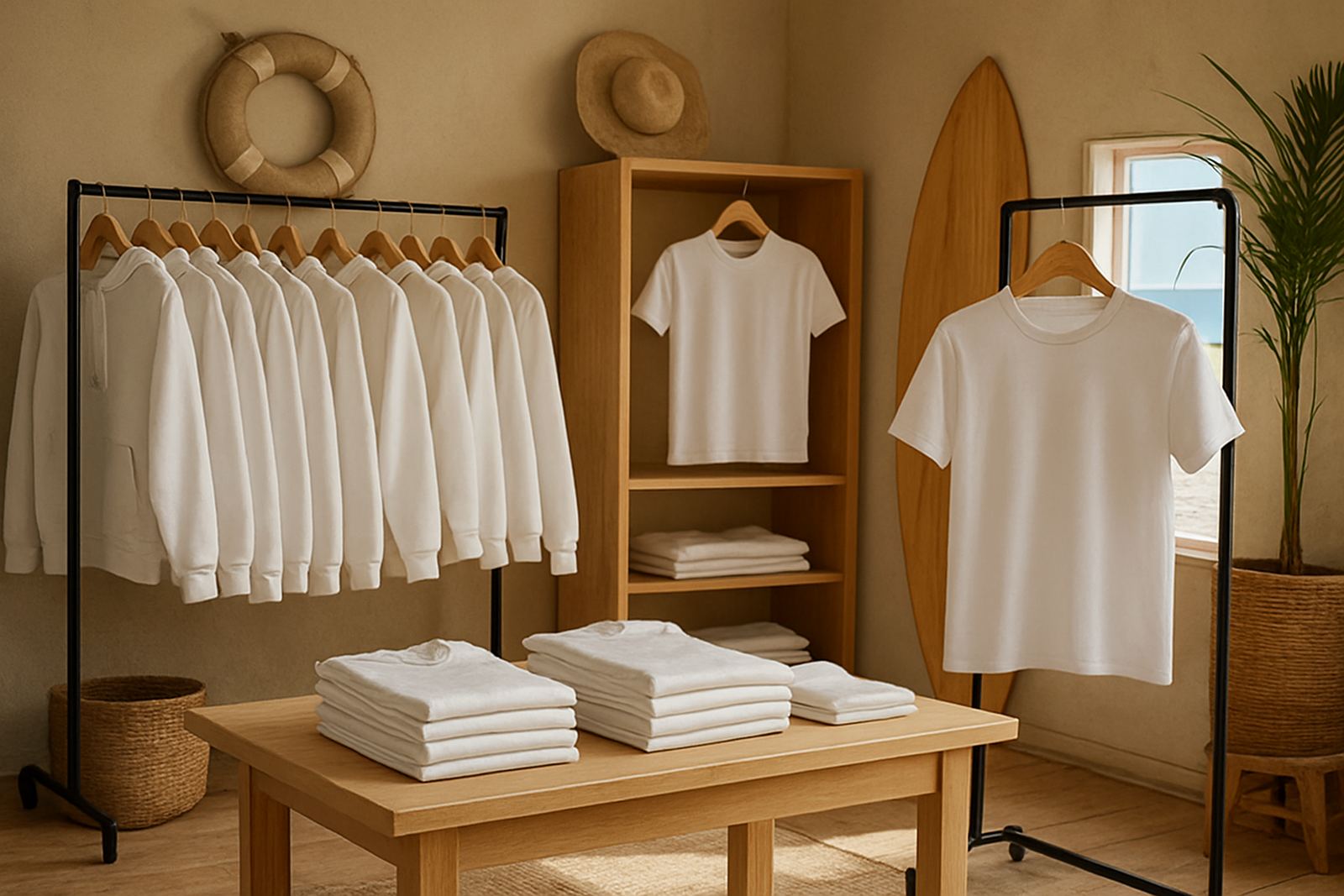
We supplied polyester promo apparel blanks suited to sublimation use, with the run centred on t-shirts and a smaller quantity of hoodies for cooler morning activations. The garments were selected for consistent fabric finish, even print response, and dependable stitching at the seams and hems. This was important because the client had a mixed programme with indoor and outdoor use, so the clothing had to look good after packing and handling, not just on the day.
- Polyester t-shirts in mixed adult sizes from XS to 5XL
- Polyester hoodies for colder early starts
- Size breakdown packs for quick issue
- Carton labelling by item, size and quantity
- Extra units set aside for spares and replacements
We also prepared sample packs first so the client could confirm fabric feel, cut and colour before the main dispatch. That small step saved time later because there was no back and forth once the bulk order was confirmed. The stock was then pulled from our Pinetown warehouse, counted, and packed in a fixed run so the same sizes stayed together.
Timeline, Constraints And Inland Shipping Realities
This Polokwane bulk order moved from first enquiry to final dispatch over three weeks. Week one covered requirements, sample checks and quantity planning. Week two was stock allocation, picking and size breakdown kitting. Week three was final checks, loading, and nationwide dispatch to Polokwane.
The main constraint was distance. Inland freight needs more care with dispatch timing because there is less room for error if a box misses a cut-off. Load-shedding also affects some customers when they are receiving and unpacking stock, so we made sure all cartons were easy to identify without having to open everything at once. Our team also had to account for the fact that Polokwane deliveries can be affected by route changes and municipal access control at larger venues.
- Lead time: 3 weeks total
- Dispatch point: Pinetown, Durban
- Destination: Polokwane, Limpopo
- Packing style: size split cartons and event kitting
- Delivery plan: nationwide freight with collection backup if needed
Warehouse Control And Picking For A Clean Issue
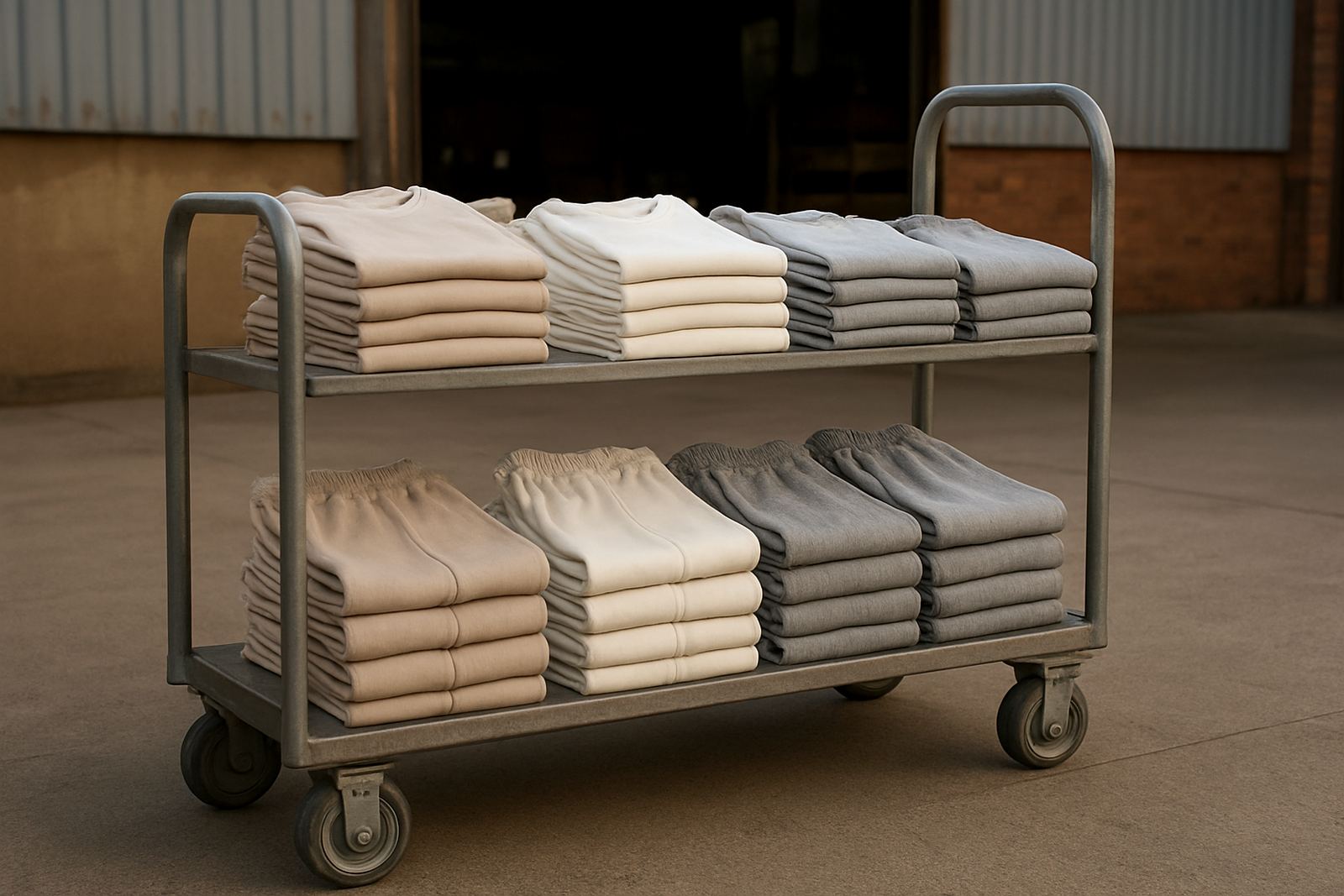
The warehouse team used a bulk picking process that kept the order accurate from the first carton to the last. Morne van Wyk supervised the loading sequence, while Zanele Mokoena checked garment counts and size splits before release. This mattered because promo clothing orders can go wrong when a few sizes are short and everything has to be reworked at the last minute. Here we kept each line separate and counted twice.
We also prepared the order in the way a client would actually use it. That meant packs grouped by size for the staff issue point, plus a handful of reserve units labelled clearly for replacements. The result was a clean handover with very little sorting required on the receiving side, which is exactly what a busy inland team needs when time is tight.
Results On The Ground In Polokwane
The order arrived ready for issue, with the client able to hand garments straight into the activation process instead of spending hours sorting cartons. The size breakdowns matched the headcount plan closely, and the reserve stock gave the client room to handle late additions. Print teams also had a better base to work from because the fabric consistency held up well during handling and pre-production.
For the Polokwane team, the main advantage was knowing exactly what to expect. They knew what was in each carton, what had been set aside, and how quickly they could move stock into circulation. That may sound basic, but for a high-volume promo run it saves time, labour and a fair bit of stress. The team reported no shortage issues at issue stage, and no re-packing was needed after delivery.
What We’d Repeat For The Next Bulk Run
If we were handling the same kind of Polokwane bulk run again, we would keep the same structure: samples first, then fixed size splits, then dispatch after a final count. For inland orders like this, that order works because it keeps everyone aligned and reduces missed details. We would also recommend building in a small overflow pack for late confirmations, especially where the event list is still shifting a few days before handover.
- Use sample packs before the bulk release
- Split by size at warehouse stage, not on delivery
- Label cartons for fast issue at the receiving point
- Keep reserve units for late changes or replacements
- Plan freight around cut-off times and road conditions
From our side, this is the kind of order we are set up for. Bulk Order Picking, Size Breakdown Packs, Event Order Kitting, Reseller Restocks and Nationwide Dispatch all fit together neatly when the job has to move across provinces without fuss.
Key facts
| Project | Polokwane Bulk Run |
|---|---|
| Client type | Regional promotional clothing team |
| Destination | Polokwane, Limpopo |
| Dispatch base | Pinetown, Durban |
| Lead time | 3 weeks |
| Key supply | Polyester t-shirts and hoodies for sublimation use |