
The brief from a growing weekend seller
The client was a small apparel reseller trading at a weekend market in Hillcrest and serving walk up customers who wanted plain garments for custom printing later. The main request was simple, but specific: offer more choice on the table, keep the spend sensible, and make sure the stock could move in small quantities without tying up cash.
They were already selling a few core items but needed more variety in colour and size, especially for customers asking for family sets and last minute gift buys. The market runs only on certain days, so stock planning had to suit a short sales window and quick replenishment from Pinetown.
- Client type: weekend apparel reseller
- Town: Hillcrest
- Stock style: small mixed batches
- Buying goal: wider choice with controlled spend
What made the order tricky
Like most market trading, the challenge was not just the product, but the timing. The seller needed stock that could be counted, packed and displayed fast, with no confusion over sizes once customers started asking for medium, large or extra large in the same colour. Coastal humidity also mattered because the goods had to stay clean and dry in storage between market days.
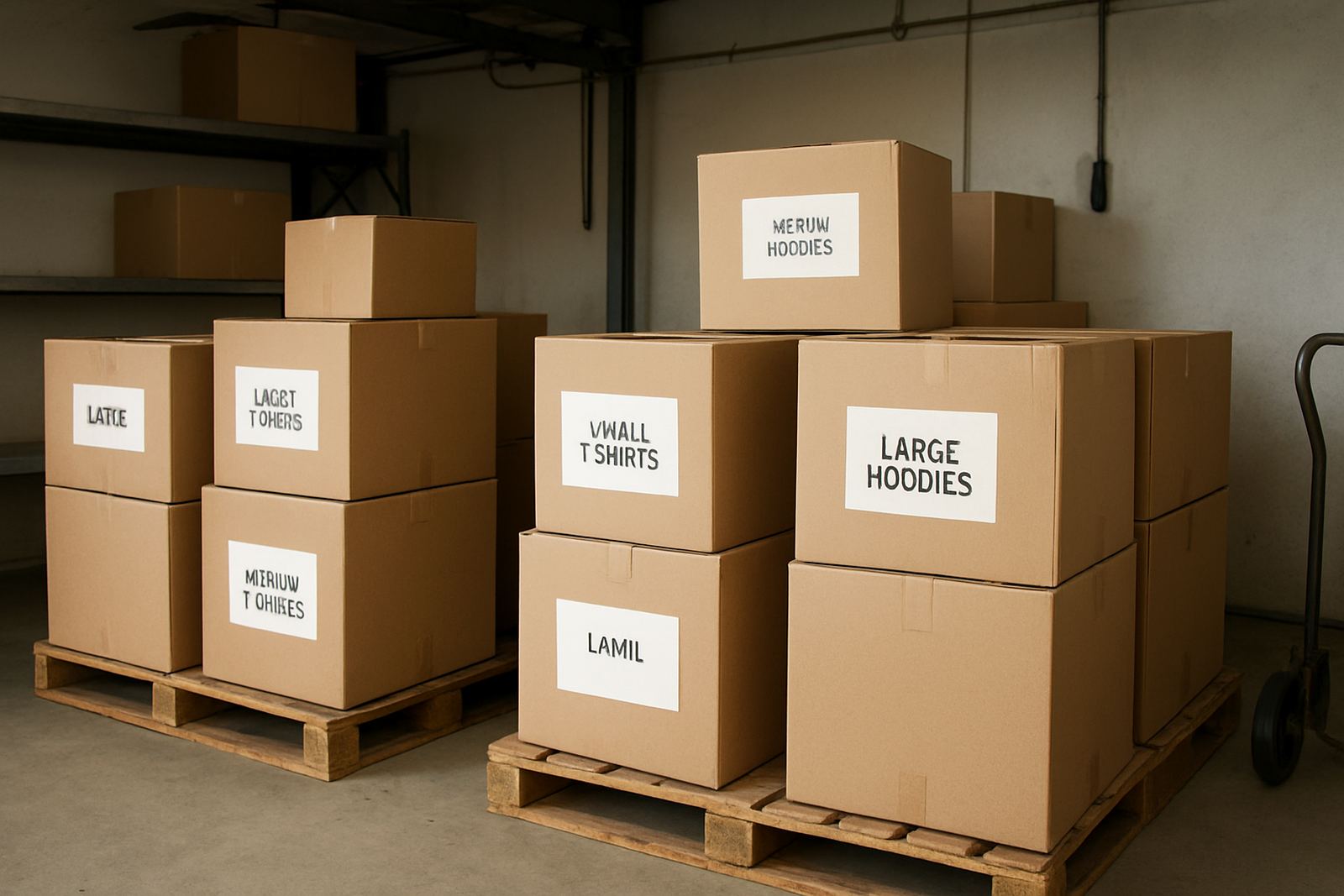
There was also the usual pressure around transport and local traffic between Pinetown and Hillcrest. The order had to be ready in time for a weekend slot, and any delay would have meant missing a trading day and losing foot traffic. We kept the packing simple, with clear size breakdowns and separate batch labelling, so reordering later would not become a guessing game.
- Need for fast stall setup
- Mixed sizes for immediate sale
- Cleaner stock control for repeat restocks
- Protection against damp storage conditions
What we supplied and packed
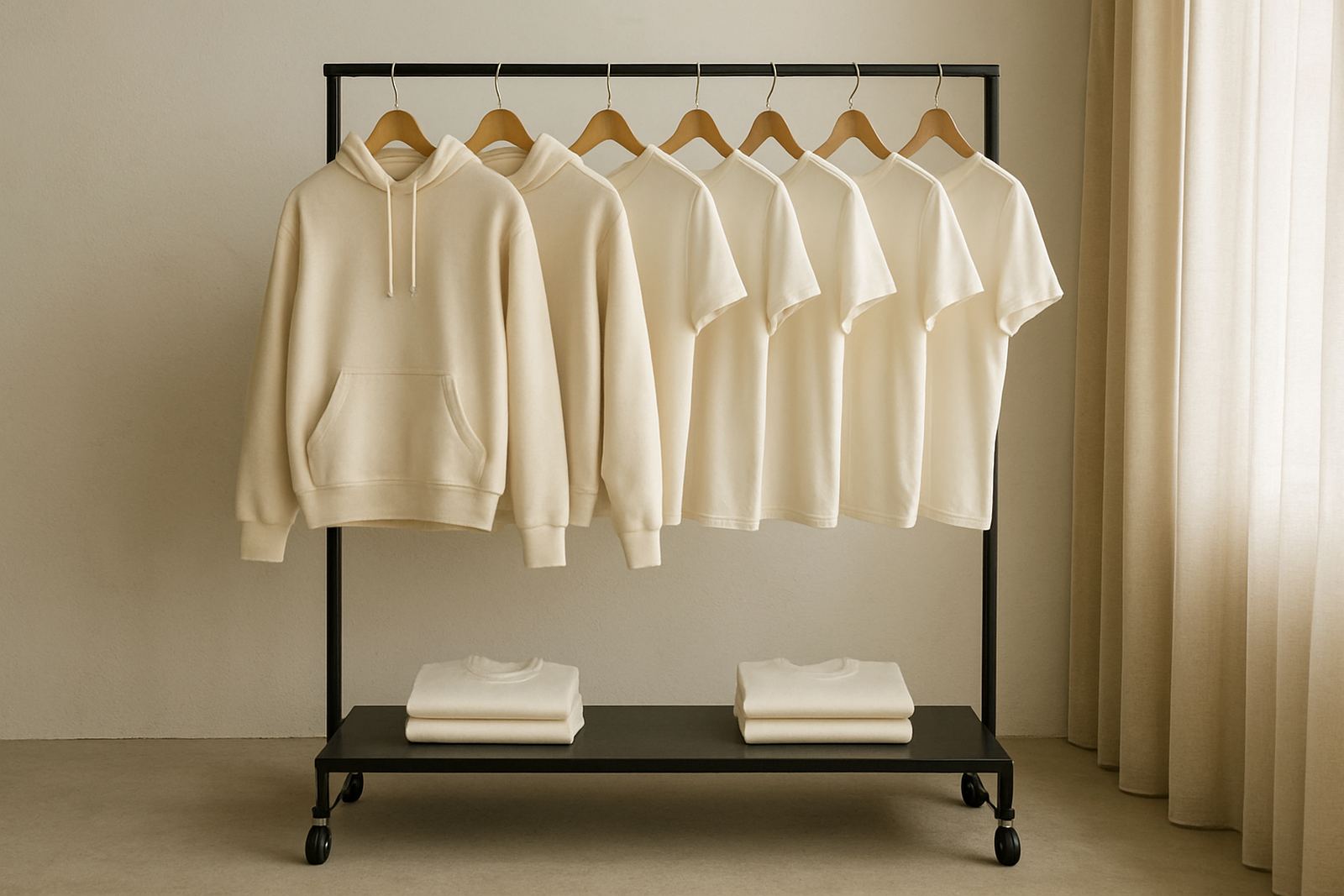
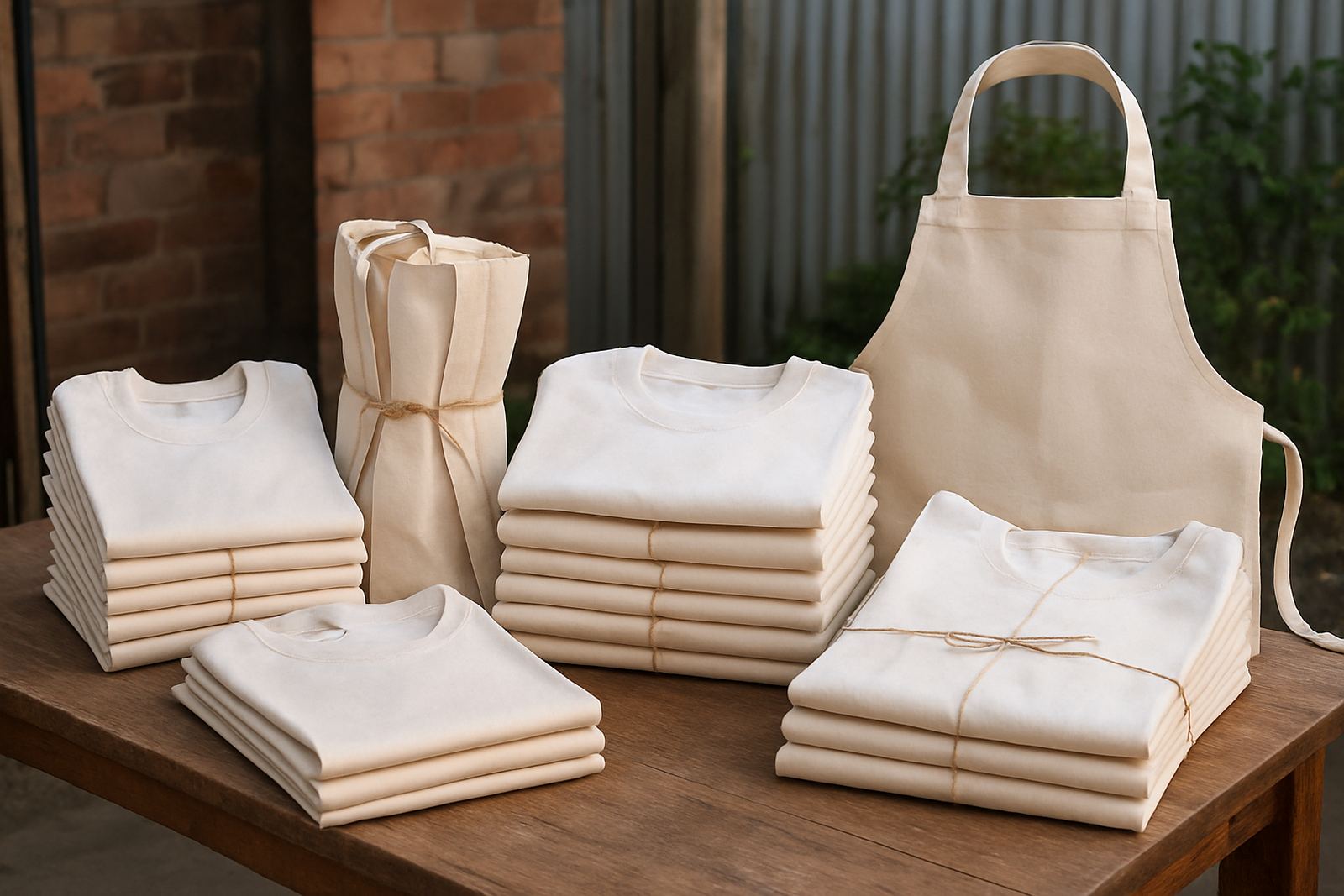
We supplied a mixed run of polyester apparel blanks suited to sublimation printing, chosen for smooth print take up and a clean finish after heat application. The order included t-shirts and hoodies in a balanced size spread, plus a few accessory items that helped the seller test what customers preferred before placing larger follow up orders.
Our production team prepared the order as a small batch release rather than one large bulk pull. That gave the client room to test product mix without carrying too much stock. The warehouse team counted each size twice, then the logistics side arranged collection timing so the load could move out without waiting around. It was neat, practical work and the finish was spot on too.
- Polyester apparel blanks for sublimation
- Mixed t-shirts and hoodies
- Accessory items for variety testing
- Size breakdown packs for easy selling
How we handled the timeline
The full run took 2 weeks from brief to dispatch. The first few days were spent confirming the mix of garments, preferred sizes and the likely sell through pattern for the Hillcrest market. After that we set the pack plan, pulled stock from Pinetown, and finished the order in small sections so the seller could begin trading with confidence.
Week one covered stock allocation and pack confirmation. Week two covered final checks, collection scheduling and dispatch. Because the order was small but varied, we could move faster than a full wholesale run while still keeping control on counts and quality. That balance matters when a reseller needs product on the table, not sitting in transit.
- Week 1: brief, stock allocation and pack plan
- Week 2: checks, collection and dispatch
- Lead time: 2 weeks total
Results on the market table
The extra mix gave the seller a better spread of price points and sizes, which helped reduce the number of people walking away because their size was not available. The stall looked fuller, the range felt more deliberate, and the seller could deal with customer requests without scrambling for extra stock. Orders became easier to manage as well because the packs were already broken down by size.
For a market trader, that kind of control is worth a lot. It means fewer missed sales, better reordering decisions, and less dead stock lying around after a busy weekend. The client was able to test new lines in a controlled way and see what moved before committing to bigger quantities.
- Wider choice for walk up customers
- Less time spent sorting at the stall
- Better visibility on fast moving sizes
- Improved repeat order planning
Lessons we would carry into another market-day apparel run
For a market trader in Hillcrest or anywhere nearby, we would use the same approach again: small mixed batches, clean size breakdowns, and stock planning around actual weekend demand. It keeps the buying risk lower and gives the seller room to learn what customers ask for most often. That is especially useful in areas like Westville, Amanzimtoti and Phoenix where local buying patterns can shift from one market weekend to the next.
We would also keep the pack list tight and the collection timing fixed, so there is no last minute rush before trade day. If a reseller is growing slowly, that kind of order structure works well because it supports cash flow and leaves space for seasonal changes, school holiday trade, or promo bundle requests later on.
- Repeat the small batch model
- Keep size ratios close to proven demand
- Plan for weekend trading windows
- Use quick reordering once best sellers are known
Key facts
| Client type | Weekend apparel reseller in Hillcrest |
|---|---|
| Town / region | Hillcrest, Durban area |
| Project timeline | 2 weeks from brief to dispatch |
| Products supplied | Polyester t-shirts, hoodies and accessories |
| Packing format | Small mixed batches with size breakdown packs |
| Service points | Bulk order picking, collection scheduling, nationwide dispatch |